Aperitivo in Italy: The Pre-Dinner Ritual Explained
Ah, Italy. Just when you think you’ve got a handle on the rhythm of daily life, you stumble upon a social ritual that feels both familiar and entirely unique, leaving you wondering if you're doing it "right." For many of us expats and long-term visitors, the Italian aperitivo is one of those delightful mysteries. It's more than just a drink; it's a quintessential Italian experience that blends socializing, light bites, and a truly relaxed atmosphere, bridging that gap between the workday and dinner. This guide is going to break down everything you need to know about navigating and fully embracing this beloved pre-dinner tradition.
What Exactly is Aperitivo?
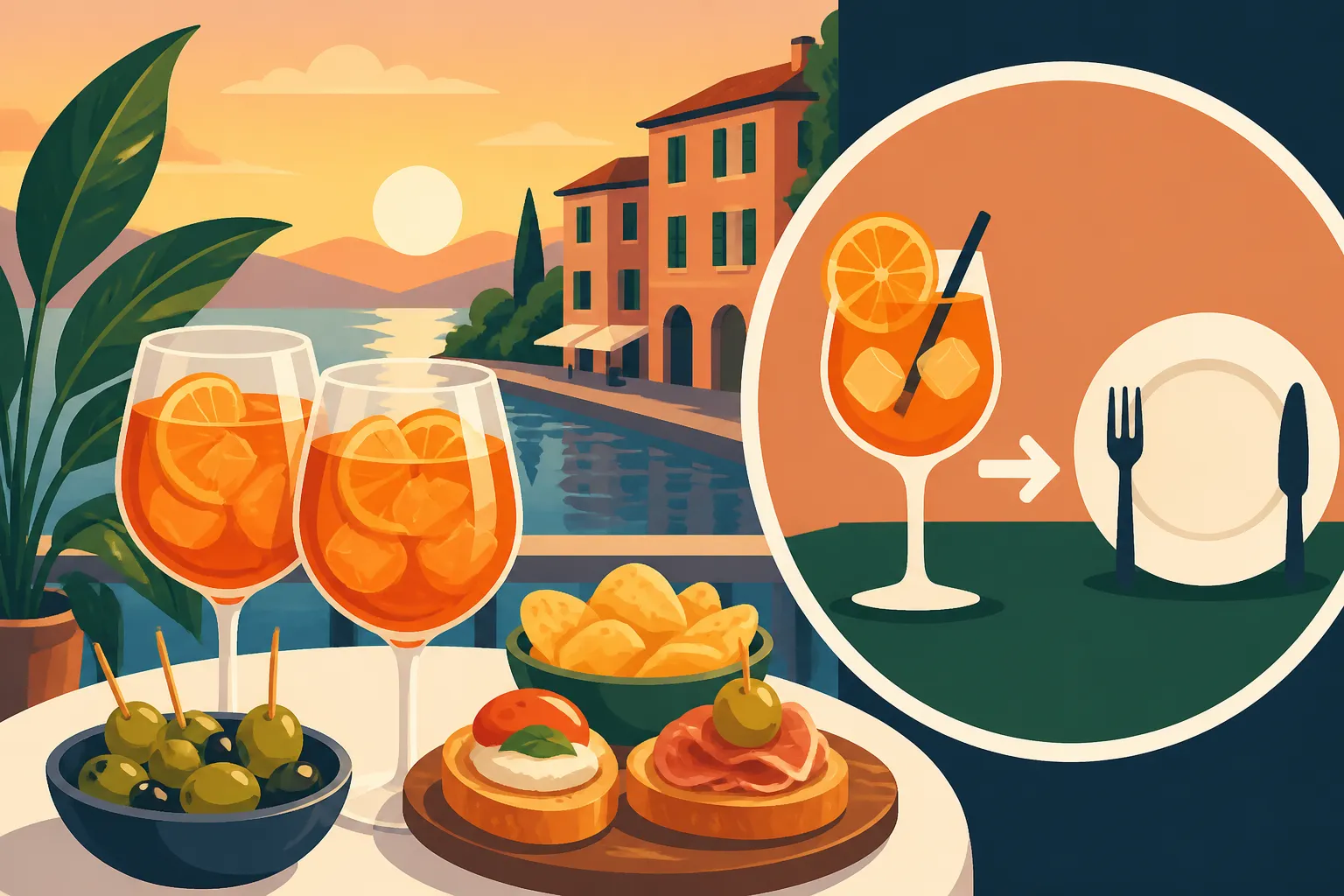
When you first hear "aperitivo," you might just picture a happy hour or a pre-dinner drink. While it certainly shares some DNA with those concepts, it's so much more nuanced and deeply ingrained in the fabric of Italian social life. It's a cherished daily ritual, a specific time of day, and a particular type of offering, all rolled into one. It’s about unwinding, connecting, and gently stimulating your appetite, or as the Italians say, aprire l'appetito – opening the appetite.
Disclosure: This post may contain affiliate links. We may earn a commission at no extra cost to you if you make a purchase through these links. Read full disclosure.
More Than Just a Drink
The term "aperitivo" itself comes from the Latin aperire, meaning "to open." In this context, it literally refers to "opening the appetite." But culturally, it opens so much more. It opens up conversations after a long day of work, opens up possibilities for new friendships, and opens up the evening before the main event of dinner. Think of it as Italy's elegant answer to happy hour, but without the emphasis on getting cheap drinks. The focus isn't on discounted booze but on a holistic experience: a quality drink paired with an array of savory snacks, often included in the price of the drink. It’s a moment to pause, chat with friends, colleagues, or even make new acquaintances, all while enjoying some delightful refreshments in a relaxed setting. It's a transition, a gentle shift from the intensity of the day into the leisurely pace of the Italian evening.
The Core Components
At its heart, a proper aperitivo has two essential ingredients: the drink and the accompanying food. Neither component stands alone; they are intrinsically linked to create the experience. The drink is typically a low-alcohol beverage designed to be refreshing and appetite-stimulating, rather than heavy or intoxicating. We're talking sparkling wines, light cocktails, or certain bitters mixed with soda. The food, on the other hand, can range from simple, elegant stuzzichini (small bites) like olives, nuts, and potato chips, to a lavish buffet spread that could easily pass for an early dinner. The genius of the aperitivo lies in this symbiotic relationship: you choose your drink, and the food comes with it, inviting you to nibble, sip, and savor without committing to a full meal just yet. It sets the tone for the evening, a taste of things to come, but never enough to spoil your dinner.
A Brief History and Evolution
Like so many Italian traditions, the aperitivo has a rich history that stretches back centuries, evolving from a medicinal tonic to the sophisticated social event we know and love today. Understanding its roots helps appreciate its current cultural significance.
From Turin to the World
The concept of an appetite-stimulating drink dates back to ancient times, but the modern aperitivo, as a distinct social custom, truly took shape in the late 18th century. The birthplace? Turin, the elegant capital of Piedmont. In 1786, Antonio Benedetto Carpano, a distiller, created a vermouth – an aromatic fortified wine infused with herbs and spices – which he marketed as an ideal pre-dinner drink to "open" the palate. It was an instant hit, especially among the Turin aristocracy, who appreciated its bittersweet complexity. This innovation sparked a trend, and soon, other vermouths and bitters like Martini and Campari followed suit, further solidifying Turin's reputation as the "capital of aperitivo."
As the 19th century progressed, the tradition spread beyond Turin, first to other major Italian cities like Milan, Florence, and Rome, and then internationally. The growing popularity of cafés and grand bars provided the perfect stage for this emerging ritual. These establishments began offering small complimentary snacks alongside the drinks, elevating the experience from a simple tipple to a mini-feast. It became a symbol of urban sophistication and a relaxed way to transition from work to evening leisure.
Modern-Day Manifestations
Fast forward to today, and the aperitivo remains a cornerstone of Italian social life, though it has certainly seen its share of modern adaptations. While the core concept of a pre-dinner drink with snacks persists, the scale and style can vary dramatically depending on the region, the city, and even the specific bar.
In bustling metropolises like Milan, the aperitivo culture is particularly vibrant and often merges into what’s known as apericena (a portmanteau of aperitivo and cena, meaning dinner). Here, the complimentary food spread can be so extensive – offering everything from pasta salads and mini sandwiches to cured meats and cheeses – that it effectively replaces dinner for many. These lavish buffets are a testament to the Italian knack for turning a simple concept into an art form. You might even use platforms like GetYourGuide to find highly-rated aperitivo tours that showcase the best of these elaborate spreads in places like Milan or Florence.
In other cities, particularly in the south or smaller towns, the aperitivo might be a more modest affair: a classic Spritz with a bowl of olives and taralli. Regardless of its presentation, the spirit remains the same: it's a moment of convivial relaxation, a chance to unwind and socialize before the evening truly begins. It’s also a fantastic way to observe local customs and soak in the atmosphere. Knowing the nuances can help you avoid awkward moments, much like understanding Restaurant Etiquette in Italy: Coperto, Courses, and the Bill can save you from surprises at dinner.
The Drinks: Aperitivo's Liquid Stars
While the food is a delightful bonus, the drinks are undoubtedly the stars of the aperitivo show. They are designed to be light, refreshing, and stimulating, never overwhelming. This is where you’ll find some truly iconic Italian beverages.
Classic Italian Aperitivi
When you step up to the bar for an aperitivo, there are a few go-to options that you'll see almost everyone enjoying. These are the classics, the quintessential Italian aperitivo drinks:
- Aperol Spritz: This vibrant orange concoction is arguably the most famous aperitivo drink, especially popular in northern Italy, where it originated. It's a light, bittersweet, and incredibly refreshing mix of Aperol (an orange-infused bitter liqueur), Prosecco (Italian sparkling wine), and a splash of soda water, garnished with an orange slice. It’s light, bubbly, and oh-so-drinkable, perfect for a warm evening.
- Campari Spritz: If you prefer something with a bit more bite, the Campari Spritz is your friend. Campari is a much more intensely bitter and herbaceous liqueur than Aperol, resulting in a deeper red hue and a more assertive flavor profile. It's made with Campari, Prosecco, and soda, often garnished with an orange slice or a green olive.
- Negroni: For those who appreciate a stronger, more complex cocktail, the Negroni is a timeless choice. Invented in Florence in the early 20th century, it's a perfect trinity of equal parts gin, Campari, and sweet red vermouth, stirred over ice and garnished with an orange peel. It's sophisticated, potent, and beautifully balanced, a true Italian classic.
- Americano: Considered the "father" of the Negroni, the Americano is a slightly lighter but equally delicious option. It's a mix of Campari, sweet red vermouth, and soda water, served over ice with an orange slice. It's less boozy than a Negroni but still delivers that wonderful bitter-sweetness that defines Italian aperitivi.
- Prosecco or Spumante: Sometimes, simplicity is key. A glass of crisp, dry Prosecco or any other Italian spumante (sparkling wine) is a perfectly elegant and refreshing choice. It's light, bubbly, and allows the accompanying snacks to shine. You can easily find excellent local Prosecco in the Veneto region, and if you're planning to travel there to sample it, Omio can help you sort out your train tickets.
Beyond the Classics: Wine and Non-Alcoholic Options
While the classics are always a safe bet, the Italian aperitivo scene offers a broader spectrum of choices:
- Still Wine: A crisp white wine (like a Pinot Grigio or Vermentino) or a very light-bodied red (such as a young Bardolino or Valpolicella) can also serve as an excellent aperitivo. The key is to choose something that won't overpower your palate before dinner.
- Vermouth: Remember Carpano? Vermouth on its own, especially a dry white vermouth or a slightly sweeter red vermouth, served over ice with a twist of lemon, is a traditional and understated choice.
- Non-Alcoholic Options: Don't drink alcohol? No problem! Many bars offer excellent non-alcoholic alternatives. A popular choice is a Crodino, a bright orange, bittersweet non-alcoholic aperitivo that comes in a small bottle and is served over ice with an orange slice. Another great option is a simple succo di frutta (fruit juice), especially freshly squeezed orange juice (spremuta d'arancia), or a chinotto, a bittersweet sparkling soft drink similar to cola but with a distinctive citrusy, herbal flavor.
Ordering Etiquette
Ordering an aperitivo is pretty straightforward. You simply approach the bar or find a table and tell the waiter what you'd like. "Un Aperol Spritz, per favore" will get you started. If you're unsure, just say "Vorrei un aperitivo, cosa mi consigli?" (I'd like an aperitivo, what do you recommend?). Generally, you pay for your drink, and the food comes with it. You typically don't order the food separately unless you want something extra or specific from the menu. Don't forget that mastering a few basic phrases in Italian can go a long way in making your experience smoother, as covered in our guide to Italian Language and Everyday Communication for Visitors.
The Food: From Snacks to Full Buffets
This is where the aperitivo truly distinguishes itself from a mere happy hour. The food component is not an afterthought; it's an integral part of the experience, varying from humble nibbles to an entire meal in itself.
Simple Stuzzichini
At its most basic, the aperitivo comes with a selection of stuzzichini (small bites or appetizers). These are typically served directly to your table when you order your drink. Common offerings include:
- Olive: Often local, sometimes marinated with herbs.
- Taralli: Crispy, ring-shaped savory crackers, especially common in Puglia and southern Italy.
- Patatine (Chips): Simple potato chips, a universal crowd-pleaser.
- Noccioline (Nuts): Peanuts, almonds, or mixed nuts.
- Small Tramezzini or Tartine: Little triangular sandwiches or open-faced toasts with various toppings.
- Focaccia or Pizza Rustica: Small pieces of savory bread or rustic pizza.
These are meant to be light accompaniments, just enough to tantalize your taste buds and bridge the gap until dinner. They are generally included in the price of your drink, and you shouldn't expect an elaborate spread unless the establishment specifically advertises an apericena.
Apericena: When Aperitivo Becomes Dinner
The apericena is a phenomenon that really took off, particularly in northern Italian cities like Milan, and has since spread to other urban centers. It's the grand evolution of the simple aperitivo, where the complimentary food spread expands into a full-blown buffet. For the price of your drink (which typically ranges from €8-€15, depending on the city and venue), you gain access to an impressive array of dishes.
Imagine platters of pasta salads, rice salads, cold cuts, various cheeses, mini quiches, roasted vegetables, small bruschettas, fresh fruit, and sometimes even hot dishes like small meatballs or savory pastries. The idea is that the food provided is substantial enough to serve as your dinner. This is a brilliant concept for budget-conscious travelers or anyone looking for a more relaxed, social dining experience that offers a diverse taste of local flavors. It’s also an excellent way to sample a variety of regional foods, much like exploring the broader Italian Food Culture: Eating Well as a Visitor.
However, a word of caution: while tempting to pile your plate high, remember that the spirit of aperitivo is still about enjoying a balanced experience. Don't be that person who empties the buffet; take reasonable portions and go back for more if you wish. Also, be mindful that while the food is "free" with your drink, the implicit expectation is that you’re enjoying the drink and the ambiance, not just leveraging a cheap meal. You can often find fantastic apericena experiences through platforms like Booking.com if they list bars or restaurants that offer such events, or look for specific tours on GetYourGuide in cities like Milan.
The Cost and Value Proposition
The cost of an aperitivo generally depends on the location and the type of establishment. In most bars, a single aperitivo drink with accompanying stuzzichini will cost anywhere from €5 to €12. If you opt for an apericena, particularly in a trendy spot in a major city like Milan, expect to pay between €10 and €18 for your first drink, which includes access to the buffet. Subsequent drinks might be slightly cheaper or at the regular menu price.
From a value perspective, aperitivo, especially apericena, offers an incredible deal. For the price of a single cocktail, you get not only a well-crafted drink but also a diverse and often substantial amount of food. It’s a fantastic way to socialize and dine without breaking the bank, providing an experience that’s often more relaxed and less formal than a full restaurant meal. It gives you a great bang for your buck, particularly when compared to the cost of eating a full dinner out, and helps you understand the local approach to dining, which often involves multiple courses and a distinct structure, as detailed in our guide to How to Eat Like a Local in Italy: Meal Structure and Timing.
Where and When to Experience Aperitivo
Knowing what an aperitivo is and what to drink and eat is one thing, but knowing where and when to enjoy it is key to truly embracing this Italian tradition.
The Best Settings: Bars, Cafés, and Enotecas
You can find aperitivo offered in a wide range of establishments, each offering a slightly different vibe:
- Bars (Bar): Most Italian bars transform into aperitivo hubs in the late afternoon. These can range from a simple neighborhood bar with a few bowls of chips and olives to more upscale establishments with sophisticated snacks. They are often lively, with people standing at the bar or spilling out onto the sidewalk.
- Cafés (Caffè): Many traditional Italian cafés, especially those in elegant city squares, transition from serving coffee and pastries to offering aperitivo. These often have a more relaxed, classic atmosphere, sometimes with outdoor seating perfect for people-watching.
- Wine Bars (Enoteca): For a more refined experience, an enoteca (wine bar) often offers aperitivo focused on a curated selection of wines, usually paired with high-quality cheeses, cured meats, and gourmet bruschette. If you're a wine lover, this is a fantastic option to delve into Italian Wine, Coffee, and Aperitivo Culture further.
- Trendy Cocktail Bars: In larger cities, dedicated cocktail bars often put a creative spin on the aperitivo, offering innovative drinks and artfully presented, unique snacks. These spots tend to be more modern and can be found in popular nightlife districts.
Platforms like Booking.com or GetYourGuide can sometimes help you discover highly-rated bars and cafes offering unique aperitivo experiences, especially in tourist-heavy cities like Rome or Florence.
Timing is Everything
The timing of aperitivo is crucial. It’s a pre-dinner ritual, so it naturally falls in the late afternoon to early evening, before Italians typically sit down for dinner (which is often quite late).
- Typical Hours: Aperitivo generally kicks off around 6:00 PM (18:00) and can run until 9:00 PM (21:00) or even 9:30 PM (21:30).
- Peak Time: The busiest time for aperitivo is usually between 7:00 PM and 8:00 PM, when people are leaving work and meeting up with friends.
- Dinner Overlap: If you opt for an apericena, especially one with a very generous buffet, you might find yourself finishing closer to 9:00 PM, effectively replacing your dinner. For those planning a subsequent dinner, aim to finish your aperitivo around 8:00 PM to ensure you still have an appetite for your main meal.
Remember, this timing is important because it dictates the flow of the evening. Unlike in some other cultures where dinner might be at 6 PM, in Italy, dinner usually starts around 8 PM, sometimes even later, particularly in the south. So, aperitivo gracefully fills that gap.
Regional Differences
The aperitivo ritual, while universal in Italy, takes on different flavors and forms depending on the region you're in:
- Milan: The undisputed capital of the apericena. Expect lavish buffets, trendy bars, and a bustling, fashionable crowd. Milanese aperitivo is a serious social event.
- Turin: The historical birthplace still boasts elegant, traditional vermouth bars, offering a more classic and often sophisticated aperitivo experience with quality, though perhaps less extravagant, snacks.
- Venice & Veneto: The home of the Spritz. Here, the aperitivo is often simpler, centered around the iconic Aperol or Campari Spritz, often accompanied by cicchetti – small savory snacks akin to Spanish tapas, which are bought separately.
- Rome: Roman aperitivo often falls somewhere in between. You'll find bars with generous stuzzichini spreads, but perhaps not as universally extensive as Milanese apericena. It's a lively affair, but generally less about the buffet and more about the drink and conversation.
- Florence: The tradition here leans towards quality over quantity. Expect excellent local wines and traditional Tuscan bites like crostini or small plates of cured meats and cheeses, often in charming enoteche. If you're on a day trip from Florence, you might notice these subtle differences in surrounding towns too.
These regional nuances mean that while the core concept is the same, your experience can feel quite different depending on where you are in Italy. It's part of the fun of exploring the country!
Mastering the Art of Aperitivo Like a Local
For an expat, truly integrating into Italian life often means understanding and participating in its social rituals. The aperitivo is a prime example, offering a fantastic opportunity to observe, learn, and connect.
Social Etiquette and Conversation
The aperitivo is inherently social. It's a time for lighthearted conversation, catching up, and unwinding. Here are a few pointers to help you navigate the social landscape:
- Go with friends, or be open to making them: While you can certainly enjoy an aperitivo solo, it's often a group activity. If you're alone, sitting at the bar can be a great way to strike up a conversation with the bartender or fellow patrons.
- Keep it light: The topics of conversation are typically casual – work gossip, weekend plans, recent news, or travel experiences. Avoid overly serious or controversial subjects, especially if you're with new acquaintances.
- Don't hog the buffet (if applicable): If it's an apericena with a buffet, be considerate. Take what you'll eat, and don't take more than your fair share. It’s not a competitive sport.
- Enjoy the pace: Italians don't rush their aperitivo. It's a time to linger, chat, and slowly savor your drink and snacks. Don't feel pressured to finish quickly. This relaxed pace is also something you'll notice in general Italian Customs, Etiquette, and Social Life.
- Say "Cin Cin" or "Salute": When toasting, a simple "Cin Cin!" or "Salute!" (to your health) is appropriate. Make eye contact!
From Tourist to Regular
One of the joys of living in Italy is discovering your local haunts. Finding "your" aperitivo spot can be a truly rewarding experience.
- Explore your neighborhood: Start by trying a few bars or cafés near your home. You might be surprised by the hidden gems.
- Observe and learn: Pay attention to where locals go, what they order, and how they interact. Each place has its own rhythm.
- Don't be afraid to try new places: Even if you have a favorite, venturing out can lead to exciting discoveries, especially when exploring different areas of a city. For instance, if you're in Rome, different neighborhoods will offer varying aperitivo experiences.
- Become a familiar face: If you enjoy a place, become a regular. Italian bartenders and staff often appreciate loyalty and will remember your order, making you feel more at home. Building this rapport is a beautiful part of Italian social life. You might even find yourself getting more personalized recommendations or a special treat now and then!
Integrating it into Your Italian Lifestyle
Embracing the aperitivo means more than just occasionally going out for a drink; it means weaving it into the tapestry of your new life here.
- Pre-dinner socializer: Make it a regular habit to meet friends or colleagues for aperitivo before dinner. It’s a lovely way to socialize without the commitment of a full evening meal.
- Networking opportunity: For those working in Italy, aperitivo can be a surprisingly effective, informal networking event. Many business connections are forged over a Spritz.
- Cultural immersion: It’s an authentic way to experience Italian culture firsthand, observe local interactions, and improve your Italian language skills in a relaxed setting.
- A taste of Italian leisure: It reminds you to slow down, enjoy the moment, and appreciate the simple pleasures of good company, good drinks, and good food. Much like exploring the varied Nightlife, Music, and Entertainment in Italy, aperitivo offers another facet of Italian leisure.
Whether you're planning a trip and looking for unique local experiences, or you're already living here and want to dive deeper into the local culture, the aperitivo is an experience not to be missed. It’s a social lubricant, a culinary bridge, and a daily dose of la dolce vita. So, next time the clock ticks past six, find a bustling bar, order your drink, and say "Cin Cin!" to the wonderful world of Italian aperitivo.
Disclaimer
The information provided in this guide is intended for general informational purposes only and does not constitute professional advice. While we strive to provide accurate and up-to-date information, local regulations, customs, and offerings can change. Always verify details with local authorities or service providers. We are not responsible for any consequences resulting from the use of this information.