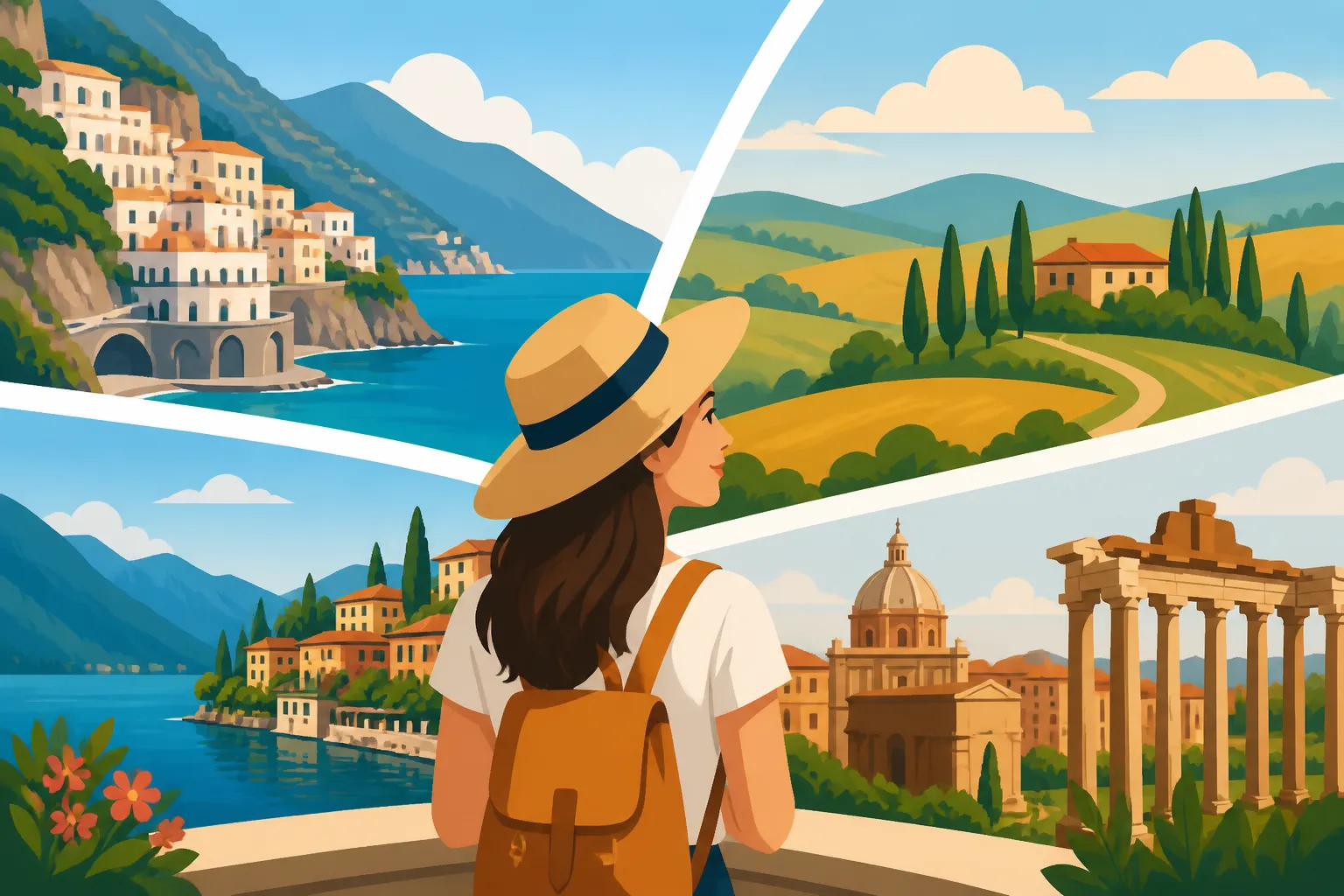
Day Trips and Weekend Getaways Across Italy
Planning a quick trip in Italy often turns into a logistical nightmare of canceled regional trains, confusing platform changes, and "ZTL" fines that show up in your mailbox six months after you've returned home. I once spent four hours stranded at a rural station in Umbria because I didn't realize the Sunday bus schedule simply ceased to exist after noon. This guide helps you navigate Italy’s best day trips and weekend getaways like a seasoned local, avoiding the administrative traps that catch most foreigners.
Disclosure: This post may contain affiliate links. We may earn a commission at no extra cost to you if you make a purchase through these links. Read full disclosure.
Master the Logistics of Short Trips in Italy
Navigating the Italian transport system requires more than just a map; it requires a healthy dose of patience and a strategic understanding of how things actually work on the ground. Most expats learn the hard way that a "fast" train doesn't always mean a "reliable" one, and the difference between a regional train and a Frecciarossa is the difference between a pleasant commute and a sweaty, standing-room-only ordeal. When planning your escape, your first step should be mastering the digital tools available. Using platforms like Omio can save you from the headache of deciphering the often-glitchy Trenitalia website, especially when you are trying to compare prices between train lines and regional bus carriers.
One of the most common mistakes newcomers make is forgetting to validate their physical tickets. If you aren't using a digital QR code on your phone, you must find the small green or yellow machines (the obliteratrice) on the platform to stamp your ticket before boarding. I’ve seen many well-meaning tourists hit with a fifty-euro fine simply because they didn't know this rule existed. To avoid this, learn How to Validate a Regional Train Ticket in Italy before you set foot on a platform. It is a small step that saves a massive amount of stress and confrontation with the conductor.
Furthermore, if you are planning to travel during the summer months, you must account for the heat and the crowds. The "riposo"—the mid-day closure of shops and even some smaller train station ticket windows—is a very real factor. Between 1:00 PM and 4:30 PM, many small-town services grind to a halt. Always check your return schedules twice, and if you are traveling on a weekend, be aware that "Festivo" schedules are significantly reduced compared to "Feriale" (weekday) ones.
Regional Trains and High-Speed Rail
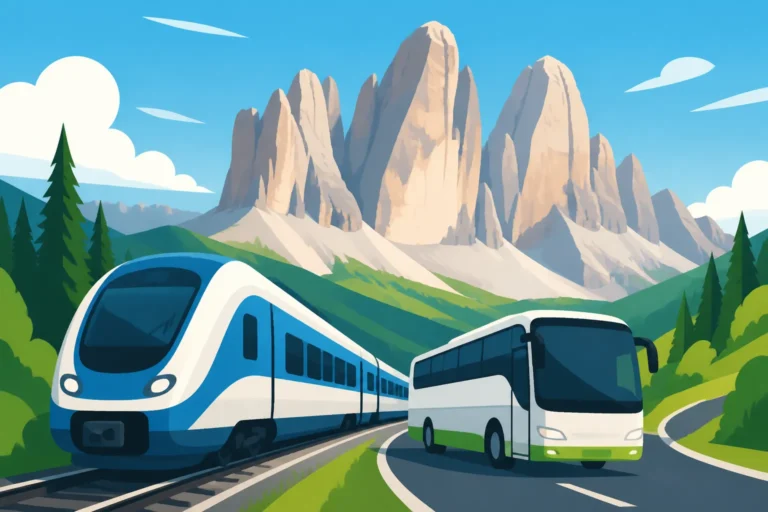
The backbone of Italian travel is the rail network, which is divided into two distinct worlds. The high-speed lines, served by Trenitalia’s Frecciarossa and the private company Italo, are the gold standard for getting between major hubs like Rome, Florence, and Milan. These trains are sleek, air-conditioned, and generally punctual. However, they require seat reservations and the prices fluctuate based on demand. For those looking to save money, it is essential to understand How to Buy Trenitalia and Italo Tickets and Save Money by booking at least a few weeks in advance.
On the other hand, the Regionale trains are the workhorses of the countryside. They don't have assigned seating, and they stop at every tiny village along the way. While they are incredibly cheap, they are also prone to delays and don't always have functioning air conditioning. If you’re taking a day trip to a place like Orvieto or Viterbo, the regional train is likely your only option. My advice is to always travel with a bottle of water and a portable charger, as these older trains rarely have power outlets.
Comparing the two can be tricky for a weekend getaway. If your goal is to maximize time, pay the premium for high-speed rail. If you want to see the rolling hills of Tuscany or the rugged coastline of Calabria, the regional lines offer a much more scenic, albeit slower, experience. To help you plan your journey efficiently, use How to Use the Trenitalia App to Plan Train Travel to track live updates on platform changes and delays, which happen more frequently than the official timetables would suggest.
Navigating the ZTL and Car Rentals
For many expats, the ultimate dream is driving through the Italian countryside in a vintage convertible. The reality is often navigating narrow, one-way streets while being blinded by confusing road signs. The most dangerous trap for any driver in Italy is the ZTL (Zona Traffico Limitato). These are restricted traffic zones in almost every city center, guarded by cameras that trigger an automatic fine the moment an unauthorized plate passes through. It doesn't matter if your hotel is inside the zone; unless they have pre-registered your rental car's plate with the local police, you will be fined.
To stay safe, you need to understand What Is a ZTL in Italy and How to Avoid Fines. Usually, the entrance to a ZTL is marked by a white circle with a red border. If you see a digital sign that says "Varco Attivo," it means the cameras are on and you should not enter. When renting a car for a weekend trip, always ask the agency for a car with a built-in GPS that warns you of these zones, or use a reliable mobile app that tracks ZTL boundaries in real-time.
Parking is another hurdle. In most Italian towns, parking lines are color-coded: white is free, blue is paid (look for the parcometro), and yellow is strictly for residents or disabled permit holders. Never park in a yellow space unless you want to see your car towed within the hour. If you are arriving from a major airport, check the specific rules for How to Get From Rome Fiumicino Airport to the City Center if you plan on picking up a car immediately upon arrival, as airport rental hubs have their own set of logistical quirks.
Timing Your Escape: The Art of the Weekend Schedule
The Italian weekend follows a specific rhythm that can catch foreigners off guard. Saturday morning is for the local market and errands, Saturday evening is for the passeggiata (the evening stroll) and dinner, and Sunday is for family and rest. If you are planning a day trip, Saturday is usually better for shopping and visiting museums, as many places have reduced hours or are closed entirely on Sunday. However, Sunday is the perfect day for a long, boisterous lunch in a rural trattoria.
Be mindful of the meal times. Unlike in the US or UK, kitchens in Italy are not open all day. Lunch is typically served from 12:30 PM to 2:30 PM, and dinner rarely starts before 7:30 PM. If you show up at a restaurant at 5:00 PM expecting a meal, you will likely be offered nothing more than a bag of chips and a drink. Understanding What Time Do Italians Eat Lunch and Dinner? is vital for a successful getaway, as hunger can quickly turn a beautiful trip into a frustrating search for food.
Lastly, consider the "Ponte" (the bridge). If a public holiday falls on a Thursday or Tuesday, Italians will often take the Friday or Monday off to create a long four-day weekend. During these times, trains will be packed, hotels on Booking.com will be sold out months in advance, and popular sites will have massive queues. If you see a holiday on the calendar, either book your travel very early or choose a less popular destination to avoid the crowds.
Enchanting Day Trips from Rome
Living in the Eternal City is a privilege, but the noise and the heat can eventually wear anyone down. Fortunately, Rome is perfectly positioned for some of the best day trips in the country. Within an hour, you can go from the chaotic streets of Prati to the volcanic lakes of the north or the sparkling Tyrrhenian Sea to the west. Many of these locations are accessible via the regional FL lines, making them incredibly affordable for those of us on an expat budget.
For a comprehensive list of nearby escapes, I highly recommend checking out Best Day Trips From Rome by Train. This resource breaks down the specific platforms at Termini or Tiburtina and gives you a realistic idea of travel times. One thing to remember: Rome's public transport can be erratic. Always leave an extra twenty-minute buffer when heading to the station, especially if you are relying on the city's bus network to get you to your train.
The Lakeside Charm of Bracciano and Viterbo
Lake Bracciano is a volcanic lake about an hour north of Rome, and it is a breath of fresh air. The town of Bracciano itself is dominated by the Orsini-Odescalchi Castle, one of the best-preserved feudal fortresses in Italy. It’s where celebrities often get married, but for us mortals, it offers a fascinating look at Renaissance life and breathtaking views of the water below. After visiting the castle, walk down to the lake shore (the lungolago) for a lunch of fresh lake fish and local white wine.
Further north on the same train line is Viterbo, often called the "City of the Popes." This medieval gem was the seat of the papacy in the 13th century and retains its incredibly atmospheric San Pellegrino quarter. Walking through its narrow stone alleys feels like stepping back into the Middle Ages. Viterbo is also famous for its thermal baths, like the Terme dei Papi. You can spend the morning exploring the history and the afternoon soaking in sulfurous waters that have been used since Roman times.
The logistics for this trip are straightforward. You take the FL3 line from stations like Roma Ostiense or Roma Trastevere. It’s a slow train, but it winds through some lovely countryside. Just make sure you check the return times for the evening, as the frequency of trains drops significantly after 8:00 PM. If you decide to stay overnight, you can find charming stone guesthouses on Booking.com that offer a much more peaceful experience than any hotel in central Rome.
Tivoli’s Renaissance Gardens and Roman Ruins
Tivoli is perhaps the most famous day trip from Rome, and for good reason. It is home to two UNESCO World Heritage sites: Villa d'Este and Hadrian's Villa (Villa Adriana). Villa d'Este is a masterpiece of the Italian Renaissance, famous for its terrace gardens and hundreds of intricate fountains powered entirely by gravity. The sight of the "Organ Fountain" playing music through water pressure is something you won't forget.
Hadrian's Villa, located a short bus ride from the town center, is a massive archaeological complex built by the Emperor Hadrian in the 2nd century. It was intended to be a retreat from Rome, and it essentially functioned as a small city. It is significantly more rugged than the manicured gardens of Villa d'Este, so wear comfortable walking shoes and bring plenty of sunscreen, as there is very little shade among the ruins.
Getting to Tivoli can be done by train from Roma Tiburtina or by the blue Cotral bus from the Ponte Mammolo metro station. I personally prefer the bus because it drops you closer to the town center, but the train is more comfortable if you can time the express schedule right. Since Tivoli is a high-traffic tourist area, keep an eye on your belongings; it is worth reading up on How to Avoid Pickpockets in Italy's Tourist Areas before you get caught up in the crowd at the entrance to the villas.
The Coastal Retreat of Santa Marinella
When the Roman summer hits 40 degrees, there is only one logical destination: the beach. While Ostia is closer, Santa Marinella is often preferred by locals for its cleaner water and more relaxed vibe. It is a classic Italian seaside town, lined with "Stabilimenti" (private beach clubs) where you can rent an umbrella and a sun lounger for the day. The beach is a mix of sand and rock, and the water is remarkably clear for being so close to a major city.
The train ride from Roma Termini or San Pietro takes about 45 to 60 minutes. Once you step off the train, the sea is a mere five-minute walk away. For lunch, skip the overpriced tourist spots on the main road and head to the small stalls near the harbor for a frittura di paranza (mixed fried fish). It is simple, fresh, and perfectly encapsulates the Italian summer experience.
If you are a fan of history even at the beach, a short bus or taxi ride away is the Castle of Santa Severa. This fortress sits right on the sand and houses a museum dedicated to the ancient maritime history of the region. It is one of the few places in Italy where you can sunbathe in the shadow of a medieval tower. If you plan on taking tours of these historic sites, using GetYourGuide can help you skip the lines, which can be brutal in the July heat.
Northern Escapes from Milan and Venice
Northern Italy offers a completely different aesthetic from the sun-drenched south. Here, the mountains meet the plains, and the cities are hubs of fashion, finance, and ancient maritime history. Whether you are based in Milan or Venice, the surrounding regions are packed with lakes, medieval hilltop towns, and islands that feel world's away from the bustling city centers.
The transport infrastructure in the north is generally more efficient than in the south, but it is still subject to the occasional "sciopero" (strike). Always check the local news or the Trenord website if you are traveling around Lombardy. For those staying in the fashion capital, a weekend getaway can be easily organized through Booking.com, which features many boutique options in the smaller towns surrounding the Great Lakes.
Lake Como and the Alpine Foothills
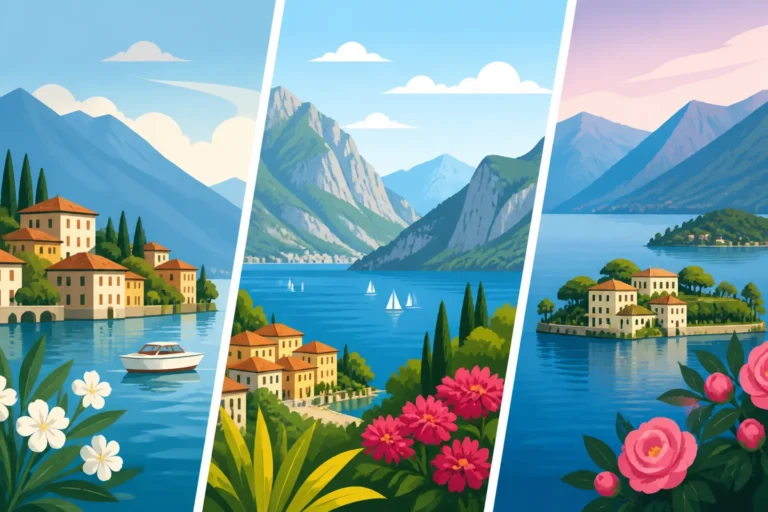
Lake Como is iconic, and while it attracts the Hollywood elite, it remains accessible for a day trip from Milan. The most common route is the train from Milano Centrale to the town of Varenna. From Varenna, you can take a ferry to Bellagio or Menaggio, creating a "golden triangle" tour of the mid-lake region. The views of the Alps reflected in the deep blue water are spectacular, especially in the spring when the azaleas and rhododendrons are in bloom.
For a more "local" experience, consider taking the train to the city of Como itself. From there, you can ride the funicular up to the village of Brunate. The ride is steep, but it provides a panoramic view of the lake and the distant Swiss mountains. It is a popular spot for hiking, with several trails leading to historic lighthouses and mountain huts where you can get a hearty polenta lunch.
Logistically, the ferries are your primary mode of transport on the lake. They are efficient but can be confusing for first-timers. There are slow ferries and fast "aliscafo" (hydrofoil) services. If you want to see the grand villas from the water, the slow ferry is much better for photography. Be sure to validate your ferry ticket just like you would a train ticket, as inspections are frequent and unforgiving.
The Medieval Splendor of Bergamo Alta
Many people only see the Bergamo airport (BGY) when flying on a budget airline, which is a massive mistake. The city is divided into two parts: Bergamo Bassa (the modern lower city) and Bergamo Alta (the medieval upper city). Bergamo Alta is enclosed by massive Venetian walls that are now a UNESCO World Heritage site. You can reach the upper city via a charming 19th-century funicular that departs from the lower town.
Once inside the walls, the Piazza Vecchia is the heart of the city. It is surrounded by historic buildings like the Palazzo della Ragione and the stunning Basilica of Santa Maria Maggiore. The atmosphere is sophisticated and quiet, a sharp contrast to the frantic energy of Milan. Don't leave without trying the local pasta specialty, Casoncelli alla Bergamasca, which are stuffed pasta shells served with sage, pancetta, and melted butter.
Bergamo is only 45 minutes by train from Milan, making it one of the easiest day trips you can take. It is also a great base for exploring the nearby San Pellegrino Terme if you have a full weekend. The city is incredibly walkable, but be prepared for some steep inclines and uneven cobblestones. If you're sensitive to the "Coperto" fee, you'll find it alive and well here; learn What Is the Coperto on an Italian Restaurant Bill? so you aren't surprised when the bill is a few euros more than you calculated.
Island Hopping in the Venetian Lagoon
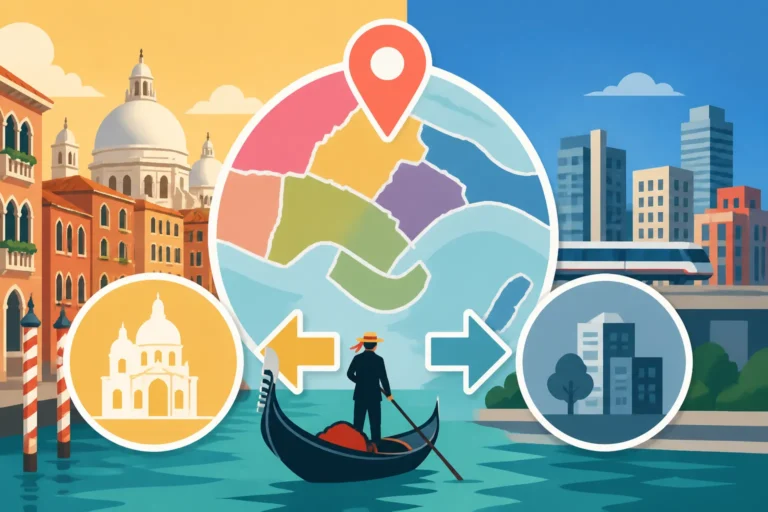
Venice is more than just the Grand Canal and Piazza San Marco. To truly understand the history of this maritime republic, you have to get out onto the lagoon. The three most famous islands—Murano, Burano, and Torcello—each offer a unique experience. Murano is world-renowned for its glass-blowing tradition, Burano for its lace-making and vibrantly colored houses, and Torcello for its ancient cathedral and quiet, marshy landscapes.
The best way to see the islands is by purchasing a 24-hour Vaporetto pass. This allows you to hop on and off the water buses as much as you like. Start early at Torcello to avoid the crowds, then head to Burano for a lunch of Bussolà (local butter cookies) and fresh seafood. Burano is a photographer's dream; the residents are required to paint their houses specific colors, creating a rainbow effect that is stunning even on a cloudy day.
Be warned that the Vaporettos can get incredibly crowded, and the ride out to Burano takes about 45 minutes from the main part of Venice. If you are prone to seasickness, the lagoon is usually calm, but the larger boats can rock a bit in the wake of passing ships. Since you'll be spending a lot of time on the water, check the weather forecast carefully. To understand the best timing for your visit, read Is It Too Hot to Visit Southern Italy in August? and apply the logic to the humid north, where the heat can feel just as oppressive.
Comparison of Top Regional Getaways
| Region | Primary Hub | Top Destination | Travel Time | Recommended Transport | Best For |
|---|---|---|---|---|---|
| Lazio | Rome | Tivoli | 45-60 min | Train/Bus | Art & Gardens |
| Lombardy | Milan | Lake Como | 60 min | Train/Ferry | Scenery & Relaxation |
| Tuscany | Florence | Lucca | 80 min | Train | Biking & History |
| Campania | Naples | Procida | 40-60 min | Ferry | Island Vibes |
| Veneto | Venice | Burano | 45 min | Vaporetto | Photography & Food |
Tuscan Treasures from Florence
Florence is the jewel of the Renaissance, but it is also the perfect jumping-off point for exploring the heart of Tuscany. While many people dream of driving through the countryside, the regional train network actually connects some of the most beautiful towns in the region without the need for a rental car. This is a huge advantage for those who want to enjoy a glass of Chianti with lunch without worrying about the strict Italian driving laws.
If you do decide to rent a car to explore the more remote villas, it’s worth reading How to Plan a Road Trip Through Tuscany and Umbria to understand the best routes. However, for most day trips, the "treno regionale" is your best friend. Just remember to pack light; Italian train stations often involve many stairs and very few elevators.
The Towers of San Gimignano and Chianti Hills
San Gimignano is the "Manhattan of the Middle Ages," famous for its skyline of medieval towers. At its height, the town had over 70 towers built by rival families to show off their wealth. Today, fourteen remain, and you can climb the Torre Grossa for a view that spans the entire Val d'Elsa. The town is also famous for its white wine, Vernaccia di San Gimignano, which is a crisp alternative to the red-heavy wine lists of the rest of Tuscany.
Getting to San Gimignano by public transport is a two-step process. You take a train from Florence to Poggibonsi, and from there, a local bus takes you up the hill to the town gates. It sounds complicated, but the bus and train schedules are usually synchronized. The reward is walking through a town that feels perfectly preserved in amber.
For those looking to explore the Chianti hills more broadly, many tour operators on GetYourGuide offer small-group wine tastings that depart from Florence. This is often the best way to see the smaller "borghi" like Castellina or Radda in Chianti, which are difficult to reach by train. If you go on your own, remember that everything closes during the mid-day heat, so plan your vineyard visits for the late afternoon.
Lucca’s Renaissance Walls and Historic Center
Lucca is one of the most beloved cities in Tuscany, specifically because it is so livable. Unlike the steep hills of Siena or San Gimignano, Lucca is flat, making it the perfect city for cycling. Its most famous feature is the massive Renaissance walls that completely encircle the city. These walls were converted into a public park in the 19th century, and today, you can rent a bike and ride the entire 4-kilometer loop while looking down into the historic gardens and rooftops.
Inside the walls, the city is a maze of Romanesque churches and hidden piazzas. The Piazza dell'Anfiteatro is built on the ruins of a Roman amphitheater, retaining its unique elliptical shape. Lucca is also the birthplace of the composer Puccini, and you can visit his home or attend nightly opera performances in the San Giovanni church.
The train from Florence to Lucca takes about an hour and twenty minutes. It is a direct route that runs frequently throughout the day. Lucca is a great destination for families because it is largely car-free and the walls provide a safe space for children to run and play. Before you go, make sure you know How to Get Tickets for the Uffizi Gallery in Florence if you plan on visiting the big museums in Florence on either side of your Lucca trip.
Arezzo: Antiquities and Cinematic History
Arezzo is often overlooked in favor of its more famous neighbors, but it is a treasure trove for fans of art and film. It was the primary filming location for Roberto Benigni’s Oscar-winning film Life is Beautiful. The sloping Piazza Grande is one of the most beautiful squares in Italy, and it hosts a massive antiques fair on the first weekend of every month. If you are a collector, this is the place to find everything from Renaissance furniture to vintage Italian jewelry.
Arezzo is also home to the Basilica of San Francesco, which contains Piero della Francesca’s fresco cycle, The Legend of the True Cross. This is considered one of the greatest masterpieces of the Renaissance, but access is strictly limited. You must book your time slot in advance, especially during the peak summer season.
The train ride from Florence is quick—only about an hour on the regional line. Arezzo feels much more like a "working" city than a tourist hub, which means the prices for food and coffee are generally lower than in Florence. It is an excellent place to experience a real Italian Sunday, where the locals come out in their best clothes for the afternoon stroll. Just be aware of the dining hours; Arezzo stays traditional, so don't expect to find a late lunch at 3:00 PM.
Southern Italian Gems from Naples
Naples is the chaotic, energetic heart of the Italian south. While the city itself is a masterpiece of Baroque architecture and street food, it is also the gateway to some of the most significant archaeological sites and beautiful islands in the world. Traveling in the south requires a bit more flexibility; the "Circumvesuviana" train that takes you to Pompeii, for example, is notorious for its lack of air conditioning and frequent delays.
When planning your southern escapes, Booking.com is particularly useful for finding "Agriturismi" (farm stays) in the hills above the Amalfi Coast. These offer a much-needed respite from the intensity of Naples. Also, be prepared for the heat; the southern sun is relentless, and many of the top sites offer very little shade.
The Ruined Splendor of Pompeii and Herculaneum
No trip to Naples is complete without visiting the cities frozen in time by the eruption of Mt. Vesuvius in 79 AD. Pompeii is the larger and more famous site, a massive city where you can walk through amphitheaters, villas, and even ancient snack bars. Because of its size, it can be overwhelming. I highly recommend focusing on a few specific areas, like the Villa of the Mysteries and the Forum, to avoid "ruin fatigue."
Herculaneum, though smaller, is often better preserved. Because it was buried by a different type of volcanic material, many of the upper stories of the buildings—and even some of the wooden furniture—survived. It is much easier to navigate in a half-day and is generally less crowded than Pompeii. You can reach both sites via the Circumvesuviana train from Naples' Garibaldi station.
A crucial tip for visiting Pompeii: buy your tickets online in advance through GetYourGuide or the official site to avoid the massive ticket lines at the entrance. Also, bring a refillable water bottle; there are ancient Roman fountains throughout the site that still provide cold, drinkable water.
Procida: The Color-Drenched Alternative to Capri
While everyone flocks to Capri and Ischia, the tiny island of Procida remains a bit of a hidden gem for expats. It was the Italian Capital of Culture in 2022, but it still feels like a quiet fishing village. The most iconic sight is the Marina di Corricella, a cluster of houses painted in pastel pinks, yellows, and blues that tumble down to the turquoise water. There are no cars allowed in this part of the island, and the silence is punctuated only by the sound of fishing boats.
You can reach Procida by ferry or hydrofoil from the Molo Beverello or Calata Porta di Massa ports in Naples. The fast ferry takes about 40 minutes. Once you arrive, you can walk across the entire island in about an hour. It is a place for slow travel—sit by the harbor, enjoy a Lingua di Procida (a lemon-cream pastry), and watch the world go by.
Procida is much more affordable than Capri, and the food is focused on what the fishermen catch that morning. Try the lemon salad—a local specialty made with the island's unique, large, sweet lemons. It is incredibly refreshing on a hot day. For more tips on coastal travel, check out How to Plan a Road Trip Through Puglia if you are considering extending your southern journey further east.
Caserta: The Italian Versailles
The Royal Palace of Caserta (Reggia di Caserta) is one of the largest buildings erected in Europe during the 18th century. Built for the Bourbon kings of Naples, it was intended to rival Versailles in scale and splendor. The palace has over 1,200 rooms, including a private theater and a massive library. However, the true highlight is the park, which stretches for three kilometers and features a series of monumental fountains and a stunning English Garden.
Getting to Caserta is incredibly easy; the train station is directly across the street from the palace entrance. The ride from Naples takes about 40 minutes on a regional train. Because the park is so vast, you can rent bicycles near the entrance or take a shuttle bus to the top of the Great Cascade. It is a perfect day trip for those who want to experience royal history without the crush of people found in central Naples.
When visiting Caserta, remember that the gardens are open every day, but the palace interior is closed on Tuesdays. Like many Italian monuments, the Reggia uses a timed entry system, so booking in advance is essential. After your visit, the modern city of Caserta offers plenty of great pizzerias where you can enjoy a meal before heading back to Naples.
Weekend Getaways: Exploring Regional Heartlands
When you have more than a single day, Italy’s regional heartlands offer deep dives into culture and gastronomy that you just can't get in a quick afternoon visit. These areas—Emilia-Romagna, Umbria, and Liguria—each have a distinct personality and require at least a Friday-to-Sunday itinerary to truly appreciate.
For these longer trips, I recommend using Booking.com to find central accommodations. Staying in the heart of a medieval town allows you to experience the city after the day-trippers have left, which is often when the most magical moments happen. You'll find that the service in local restaurants becomes much more personal when they realize you are staying for the weekend.
Emilia-Romagna: A Deep Dive into Italian Food
If you love Italian food, Emilia-Romagna is your mecca. This region is the birthplace of Parmigiano Reggiano, Prosciutto di Parma, Traditional Balsamic Vinegar of Modena, and Ragù alla Bolognese. A weekend here usually starts in Bologna, the region's capital, known as "La Grassa" (The Fat One). Spend your Saturday exploring the Quadrilatero, the ancient market district, where the shop windows are overflowing with handmade tortellini and cured meats.
On Sunday, take a short train ride to either Parma or Modena. In Modena, you can visit the Enzo Ferrari Museum or take a tour of an Acetaia to see how balsamic vinegar is aged for decades in wooden barrels. In Parma, the Romanesque cathedral and the pink marble baptistery are world-class art sites that are often completely empty compared to the museums in Florence.
The infrastructure in Emilia-Romagna is excellent. The high-speed rail line connects Bologna to Milan and Florence in under 40 minutes, making it a very easy weekend escape. The region is also flat, which is a relief for your legs after climbing the hills of Tuscany. If you are a foodie, this weekend will be the highlight of your time in Italy, but be sure to book your restaurant tables well in advance.
Umbria: The Green Heart of the Peninsula
Umbria is often described as Tuscany’s quieter, more spiritual sister. It is a land of rolling green hills, dense forests, and hilltop towns that seem to grow directly out of the rock. Assisi is the most famous destination, the birthplace of St. Francis. The Basilica of San Francesco is a breathtaking site, with frescoes by Giotto that changed the course of Western art. Even if you aren't religious, the peace and beauty of Assisi are deeply moving.
Another great weekend hub is Perugia, a vibrant university city with a dark, medieval heart. The underground city (Rocca Paolina) is a series of medieval streets that were buried when a Renaissance fortress was built on top of them; today, they house escalators that whisk you from the lower city to the main piazza. Nearby Orvieto, with its golden cathedral and ancient Etruscan wells, is another must-see that can be reached easily by train from Rome.
Umbria is best explored by car if you want to see the smaller villages like Bevagna or Spello, but the train line between Rome and Florence stops at several major Umbrian hubs. It is a region that rewards slow travel. Instead of rushing from town to town, pick one base and spend your time enjoying the local olive oil, black truffles, and Sagrantino wine.
The Italian Riviera: Liguria’s Coastal Magic
Liguria is a narrow crescent of land between the mountains and the sea, famous for the Cinque Terre. While the five villages are stunning, they are also incredibly crowded. A savvy expat weekend getaway might involve staying in the town of Santa Margherita Ligure or Camogli instead. These towns offer the same colorful architecture and delicious pesto, but with a fraction of the tourists. From Camogli, you can take a ferry to the San Fruttuoso Abbey, a medieval monastery hidden in a tiny cove that is only accessible by boat or on foot.
If you do want to see the Cinque Terre, the "Cinque Terre Express" train runs between La Spezia and Levanto, stopping at all five villages. It is a logistical feat, and you should definitely read How to See the Cinque Terre Villages in One Day to make the most of it. My advice is to hike one section of the trail—the stretch between Vernazza and Corniglia is particularly beautiful—and then use the train or ferry for the rest.
Liguria is the home of focaccia, and you haven't lived until you've had a warm slice of Focaccia di Recco (stuffed with melted cheese) for breakfast. The region is steep, so be prepared for a lot of stairs. It is also one of the more expensive parts of Italy, so use Booking.com to compare prices between the more famous towns and their quieter neighbors.
Essential Gear and Practical Tips for Italian Travelers
Before you head out on your first Italian getaway, there are a few practicalities that can make or break your trip. Italian travel is a sensory experience, but it also demands a bit of "tactical" planning to deal with the uneven infrastructure and the quirks of local etiquette.
Packing for Micro-Climates
Italy’s geography means that the weather can change drastically over a short distance. A sunny morning in Florence can turn into a chilly, damp afternoon as you climb into the Apennines or head toward the coast. Always pack a "sciarpa" (scarf)—it is the quintessential Italian accessory for a reason. It protects you from the "colpo d'aria" (the draft), which Italians believe is the source of all illness, and it serves as a respectful shoulder covering when entering churches.
Footwear is your most important choice. Do not bring brand-new shoes on a weekend trip. The cobblestones (sampietrini) in Rome and the steep alleys of hilltop towns will punish your feet. Bring broken-in sneakers with good grip. If you are heading to the coast, remember that many Italian beaches are rocky, so a pair of lightweight water shoes can be a lifesaver.
Managing the "Coperto" and Local Etiquette
When you sit down at a restaurant in Italy, you will often see a charge for "Coperto" on the bill. This is not a tip; it is a standard cover charge for the bread, the tablecloth, and the service. It usually ranges from 1 to 3 euros per person. Because of this, tipping is not expected in the same way it is in the US. A small amount of change or rounding up the bill is appreciated but never required.
Also, be mindful of the "Bar" culture. In many places, the price for a coffee or a pastry is significantly lower if you consume it standing at the counter (al banco) than if you sit at a table (al tavolo). If you are on a budget, do as the locals do: drink your espresso in three quick sips at the bar and move on. If you want to linger for an hour with a book, be prepared to pay the "service" premium for the table.
Booking Smart: Handling Last-Minute Reservations
While Italy is the land of "dolce far niente" (the sweetness of doing nothing), its tourism industry is highly structured. For major sites like the Colosseum or the Uffizi, last-minute tickets are almost non-existent during the high season. Use GetYourGuide to secure your spots at least a week in advance. For accommodation, Booking.com’s mobile app is great for finding "last minute" deals, but in peak summer, "last minute" usually means "no availability."
If you find yourself without a reservation, look for "Affittacamere" or "Locande." These are small, often family-run guesthouses that might not be on the major booking platforms but have signs in their windows. It’s a bit of a gamble, but it can lead to some of the most authentic experiences of your trip. Just make sure you have enough cash, as these smaller spots often don't accept international credit cards.
Disclaimer
This guide is intended for informational purposes only. Travel conditions, train schedules, and local regulations in Italy can change frequently and without notice. While we strive to provide accurate and up-to-date information, readers are encouraged to verify specific details, such as visa requirements and site opening hours, through official government and transport websites before traveling. The author and publisher are not responsible for any inconveniences or financial losses incurred during your travels.