How to Hike Safely in Italy’s Summer Heat
Italy’s summer beckons with its stunning landscapes, from the rolling hills of Tuscany to the dramatic cliffs of the Amalfi Coast and the rugged beauty of the Dolomites. It’s easy to dream of long, sun-drenched hikes through vineyards and ancient paths, but the reality of Italy’s summer heat can be brutally challenging, even dangerous, for the unprepared. This guide is here to walk you through the essential steps to ensure your summer hiking adventures in Italy are safe, enjoyable, and memorable for all the right reasons.
Disclosure: This post may contain affiliate links. We may earn a commission at no extra cost to you if you make a purchase through these links. Read full disclosure.
The Allure and Reality of Summer Hiking in Italy
There’s something undeniably romantic about hiking under the Italian sun, isn’t there? The golden light, the scent of pine and olive trees, the promise of a refreshing gelato at the end of the trail. But as someone who’s lived through countless Italian summers, I can tell you that the allure often overshadows the very real dangers of high temperatures, especially when you’re exerting yourself. The same sun that makes Italy so beautiful can quickly become your adversary.
The Double-Edged Sword of Italian Summers
Italian summers, particularly from June through August, are characterized by intense heat and often high humidity, especially in central and southern regions. While places like the Dolomites offer some reprieve with their higher altitudes, even mountain trails can become surprisingly warm, and the sun’s intensity is no joke. Popular coastal trails, such as those in the Cinque Terre or along the Amalfi Coast, are notorious for their steep climbs, lack of shade, and crowded conditions, all of which amplify the effects of the heat. You might start your hike feeling great, but without proper planning and precautions, dehydration and heat exhaustion can creep up on you much faster than you’d expect. The landscapes are breathtaking, but they demand respect for their climatic conditions.
Common Misconceptions About Heat and Hiking
Many of us arrive in Italy from climates where summer heat might mean a comfortable 25-30°C. In Italy, especially inland areas like Florence or Rome, or even the sun-baked trails of Puglia, temperatures can easily soar into the mid to high 30s (°C), sometimes even hitting 40°C or more. Add in physical exertion, and your body is working overtime. A common misconception is that a few sips of water here and there will suffice, or that a hat is all the sun protection you need. This simply isn't true. The dry air in some regions can make you feel less sweaty, giving a false sense of security about your hydration levels, while the relentless sun can cause sunburn even through light cloud cover. It's not just about feeling hot; it's about how your body struggles to regulate its core temperature under these extreme conditions.
Essential Gear and Preparation for Hot Weather Hikes
Being well-prepared isn't just about comfort; it's about safety. When tackling Italian trails in the summer, your gear choices are critical. Think light, breathable, and protective. This isn't the time to skimp on quality or overlook seemingly minor details.
Hydration: More Than Just Water
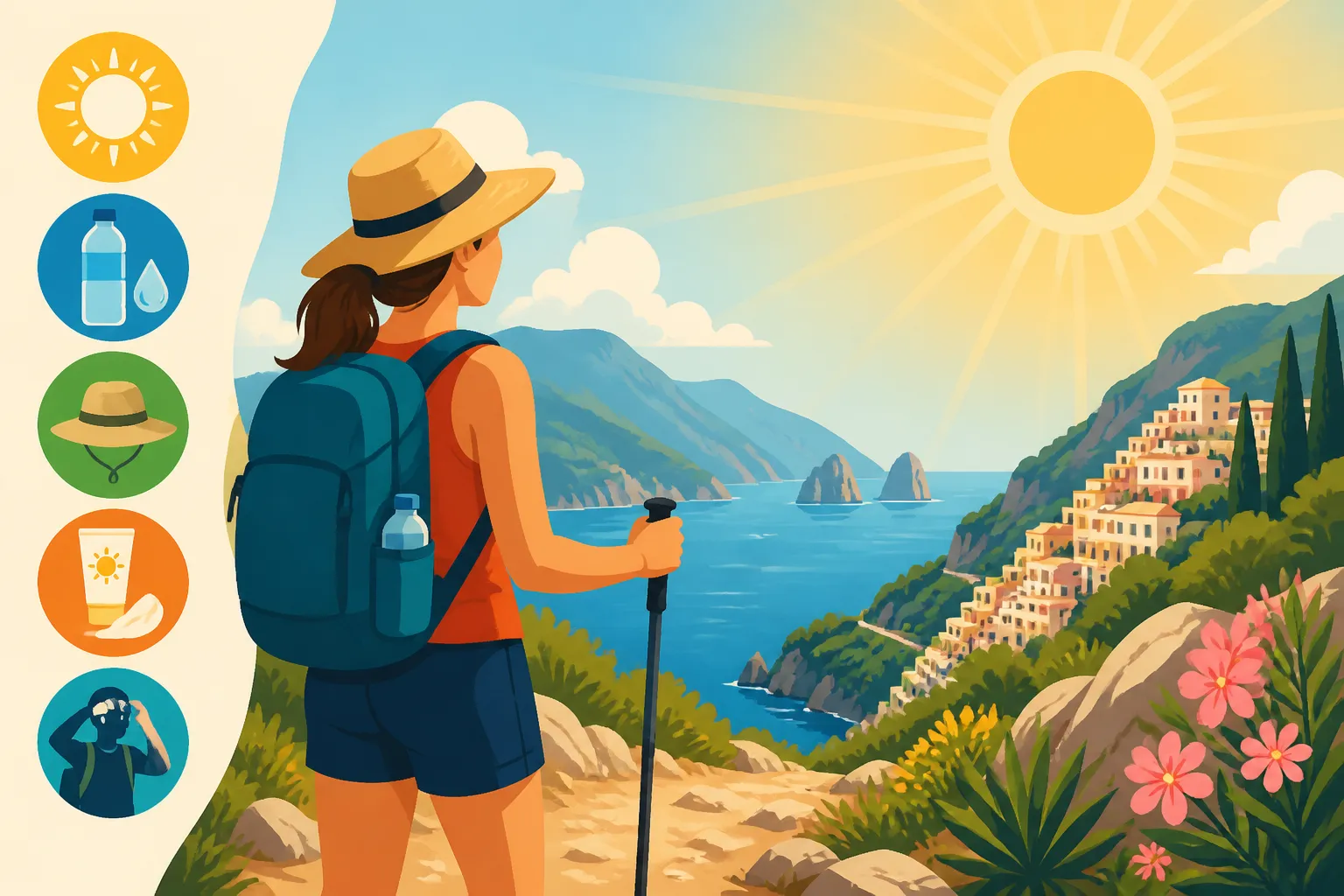
This is paramount. You need to carry significantly more water than you think you will, and not just plain tap water. Electrolyte drinks, or electrolyte tablets to add to your water, are essential to replenish the salts and minerals your body loses through sweat. Aim for at least 2-3 liters for a moderate half-day hike, and considerably more for longer excursions. Start hydrating before you even hit the trail, and continue to sip regularly, not just when you feel thirsty. A good rule of thumb is to drink a small amount every 15-20 minutes. Consider bringing a hydration pack or multiple water bottles, ensuring easy access. Many trails may have natural springs or fountains (fontanelle) – often marked on maps – but never rely solely on these, as they can sometimes be dry in summer or not potable.
Dressing for Success: Breathable and Protective Clothing
Your clothing acts as your first line of defense against the sun and heat. Opt for light-colored, loose-fitting, and moisture-wicking fabrics. Cotton, while seemingly cool, actually absorbs sweat and stays wet, potentially causing chafing and making you feel hotter and heavier. Technical fabrics designed for hiking will pull moisture away from your skin, helping it evaporate and keeping you cooler. Long sleeves and trousers, made from UPF-rated fabric, are often better than shorts and t-shirts, as they protect your skin from direct sun exposure, reducing the risk of sunburn and minimizing the amount of sunscreen you need to apply.
Footwear and Sun Protection
Proper footwear is non-negotiable. Even on seemingly easy trails, the ground can be uneven, rocky, and slippery, especially with loose scree. Choose breathable hiking shoes or boots with good ankle support and sturdy grip. Blisters are no fun at any time, but in the heat, they can become a serious issue. Wear moisture-wicking socks.
Beyond clothing, invest in excellent sun protection. A wide-brimmed hat is far superior to a baseball cap, as it protects your ears and neck. High-SPF sunscreen (at least SPF 30, preferably 50+) should be applied generously to all exposed skin and reapplied every two hours, or more frequently if you’re sweating heavily. Don't forget your lips! Sunglasses with UV protection are also crucial to protect your eyes from the harsh Italian glare.
Strategic Planning: Timing, Routes, and Local Insights
You wouldn't just jump into the Colosseum without a ticket, would you? The same applies to Italian trails in summer. Planning is key to mitigating risks. Think about when and where you hike, and always consult local knowledge.
Best Times of Day and Seasons to Hike
During the peak summer months (July and August), the best time to hike is usually at sunrise or in the very early morning, finishing by 10 or 11 AM at the absolute latest. Afternoon hikes are generally a no-go, especially in open, exposed areas, as this is when the sun is at its most intense. If you must hike in the afternoon, consider a short, shaded trail at higher altitudes. Evening hikes can also be pleasant once the sun starts to dip, but ensure you have headlamps and are familiar with the route, as Italian trails are rarely lit.
For extended or more challenging hikes, seriously consider visiting in the shoulder seasons – late spring (April-May) or early autumn (September-October). The temperatures are much more forgiving, and you’ll still enjoy beautiful weather without the oppressive heat and larger crowds. You might find some excellent ideas in resources like Seasonal Italy: When to Visit and What's On.
Choosing the Right Trail: Shade, Water Sources, and Difficulty
When selecting a trail, prioritize those with ample shade, especially during the hottest parts of the day. Forested paths, river walks, or trails at higher elevations are preferable. Look for routes that indicate reliable water sources, though again, always carry your own primary supply. Be realistic about your fitness level. Italian trails, even those rated "easy," can often involve significant elevation changes. A trail that might be moderate in a cooler climate can become extremely challenging and risky under intense heat. If you're planning a trip to a famous area like the Cinque Terre, be aware that many of those iconic paths are heavily exposed. Choosing between The Amalfi Coast and Cinque Terre: Choosing Your Coast often involves weighing these factors.
Leveraging Technology and Local Wisdom
Before heading out, download offline maps of your chosen trail using apps like AllTrails or Komoot, as cell service can be spotty in remote areas. A portable power bank for your phone is also a smart move, especially given that using your phone for navigation can quickly drain its battery. Checking weather forecasts is non-negotiable.
Don't underestimate the value of local knowledge. Ask at your accommodation, local tourist information offices, or even a local barista for advice on current trail conditions, water availability, and any specific hazards. They often have invaluable, real-time insights. For longer journeys to reach trailheads, services like Omio can help you book trains or buses to ensure you arrive refreshed and ready to hike. If you prefer a more structured experience, GetYourGuide often lists guided hiking tours where local experts will lead you, sometimes offering routes specifically designed to avoid the worst of the summer sun.
Recognizing and Responding to Heat-Related Illnesses
Even with the best preparation, the heat can sometimes get the better of you. It's crucial to know the signs of heat-related illnesses and how to react. This isn't just about discomfort; it's about preventing a life-threatening situation.
Understanding Heat Exhaustion and Heatstroke
Heat exhaustion is the body’s response to an excessive loss of water and salt, usually through profuse sweating. Symptoms include heavy sweating, cold, clammy skin (despite the heat), faintness, dizziness, fatigue, a weak but rapid pulse, muscle cramps, and nausea or vomiting. If you or a hiking partner experience these, it's a serious warning.
Heatstroke, however, is a medical emergency. It occurs when the body can no longer control its temperature, and it rises rapidly. Symptoms include a body temperature of 40°C (104°F) or higher, hot, red, dry or moist skin (sweating may have stopped), a strong and rapid pulse, throbbing headache, dizziness, confusion, slurred speech, unconsciousness, and convulsions. This requires immediate medical attention.
First Aid and Emergency Protocols
If you suspect heat exhaustion, stop hiking immediately. Move to a cool, shaded area. Lie down with your feet slightly elevated. Loosen any tight clothing. Drink cool, not ice-cold, water or an electrolyte solution in small sips. Apply cool, wet cloths to your skin, especially your forehead, neck, armpits, and groin. If symptoms don't improve within an hour, or if they worsen, seek professional medical help.
If you suspect heatstroke, this is a medical emergency. Call 112 (Italy’s unified emergency number) immediately. While waiting for help, move the person to the coolest possible area, remove excess clothing, and try to cool them down rapidly. Use cool, wet cloths, apply ice packs to the armpits and groin, or even immerse them in cool water if available. Do not give them fluids if they are unconscious or confused. You can learn more about Emergency Medical Services in Italy: 112 and Hospitals for comprehensive information.
Seeking Local Medical Assistance
For less severe issues that still require attention, or if you need to consult a doctor, Italy has a robust healthcare system. Local farmacie (pharmacies) are often a good first point of contact for minor ailments, advice on rehydration salts, or even to point you towards a local doctor. Many pharmacists speak English. For more serious concerns, you might need to find a local guardia medica (after-hours doctor service) or a Pronto Soccorso (Emergency Room) at a hospital. If you're staying in a hotel booked via Booking.com, the staff there can often help you locate the nearest medical facility. Understanding Finding Doctors and Hospitals in Italy can be very useful for expats and tourists alike.
Hydration and Nutrition on the Trail
Beyond just drinking water, what you eat and how you plan your hydration strategy throughout your hike is crucial. It's about maintaining a balance that allows your body to perform without overheating.
Electrolytes and Salty Snacks
Water alone isn’t enough when you're sweating profusely. Your body loses electrolytes – sodium, potassium, and magnesium – which are vital for nerve and muscle function. Replenishing these is key. Pack electrolyte tablets or powders to mix with your water, or bring sports drinks. Additionally, salty snacks are your friend. Pretzels, salted nuts, dried fruit, or even small packets of crackers can help replace sodium. Avoid sugary snacks that can lead to a quick energy spike followed by a crash, exacerbating fatigue in the heat. Think about sustained energy.
Planning for Water Refills
Always have a clear plan for refilling water. Don’t assume there will be potable water sources along every trail. If you know there's a fontanella or a village where you can buy more water, factor this into your route and carry purification tablets or a filter as a backup. When planning your route, check maps for water points. Many apps and guidebooks highlight these. If you're hiking in a particularly remote region, perhaps in parts of the Gran Paradiso National Park or the Dolomites, you might consider carrying a larger capacity hydration bladder or even two smaller ones to distribute the weight and ensure you have enough.
Comparison of Hydration Strategies for Summer Hiking in Italy
| Strategy | Pros | Cons | Best Use Case |
|---|---|---|---|
| Plain Water | Readily available, free, keeps you hydrated. | Does not replenish electrolytes lost through sweat, can lead to hyponatremia. | Short, low-intensity hikes; supplement with electrolytes. |
| Electrolyte Drinks | Replenishes electrolytes, aids hydration, helps prevent cramps. | Can be heavy to carry, sometimes sugary, may have artificial ingredients. | Moderate to long hikes, high sweat rate, pre-hike hydration. |
| Electrolyte Tablets | Lightweight, easy to carry and mix, customizable concentration. | Some brands have a strong taste, can be forgotten. | All hikes, especially when space/weight is a concern. |
| Salty Snacks | Replenishes sodium, provides energy, enjoyable to eat. | Limited electrolyte range, not a primary hydration source. | Supplement to electrolyte drinks/water on any hike. |
| Water Filter/Purifier | Allows refilling from natural sources, reduces carried weight. | Requires available water sources, initial cost, maintenance. | Multi-day hikes, remote areas, unreliable water points. |
Post-Hike Recovery in the Italian Heat
The hike isn't truly over until you've safely recovered. The lingering effects of heat and exertion can still pose a risk, and proper recovery is crucial for your overall well-being and to enjoy the rest of your Italian adventure.
Cooling Down and Rehydrating
Once you're done with the physical exertion, the first priority is to cool down gradually and continue rehydrating. Avoid immediately jumping into a freezing shower, as this can shock your system. Instead, opt for a cool shower or bath. Sip on water, electrolyte drinks, or even a refreshing, non-alcoholic Italian bibita. Find a cool, shaded spot to relax. Take off sweaty clothes and put on dry, loose attire. If you’re near the coast, a swim in the sea, if conditions allow and you’re not overheated, can be incredibly refreshing, but avoid going into very cold water immediately after intense activity.
Enjoying the Evening Safely
After a successful, hot weather hike, you've earned a delicious Italian meal and perhaps a well-deserved aperitivo. However, be mindful of alcohol consumption. Alcohol can further dehydrate you, so it's wise to limit it or alternate with water, especially if you’re still feeling the effects of the heat. Replenish your body with a nutritious meal rich in carbohydrates and proteins. Italian cuisine is perfect for this! If you're staying at a hotel, use the air conditioning to ensure a good night's sleep, allowing your body to fully recover for the next day's adventures. Remember, Staying Safe in Italy: Common-Sense Tips for Travelers apply even after your hike is done.
Navigating Italy's summer heat while hiking can be a challenge, but with the right preparation and respect for the climate, it can be an incredibly rewarding experience. Plan smart, pack right, stay hydrated, and listen to your body – and you'll be well on your way to discovering the country's breathtaking trails safely.
Disclaimer
The information provided in this guide is for general informational purposes only and does not constitute professional medical or safety advice. Always consult with a healthcare professional before undertaking strenuous physical activity, especially in extreme weather conditions. Local conditions can change rapidly; always check current weather forecasts and trail conditions. Your safety is your responsibility.