What National Parks Are Easy to Visit From Major Cities?
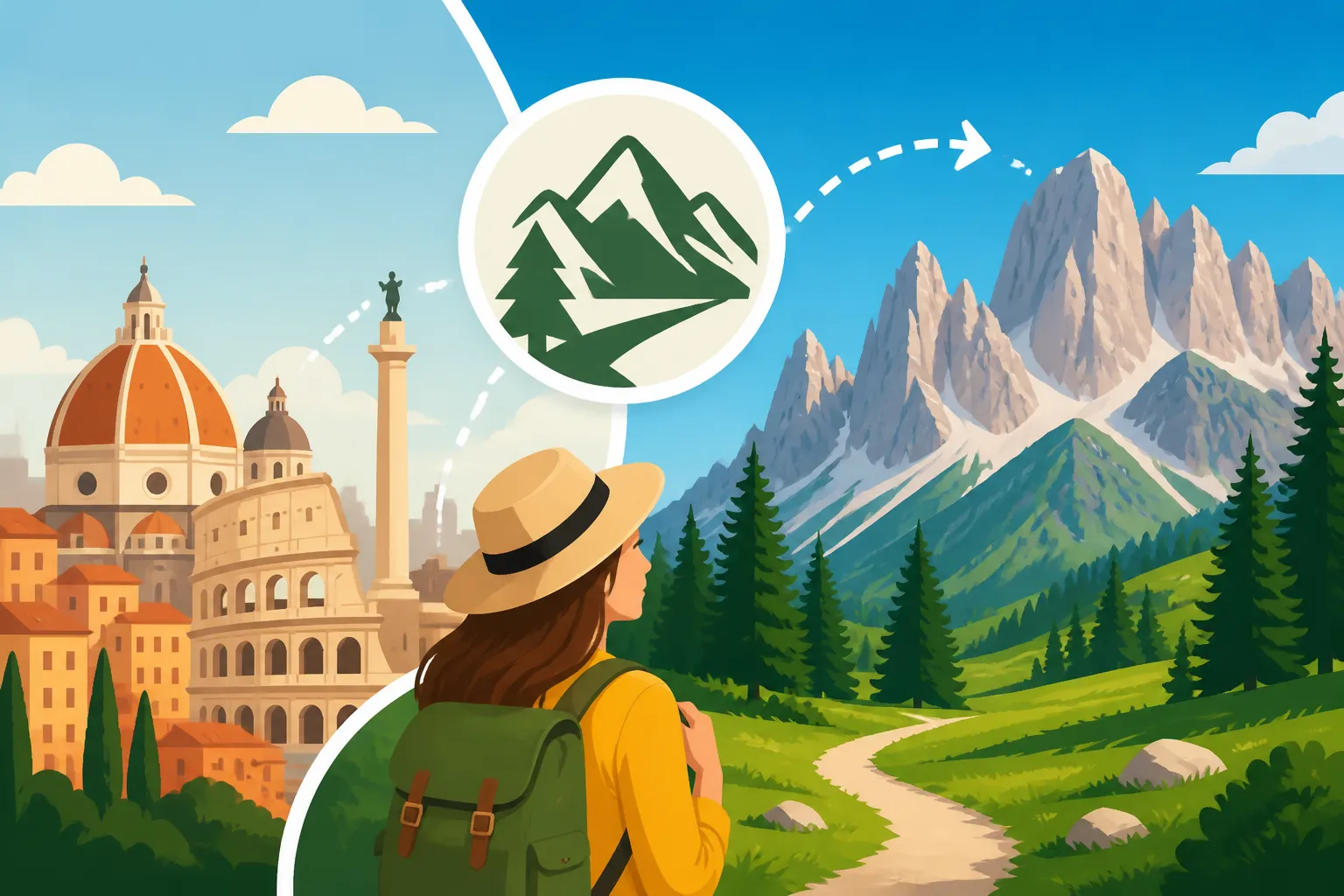
Oh, the sheer joy of escaping the urban sprawl in Italy! One moment you're dodging Vespas and elbowing through crowds in a bustling piazza, and the next, you're breathing in crisp mountain air or the salty tang of the sea. Many of us expats, and even those just visiting for a longer stint, crave that green (or blue) escape, but the idea of venturing deep into the wilderness can feel daunting from a major city. This guide is for anyone who dreams of swapping cobblestones for hiking trails and ancient ruins for ancient forests, showing you just how accessible Italy's stunning national parks and significant natural areas can be, even if you don't have a car.
Disclosure: This post may contain affiliate links. We may earn a commission at no extra cost to you if you make a purchase through these links. Read full disclosure.
Why Escape to Italy's National Parks?
Living in or visiting Italy’s vibrant cities is an experience in itself, full of art, history, and incredible food. But let's be honest, sometimes you just need a break from the constant sensory input, the endless buzzing of scooters, and the sheer volume of people. Italy offers a breathtaking variety of landscapes, from towering Alpine peaks to sun-drenched coastal stretches, and many of these natural wonders are preserved within its extensive network of national and regional parks.
The Allure of Nature Beyond the City Walls
There's something uniquely restorative about immersing yourself in nature. After weeks of navigating complex Italian bureaucracy or simply the delightful chaos of daily city life, a day spent among ancient trees, beside a pristine lake, or hiking along a dramatic coastline can feel like a complete reset. Italy's parks are not just pretty landscapes; they are vital ecosystems, often rich in biodiversity, and sometimes even hold significant cultural and historical sites within their boundaries. You might stumble upon a medieval hermitage tucked away in a forest, or ancient ruins overlooking a spectacular vista. It’s a chance to connect with a different side of Italy, one that’s wilder, quieter, and profoundly beautiful. Plus, getting out into nature is a fantastic way to engage in some Wellness and Preventive Care: Stay Healthy in Italy, offering both physical activity and mental calm.
Accessibility is Key
One of the biggest misconceptions many foreigners have is that Italy's national parks are all remote, requiring an SUV and several hours of driving. While some certainly are tucked away in truly wild, inaccessible corners, many are surprisingly within easy reach of major urban centers. Thanks to Italy's decent public transport network and the prevalence of car rental options, you can often reach the fringes of a national park, or at least a significant regional natural area, without too much hassle. The trick is knowing which ones to target and how to plan your logistics. You might not always be able to get directly to the most isolated trailheads by public transport, but you can certainly get close enough to start exploring, especially if you're open to combining a train or bus journey with a short taxi ride or a lovely long walk.
National Parks Accessible from Major Italian Cities
Let's dive into some specific natural havens that you can realistically visit from Italy's most popular cities. You'll find that a natural escape isn't as far-fetched as it might seem.
From Rome: Parks Within Reach
Ah, the Eternal City! Rome is a magnificent beast, but it’s also surrounded by some truly lovely natural spaces. You might not think of national parks when you think of Rome, but there are a few wonderful options that are surprisingly easy to access.
Parco Nazionale del Circeo
Just over an hour's drive (or a bit longer by public transport) south of Rome, you'll find the stunning Parco Nazionale del Circeo. This national park is a unique blend of coastal dunes, ancient forests, wetlands, and even a small mountain, Monte Circeo, which gives the park its name. It’s steeped in myth and history – legend has it that Circe the sorceress, from Homer's Odyssey, made her home here.
For us expats, it’s a fantastic change of scenery. You can spend a day hiking through the thick Mediterranean macchia (shrubland), cycling along the coastal paths, or relaxing on the beautiful beaches. The WWF Oasis of Cerasarella is particularly lovely for birdwatching, especially during migration seasons. Getting there involves taking a regional train from Rome Termini to cities like Latina or Priverno-Fossanova, and then a local bus or taxi to the park's various entry points or coastal towns like Sabaudia, San Felice Circeo, or Terracina. It's definitely doable as a long day trip, but staying a night or two would allow you to fully appreciate its diverse landscapes and maybe even visit the charming seaside towns.
Parco Regionale dei Castelli Romani
While not a national park, the Parco Regionale dei Castelli Romani is an absolute gem and a favored escape for Romans themselves. Located just southeast of Rome, this regional park encompasses the Alban Hills, a volcanic area dotted with picturesque towns (the "Castelli Romani") and stunning crater lakes like Lake Albano and Lake Nemi. It’s incredibly easy to reach, making it perfect for a spontaneous day out.
You can hop on a regional train from Rome Termini directly to towns like Castel Gandolfo (home to the Pope's summer residence), Ariccia, Frascati, or Albano Laziale. The journey is short, often less than an hour. Once there, you can enjoy panoramic views, stroll through historic towns, indulge in some local wine and porchetta, or hike around the serene lake shores. Many trails connect the towns, offering beautiful walks through vineyards and woodlands. It's the kind of place where you can truly relax and feel a world away from the city's hustle, even for a few hours.
From Florence: Tuscan Nature Escapes
Florence, with its Renaissance beauty, is often associated with art and rolling vineyards. But even from this cultural heart, you can access wilder, ancient landscapes.
Parco Nazionale delle Foreste Casentinesi, Monte Falterona e Campigna
If you're in Florence and craving ancient, mystical forests, look no further than the Parco Nazionale delle Foreste Casentinesi, Monte Falterona e Campigna. This national park, located in the Apennine Mountains between Tuscany and Emilia-Romagna, boasts some of Europe's oldest and most well-preserved forests. It's particularly breathtaking in autumn when the leaves turn a riot of fiery colors.
It's a bit further out than the Roman options, but certainly manageable. You can take a regional train from Florence to Arezzo, and then another regional train towards Pratovecchio Stia, which gets you into the heart of the Casentino valley. From there, local buses or taxis might be needed to reach specific trailheads or the monasteries of Camaldoli or La Verna, which are deeply intertwined with the forest's spiritual history. This park offers fantastic hiking opportunities, from gentle walks to more challenging treks, and a profound sense of peace. While a car would offer the most flexibility to explore its various corners, public transport can certainly get you started for a rewarding day trip or a tranquil weekend. For those eager to hit the trails, be sure to check out our guide on Hiking in Italy: Popular Trails and How to Prepare.
From Milan: Alpine and Lake District Gems
Milan might be Italy's fashion and finance capital, but it's also incredibly close to some truly spectacular natural wonders, including the pre-Alps and the famous Italian Lakes.
Parco Nazionale del Gran Paradiso
For those truly wanting to experience the grandeur of the Italian Alps, the Parco Nazionale del Gran Paradiso is an incredible destination. While it's probably stretching the definition of an "easy day trip" from Milan, it's absolutely within reach for a longer day or a magnificent weekend escape, especially if you drive. It's Italy's oldest national park, established to protect the Alpine ibex, and its landscapes are simply breathtaking, with towering peaks, glaciers, alpine meadows, and pristine valleys.
From Milan, you can take a high-speed train towards Turin or Aosta, and then connect to local buses that serve the valleys within the park, such as the Valsavarenche or Valle d'Aosta. Using a service like Omio to plan these connections can make a huge difference in navigating the regional nuances of Italian public transport. While the journey involves a few changes, the reward is unparalleled alpine beauty. For a full immersion, staying overnight in one of the charming mountain villages or rifugios (mountain huts) found on Booking.com is highly recommended. It’s an unforgettable experience for nature lovers.
Parco Regionale Campo dei Fiori
If you're looking for something much closer and easier for a day trip from Milan, the Parco Regionale Campo dei Fiori, near Varese, is an excellent choice. This regional park offers picturesque mountains, diverse forests, and stunning views over the surrounding lakes (Varese, Lugano, Maggiore). It’s perfect for hiking, mountain biking, or simply enjoying a picnic with a view.
You can take a regional train from Milan Cadorna or Porta Garibaldi directly to Varese. From Varese, local buses can take you further into the park towards points like the Sacro Monte di Varese (a UNESCO World Heritage site) or the various trailheads. It’s a wonderful option for getting a quick dose of nature without a massive travel commitment.
From Naples: Southern Charm and Volcanic Landscapes
Naples, a city bursting with life and flavor, is also surprisingly close to dramatic natural landscapes, including one of the world's most famous volcanoes.
Parco Nazionale del Vesuvio
You absolutely cannot visit Naples without considering a trip to the Parco Nazionale del Vesuvio. This national park, centered around Mount Vesuvius itself, offers not just the iconic volcano but also unique flora and fauna that thrive on its volcanic soil. The views of the Bay of Naples from the crater rim are simply unforgettable, providing a dramatic backdrop to a truly unique natural environment.
Getting there is remarkably easy. Take the Circumvesuviana train from Naples Garibaldi station to Ercolano Scavi or Pompeii Scavi – places you might already be visiting for their ancient ruins. From either station, you can catch a dedicated bus service or a taxi that will take you up the slopes to a point from which you can hike the final ascent to the crater. It's a relatively easy and well-marked hike, making it accessible for most fitness levels. This journey is a fantastic way to combine historical exploration with a natural adventure. Remember to check out Emergency Medical Services in Italy: 112 and Hospitals in case of any unforeseen incidents.
Parco Nazionale del Cilento, Vallo di Diano e Alburni
Further south of Naples, you'll find the vast and incredibly diverse Parco Nazionale del Cilento, Vallo di Diano e Alburni. This national park is a UNESCO World Heritage site, recognized for its natural beauty and significant historical sites, including the ancient Greek ruins of Paestum and Velia. It boasts rugged mountains, ancient villages clinging to hillsides, stunning coastline, and crystal-clear waters.
While it's a larger park and best enjoyed over a few days, you can certainly get a taste of it on a longer day trip or a weekend from Naples. High-speed trains run from Naples to Salerno, and from there, regional trains and buses can take you into various parts of the Cilento region. For example, you can reach Paestum by regional train directly from Salerno. Exploring the more remote parts of the park, especially the mountainous interior or the less-known coastal coves, might require a rental car, which you can easily arrange from Naples. It’s a region that rewards slower travel, allowing you to immerse yourself in its rich natural and cultural tapestry.
Practical Tips for Your National Park Visit
Venturing out from the city to Italy's wild spaces requires a little planning, but it's always worth the effort.
Planning Your Journey: Transportation and Logistics
When planning your escape, transportation is often the biggest hurdle. Italy has a fantastic rail network, covering much of the country. For trains, you can check schedules and book tickets easily through Trenitalia or Italo's websites, or use platforms like Omio, which consolidates different transport options (trains, buses, even flights) and makes booking incredibly straightforward, especially if you're mixing and matching modes. Remember to validate your regional train tickets before boarding if you purchase them from a physical station to avoid fines! This is a classic Italian travel tip, and one you'll want to remember.
For more remote locations, buses become essential. Regional bus services can be a bit more challenging to navigate if your Italian isn't strong, as websites are often only in Italian, and schedules can be less frequent, particularly on weekends or holidays. Always check the local transport company's website for the specific region you're visiting. If public transport won't get you all the way, consider renting a car for a day or two. You can find out more about Renting a Car or Scooter in Italy: First Steps if you plan to hit the open road. Be mindful of ZTLs (Limited Traffic Zones) in towns and cities if you do drive!
Accommodation and Guided Experiences
If a day trip feels too rushed, consider extending your stay. Many national parks have charming towns or villages nearby offering a range of accommodation. You'll find everything from cozy B&Bs and agriturismi (farm stays) to small hotels. Websites like Booking.com are invaluable for finding places to stay, especially if you're looking for something specific, like an eco-lodge or a place with a great view. Staying overnight allows for early morning hikes, stargazing, and generally a more relaxed pace.
For those who prefer a more structured experience or want to learn more about the local ecology and history, consider joining a guided tour. Platforms like GetYourGuide offer a variety of excursions, from guided hikes with local naturalists to adventurous activities like canyoning or wildlife spotting. This can be particularly useful if you're not comfortable navigating unfamiliar trails on your own or if you want to ensure you don't miss any of the park's highlights. It's also a great way to meet other travelers!
What to Pack and What to Expect
No matter which park you choose, a few essentials will make your trip more enjoyable. Comfortable walking shoes are a must, even for leisurely strolls, as terrain can be uneven. Layers of clothing are always a good idea, as mountain weather can change quickly, or coastal breezes can be chillier than expected. Don't forget water, snacks, sunscreen, a hat, and a small first-aid kit. A portable charger for your phone is also a wise addition, especially if you're relying on it for navigation.
Expect varying levels of infrastructure. Some parks might have visitor centers with maps and information in multiple languages, while others will be more rustic. Always respect local regulations: stick to marked trails, don't disturb wildlife, and take all your rubbish with you. Italy's natural heritage is precious, and we all have a role in preserving it. For specific packing advice, consider guides like What to Pack for Hiking in the Dolomites, even if you're not going to the Dolomites, the principles are similar for many of Italy's natural areas.
| Major City | Accessible National/Regional Park | Primary Transport Method | Approximate Travel Time | Key Attractions |
|---|---|---|---|---|
| Rome | Parco Nazionale del Circeo | Train + Local Bus/Taxi | 1.5 – 2 hours | Coastal dunes, forests, Monte Circeo, beaches |
| Rome | Parco Regionale dei Castelli Romani | Regional Train | 45 mins – 1 hour | Volcanic lakes, charming hill towns, panoramic views |
| Florence | Parco Nazionale Foreste Casentinesi | Train + Local Bus/Car | 2 – 3 hours | Ancient forests, monasteries (Camaldoli, La Verna), hiking |
| Milan | Parco Regionale Campo dei Fiori | Regional Train + Local Bus | 1 – 1.5 hours | Mountain views, forests, Sacro Monte di Varese |
| Milan | Parco Nazionale del Gran Paradiso | Train + Local Bus/Car | 2.5 – 4 hours (weekend trip recommended) | Alpine peaks, glaciers, wildlife (ibex), extensive hiking |
| Naples | Parco Nazionale del Vesuvio | Circumvesuviana Train + Bus/Hike | 45 mins – 1.5 hours | Mount Vesuvius crater, panoramic views of Naples Bay |
| Naples | Parco Nazionale del Cilento | High-speed Train to Salerno + Regional Train/Bus/Car | 1.5 – 3 hours (longer stays recommended) | Ancient ruins (Paestum), rugged coastline, medieval villages |
Disclaimer
The information provided in this guide is intended for general informational purposes only. While we strive to keep it accurate and up-to-date, details such as transportation schedules, entry requirements, and local regulations can change frequently. Always verify the latest information with official sources (e.g., park websites, transport providers, local tourism offices) before making your travel plans. We are not responsible for any inaccuracies or for actions taken based on the information presented herein.