Sicily for Travelers: Cities, Coast, and Volcanoes
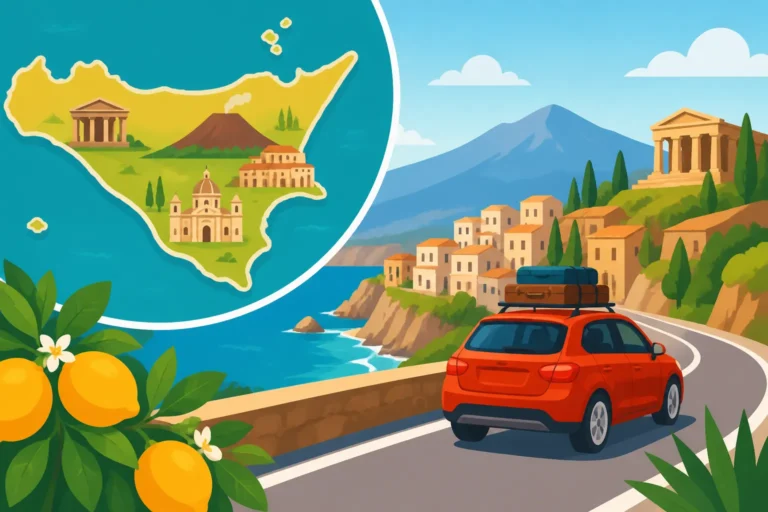
Oh, Sicily! Just the name conjures up images of ancient ruins, sparkling turquoise waters, and the simmering presence of Mount Etna. But for a first-timer, or even a seasoned traveler returning, figuring out how to tackle this magnificent island can feel a bit like trying to navigate a labyrinth designed by a Byzantine emperor. It’s vast, it’s diverse, and every corner promises a different adventure, leading to the quintessential expat dilemma: where do I even begin? This guide is here to untangle that beautiful mess, helping you discover the vibrant cities, stunning coastlines, and powerful volcanoes that make Sicily an unforgettable destination.
Disclosure: This post may contain affiliate links. We may earn a commission at no extra cost to you if you make a purchase through these links. Read full disclosure.
Why Sicily Captivates Travelers
Sicily isn't just an island; it's a world unto itself, a crossroads of civilizations where Phoenicians, Greeks, Romans, Arabs, Normans, and Spanish have all left their indelible marks. This rich tapestry of history, combined with its dramatic landscapes and fiercely independent spirit, is precisely what draws so many of us here. It’s a place that challenges your expectations of Italy, offering a depth and complexity that’s truly unique.
A Land of Contrasts and History
Picture this: you're walking through the bustling, almost chaotic markets of Palermo, where Arabesque domes peek out from behind Baroque façades, and suddenly you stumble upon a Norman cathedral with intricate Byzantine mosaics. Just a few hours drive away, you could be standing amidst the perfectly preserved Greek temples of Agrigento, feeling the ancient echoes of philosophers and gods. This blend of styles isn't just aesthetic; it’s baked into the very soul of Sicily, reflecting centuries of invasions, dominations, and cultural fusions. The island feels almost like a living museum, where every stone has a story, and history isn’t something confined to textbooks but pulses vibrantly in the everyday. It’s a constant reminder that life here has always been about adapting, resisting, and absorbing, creating something wholly new and fascinating.
Beyond the historical layers, Sicily offers breathtaking natural contrasts. You can bask on a sun-drenched beach in the morning and by afternoon, be enveloped in the cool, rugged slopes of a volcano. Lush citrus groves give way to stark, rocky outcrops, and bustling fishing villages are just a stone's throw from sophisticated resort towns. It’s this dynamic interplay between man-made heritage and raw natural beauty that makes every journey across Sicily an unfolding surprise. The light changes dramatically from coast to interior, highlighting different hues and textures, constantly reinventing the landscape before your very eyes. This isn’t a place you simply visit; it’s a place you experience with all your senses, from the scent of wild herbs carried on the breeze to the taste of freshly caught seafood.
Beyond the Mainland Myth
For many, Italy means Rome, Florence, Venice, or the rolling hills of Tuscany. And while those places are undeniably magical, Sicily often gets unfairly lumped into a vague "Southern Italy" category, sometimes even overlooked as a secondary destination. This is a massive mistake, and frankly, a common misconception that does a disservice to the island's unique identity. Sicily isn't "mini-Italy" or "Italy-lite"; it's a distinct cultural entity with its own dialect, culinary traditions, and a pace of life that sets it apart. The island's strategic position in the heart of the Mediterranean has meant it absorbed influences from across the sea, not just from the Italian mainland. This has resulted in a culture far richer and more complex than many expect.
Think about the food for a moment. While you’ll find incredible pasta and pizza, Sicilian cuisine is a bold fusion of North African spices, Greek olives, and Italian traditions, creating dishes you simply won't find anywhere else. Think arancini (fried rice balls) that vary wildly from city to city, or the incredibly rich pastries like cannoli and cassata that are a sweet testament to Arab influence. Even the way people interact, their gestures, their humor, and their resilience, speaks to a history distinct from the mainland. So, when you plan your trip, don't just think of it as another Italian region; approach Sicily as its own captivating country, ready to reveal its layered personality. It's an adventure into a truly authentic Mediterranean heart.
Exploring Sicily's Vibrant Cities
Sicily's cities are more than just urban centers; they are living museums, each with its own distinct character, shaped by centuries of diverse rulers and local traditions. From the bustling capital to the elegant resort towns, there's a world to discover within their ancient walls.
Palermo: A Kaleidoscope of Cultures
Palermo, the capital, is a glorious, chaotic embrace. It’s a city that assaults your senses in the best possible way: the aroma of street food, the cacophony of market vendors, the visual feast of architectural styles piled upon each other. For those who thrive on authenticity and don't mind a bit of grit, Palermo is an absolute dream. You'll find everything from Norman palaces to Baroque churches, all intertwined with vibrant Arab markets and narrow alleyways that hide centuries of stories. Navigating Palermo can be overwhelming, but its rewards are immense. Consider spending a full day just wandering through the Ballarò or Vucciria markets, sampling local delicacies – the sfincione (thick, spongy pizza-like bread) is a must – and soaking in the raw, unfiltered energy of Sicilian life.
When you're ready for a dose of history, the Palermo Cathedral is an architectural marvel, a stunning blend of styles reflecting its past as a mosque, then a Norman church, and later Baroque embellishments. Don't miss the Palatine Chapel inside the Norman Palace; its golden Byzantine mosaics are absolutely breathtaking, a true testament to the island's unique artistic heritage. For a slightly macabre but fascinating experience, the Capuchin Catacombs offer a glimpse into the burial practices of centuries past, with thousands of mummified bodies on display. For accommodation, you’ll find everything from charming boutique hotels to budget-friendly B&Bs, and Booking.com is a great place to start looking for options that suit your style and location preferences within the city's diverse neighborhoods.
Catania: The Gritty Gateway to Etna
Catania, situated on Sicily's eastern coast, offers a stark contrast to Palermo. Where Palermo is golden and sun-baked, Catania is built from the dark volcanic rock of Mount Etna, giving it a more dramatic and, some might say, grittier appeal. This city has been repeatedly rebuilt from the ashes of Etna’s eruptions and devastating earthquakes, giving its inhabitants a resilient spirit and a robust appreciation for life. It’s often considered the gateway to Etna, but it’s far more than just a transit point; Catania possesses its own unique charm, particularly its lively fish market (La Pescheria) and its Baroque architecture. Walking through the Piazza del Duomo, with the Elephant Fountain at its center, you'll feel the vibrant pulse of the city, framed by the omnipresent silhouette of the volcano.
Life in Catania revolves heavily around food, and its street food scene is legendary. Grab an arancino from a local bar, or try the horse meat (cavallo) found in many of its trattorias – it’s a local specialty! The Teatro Romano and Odeon, ancient Roman theaters, remind you of the city’s deep historical roots even amidst its modern bustle. For those looking to explore the volcanic hinterland, Catania is an ideal base. Many guided tours to Mount Etna depart from here, offering easy access to explore its lunar landscapes. After a day of exploring, the city comes alive with bustling restaurants and bars, providing a relaxed, authentic experience away from the more tourist-heavy spots.
Syracuse and Ortigia: Ancient Grandeur by the Sea
Syracuse (Siracusa) and its island old town, Ortigia, offer a journey back in time to the grandeur of ancient Greece. This was once one of the most powerful cities in the ancient world, and its archaeological park, Neapolis, is a breathtaking testament to that past. Here you'll find the stunning Greek Theater, still used for performances today, alongside the Roman Amphitheater and the mysterious Ear of Dionysius, a large limestone cave with incredible acoustics. It’s a place where history feels palpable, echoing through the ancient stones. The sheer scale of these ruins often surprises first-time visitors, solidifying Syracuse's place as a must-see for anyone interested in classical history.
But the true jewel of Syracuse is Ortigia, a tiny island connected by bridges, where charming Baroque architecture meets sparkling Ionian Sea views. Wander through its narrow, labyrinthine streets, discovering hidden piazzas, artisan shops, and delightful seafood restaurants. The Piazza del Duomo is particularly stunning, with its cathedral ingeniously built around the ancient Temple of Athena. The Fonte Aretusa, a freshwater spring by the sea, is steeped in myth and offers a picturesque spot to relax. Ortigia has a more refined, elegant atmosphere than the bustling mainland cities, making it perfect for leisurely strolls and romantic evenings. For a deeper dive into its rich past, consider joining a walking tour found on sites like GetYourGuide to uncover its secrets with a knowledgeable local.
Taormina: Postcard Perfect, with a Price Tag
Perched high on a cliff overlooking the Ionian Sea, with Mount Etna as its dramatic backdrop, Taormina is undeniably one of Sicily's most beautiful and famous towns. It's the kind of place that consistently graces postcards and travel brochures, and for good reason: its beauty is almost unreal. The main attraction is the ancient Greek Theater, offering arguably the most spectacular views of any ancient ruin in Italy, especially at sunset when the light paints Etna in hues of orange and purple. The town itself is a charming maze of elegant boutiques, gourmet restaurants, and bustling piazzas, all exuding a sophisticated, old-world glamour.
However, Taormina’s popularity comes with a caveat: it's considerably more tourist-oriented and expensive than other Sicilian destinations. While its beauty is undeniable, some travelers might find it lacks the raw authenticity of Palermo or Catania. That said, it's an excellent base for day trips to Etna, or simply for indulging in a more luxurious, relaxing holiday. The beaches below, accessible by cable car, are beautiful, though often pebbly. For a splurge, you can find some truly exquisite hotels here, but even those on a tighter budget can enjoy its beauty with smart planning. If you're looking for an unforgettable view with a touch of glamour, Taormina delivers in spades.
The Allure of Sicily's Diverse Coastlines
Sicily, being an island, boasts an incredible variety of coastlines, from long stretches of golden sand to dramatic rocky coves and hidden grottoes. Whether you're seeking lively beach resorts or secluded swimming spots, Sicily has a patch of paradise waiting for you.
Beaches for Every Taste: From Sandy Shores to Rocky Coves
The sheer diversity of Sicily's beaches is one of its greatest assets. On the northern coast, you'll find Cefalù, a picturesque medieval town dominated by a stunning Norman cathedral, with a beautiful sandy beach popular with families. It's a fantastic blend of culture and relaxation, perfect for a day trip or a longer stay. Further west, San Vito Lo Capo is renowned for its Caribbean-like white sands and crystal-clear turquoise waters, making it one of Sicily’s most famous beach destinations. It’s particularly popular for its annual Cous Cous Fest, celebrating the fusion of Mediterranean cultures.
Moving to the south, the Scala dei Turchi (Stair of the Turks) near Agrigento is a natural wonder: a dazzling white marl cliff sculpted by wind and sea into a series of wide, steps-like formations, contrasting dramatically with the blue sea. While not a typical sandy beach, the unique geological formations and opportunities for swimming in its clear waters make it an unforgettable stop. On the eastern side, near Taormina, Isola Bella is a small, rocky island nature reserve connected to the mainland by a narrow sandbar, offering fantastic snorkeling and sunbathing on its pebbly shores. For a more rugged experience, explore the hidden coves and rocky outcrops along the Zingaro Nature Reserve, Sicily’s first nature reserve, near Scopello. It offers spectacular hiking trails with breathtaking views and access to pristine, unspoiled coves accessible only by foot or boat. Each stretch of coastline has its own personality, ensuring you can find the perfect spot to dip your toes in the Mediterranean.
Here's a quick comparison of some popular beach types:
| Beach Type | Characteristics | Ideal For | Location Examples |
|---|---|---|---|
| Sandy & Family-Friendly | Wide, soft sand; shallow entry; amenities | Families with children, relaxed sunbathing | Cefalù, San Vito Lo Capo |
| Rocky & Secluded | Pebbly coves, clear deep water, often remote | Snorkeling, diving, tranquility, adventure | Zingaro Nature Reserve, Isola Bella (Taormina) |
| Unique Geological | Dramatic cliffs, unique rock formations | Photography, scenic views, unique swimming experiences | Scala dei Turchi |
| Lively Urban Beach | Close to city centers, accessible, amenities | Quick dips, city breaks, social atmosphere | Mondello (Palermo), Lungomare (Catania) |
Island Hopping: The Smaller Gems (Aeolian, Egadi, Pelagie)
Beyond the main island, Sicily is surrounded by an archipelago of smaller islands, each offering a distinct charm and a slower pace of life. These islands are perfect for those looking to truly escape, immerse themselves in nature, or simply enjoy exquisite seafood in a tranquil setting. The Aeolian Islands, a UNESCO World Heritage site off Sicily's northeastern coast, are perhaps the most famous. This volcanic chain includes elegant Lipari, the bustling hub; Salina, known for its capers and sweet Malvasia wine; Panarea, a chic retreat for the wealthy; and the dramatically active Stromboli, with its regular eruptions visible at night. Visiting these islands feels like stepping into another dimension, where time slows down, and the rhythm of the sea dictates the day.
To the west, off the coast of Trapani, lie the Egadi Islands: Favignana, Levanzo, and Marettimo. Favignana, shaped like a butterfly, is popular for its cycling paths, dramatic coves perfect for swimming and snorkeling (like Cala Rossa), and its historic tuna fishery. Levanzo is the smallest and quietest, ideal for peaceful walks and exploring its prehistoric cave, Grotta del Genovese. Marettimo is the most rugged, a paradise for hikers and divers, with numerous sea caves to explore by boat. Further south, closer to Africa than to mainland Italy, are the remote Pelagie Islands: Lampedusa, Linosa, and Lampione. Lampedusa is famous for Rabbit Beach, often hailed as one of the most beautiful beaches in the world, a protected nesting site for loggerhead sea turtles. These islands are perfect for multi-day trips, easily reachable by ferry or hydrofoil. Websites like Omio can help you find and book tickets for these inter-island connections, making your island-hopping dreams a reality.
The Majestic Volcanoes: Etna and Stromboli
No trip to Sicily would be complete without acknowledging the powerful geological forces that shaped it. The island is defined by its volcanoes, two of which, Etna and Stromboli, are among the most active in the world, offering awe-inspiring and humbling experiences.
Mount Etna: Europe's Active Giant
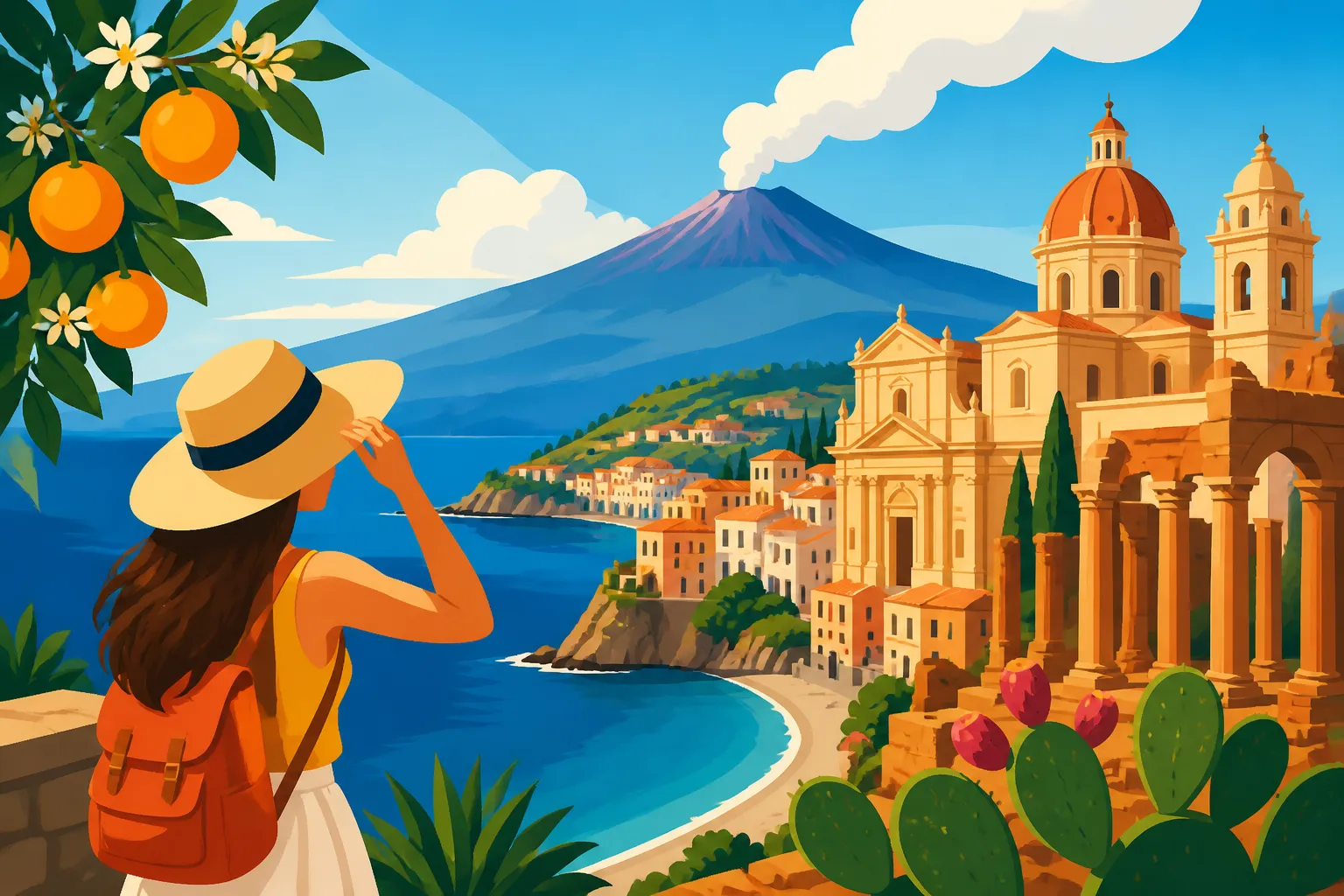
Mount Etna isn't just a mountain; it's a living, breathing entity that dominates the eastern Sicilian landscape. As Europe’s most active volcano, it frequently erupts, constantly reshaping its summit and reminding everyone of its raw power. Yet, it's also surprisingly accessible, offering a range of experiences from gentle hikes to more adventurous treks to its upper craters. The landscapes on Etna are otherworldly, a stark contrast of black lava fields, lush forests, and, depending on the season, snow-capped peaks. Visiting Etna provides an unforgettable perspective on the sheer power of nature.
There are various ways to experience Etna. You can drive or take a bus to Rifugio Sapienza on the south side, where you can then take a cable car (Funivia dell'Etna) and then a special jeep up to around 2,900 meters (9,500 ft). From there, you can explore the accessible craters with a mountain guide. On the north side, Piano Provenzana offers a different, often less crowded, approach, also with jeep tours and hiking opportunities. Remember to always go with an authorized guide, especially if venturing to the higher, active areas, as conditions can change rapidly. GetYourGuide offers numerous tours from Catania or Taormina, providing transport and expert guidance, ensuring a safe and informative experience. The fertile volcanic soil around Etna also produces some excellent wines, so a visit to a local vineyard is a delightful way to combine natural wonder with local flavor.
Stromboli: The Lighthouse of the Mediterranean
Stromboli, one of the Aeolian Islands, is a quintessential active volcano, famous for its nearly continuous, small but regular eruptions, earning it the nickname "Lighthouse of the Mediterranean." Unlike Etna, which can have quiet periods, Stromboli offers a more predictable, rhythmic display of nature's fireworks. The most iconic experience is to hike to the summit at dusk to watch the incandescent lava flow and explode from the crater, often after dark. It's a truly mesmerizing and somewhat primal experience that stays with you long after you've descended.
To hike Stromboli, you absolutely must go with an authorized local guide, and bookings are often required in advance, especially during peak season. The trek is challenging, taking several hours uphill, but the reward of seeing the eruptions up close is unparalleled. If hiking isn't for you, boat tours offer an alternative way to witness the eruptions from the sea, particularly at night from a safe distance, watching the lava pour down the Sciara del Fuoco (Stream of Fire). Accommodations on the island are limited but charming, providing a peaceful escape after the day's adventure. The island itself is small and car-free, enhancing its tranquil, timeless atmosphere. Just remember to pack sturdy shoes and be prepared for an unforgettable, fiery spectacle.
Navigating Sicily: Getting Around the Island
Sicily is a large island, and understanding its transportation options is key to unlocking its full potential. Each method has its pros and cons, so choosing the right one depends on your itinerary and travel style.
Public Transport: Trains and Buses
While Sicily's public transport system isn't as comprehensive or efficient as in some other parts of Italy, it's certainly viable for connecting major cities and popular towns, especially if you're traveling on a budget or prefer not to drive. The train network, primarily operated by Trenitalia, connects cities like Palermo, Catania, Messina, and Syracuse. It's often a scenic way to travel, especially along the coast, though speeds can be slower than on the mainland. For example, the journey from Palermo to Agrigento can take a few hours but offers beautiful views. You can check schedules and book tickets directly on Trenitalia's website or via platforms like Omio, which can help compare different transport options.
Buses are often more extensive and can reach towns and villages that trains don't. Various regional bus companies operate throughout Sicily, with AST (Azienda Siciliana Trasporti) being one of the main providers for intercity routes, alongside SAIS Autolinee for connections between major cities and airports. While sometimes less comfortable than trains, buses often offer direct routes, saving time on transfers. Be prepared for schedules that can be a bit fluid, and always try to purchase tickets in advance from bus stations or authorized tabacchi (tobacco shops). Public transport can be a fantastic way to experience local life, though it might require more planning and patience. For those looking to explore Sicily's less-trodden paths, however, buses can be a lifesaver.
Renting a Car: Freedom with Caveats
For ultimate flexibility and the ability to explore Sicily's hidden gems, renting a car is often the preferred choice for many travelers. It allows you to venture off the main tourist routes, discover charming rural villages, and access secluded beaches or mountain trails that are difficult to reach by public transport. The freedom to stop wherever a stunning view catches your eye or a delicious trattoria beckons is invaluable. You can pick up rental cars at major airports like Palermo (PMO) and Catania (CTA) from international brands like Hertz, Europcar, or Avis, or local companies.
However, driving in Sicily comes with its own set of challenges. Italian driving culture can be assertive, to put it mildly, and narrow, winding roads are common, especially in older towns and mountainous areas. Then there are the infamous ZTLs (Zona a Traffico Limitato), restricted traffic zones in city centers where only residents with permits are allowed to drive. Ignorance of these rules can lead to hefty fines, so it’s crucial to understand Renting a Car in Italy: ZTLs, Insurance, and Driving Tips before you hit the road. Parking can also be a nightmare in popular areas. While a car offers unparalleled freedom, approach driving in Sicily with caution, a good GPS, and a healthy dose of patience. Consider getting extra insurance for peace of mind, especially if you’re not used to European driving conditions.
Practical Tips for a Smooth Sicilian Journey
To make your trip to Sicily as enjoyable and stress-free as possible, a little preparation goes a long way. From timing your visit to understanding local customs, these tips will help you navigate the island like a seasoned expat.
Best Time to Visit and Seasonal Considerations
Choosing the right time to visit Sicily can significantly impact your experience. The island enjoys a Mediterranean climate, meaning hot, dry summers and mild, wet winters.
- Spring (April to June): This is arguably the best time to visit. The weather is pleasantly warm, ideal for sightseeing and hiking, and the landscapes are lush and green. Wildflowers bloom, and the island isn’t yet overwhelmed by summer crowds. Temperatures are comfortable, perfect for exploring ancient ruins and city streets without the intense heat.
- Summer (July to August): Peak season. Expect very hot temperatures (often exceeding 35°C or 95°F), crowded beaches, and higher prices for accommodation and flights. Many Italians also go on holiday in August (Ferragosto), meaning some businesses might close. If you love beach holidays and don't mind the heat and crowds, this is the time for you.
- Autumn (September to October): Another excellent time to visit. The sea is still warm enough for swimming, the intense summer heat has subsided, and the grape harvest season (vendemmia) offers opportunities for wine tasting. Crowds start to thin out, and the light is particularly beautiful for photography.
- Winter (November to March): Mild temperatures prevail, especially on the coast, but it can be rainy. This is the low season, offering the chance to experience cities and cultural sites without the crowds and at lower prices. Mount Etna often has snow, offering skiing opportunities. However, some smaller coastal towns might be very quiet, with limited services.
Consider what kind of trip you want. If it's pure beach relaxation, summer might appeal despite the crowds. For cultural immersion and active exploration, spring and early autumn are unmatched.
Where to Stay: Accommodations for Every Budget
Sicily offers an incredibly diverse range of accommodation options, catering to every style and budget. You can find everything from luxurious five-star resorts to charming agriturismi (farm stays), cozy B&Bs, and budget-friendly hostels.
- Hotels: Major cities like Palermo, Catania, and Taormina boast a wide selection of hotels, from international chains to independent boutique hotels. For convenience and amenities, hotels are a solid choice. You can find excellent options on Booking.com, which also features reviews from other travelers.
- Agriturismi: For a truly authentic Sicilian experience, consider staying in an agriturismo. These are working farms that offer accommodation, often including home-cooked meals featuring local produce. They are typically located in rural areas, providing a peaceful escape and a chance to connect with Sicilian traditions and hospitality. Many are beautifully restored historic properties.
- B&Bs and Guesthouses: Common throughout Sicily, B&Bs offer a more personal touch, often run by local families. They can range from simple rooms to elegantly furnished suites and are an excellent way to get local recommendations and insights.
- Vacation Rentals: If you're traveling with family or a group, or prefer the flexibility of self-catering, renting an apartment or villa can be a great option. Sites like Booking.com offer a vast selection, from city apartments to seaside villas.
When choosing your accommodation, think about your itinerary. If you plan to explore a specific city deeply, staying centrally is best. If you're touring the island, consider staying in a few different locations to minimize travel time. Remember that Accommodation in Italy: Hotels, B&Bs, and Agriturismi provides more in-depth advice on various types of stays.
Essential Sicilian Phrases Beyond 'Grazie'
While many people in Sicily, especially in tourist areas, will speak some English, making an effort to use a few Italian (or even Sicilian!) phrases will go a long way. It shows respect, often results in warmer interactions, and can simply make your trip smoother. Italians appreciate any attempt to speak their language.
Here are a few beyond the basic "grazie" (thank you):
- Buongiorno/Buonasera: Good morning/Good evening (use buongiorno until around lunchtime, buonasera after that).
- Ciao: Hello/Goodbye (informal).
- Per favore: Please.
- Scusi/Scusa: Excuse me (formal/informal). Use scusi when addressing strangers, especially in shops or restaurants.
- Parla inglese?: Do you speak English?
- Non capisco: I don't understand.
- Quanto costa?: How much does it cost?
- Il conto, per favore: The bill, please. (Essential for dining!)
- Dov'è…?: Where is…? (e.g., Dov'è il bagno? – Where is the bathroom?)
- Un caffè, per favore: A coffee, please. (Be specific if you want something other than an espresso, like un cappuccino.)
- Acqua naturale/frizzante: Still water/sparkling water.
- È delizioso!: It's delicious! (Always a good one to use at dinner.)
Don't be afraid to try! Even if your pronunciation isn't perfect, the effort will be appreciated. These small linguistic steps can truly enrich your experience, turning transactional interactions into genuine cultural exchanges. It also helps with Italian Social Customs: Greetings, Gestures, and Personal Space, allowing you to better understand and engage with the local populace.
Disclaimer
Please note that travel information, including opening hours, prices, and regulations, can change. While every effort has been made to provide accurate and up-to-date information, it is always recommended to check current details with official sources and local providers before making plans. This guide is for informational purposes only and does not constitute professional travel advice.