How to Combine Rome, Florence, and Venice in One Trip
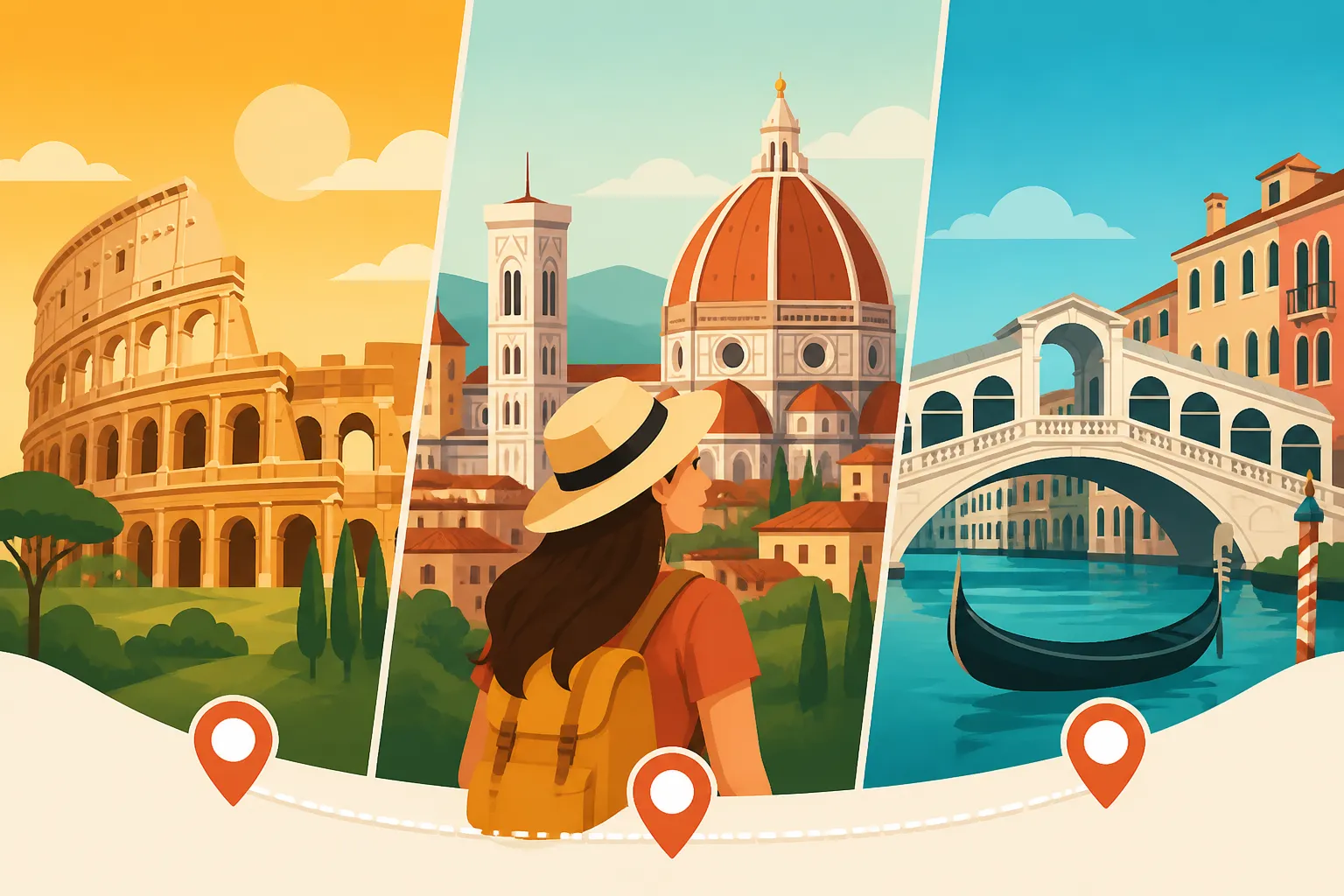
Many travelers arrive in Italy with the grand ambition of seeing Rome, Florence, and Venice in a single week, only to find themselves overwhelmed by complex train schedules, restrictive luggage rules, and the sheer volume of historical landmarks. This guide simplifies the "Golden Triangle" journey, offering a realistic, veteran-tested blueprint to balance world-class sights with the essential Italian art of slow living.
Disclosure: This post may contain affiliate links. We may earn a commission at no extra cost to you if you make a purchase through these links. Read full disclosure.
Master the Logistics: Moving Between the Big Three
Planning a trip through Italy’s most famous cities requires more than just a map; it requires an understanding of how the country’s infrastructure actually functions. Most people assume that driving is the best way to see the "real" Italy, but when you are combining the three major hubs, a car is often more of a liability than an asset. Between the dreaded ZTL (Limited Traffic Zones) and the high cost of parking, the "freedom" of a car quickly turns into a logistical nightmare.
High-Speed Rail: Your Secret Weapon
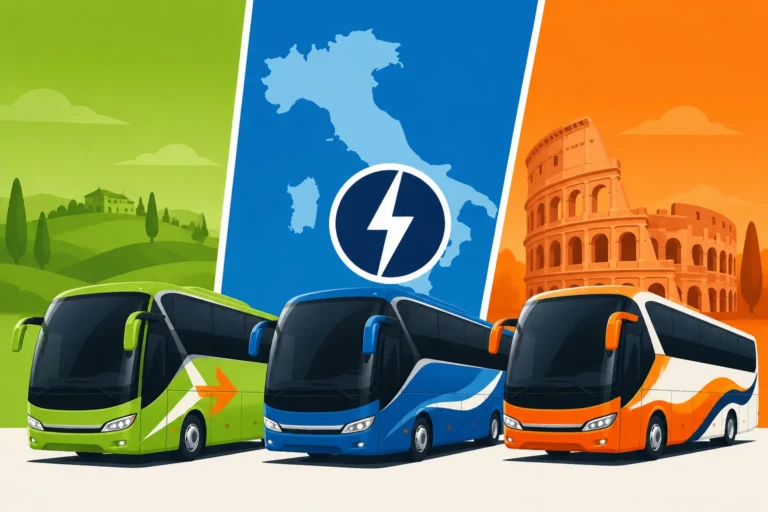
The Italian rail system is the backbone of any efficient Golden Triangle itinerary. You have two primary choices: Trenitalia (the national carrier) and Italo (the private competitor). Both offer high-speed services that connect Rome, Florence, and Venice in record time. For instance, the journey from Rome to Florence takes just about an hour and a half, while the leg from Florence to Venice is roughly two hours.
When booking these trips, I always recommend using a platform like Omio to compare prices and times between both operators. Booking your tickets a few weeks in advance can save you a significant amount of money, as the "base" fares for walk-up tickets can be double the "economy" or "super economy" rates. Understanding How to Buy Trenitalia and Italo Tickets and Save Money is essential for keeping your budget in check while maintaining a flexible schedule. Remember that high-speed trains (Frecciarossa or Italo) require a seat reservation, which is included in your ticket, so there is no need to validate these tickets like you would on a regional line.
Mapping the Itinerary: South to North or North to South
The direction of your trip matters more than you might think. Many expats suggest starting in Rome and ending in Venice, or vice versa. Starting in Rome allows you to jump straight into the deep end of Italian history and energy. However, starting in Venice and heading south can be a "gentler" introduction to the country. If you fly into Rome, you should learn How to Get From Rome Fiumicino Airport to the City Center immediately to avoid the over-priced, unlicenced taxis that often target newcomers at the arrivals terminal.
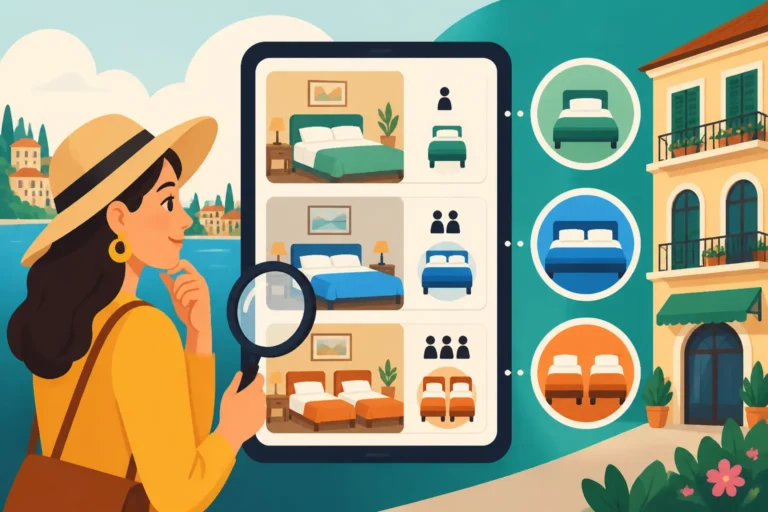
A typical efficient route looks like this: Rome (3-4 nights), Florence (2-3 nights), and Venice (2 nights). This structure gives you enough time to see the major landmarks without feeling like you are living out of a suitcase. When booking your accommodation, I suggest using Booking.com to find hotels near the central train stations—Termini in Rome, Santa Maria Novella in Florence, and Santa Lucia in Venice—to minimize the struggle of dragging heavy luggage over cobblestones or through narrow alleys.
Luggage and Station Navigation
One of the most frequent frustrations for foreigners is the physical layout of Italian train stations. They are grand, beautiful, and often confusing. In Rome Termini, the platforms are incredibly long; if your train is departing from a "binario" far from the main concourse, you may need ten minutes just to walk to your carriage.
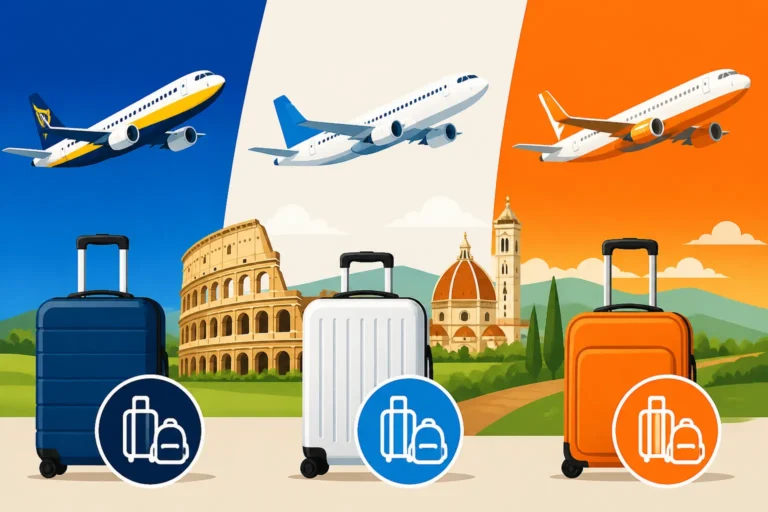
Furthermore, Venice Santa Lucia is the only station actually on the island of Venice. If you accidentally book a ticket to Venice Mestre, you will find yourself in a mainland industrial suburb rather than the city of canals. Always double-check your station names. To make the transitions easier, travel light. Dragging a massive suitcase over the bridges of Venice is a rite of passage that most people would prefer to skip.
Strategic City Breakdown: Rome, Florence, and Venice
Each city in the Golden Triangle has its own personality, pace, and set of challenges. To successfully combine them, you must treat them as three distinct worlds rather than a continuous loop. Rome is chaotic and vast, Florence is a compact Renaissance jewelry box, and Venice is a dreamlike maze that defies modern logic.
Rome: Navigating the Eternal City Without Burning Out
Rome is not a city you "finish." It is a city you survive and enjoy. The biggest mistake travelers make is trying to see the Colosseum, the Vatican, and the Pantheon all in one day. The geographical distance between these spots, combined with the Roman heat and crowds, can lead to total exhaustion by lunch.
The key to Rome is prioritization. You must book your tickets for the major sites weeks, if not months, in advance. Knowing How to Skip the Lines at the Colosseum and Vatican is the difference between spending four hours in a hot queue and actually seeing the Sistine Chapel. For more organized experiences, I often point people toward GetYourGuide to find highly-rated tours that include early access or expert-led historical context, which makes the ruins come alive.
Florence: The Art Capital and its Walkability
Florence is a relief after the sprawling nature of Rome. Almost everything in the historic center is reachable on foot. However, this compact nature means the streets can feel incredibly congested. Florence is also where you are most likely to encounter issues with the What Is a ZTL in Italy and How to Avoid Fines system if you ignored my advice and rented a car. The cameras are everywhere, and the fines will follow you home months later.
While in Florence, your focus should be on the Uffizi Gallery and the Accademia (to see Michelangelo’s David). Like Rome, these require reservations. Between museum visits, take time to cross the Ponte Vecchio and explore the Oltrarno neighborhood, where the pace is slower and you can find genuine artisans working in their shops. Florence is also the perfect hub for a quick day trip into the Tuscan countryside if you feel the need for some green hills after too much marble.
Venice: The Logistics of a Floating City
Venice is the most logistically unique city in the world. There are no cars, no buses, and no bikes. Your only options are walking or taking a boat. When you arrive at Santa Lucia station, you will likely be tempted to take a water taxi to your hotel. Be warned: these are luxury services that can cost upwards of 100 Euros for a short trip. The "Vaporetto" (water bus) is the public transport of Venice and is much more affordable, though it can be crowded.
The biggest challenge here is navigation. Google Maps often struggles with the narrow "calli" (alleys) and high walls of Venice. You will get lost, and that is actually the best way to see the city. To avoid the worst of the tourist traps, you should read up on How to Avoid Crowds in Venice so you can find those quiet squares where children still play football and laundry hangs across the streets.
| Feature | Rome | Florence | Venice |
|---|---|---|---|
| Primary Vibe | Gritty, Historic, Grand | Artistic, Walkable, Refined | Dreamy, Quiet (at night), Unique |
| Main Station | Roma Termini | Firenze Santa Maria Novella | Venezia Santa Lucia |
| Transport Tip | Use the Metro/Tram | Walk everywhere | Vaporetto (Water Bus) |
| Must-See | Colosseum & Vatican | Duomo & Uffizi | St. Mark’s & Rialto |
| Crowd Level | Very High | High | Extreme (Mid-day) |
Cultural Nuances and Practical Survival
Successfully combining these three cities isn't just about the "where" and "when"—it's about the "how." Italy has a specific rhythm that can frustrate visitors if they don't adapt to it. From meal times to the simple act of finding a restroom, knowing the local customs will save you hours of annoyance.
Eating Like a Local: Timing and Quality
One of the most common complaints I hear from new expats is that they couldn't find a place to eat at 6:00 PM. In Italy, restaurants typically close after lunch (around 3:00 PM) and don't reopen for dinner until 7:30 PM or 8:00 PM. If you see a restaurant serving dinner at 5:30 PM, it is almost certainly a tourist trap. Understanding What Time Do Italians Eat Lunch and Dinner? is crucial for ensuring you get a quality meal rather than a frozen pizza heated up for tourists.
When searching for food, look for "Trattorias" or "Osterias" away from the main squares. In Rome, look for "Cacio e Pepe"; in Florence, the "Bistecca alla Fiorentina"; and in Venice, try the "Cicchetti" (small snacks) in the local wine bars. Using a guide on How to Find Authentic Restaurants in Italy (Not Tourist Traps) will help you navigate the sea of menus translated into five languages that clutter the areas around the Pantheon or the Duomo.
The Reality of Public Services
Bureaucracy and public services in Italy can be… let's call it "relaxed." This applies to everything from train strikes to public restrooms. You will quickly learn that "free" public toilets are a rarity. Most people find it easier to walk into a bar, order a "caffè" (espresso) for 1.50 Euro, and use their facilities. It's polite, it's expected, and it's often cleaner. For a deeper look at this very practical concern, check out our guide on How to Use Public Toilets When Traveling in Italy.
Another thing to keep in mind is the "Riposo"—the afternoon break. While major museums and big shops in the city centers stay open, many smaller boutiques and pharmacies might close for a few hours in the afternoon. Don't take it personally; it's just the way the culture breathes. Plan your heavy sightseeing for the morning, have a long lunch, and take a nap or a slow stroll during the hottest part of the day.
Budgeting and Resource Management
Combining three major cities in one trip is an investment. Italy is not as expensive as Switzerland or Norway, but Rome, Florence, and Venice are the most expensive pockets of the country. To make your money go further, you need to be strategic about your fixed costs and your daily spending.
Managing Your Daily Budget
Your biggest expenses will be accommodation and attractions. By using GetYourGuide to bundle tours or Booking.com to find apartments with kitchens, you can significantly reduce your daily burn rate. Eating breakfast at your apartment and packing a few snacks can save you 20-30 Euros a day, which adds up over a ten-day trip.
Also, be aware of the "Coperto"—a small cover charge (usually 2-3 Euros per person) added to your restaurant bill for the bread and table service. It is not a tip, and it is perfectly legal. Speaking of tips, they are not mandatory in Italy, though rounding up the bill or leaving a few Euros for exceptional service is always appreciated.
High-Speed Trains vs. Regional Alternatives
While I emphasized high-speed rail earlier, there are times when a regional train makes more sense, especially if you are on a tight budget. For a comprehensive look at all your options, read High-Speed Trains in Italy: Trenitalia, Italo, Routes, and Savings. Regional trains are slower and don't have assigned seats, but they allow for more spontaneous travel. Just remember that if you have a paper regional ticket, you must validate it in the green or yellow machines on the platform before boarding, or you will face a hefty fine from the conductor.
Navigating the Golden Triangle is a marathon, not a sprint. By understanding the logistics of the rail system, respecting the local dining rhythms, and pre-booking your "must-see" attractions, you can turn a potentially stressful trip into the experience of a lifetime. Italy is a country that rewards those who plan well but leave enough room in the schedule to sit in a piazza and simply watch the world go by.
Disclaimer
The information provided in this guide is for informational purposes only. While every effort has been made to ensure the accuracy of travel tips, schedules, and costs for 2026, Italian regulations and prices are subject to change. Always verify current requirements and booking terms with official service providers before your trip.