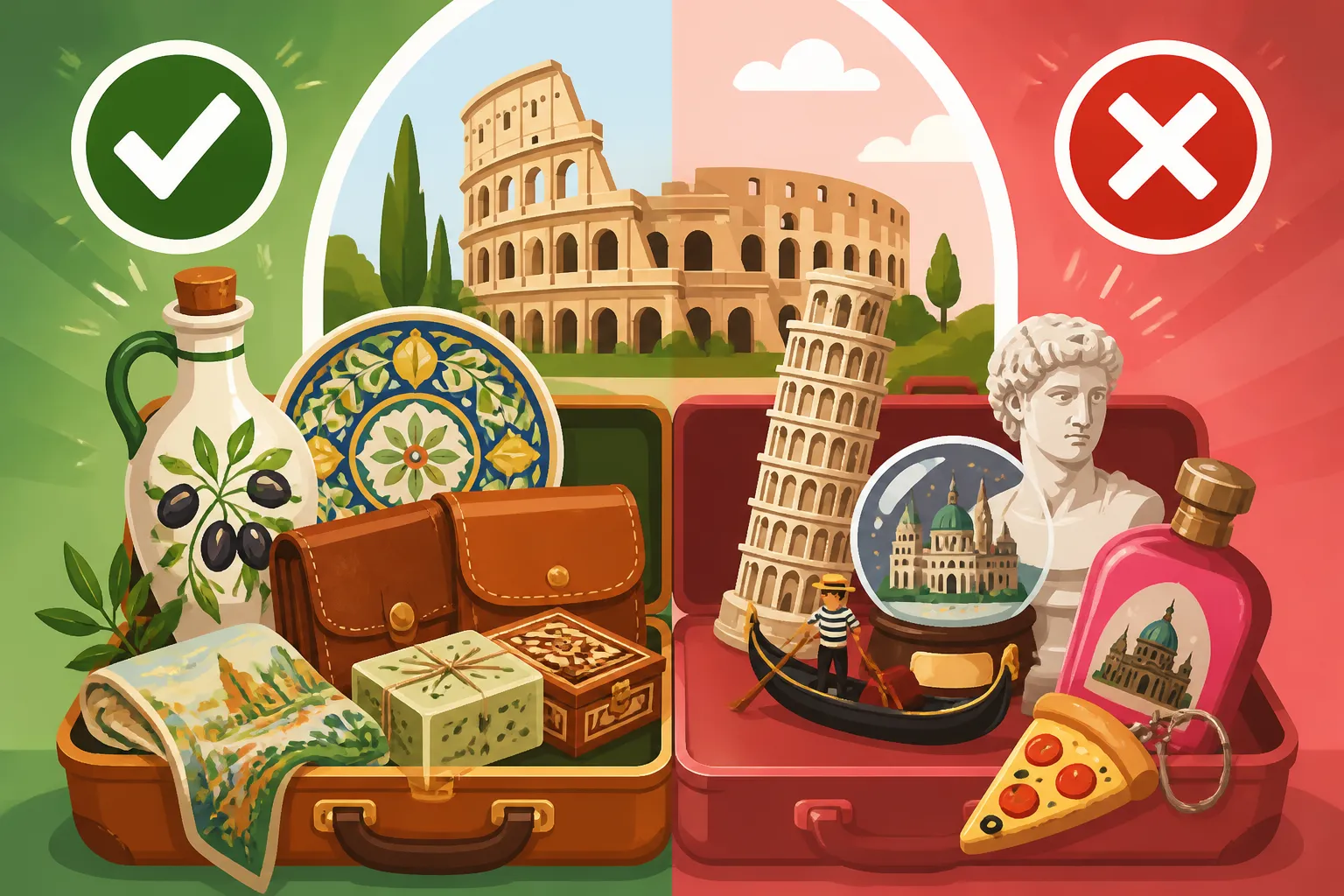
Italian Souvenirs Worth Buying (and What to Skip)
Oh, the joy (and sometimes, the headache!) of souvenir shopping in Italy. You've had this incredible trip, filled with ancient ruins, breathtaking art, and food that made your soul sing. Now, you want to bring a piece of that magic home with you. But let's be real, the streets are often lined with a dazzling, sometimes overwhelming, array of trinkets, and it's easy to fall into the trap of buying something that looks great in the moment but ends up gathering dust in a drawer. This guide is here to help you navigate the vibrant world of Italian souvenirs, distinguishing the truly cherished keepsakes from the regrettable impulse buys, so you can bring back authentic Italian memories that genuinely reflect your journey.
Disclosure: This post may contain affiliate links. We may earn a commission at no extra cost to you if you make a purchase through these links. Read full disclosure.
The Golden Rule of Italian Souvenir Shopping: Authenticity Over Apathy
When you're strolling through the bustling markets or browsing the quaint shops tucked away on a vicolo, it's easy to get swept up in the moment. But take a breath, my friend. The most important lesson I learned after years of living here is that a truly meaningful souvenir isn't just about what you bought, but where it came from and who made it. Italy is a treasure trove of artisanal crafts and local specialties, and seeking these out transforms your purchase from a mere transaction into an experience.
Spotting the Genuine Article and the Imposters
Let's talk brass tacks: "Made in Italy" means something, but not everything carrying that label is created equal. You'll see "Made in Italy," "Designed in Italy," and sometimes even "Assembled in Italy." These distinctions are crucial. "Made in Italy" generally refers to products where the significant production process, if not the entirety, occurred within Italy. This often implies adherence to certain quality standards and labor practices. However, even within this category, quality can vary wildly.
Then there's "Designed in Italy." This might mean the concept originated here, but the actual manufacturing could have happened anywhere, often in countries with lower production costs. And "Assembled in Italy"? That's a clever way to say foreign components were put together on Italian soil. When you pick up that little plastic gondola, or a miniature Colosseum with questionable paintwork, ask yourself if it truly embodies the craftsmanship Italy is renowned for. The vast majority of these mass-produced items are imported from outside the EU, often destined for the bins within a year. Instead, look for items that show the hand of a human: slight imperfections, unique variations, and materials that feel substantial. Don't be shy about asking shopkeepers about the origin of their goods. A proud artisan will happily tell you their story.
Why Local Matters: Supporting Italian Artisans and Traditions
Choosing to buy from local artisans and small businesses isn't just about getting a better product; it's about investing in the very fabric of Italian culture and economy. Every lira (okay, now euro) you spend at a family-run workshop helps sustain traditional crafts that have been passed down through generations. Think of the Florentine leather workers, the ceramic artists of Deruta, or the Murano glass blowers. These are not just businesses; they are custodians of art forms that define Italy's rich heritage.
When you walk into a workshop and see the tools, smell the materials, and perhaps even meet the maker, that souvenir takes on a deeper meaning. It's a tangible link to a story, a skill, and a person. These purchases directly support Italian families, allow them to continue their trade, and ensure these precious traditions don't fade away. Plus, the quality and uniqueness of these items will far outlast any mass-produced trinket. I always recommend browsing Italian Markets: Food, Antiques, and Flea Markets for truly unique, locally sourced items. You might find a hidden gem that tells a story far more interesting than anything from a tourist trap.
Edible Delights: Savoring Italy Long After Your Trip
For many expats, myself included, food is the true heart of Italy. It’s what we miss most when we’re away, and it’s arguably the easiest, and most delicious, way to bring a piece of Italy home with you. Forget those flimsy keychains; a jar of pesto or a bottle of artisanal olive oil will offer far more joy.
The Unbeatable Savories: Olive Oil, Balsamic, and Cheeses
If there's one thing you absolutely must bring back, it's a good bottle of extra virgin olive oil. But don't just grab any bottle from the supermarket. Seek out small-batch, regional olive oils. Look for "DOP" (Denominazione d'Origine Protetta) or "IGP" (Indicazione Geografica Protetta) labels, which certify that the product was produced and processed in a specific geographical area, adhering to strict quality standards. Tuscan, Puglian, and Sicilian olive oils are particularly renowned, each with its own distinct flavor profile. Imagine drizzling that golden liquid over a fresh salad back home, and being instantly transported back to your sun-drenched Italian holiday.
Next up, traditional balsamic vinegar. And when I say "traditional," I mean the real deal, Aceto Balsamico Tradizionale di Modena or Reggio Emilia DOP. This isn't the cheap stuff you find in grocery stores. True traditional balsamic is aged for a minimum of 12 years (often 25 years or more!) in a series of wooden barrels, and its thick, syrupy consistency and complex flavor are unparalleled. It comes in small, distinctively shaped bottles with a numbered seal. Yes, it's expensive, but a tiny drizzle is all you need, and it’s an experience in itself. A small bottle will last you ages and elevate any dish. As for cheeses, well, Italy is cheese heaven! Parmigiano Reggiano and Pecorino Romano are classics, of course. Many vacuum-seal these for travel, which is a great option. Just be mindful of your home country’s customs regulations regarding dairy products. Always double-check before packing a large chunk of that delicious Grana Padano.
Sweet Italian Memories: Chocolates, Amaretti, and More
For those with a sweet tooth, Italy doesn't disappoint. From Turin, you have the famous Gianduiotto, a small, foil-wrapped chocolate praline made with hazelnut paste. In Sicily, the ancient Aztec methods are still used to create Modica chocolate, known for its grainy texture and intense flavor, often spiced with chili or vanilla. These aren't just candies; they're pieces of culinary history.
Then there are cookies like amaretti (crispy or soft almond biscuits) and cantucci (hard almond biscuits from Tuscany, perfect for dipping in dessert wine). Torrone, a nougat confection often studded with nuts, is another delightful treat, especially around Christmas. And of course, no mention of Italian sweets would be complete without a nod to liqueurs! Limoncello, the vibrant lemon liqueur from the Amalfi Coast, is a classic. Many regions boast their own unique digestivos or aperitivos – think Mirto from Sardinia or Nocino from Emilia-Romagna. Just remember to check your airline's liquid restrictions and customs allowances for alcohol when planning your purchases.
Coffee and Culinary Tools: Bringing the Italian Kitchen Home
If you're a coffee lover, a classic Moka pot by Bialetti is an absolute must. It's an iconic piece of Italian design and practicality, and brewing coffee in one at home will bring a touch of Italian morning ritual to your daily routine. They come in various sizes, so you can find one perfect for your kitchen.
For those who love to cook, consider bringing back high-quality dried pasta, particularly from Gragnano, near Naples, which is famous for its bronze-die pasta that holds sauce beautifully. You might even find unique pasta-making tools, like specialized cutters or presses, especially if you visit smaller artisan shops. While big brands like Lavazza and Illy are ubiquitous, explore local torrefazioni (coffee roasters) for unique blends of beans to really capture that authentic Italian espresso experience. Many local workshops and food tours can be found on platforms like GetYourGuide, offering unique insights and opportunities to buy directly from creators and perhaps pick up a specialty coffee blend.
Timeless Treasures: Italian Craftsmanship for Your Home and Wardrobe
Italy's reputation for quality extends far beyond its food. From fashion to home decor, the dedication to artistry and fine materials is evident everywhere. These are the kinds of souvenirs that don't just sit on a shelf; they integrate into your life, reminding you of Italy every time you use or wear them.
Leather Goods: Beyond the Markets of Florence
Florence might be synonymous with leather, and for good reason! But let me tell you, while the markets like San Lorenzo can be tempting, often the real gems are found in the smaller boutiques and actual workshops. A high-quality leather bag, wallet, or belt is a fantastic investment. The key is to distinguish genuine, full-grain Italian leather from cheaper imitations or "bonded leather" (which is essentially pulverized leather scraps glued together).
Real Italian leather should smell rich, feel supple, and often show natural imperfections. It will age beautifully, developing a unique patina over time. Be wary of prices that seem too good to be true, and don't hesitate to inspect the stitching, lining, and hardware. Visiting a pelletteria (leather workshop) where you can see artisans at work, often in Florence's Oltrarno district, is an unforgettable experience and ensures you're buying directly from the source. The quality you'll get from a dedicated artisan is unparalleled, creating a souvenir that will last a lifetime.
Ceramics and Art: Hand-Painted Beauty
Italian ceramics are incredibly diverse and beautiful, often reflecting the unique artistic traditions of their region. For vibrant, colorful pieces, look to Vietri sul Mare on the Amalfi Coast, known for its bold designs and cheerful palettes. If you prefer more traditional, intricate patterns, the ceramics of Deruta in Umbria, famous for its Renaissance-inspired designs, are exquisite.
These hand-painted pieces, whether a small plate, a decorative tile, or a full dinner set, make wonderful gifts or additions to your home. They tell a story of regional artistry and tradition. When purchasing, ensure the items are well-fired and the glazes are even. For larger or more fragile pieces, inquire about shipping options. Many reputable shops offer international shipping, taking the worry out of transporting your treasures home. If you're looking to explore the artistic side of Italy's major cities, a quick search on Booking.com can help you find accommodations conveniently located near renowned artisan quarters.
Textiles and Fashion Accessories: Scarves, Lace, and More
Italy is a fashion powerhouse, and you don't need to splurge on designer labels to bring home a touch of Italian style. Silk scarves from Como, in the Lombardy region, are renowned worldwide for their exquisite quality and vibrant prints. They make a luxurious and versatile souvenir.
Another delicate and beautiful craft is the lace from Burano, a picturesque island near Venice. Traditional Burano lace is painstakingly handmade, a tradition that dates back centuries. A small piece of this intricate lace, perhaps a handkerchief or a decorative doily, is a truly special keepsake. Beyond these, consider high-quality knitwear – Italian cashmere and merino wool are exceptional and will keep you warm and stylish for years to come. Even a simple, well-made leather glove or a pair of elegant Italian socks can elevate your wardrobe and serve as a subtle, sophisticated reminder of your trip.
Unique & Regional Gems: Beyond the Obvious
Sometimes, the best souvenirs are the ones that are a little unexpected, specific to a particular place, or hold a deeper cultural significance. These are the items that truly spark conversation and transport you back to a specific moment in your Italian adventure.
Papermaking and Stationery from Florence and Venice
Florence and Venice have long traditions of exquisite papermaking and bookbinding. In Florence, you can find stunning marbled paper (carte marmorizzate), where intricate patterns are created by floating inks on a liquid surface before transferring them to paper. These papers are often used for covering journals, notebooks, or decorative boxes. A beautifully bound leather journal, perhaps filled with marbled pages, is a perfect place to jot down future travel plans or cherished memories.
Venice also boasts a rich history of stationery, with shops offering elegant hand-stamped cards, unique pens, and wax seals. Imagine sending a letter back home on Venetian stationery, a tangible piece of old-world charm. These items are not only beautiful but also practical, allowing you to incorporate a touch of Italian elegance into your daily life.
Carnival Masks from Venice: Art and History
Venetian Carnival masks are iconic, but like many popular items, they come in varying degrees of authenticity. While the cheap plastic masks flooding the stalls might be fun for a photo op, a truly authentic Venetian mask is a work of art. Look for masks made from papier-mâché, hand-painted and decorated with intricate details, feathers, or glitter.
These masks are not just decorative; they carry centuries of history and tradition from the Venetian Carnival, a time of elaborate masquerade and playful anonymity. A well-crafted mask can be a stunning piece of wall art, a conversation starter, and a constant reminder of the magic and mystery of Venice. Many workshops offer tours or demonstrations, where you can see the intricate process of their creation firsthand, making the final purchase even more special. When planning your route between Venice and other cities, Omio can help you find efficient train connections, making it easier to transport your delicate purchases.
Religious Articles: For the Devout and the Curious
For many, a trip to Italy involves visiting the Vatican City and countless breathtaking churches and cathedrals. Religious articles can make meaningful souvenirs, whether you are deeply devout or simply appreciate their cultural and historical significance. Rosaries, medals, small statues of saints, or crucifixes can be found throughout Italy, but particularly in Rome and areas with significant religious sites.
When buying religious items, look for quality. Silver medals, intricately carved olive wood rosaries, or statues made from good materials will stand the test of time. In Vatican City, there are official shops that guarantee authenticity and quality, often with items blessed by the Pope. These can be particularly meaningful. Even a simple, beautifully crafted rosary can be a powerful reminder of your spiritual journey or appreciation for Italy's profound religious heritage.
What to Skip: Common Tourist Traps and Overpriced Kitsch
Alright, it's time for some tough love. As much as we love souvenirs, not all purchases are created equal. As a seasoned expat, I've seen countless well-meaning tourists fall for items that are, frankly, a waste of money. Let's talk about what to avoid so you don't end up with buyer's remorse.
The "Made in China" Brigade: Gondolas, Gladiators, and Leaning Towers
You know exactly what I'm talking about. The rows of identical, poorly painted miniature gladiators, plastic leaning towers of Pisa, and glitter-covered gondolas. These items are almost universally mass-produced outside of Italy, often with minimal artistic value and even less durability. They might seem like a fun, cheap memento in the moment, especially if you're swept up in the excitement of a tourist hotspot.
However, once you get them home, they often quickly reveal their true nature: flimsy, cheap, and utterly lacking in the charm and quality that Italy is truly famous for. They contribute to landfill waste and don't support local economies or artisans. Your money is far better spent on something genuine, even if it means buying fewer items. Resist the urge for these generic bits of plastic; they don't capture the essence of Italy. For truly enriching experiences that connect you with local culture, check out guided tours on GetYourGuide which often lead to genuine artisan shops.
Overpriced "Designer" Knock-offs and Street Vendor Scams
This is a big one, and it's not just about quality; it's about legality and supporting unethical practices. You'll inevitably encounter street vendors, particularly in major cities like Rome or Florence, hawking "designer" bags, watches, and accessories at unbelievably low prices. These are almost always counterfeits, often made under questionable labor conditions and funded by illegal activities.
Not only is the quality abysmal (that "leather" bag will likely start peeling and falling apart within weeks), but purchasing counterfeit goods can also have legal repercussions for you in some countries. Furthermore, it undermines legitimate businesses and the very designers Italy is famous for. My advice? Steer clear. If you can't afford a genuine Italian designer item, opt for a high-quality, authentic leather piece from a local artisan instead. It might not have a famous logo, but it will be beautiful, durable, and genuinely Italian. Remember to prioritize your Staying Safe in Italy: Common-Sense Tips for Travelers and avoid engaging with pushy street vendors who might be selling illegal goods.
Table: Worth It vs. Skip It Souvenirs
Here's a quick comparison to help you make smart choices:
| Worth It (Authentic & Meaningful) | Skip It (Tourist Traps & Kitsch) |
|---|---|
| Food & Drink: DOP Olive Oil, Traditional Balsamic, Regional Cheeses, Modica Chocolate, Limoncello, Artisanal Pasta, Local Coffee Beans | Generic "Italian" spice mixes, cheap plastic "gelato" scoops, any mass-produced food item that doesn't specify origin |
| Crafts & Home: Hand-Painted Ceramics (Deruta, Vietri), Moka Pot, Marbled Paper Journals, Artisan-made Carnival Masks, Local Artwork | Plastic gladiators/Colosseums, "I Love Italy" t-shirts, mass-produced gondola models |
| Fashion & Accessories: Quality Leather Bags/Wallets from Artisan Workshops, Silk Scarves (Como), Burano Lace, Cashmere/Merino Knitwear | Counterfeit designer bags/watches, cheaply made "Italian" jewelry, poor quality leather items from large markets without verification |
| Other: Religious Articles from Reputable Stores/Vatican, Locally Sourced Wine, Custom-made Sandals (e.g., Capri) | Touristy snow globes, "Italy" branded shot glasses, generic keychains with flags or landmarks |
By focusing on genuine craftsmanship, local specialties, and items with a story, your Italian souvenirs will become cherished reminders of your unforgettable journey, not just dust collectors. Happy shopping!
Disclaimer
The information provided in this guide is for general informational purposes only and does not constitute legal, financial, or professional advice. While we strive to provide accurate and up-to-date information, regulations regarding customs, imports, and product authenticity can change. Always verify current restrictions and guidelines with relevant authorities, such as your home country's customs department, before purchasing or attempting to transport items. The views expressed are personal experiences and opinions and should not be taken as definitive or exhaustive. We recommend consulting with local experts or official sources for specific guidance.