Shoulder Season in Italy: May, June, and September Compared
Oh, the Italian shoulder season! If you're anything like me, you probably arrived in Italy dreaming of picturesque villages and sun-drenched beaches, only to find yourself jostling with crowds in July or shivering in January. It's a common expat lament, truly. This guide is all about helping you unlock the sweet spot of Italian travel: the magical months of May, June, and September, comparing what each has to offer so you can plan your perfect, less-crowded, and often more authentic Italian adventure.
Disclosure: This post may contain affiliate links. We may earn a commission at no extra cost to you if you make a purchase through these links. Read full disclosure.
Why Shoulder Season is The Season for Italy
For those of us who've lived in Italy for a while, the concept of "shoulder season" isn't just a travel industry term; it's a way of life. It’s the period nestled between the intense summer high season and the quiet, sometimes chilly, low season. Think of it as Italy taking a deep, relaxed breath. It's when the weather is often glorious, the main tourist hubs haven't reached peak capacity, and you can still experience the vibrant local life without feeling like you're an extra in a major motion picture. As an expat, I've learned that these months offer the perfect balance for exploring, whether you're a long-term resident showing family around or a tourist seeking a more nuanced experience. You'll find that businesses are fully operational, but you're less likely to battle for a spot at that charming trattoria or elbow your way through the Uffizi Gallery. It's also often a time when flight and accommodation prices start to normalize, making it a win-win situation for your sanity and your wallet.
The Allure of Transitional Months
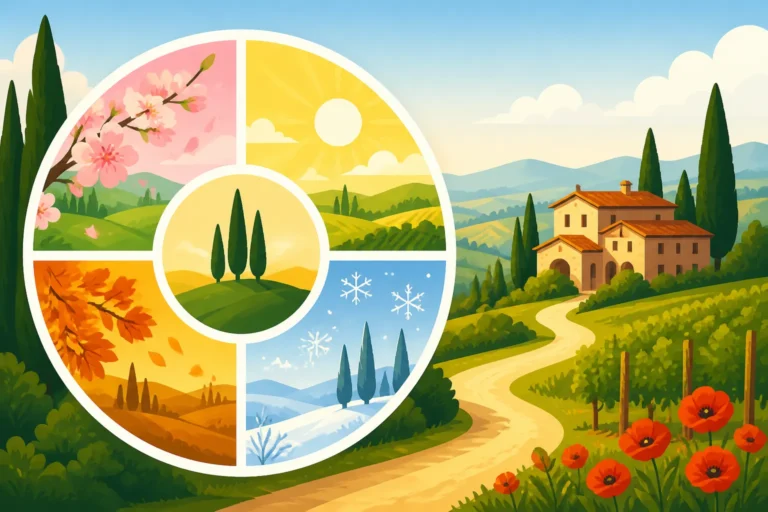
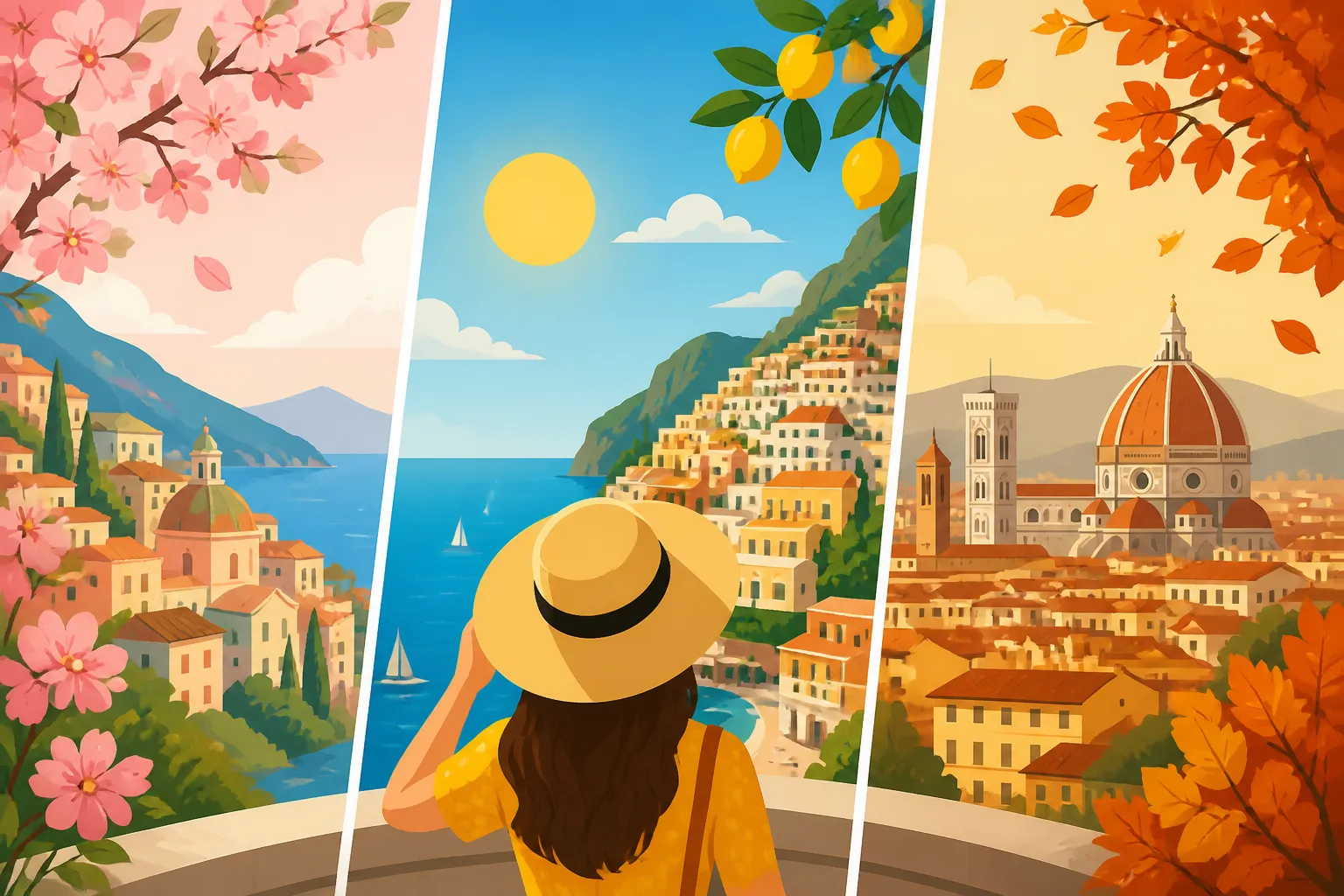
These transitional months aren't just about avoiding crowds; they're about experiencing Italy's true rhythm. In spring, you witness the landscape bursting into life, with wildflowers blanketing the rolling hills of Tuscany and blooming jasmine scenting the air. In early summer, the days are long, and the sea is inviting, yet the oppressive heat of August hasn't fully set in. And in early autumn, the harvest season brings gastronomic delights, and the lingering warmth makes outdoor dining a joy, even as the leaves begin to subtly change. It's when you can truly savor the "dolce vita" without feeling rushed or overwhelmed. The light is often softer, more golden, perfect for photography, and the pace of life feels just right. Plus, many local festivals and events that aren't geared solely towards tourists come alive, offering a deeper dive into Italian culture.
Practical Benefits for Expats and Visitors
Beyond the aesthetic appeal, there are tangible benefits to embracing the shoulder season. Logistically, things just flow better. Public transport is less packed, finding a rental car or booking a train ticket is usually easier, and checking into your hotel doesn't feel like a stampede. For those of us living here, it means having our cities back, at least partially, and being able to enjoy local attractions with a bit more breathing room. For visitors, it translates to a more authentic and less stressful trip. You'll have more genuine interactions with locals who aren't stretched thin by overwhelming tourist demands. And, let's be honest, the fewer queues for gelato, the better! When it comes to accommodation, sites like Booking.com often have a wider range of options available and better deals outside of the absolute peak season, which can make a huge difference, especially if you're looking for something specific, like a charming agriturismo or a central apartment.
May in Italy: Spring's Gentle Embrace
Ah, May in Italy. If you ask me, it’s arguably one of the most sublime months to be here. Everything feels fresh and vibrant, a gentle awakening after the cooler, wetter days of winter and early spring. The air has that crisp, clean quality, often carrying the scent of blooming flowers, citrus groves, and freshly tilled earth.
Weather & Crowds in May
The weather in May is, for the most part, simply glorious. You can expect mild to warm temperatures across most of the country, with average highs ranging from a comfortable 20°C (68°F) in the north to a balmy 25°C (77°F) in the south. Rain is still a possibility, particularly in the northern regions and often in the form of short, refreshing showers, so it's always wise to pack a light umbrella or a waterproof jacket. The days are long and sunny, perfect for sightseeing without the intense heat of summer.
Crowd-wise, May marks the beginning of the "busy" season, but it's far from the sweltering, shoulder-to-shoulder crush of August. Major cities like Rome, Florence, and Venice will definitely see significant numbers of tourists, especially around popular landmarks. However, you'll find that secondary cities and smaller towns are still relatively peaceful. The coastlines, while beautiful, haven't hit their peak, so you can enjoy seaside strolls without fighting for towel space. It’s a fantastic time to explore the countryside, like Tuscany or Umbria, which are at their most verdant and picturesque. Booking your accommodations well in advance, especially through platforms like Booking.com, is still a smart move for popular destinations, as the best spots do get snapped up.
Events & Activities in May
May is a month rich in cultural and culinary experiences. Spring festivals abound, celebrating everything from flowers to local produce. The "Maggio Musicale Fiorentino" in Florence kicks off its renowned opera and classical music season, drawing aficionados from around the globe. In many smaller towns, you might stumble upon local sagre (food festivals) dedicated to strawberries, asparagus, or other seasonal delicacies. This is also an ideal time for outdoor activities like hiking in the Dolomites, exploring the Cinque Terre trails, or cycling through the vineyards of Piedmont, before the summer sun becomes too strong.
For nature lovers, May is truly special. The Italian lakes are stunning, with villas and gardens in full bloom, and a boat trip on Lake Como or Lake Garda is an absolute must. You'll often find historical re-enactments and medieval festivals in various towns, like the Calendimaggio in Assisi, bringing ancient traditions to life. It's a month that offers a wonderful blend of history, nature, and gastronomy, making it incredibly appealing for a deeper dive into Italian culture.
Pros & Cons of Visiting in May
Pros:
- Ideal Weather: Generally warm and pleasant, perfect for extensive sightseeing and outdoor activities.
- Lush Landscapes: The countryside is at its most beautiful, green, and vibrant.
- Manageable Crowds: While busy, it's not overwhelming, allowing for a more relaxed experience.
- Festivals & Events: A wealth of local festivals, music, and food events.
- Good Value: Better prices for flights and accommodations compared to peak summer, especially if booked in advance on sites like Booking.com.
Cons:
- Variable Weather: While mostly good, there's still a chance of spring showers, particularly in the north.
- Still Busy: Major tourist hotspots will still draw significant crowds, meaning some queues are inevitable.
- Sea Still Cool: The Mediterranean Sea might still be a bit too chilly for comfortable swimming for some, especially early in the month.
June in Italy: Kicking Off Summer with a Punch
As May gently fades, June bursts onto the scene, signaling the true arrival of summer in Italy. The days stretch longer, the sun shines brighter, and there's an undeniable buzz in the air as Italians and visitors alike gear up for the warmer months. If you’re yearning for sunshine and seaside, June is calling your name.
Weather & Crowds in June
June brings consistently warm and sunny weather across the entire country. Average temperatures range from the mid-20s°C (70s°F) in the north to the high 20s°C (80s°F) in the south, often creeping into the low 30s°C (90s°F) by the end of the month, especially in inland areas like the Maremma or Sicily. The likelihood of rain significantly decreases, making it a reliable month for sunny days. This is when the sea starts to become truly inviting, with water temperatures rising comfortably.
However, with glorious weather comes an increase in crowds. June is definitely a popular month, seeing a substantial surge in tourism compared to May. Coastal areas, islands like Capri and Sardinia, and major cities become much busier. School holidays begin in some parts of Europe, and many people choose June to enjoy the early summer sun before the intense heat of July and August. You'll find popular beaches filling up, and queues at attractions becoming longer. It's imperative to book everything well in advance – especially accommodation through platforms like Booking.com – and prepare for more people wherever you go.
Events & Activities in June
June is a fantastic month for events, blending traditional festivities with the burgeoning summer vibe. The Republic Day (Festa della Repubblica) on June 2nd is a national holiday, celebrated with military parades in Rome and other civic events. Historical re-enactments are common, such as the Gioco del Ponte in Pisa or the Regata Storica in Venice, showcasing Italy's rich past. Many outdoor concerts and open-air cinema screenings begin to pop up in cities.
This is also prime time for beach holidays and water sports. The Amalfi Coast, Puglia, and the islands are buzzing with activity. Hiking is still enjoyable, particularly in the mornings or at higher altitudes, but by mid-day, the heat in lower elevations can be quite intense. Food festivals continue, often focusing on seasonal produce and, as the summer progresses, fish and seafood. The long evenings are perfect for passeggiate (evening strolls) and outdoor aperitivos, really leaning into the Italian summer lifestyle.
Pros & Cons of Visiting in June
Pros:
- Excellent Beach Weather: The sea is warm and inviting, perfect for swimming and sunbathing.
- Long, Sunny Days: Maximum daylight for sightseeing and outdoor activities.
- Vibrant Atmosphere: Cities and coastal towns are lively with a joyful, summery buzz.
- Many Events: Plenty of festivals, historical re-enactments, and cultural happenings.
- Wider Availability (Early June): While busy, early June might still offer slightly better availability and prices than July/August, especially when searching on Booking.com.
Cons:
- Significant Crowds: A noticeable increase in tourists, leading to longer queues and busier sites.
- Rising Temperatures: Can get quite hot, especially in the south and inland areas, by the end of the month.
- Higher Prices: Flights and accommodations start to climb towards peak season rates.
September in Italy: The Golden Hour of Autumn
After the scorching heat and mass summer exodus of August, Italy takes a collective sigh of relief as September rolls in. It truly feels like the "golden hour" of the year – a perfect blend of lingering summer warmth, fewer crowds, and the promise of autumn's bounty. For many expats, this is our favorite month for travel and enjoying local life.
Weather & Crowds in September
The weather in September is often described as near-perfect. The intense heat of August begins to subside, leaving behind warm, sunny days that are still excellent for outdoor activities but without the oppressive humidity. Average temperatures generally range from 20-25°C (68-77°F) across much of the country, though the south can still enjoy highs in the high 20s°C (80s°F) well into the month. The sea remains warm enough for swimming, often at its most pleasant after a summer of heating up. While sunny days dominate, you might start to see the occasional crisp morning or cooler evening, especially towards the end of the month and in northern regions.
The biggest relief in September is the noticeable decrease in crowds. With European schools restarting and many people returning to work after their summer breaks, the tourist numbers drop significantly from July and August peaks. Major cities are still active but much more navigable, and coastal towns regain a sense of calm. You can explore archaeological sites like Pompeii and Herculaneum with greater comfort and fewer people, making the experience far more immersive. It's a sweet spot where you can still enjoy summer activities with the added bonus of more personal space. Finding a lovely hotel or apartment for your trip is also generally easier in September, and Booking.com often shows a broader range of excellent choices.
Events & Activities in September
September is synonymous with harvest season, particularly for grapes and olives, making it a fantastic time for food and wine lovers. Wine regions like Piedmont, Tuscany, and Veneto come alive with vendemmia (grape harvest) festivals, offering opportunities for wine tastings and gastronomic tours. Many cities host vibrant cultural events as the weather cools, such as the Venice Film Festival (typically early September), drawing international attention, or historical pageants like the Giostra del Saracino in Arezzo.
It’s an ideal month for exploring art cities, as the comfortable temperatures make walking around and visiting museums much more pleasant. Hiking in the national parks or along coastal paths is wonderful, with clear skies and comfortable conditions. The sea is still perfect for swimming, sailing, or simply relaxing on a less crowded beach. Many towns, especially in the south, continue their patron saint celebrations, which offer an authentic glimpse into local traditions. Consider exploring destinations like the Amalfi Coast, Sicily, or Puglia in September; the sun is still shining, but the experience is far more serene.
Pros & Cons of Visiting in September
Pros:
- Optimal Weather: Warm and pleasant, perfect for all types of activities, including swimming.
- Reduced Crowds: Significantly fewer tourists than peak summer, allowing for a more relaxed and authentic experience.
- Warm Sea Temperatures: The Mediterranean is usually at its warmest and most inviting.
- Harvest Season: A fantastic time for food and wine experiences, especially grape harvesting.
- Better Value: Often more affordable flights and accommodations compared to peak summer, found easily on Booking.com.
Cons:
- Shorter Days (late September): Days begin to shorten towards the end of the month, reducing daylight hours for exploration.
- Some Businesses Closing: In very tourist-dependent coastal areas, some seasonal businesses might start to close by late September.
- Less Buzz: While calmer, some might miss the vibrant, high-energy atmosphere of peak summer.
Direct Comparison: May, June, and September
Deciding between May, June, and September really comes down to your personal priorities for an Italian adventure. Each month offers a unique flavor, a different pace, and distinct advantages. Let's break down the key differences to help you zero in on your ideal travel window.
Climate and Comfort Levels
When it comes to climate, May, June, and September each have their sweet spots.
-
May: This is spring at its finest. Think pleasantly warm days, vibrant green landscapes, and comfortable evenings. It's fantastic for sightseeing in cities and exploring the countryside without breaking a sweat. However, you should still be prepared for potential rain showers, particularly in the northern regions. The sea might still be a bit too cool for sustained swimming for many. The overall comfort level for active exploration is very high.
-
June: This month brings the start of true summer warmth. Days are long, sunny, and reliably hot, especially as the month progresses. It's perfect if your primary goal is a beach holiday, swimming, and enjoying outdoor dining late into the evening. However, the heat can start to become quite intense for extensive city exploration by midday, particularly in the south. You'll want to prioritize air conditioning and plan your activities around the hottest parts of the day.
-
September: Often the most balanced month for weather. The intense summer heat has usually broken, but the days remain warm and sunny. The sea is at its peak warmth, making it ideal for swimming. Evenings are pleasant, sometimes with a slight crispness that makes a light jacket welcome. For those who want both sightseeing and beach time without extreme temperatures, September often hits the mark perfectly. Rain is generally less frequent than in May, but more possible than in June.
Budgeting and Availability
Your travel budget and how easily you can book what you want will definitely vary across these three months.
-
May: Generally offers good value. While tourism is picking up, it's still before the absolute peak of summer, so flights and accommodations are often more affordable than in June or July. You'll find a decent range of options available, especially if you book a few months in advance. Booking.com is a great resource for comparing prices and securing those early bird deals. Availability for tours and popular attractions is generally good, though pre-booking key sites is always recommended.
-
June: Prices begin to climb steadily in June, moving towards high season rates. Flights become more expensive, and accommodation, especially in popular coastal resorts and major cities, will see increased demand and higher costs. If you're planning a trip for June, booking as far in advance as possible is crucial to secure your preferred options and avoid disappointment. Expect fewer last-minute deals.
-
September: Similar to May, September often presents a good balance. Early September still rides on some of the summer pricing, but as the month progresses, prices tend to ease. You can often find better deals on flights and hotels than in June or July, particularly from mid-September onwards. Availability also improves significantly, allowing for more flexibility in choosing accommodation through sites like Booking.com. It's a sweet spot for those looking for a combination of good weather and reasonable value.
Regional Variations
It's important to remember that Italy is a long country, and the experience can differ significantly from North to South.
-
Northern Italy (e.g., Lake Como, Dolomites, Venice, Milan):
- May: Absolutely beautiful. The lakes are stunning, cities are vibrant but not suffocating, and the Dolomites are starting to thaw for hiking. You might still encounter cooler evenings or some spring rain.
- June: Warm and sunny. Ideal for the lakes and lower-altitude hiking. Cities can feel quite warm by late June.
- September: Pleasant, with crisp mornings and warm days. Perfect for walking, exploring, and enjoying city life. The Dolomites offer fantastic autumn hiking.
-
Central Italy (e.g., Tuscany, Rome, Florence, Umbria):
- May: Perfection. The countryside is a painter's dream, cities are bustling but enjoyable. Excellent for wine tours, cultural exploration, and leisurely drives.
- June: Hot. Cities like Rome and Florence can be very warm for sightseeing. Best to focus on early mornings, late evenings, or pool time. Countryside agriturismi with pools are a blessing.
- September: Wonderful. The heat has softened, but the sun is still strong. Ideal for exploring ancient ruins, Tuscan hill towns, and indulging in harvest season delights.
-
Southern Italy & Islands (e.g., Amalfi Coast, Sicily, Puglia, Sardinia):
- May: Very pleasant. Warm, sunny, and beaches are uncrowded. Excellent for coastal drives and exploring ancient sites without extreme heat. The sea is warming up.
- June: Hot, and getting very busy, especially on the coasts. Perfect for dedicated beach holidays and swimming. Prepare for crowds and high temperatures.
- September: Fantastic. The intense heat lessens, but the sea is perfectly warm. Beaches are less crowded, and exploring historical sites is much more enjoyable. It's a prolonged summer experience without the peak season frenzy.
Here's a handy table to summarize the key aspects:
| Feature | May (Spring) | June (Early Summer) | September (Early Autumn) |
|---|---|---|---|
| Average Temp. | Mild to Warm (20-25°C / 68-77°F) | Warm to Hot (25-30°C / 77-86°F+) | Warm & Pleasant (20-25°C / 68-77°F) |
| Rain Chance | Moderate (some spring showers) | Low (reliably sunny) | Low to Moderate (less than May) |
| Crowds | Moderate to High (building up) | High (significant increase) | Moderate (decreasing from summer peak) |
| Sea Temp. | Cool (warming up) | Comfortable (good for swimming) | Warm (at its warmest after summer) |
| Activities | Sightseeing, hiking, countryside, festivals | Beaches, water sports, outdoor dining, festivals | Wine/olive harvest, sightseeing, beaches, hiking |
| Price Point | Good Value | Higher (approaching peak season) | Good Value (improving mid-month) |
| Landscape | Lush, green, wildflowers | Sunny, vibrant, blooming gardens | Golden light, harvest season, still green |
Ultimately, if you prioritize lush landscapes, moderate temperatures, and authentic cultural experiences with manageable crowds, May is your winner. If you're eager for reliable beach weather, long sunny days, and a vibrant summer atmosphere and don't mind more people, June delivers. But if you want the best of both worlds – warm seas, comfortable sightseeing, incredible food, and fewer crowds – then September is often the undisputed champion of the Italian shoulder season. Remember to utilize reliable booking platforms like Booking.com to compare your options thoroughly and find exactly what you're looking for, no matter which month you choose.
Maximizing Your Shoulder Season Adventure
Alright, you've chosen your shoulder season month – fantastic! Now, let's talk about how to make the absolute most of your Italian adventure. As an expat who’s navigated this country for years, I can tell you that a little bit of strategic planning goes a long way, especially when it comes to balancing enjoyment with local realities.
Booking Your Stay Smart
One of the biggest advantages of shoulder season is often better availability and potentially better prices, but "better" doesn't mean "unlimited." Smart booking is still paramount.
- Book Ahead, But Not Too Far: While peak summer requires booking 6-12 months out, for shoulder season, 3-5 months usually gives you excellent options without feeling rushed. This allows you to snag good deals before they disappear.
- Leverage Booking.com: This is my go-to for finding accommodation in Italy, whether for myself or for visiting friends and family. It offers a massive range of options, from charming B&Bs in Puglia to boutique hotels in Florence, or self-catering apartments in Rome. The filters are invaluable – you can search by price, guest rating, proximity to landmarks, and crucial amenities like air conditioning (a must for June, and often September) or a pool. Plus, many properties offer flexible cancellation policies, which is always a bonus. I've often found hidden gems or great deals by just spending a bit of time browsing their selections.
- Consider Diverse Accommodation Types: Don't just limit yourself to hotels. Italy offers incredible agriturismi (farm stays), especially if you're exploring the countryside in May or September, providing an authentic, often family-run experience. For longer stays, apartments booked via Booking.com can give you a local feel and often more space. Accommodation in Italy: Hotels, B&Bs, and Agriturismi provides more insight.
- Check for Shoulder Season Specials: Many hotels and tour operators offer specific deals for May, June, or September. Keep an eye out for these packages that can include things like breakfast, a welcome drink, or even discounted local tours.
Packing for Italian Shoulder Season
Packing for Italy, especially during the transitional shoulder months, requires a bit of finesse. The key word here is layers.
- May: Think light sweaters, long-sleeved shirts, and comfortable trousers or skirts. A waterproof jacket or a compact umbrella is a non-negotiable. Evenings can be cool, especially in the north. Comfortable walking shoes are essential for exploring.
- June: You'll lean heavily into summer attire – light dresses, shorts, t-shirts. However, a light cardigan or wrap for cooler evenings, especially after sunset by the sea, is still a good idea. Sunscreen, a wide-brimmed hat, and sunglasses are absolute musts. And those walking shoes are still important, even if you’re heading to the beach.
- September: Similar to May, but perhaps a bit warmer, with a definite autumnal feel emerging by the end of the month. Pack a mix of summer clothes for daytime and warmer layers for the evenings. Long-sleeved shirts, a light jacket, and perhaps a scarf for cooler nights are perfect. Again, comfortable shoes are paramount, as are sunscreen and sunglasses for the still-strong sun.
Across all three months, remember the bella figura (making a good impression) rule for visiting churches and religious sites: shoulders and knees should be covered. Always keep a scarf or light wrap handy for this purpose. And definitely bring proper walking shoes; Italy's cobbled streets are charming but unforgiving on unprepared feet!
Navigating Local Life
To truly immerse yourself in the Italian experience during shoulder season, a little understanding of local customs and practicalities goes a long way.
- Embrace the Pace: While fewer crowds mean a slightly faster pace for tourists, Italians still value their leisure. Don't rush your meals. Enjoy the ritual of aperitivo. Take a passeggiata. This is especially true in September when locals are easing back into routines after August holidays.
- Language Basics: Even a few Italian phrases can make a huge difference. "Buongiorno" (good morning), "Grazie" (thank you), "Per favore" (please), and "Scusi" (excuse me) will get you far. Locals appreciate the effort. What are the most useful Italian phrases for tourists? might come in handy.
- Food and Wine Exploration: Shoulder season is a gastronomic delight. May brings fresh spring produce like artichokes and asparagus. June signals the start of summer fruits. September is vendemmia (grape harvest) and mushroom foraging season. Seek out local sagre (food festivals) for regional specialties. Ask your hotel or host (especially if you book a stay on Booking.com) for recommendations on local trattorias away from the main tourist drag.
- Transportation: Italy's train network is excellent for inter-city travel. Consider booking your tickets in advance, especially for high-speed routes, regardless of the month, as popular times can still sell out. For exploring smaller towns or the countryside, renting a car offers fantastic flexibility, but be aware of What is a ZTL in Italy and how to avoid fines in city centers. Getting Around Italy: Trains, Buses, Flights, and Car Hire is a great resource.
- Flexibility is Key: While planning is important, leave some room for spontaneity. You might stumble upon a local festival, a charming market, or an unexpected vista. Italy rewards those who are open to discovery.
- Digital Tools: Beyond Booking.com for accommodation, utilize apps for navigation (Google Maps, Citymapper for public transport), language translation, and even finding local pharmacies that are open (a farmacia di turno can be tricky to locate without help).
By being thoughtful about your bookings, packing smart, and embracing the local rhythm, your shoulder season trip to Italy will be nothing short of spectacular. It's truly when Italy shines its brightest, offering an experience that's both vibrant and authentic, without the frenetic energy of peak summer.
Disclaimer
This article is for general informational purposes only and does not constitute professional advice. Laws, prices and regulations vary by location and change over time. Consult a qualified professional for guidance on your specific situation.