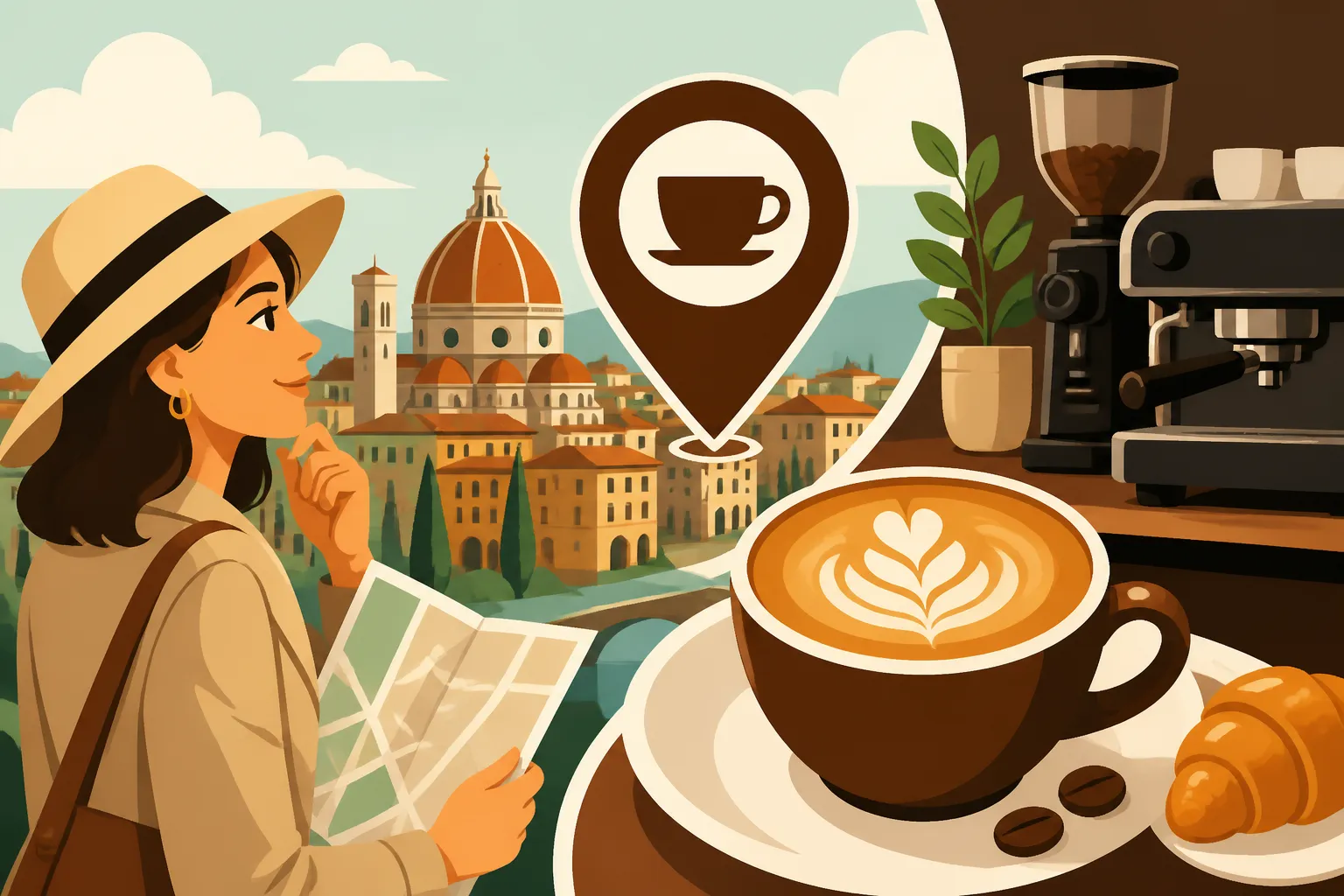
How to Find the Best Coffee Bars in Italy
One of the most frustrating experiences for a newcomer in Italy is the realization that you’ve just paid six euros for a mediocre cappuccino while sitting in a plastic chair in a crowded piazza. You look over and see locals standing at a nearby counter, tossing back a perfect espresso for a fraction of the price. This guide helps you bypass the tourist traps and navigate the complex, unwritten rules of finding the most authentic, high-quality coffee bars in Italy.
Disclosure: This post may contain affiliate links. We may earn a commission at no extra cost to you if you make a purchase through these links. Read full disclosure.
The Geography of a Great Italian Bar
To find the best coffee, you first have to understand where they are usually hiding. The most exceptional coffee bars in Italy are rarely located directly in front of a major monument like the Pantheon or the Duomo. While those spots offer a great view, they often prioritize volume and tourist turnover over the technical precision of the pull. As a veteran expat, I’ve learned that the "one-block rule" is your best friend. Simply walking one or two streets away from the main tourist artery will often lead you to a bar where the barista knows the names of every customer entering the door.
When you are planning your journey through Italy using tools like Omio to hop between cities, try to look for bars located near local markets or university districts. These areas demand high quality at a fair price because their customer base is composed of residents, not one-time visitors. If you are staying in a central area you booked through Booking.com, don't just settle for the hotel breakfast. Step outside and look for a place with a simple, understated sign that just says "Bar." In Italy, a "Bar" is primarily a coffee shop, and the best ones have been there for decades, often passed down through generations.
The atmosphere of an authentic bar is unmistakable. It is loud, fast-paced, and smells deeply of toasted beans and fresh pastries. Look for a place where there is a steady stream of people walking in, staying for exactly three minutes, and walking out. This is the "espresso pulse" of Italy. If you see a line of people standing at the counter (the banco), you have likely found a winner. This ritual is part of the broader Italian Wine, Coffee, and Aperitivo Culture that defines daily life here.
Identifying the Visual Cues of High-Quality Coffee
Once you are standing outside a potential bar, there are several visual indicators that will tell you if the coffee is worth your time before you even take a sip. First, look at the espresso machine. Brands like La Marzocco, Faema, or Victoria Arduino are the gold standards. If the machine is clean and the barista is constantly wiping down the steam wand after every use, it shows a level of care and hygiene that usually translates to the quality of the brew. A dirty steam wand with caked-on milk is an immediate red flag.
Another key indicator is the coffee brand displayed on the signage or the cups. While large commercial brands are common, look for local roasters or high-end names like Illy or Passalacqua (especially in the south). If the bar prides itself on a specific blend or a single-origin bean, they are likely catering to a more discerning crowd. You can often find specialized tours on GetYourGuide that focus specifically on these historic roasteries in cities like Naples or Trieste, which can give you a deeper appreciation for the craft.
The pastry case is your next stop. An authentic bar will have a selection of cornetti (the Italian version of a croissant) that look fresh and artisanal, not mass-produced and wrapped in plastic. Look for varieties like crema, marmellata, or pistacchio. If the pastries are being delivered in wooden crates from a local bakery early in the morning, you are in the right place. Understanding these nuances is a core part of Coffee Culture in Italy: How to Order Like a Local, as the pairing of the right pastry with your coffee is an art form in itself.
| Feature | Authentic Local Bar | Tourist Trap Cafe |
|---|---|---|
| Price (Espresso) | €1.10 – €1.30 (at the bar) | €3.50 – €6.00 (sitting down) |
| Service Style | Fast, standing at the counter | Slow, table service focused |
| Pastries | Freshly baked, local varieties | Frozen/reheated, generic |
| Menu | Often non-existent or a simple wall list | Large, multi-language with photos |
| Atmosphere | Local chatter, clinking spoons | Quiet or pop music, many cameras |
The Art of the Order and The Scontrino Process
One of the biggest hurdles for foreigners is the actual mechanics of ordering. In many high-traffic or high-quality bars, you do not simply walk up to the barista and ask for a coffee. You must first go to the cassa (the cash register), tell the cashier what you want, and pay. They will give you a small paper receipt called a scontrino. You then take this receipt to the bar, place it on the counter (sometimes with a 10 or 20-cent coin as a small tip for the barista, though this is optional), and repeat your order to the barista.
This process is where many expats feel the most "foreign" frustration, especially when the bar is crowded. You have to be assertive but polite. When the barista looks your way, that is your moment. If you want to fit in, keep it simple. If it's before 11:00 AM, a caffè latte or a cappuccino is perfectly acceptable. However, you should be aware of the social norms surrounding milk-based drinks; specifically, Why You Shouldn't Order a Cappuccino After Lunch in Italy is a rule that most locals follow strictly to aid digestion.
To truly order like a professional, use the correct terminology. Don't ask for an "espresso"—it’s just a caffè. If you want a double, it’s a caffè doppio. If you want a drop of milk, it’s a caffè macchiato. Learning these basics is a great way to practice your Survival Italian for Travelers: Key Phrases to Learn First and will earn you much more respect from the staff. When your coffee arrives, it will often be accompanied by a small glass of water. Drink the water first; it’s meant to cleanse your palate so you can fully taste the coffee.
Regional Variations: North vs. South
The definition of "the best" coffee bar changes significantly as you move from the top of the boot to the toe. In the North, particularly in cities like Milan or Turin, the coffee tends to be a bit lighter in roast, often with a higher percentage of Arabica beans. The bars are elegant, polished, and the service is efficient. If you are staying in a central Milanese neighborhood you found on Booking.com, you might notice that the bars feel almost like high-end boutiques.
As you head south towards Naples and Sicily, the coffee culture becomes more intense. The roasts are darker, the caffeine content is often higher due to the inclusion of Robusta beans, and the espresso is served "ristretto" (shorter and more concentrated). In Naples, the coffee is a religion. Many bars there still use manual lever machines, which require the barista to pull a large handle to create the pressure for the extraction. This results in a thick, hazelnut-colored crema that is unlike anything else in the world. For those interested in the financial side of these differences, checking How Much Should Coffee Cost at an Italian Bar? can help you prepare for the slight price increases in major northern hubs versus the southern provinces.
The social aspect also changes. In the south, the bar is the town square. People linger longer, and the conversation is more animated. You might even encounter the tradition of caffè sospeso (suspended coffee), where a customer pays for two coffees but only drinks one, leaving the second for a person in need to claim later. These cultural nuances are deeply embedded in Ordering Food and Drinks in Italian: A Practical Phrasebook and reflect the legendary hospitality of the Italian people. Whether you are traveling via Omio or driving through the countryside, taking the time to observe these regional shifts will lead you to the most authentic experiences.
Timing Your Visit for the Best Experience
Timing is everything when it comes to the Italian bar. If you go during the peak morning rush—usually between 7:30 AM and 9:00 AM—you will witness a chaotic but beautiful symphony of social interaction. This is the best time to see the bar in its full glory, but it can be overwhelming for a first-timer. If you prefer a more relaxed experience where you can chat with the barista and ask about their beans, try the "mid-morning lull" around 10:30 AM.
Another important time to visit is during the Aperitivo in Italy: The Pre-Dinner Ritual Explained period, which usually starts around 6:30 PM. Many of the best coffee bars transition into social hubs where coffee is replaced by Spritz or Negroni. However, they will still serve a perfect caffè if you need a pick-me-up before dinner. Observing how the staff manages this transition is a masterclass in Dress Codes and Bella Figura in Italy, as the clientele shifts from workers in overalls to locals dressed up for the evening passeggiata.
If you are a serious coffee nerd, you might want to look for "specialty coffee" shops. While traditional bars are the backbone of the country, a new wave of third-wave coffee shops is emerging in cities like Florence and Rome. These spots often offer pour-overs and aero-press options, which are rare in traditional establishments. You can find these modern gems by looking for coffee-specific walking tours on GetYourGuide, which often bridge the gap between the historic tradition and the modern movement.
Disclaimer
The information provided in this guide is for informational purposes only. While we strive to provide accurate and up-to-date advice regarding Italian customs and locations, local regulations and prices can change. Always verify current operating hours and pricing directly with the establishment. This guide does not constitute professional financial or legal advice regarding residency or business operations in Italy.