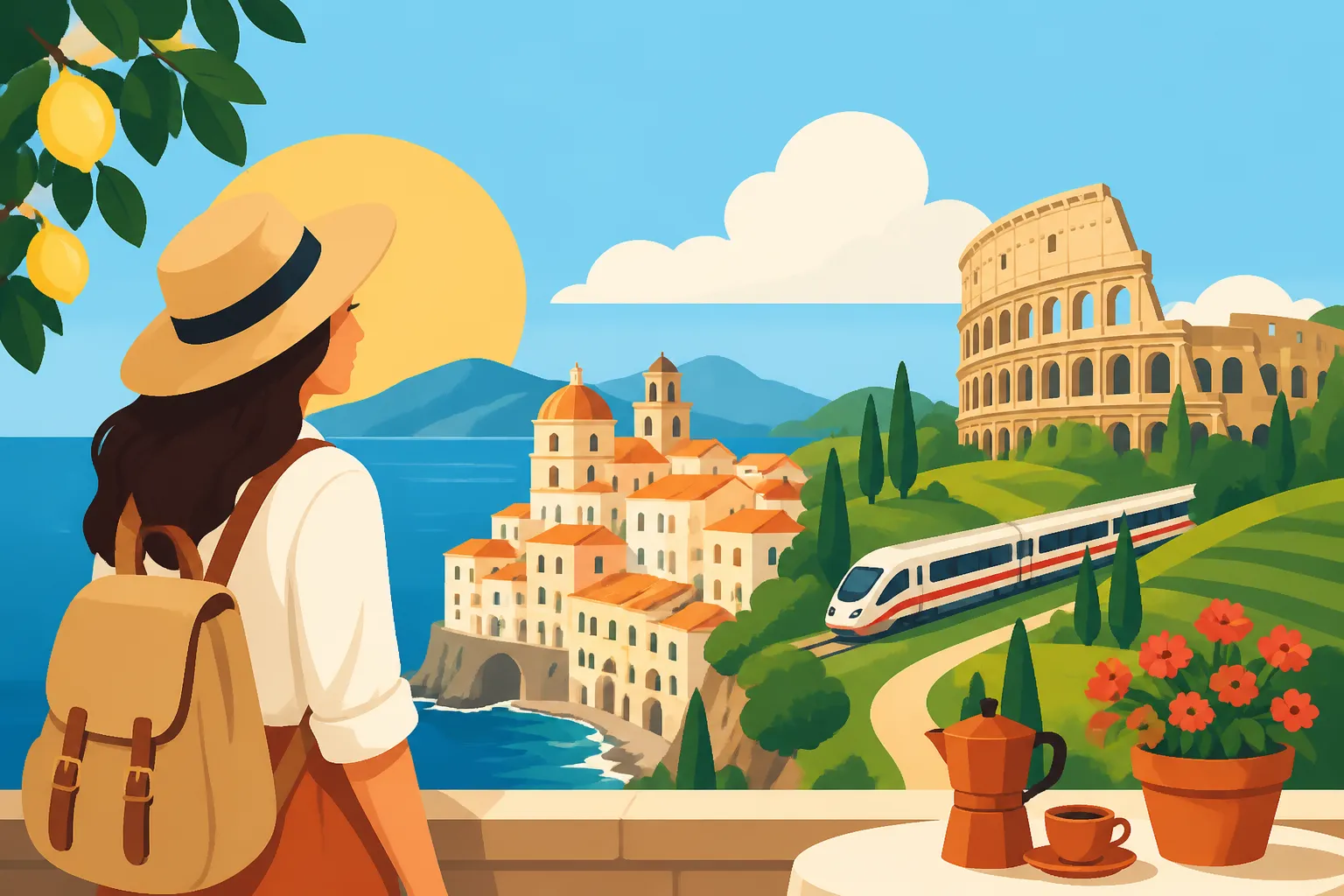
How to Travel Italy Slowly Over a Month
Many visitors to Italy find themselves caught in a whirlwind, rushing from Rome to Florence to Venice, ticking off sights from a checklist, and ending up more exhausted than enriched. If you’ve ever returned from a trip feeling like you barely scratched the surface, you’re not alone. This guide is for those who dream of truly experiencing Italy, settling into its rhythm, savoring its flavors, and understanding its heart over the course of a full month.
Disclosure: This post may contain affiliate links. We may earn a commission at no extra cost to you if you make a purchase through these links. Read full disclosure.
Why Slow Travel in Italy Is a Game Changer
Let's be honest, Italy is a feast for the senses, and the temptation to devour it all in one bite is strong. But trying to see Venice, Florence, Rome, the Amalfi Coast, and Cinque Terre in a mere ten days isn't just exhausting; it's a disservice to yourself and to Italy. You spend more time packing, unpacking, and waiting for trains than actually living and breathing the local culture. Slow travel, especially over a generous month, transforms your journey from a frantic dash into a delightful amble.
Escaping the Tourist Treadmill
When you give yourself a month, you're no longer bound by the tyranny of the "must-sees" checklist. That feeling of constantly rushing, of needing to be somewhere else to catch a glimpse of yet another famous landmark, simply evaporates. Instead, you wake up in your chosen town or city with the luxury of time. Perhaps you'll decide to revisit that charming piazza from yesterday, just to watch the world go by with a leisurely cappuccino, or spend an entire afternoon simply reading a book in a local park. You're not fighting crowds or scrambling for the best photo op; you're simply being.
This relaxed pace means you can wander aimlessly down a side street without worrying about missing your next bus. You might stumble upon a tiny artisan shop, a local bakery with a queue out the door, or a hidden church with frescoes no guidebook mentions. These are the truly memorable moments, the serendipitous discoveries that make travel so rewarding. You stop feeling like a tourist and start feeling like a temporary resident, which, believe me, is a completely different and far superior experience.
Deeper Cultural Immersion
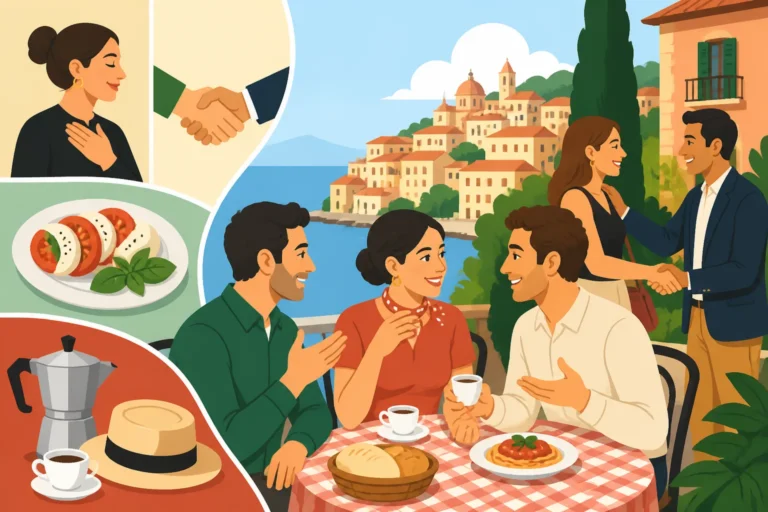
True immersion in Italy isn't about memorizing dates or names of Renaissance artists; it's about understanding the subtle nuances of daily life, the rhythm of a community, and the unwritten rules of social interaction. A month allows you to witness the ebb and flow of seasons, the local festivals, and the routines of the people who call Italy home. You'll learn that Italians don't drink cappuccino after 11 AM (unless they're foreigners!), that an aperitivo isn't just a drink but a social ritual, and that meal times are sacred.
You'll also have the opportunity to delve deeper into local customs and truly practice your Italian. Forget the polite "prego" and "grazie"; with more time, you can actually engage in longer conversations with shopkeepers, market vendors, and even your neighbors. This sustained interaction breaks down barriers, offering insights into the Italian way of thinking, their humor, and their profound connection to family and food. It’s in these sustained moments, rather than fleeting glances, that you truly begin to feel like you’re part of something larger.
Practical Benefits: Less Stress, More Savings
Beyond the emotional and cultural rewards, slow travel has tangible practical advantages. Constant movement means constant expenses: more train tickets, more short-term accommodation fees, more money spent eating out because you don't have time to grocery shop. By staying in one or two regions for longer periods, you unlock opportunities for significant savings.
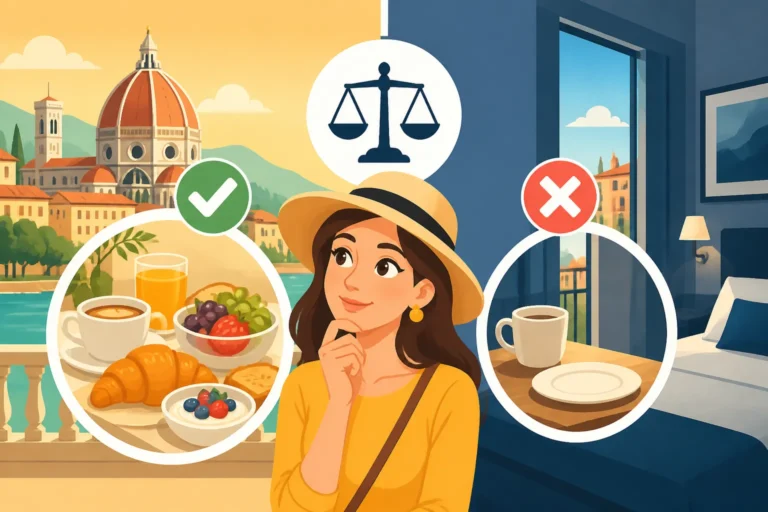
Firstly, you can opt for longer-term rentals like Airbnbs or local apartments, which are almost always cheaper per night than hotels, especially when booked for a week or more. This also gives you a kitchen, allowing you to prepare some of your own meals – a huge money-saver and a fantastic way to engage with local food markets. Secondly, fewer travel days mean fewer expensive train or bus tickets. When you do travel, you can choose slower, regional trains which are often much cheaper and offer delightful scenery. You'll find yourself less stressed about logistics, allowing you to focus on the joy of exploration.
Crafting Your Month-Long Italian Itinerary: Less Is More
The biggest mistake first-time visitors make is trying to cram too much into their Italian itinerary. With a month at your disposal, you might be tempted to see everywhere. Resist this urge with all your might. The secret to successful slow travel in Italy is to choose quality over quantity. Pick a few regions, settle in, and let the magic unfold.
Choosing Your Regions: A Focused Approach
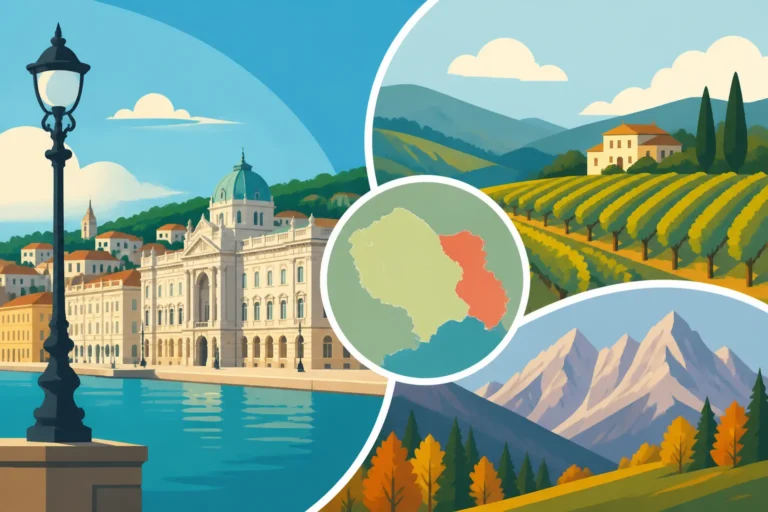
Italy is incredibly diverse, from the Alpine north to the sun-drenched south, each region boasts its own distinct culture, cuisine, and landscape. With a month, a realistic and rewarding approach is to choose no more than two or three distinct regions, allowing you one to two weeks in each. This enables true exploration without constant packing and moving.
For instance, you might focus on Northern Italy: perhaps a week in Milan or Turin for a taste of sophisticated city life, followed by two weeks exploring the enchanting Italian Lakes region, like Como or Garda, using one town as a base. Or, maybe you're drawn to Central Italy: perhaps two weeks in Tuscany, using Florence as a base for day trips to Siena and Chianti, followed by another two weeks delving into Umbria's medieval hill towns. For those yearning for the South, consider two weeks exploring Sicily's ancient ruins and stunning coastline, then another two weeks hopping between the charming towns of Puglia. Trying to go from, say, Venice to Florence to Naples to Sicily in a month might sound like a good idea on paper, but in reality, you'd spend half your time on trains.
Think about what truly excites you. Is it ancient history? Rolling vineyards? Coastal charm? Culinary adventures? Let your passion guide your regional choices rather than a list of famous cities.
Planning Your Pace: How Long in Each Spot
Once you've narrowed down your regions, the next step is to decide how long you'll stay in each specific city or town. For major cultural hubs like Rome, Florence, or Venice, you might want a full week to truly absorb the atmosphere, see the main sights at your leisure, and allow for unexpected discoveries. For smaller towns or villages, three to five days might be perfect.
The beauty of a month-long trip is that you don't need to plan every single day. Instead, sketch out your anchor points. For example, if you're dedicating two weeks to Tuscany, you might spend five days based in Florence, four days based in a smaller town like Siena or Cortona, and then have some flexible travel days in between, perhaps even staying a night or two in a truly remote agriturismo. This flexibility means if you fall in love with a particular spot, you have the wiggle room to extend your stay slightly, or if a place doesn't quite click, you can move on without feeling like you've wasted precious time. Remember, the goal is not to see everything, but to experience deeply what you do see.
The Art of the Base Camp
A key strategy for slow travel is establishing "base camps." Instead of packing up every two or three nights, choose a strategic city or town within your chosen region and stay there for a week or even two. From this base, you can take easy day trips to surrounding areas, returning to your familiar accommodation each evening. This approach significantly reduces travel fatigue and the constant stress of checking in and out.
Florence, for example, makes an excellent base for exploring Tuscany. From there, you can easily take trains or buses to Siena, Pisa, San Gimignano, and even Bologna for a taste of Emilia-Romagna. Similarly, Bologna itself is a fantastic base for exploring the heart of Emilia-Romagna, with excellent train connections to Parma, Modena, and Ravenna. If you're tackling the South, Naples could be your jumping-off point for Pompeii, the Amalfi Coast, and Capri. For Sicily, consider a base like Palermo or Catania, with spokes extending outwards. This allows you to truly unpack, settle in, and live like a local, even if only for a short while, without constantly changing your address. It transforms travel days into relaxing excursions.
Logistics for an Extended Stay: Accommodation, Transport, and Daily Life
One of the biggest hurdles for anyone new to living in Italy, even temporarily, is navigating the logistics. From finding a place to sleep for a month to getting around without a car, and then simply managing daily life, it can feel daunting. But trust me, with a bit of planning and a healthy dose of patience, it’s completely doable and incredibly rewarding.
Finding Your Home Away From Home
For a month-long stay, skipping hotels in favor of self-catering apartments is almost always the smarter choice. Not only are they more cost-effective for extended periods, but they also offer a kitchen, laundry facilities, and a more authentic living experience. Websites like Booking.com and Airbnb are excellent starting points for finding apartments, but don't shy away from local rental agencies, especially if you plan to stay in a smaller town. Sometimes you can find better deals directly with local owners.
When searching, look for places with good reviews, reliable Wi-Fi (a must for most of us!), and a well-equipped kitchen. Consider the neighborhood carefully – do you want to be right in the bustling city center, or prefer a quieter residential area with easy access to public transport and local shops? Many hosts offer discounts for stays of a week, two weeks, or even a full month, so always check for those options. And remember, understanding Italian Rental Contracts 101: 4+4, 3+2, and Transitorio can be useful, though for shorter stays (under 3 months) you'll likely encounter contratti transitori which are designed for temporary residents.
Navigating Italy: Trains, Buses, and the Occasional Car
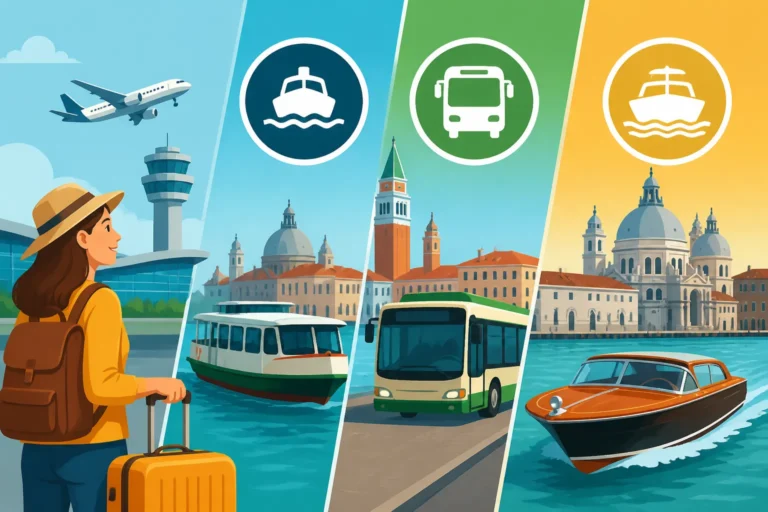
Italy's public transportation network is surprisingly efficient, especially the rail system, making it perfect for slow travel. High-speed trains in Italy: Trenitalia, Italo, Routes, and Savings connect major cities quickly, but for regional travel between smaller towns, the slower regional trains and local buses are your best friends. You can easily book train tickets online via Omio or directly with Trenitalia and Italo. Booking in advance, particularly for high-speed routes, can save you a pretty penny.
For exploring truly rural areas or places where public transport is sparse, a car rental for a few days can be invaluable. However, be acutely aware of Italy's ZTLs (Limited Traffic Zones) in city centers – these are strictly enforced and fines are hefty! Many people opt to rent a car for specific portions of their trip, returning it once they're back in a major city. Alternatively, consider private transfer services or ride-sharing apps, though these are less common and more expensive outside of major metropolitan areas. For city-to-city travel, I swear by the trains; they’re reliable, often scenic, and a fantastic way to simply relax and watch the Italian landscape roll by. If you’re an EU citizen, your existing driver's license is fine, but non-EU visitors often need an International Driving Permit. You can learn more about Getting Around Italy: Trains, Buses, Flights, and Car Hire for detailed insights.
Embracing Local Living: Groceries, Markets, and Routine
One of the greatest joys of slow travel is adopting a local routine. This means less eating out at tourist traps and more trips to the local supermercato or, even better, the daily market. Grocery Shopping in Italy: Supermarkets vs Markets will become your bible. You’ll discover fresh, seasonal produce, incredible cheeses, cured meats, and freshly baked bread that will make you question why you ever paid for restaurant breakfasts. Not only is it cheaper, but it’s a wonderful cultural experience, especially if you take the time to chat with the vendors (even with limited Italian, a smile goes a long way).
Setting up a local SIM card is also a must. Choosing a Cell Phone Plan in Italy is fairly straightforward, with major providers like TIM, Vodafone, and WindTre offering tourist-friendly plans. This ensures you have data for navigation, translations, and staying connected with friends and family. Don't forget to embrace the rhythm of Italian life: the mid-day riposo (rest), the late dinner, and the evening passeggiata (stroll). These aren't just quaint traditions; they’re integral parts of the culture, and participating in them is a form of immersion itself.
Making the Most of Your Slow Adventure
A month in Italy is a gift, and to truly unwrap it, you need to be open to its surprises and commit to venturing beyond the predictable.
Language and Connection
Even if your Italian is limited to "ciao" and "grazie," make an effort! A little goes a long way in showing respect and opening doors. Download a translation app for offline use, and learn a few key phrases like "Posso avere…?" (Can I have…?) or "Quanto costa?" (How much does it cost?). Italians are generally very appreciative of any attempt to speak their language. When you have more time, you're not just asking for directions; you might be asking for recommendations on the best local trattoria, or engaging in light banter at the deli counter. This is where real connections are forged.
Consider taking a short, informal language class for a week or two at the beginning of your trip. Many cities offer intensive courses designed for travelers. Not only will your language skills improve, but you'll also meet fellow travelers and get insider tips from local teachers. Beyond formal lessons, actively seek out opportunities to use the language. You'll find that Italian Language and Everyday Communication for Visitors is much more accessible when you have a month to practice.
Hidden Gems and Local Experiences
One of the greatest luxuries of slow travel is the time to uncover Italy's true hidden gems. These aren't the places packed with tour buses, but the quiet corners, the local haunts, and the experiences that only reveal themselves when you’re not rushing. Instead of booking every major attraction in advance, allow yourself spontaneous detours. If you're based in Florence, instead of always heading to the Uffizi, spend an afternoon exploring Oltrarno, the artisan district, or taking a cooking class to learn the secrets of Tuscan cuisine.
Use local resources to find out what’s happening in your chosen town. Check local event posters, ask at the tourist information office, or even just observe where the locals congregate. You might discover a village sagra (food festival), a free outdoor concert, or a captivating art exhibition. Websites like GetYourGuide can also offer unique, off-the-beaten-path experiences like truffle hunting, pasta making with a nonna, or guided walks through lesser-known historical sites. These activities often connect you with local experts and provide an invaluable glimpse into authentic Italian life that you simply can't get from a standard tour. These are the moments that will truly enrich your understanding of Italian Food Culture: Eating Well as a Visitor and other traditions.
Flexibility Is Your Best Friend
The best advice for any long-term traveler, especially in Italy, is to embrace flexibility. Things might not always go according to plan. Trains might be delayed (it happens!), a museum might be unexpectedly closed, or you might simply feel like spending a lazy day reading by a fountain instead of trekking to another landmark. And that’s perfectly okay! The month-long itinerary is a framework, not a rigid prison.
Allow yourself the freedom to adapt, to linger, or to change direction. If you find a small town that captivates your soul, extend your stay. If the weather turns sour, pivot to an indoor activity. Don't feel pressured to constantly be "doing something." Sometimes, the most profound experiences come from simply sitting in a piazza, observing the world, and letting Italy wash over you. This relaxed approach aligns perfectly with Italian Customs, Etiquette, and Social Life. This is the essence of slow travel: allowing Italy to unfold before you, one glorious, unhurried moment at a time. For those seeking to connect with fellow travelers and expats for tips and company, checking out Connecting with Expat Communities in Italy can provide valuable insights and social opportunities throughout your extended stay.
| Aspect of Travel | Fast Travel (1-2 weeks) | Slow Travel (1 month+) |
|---|---|---|
| Pace | Hectic, rushed, checklist-driven | Leisurely, explorative, spontaneous |
| Destinations | Many cities/regions, superficial visits | Few regions, deep immersion in each |
| Accommodation | Hotels, short-term rentals | Apartments, house-sitting, longer rentals |
| Cost | Higher per-day, more transport | Lower per-day, fewer transitions |
| Food | Tourist restaurants, quick bites | Home cooking, local markets, authentic trattorie |
| Culture | Observed from a distance | Experienced, participated in, understood |
| Language | Basic phrases, relying on English | Actively practiced, conversations initiated |
| Stress Level | High, constant planning, fear of missing out | Low, relaxed, open to discovery |
| Memories | Snapshots, "been there, done that" | Deep, nuanced, personal connections |
Disclaimer
The information provided in this guide is intended for general informational purposes only and does not constitute professional advice. While we strive to keep the content up-to-date and accurate, regulations, prices, and availability can change rapidly in Italy. It is always recommended to verify current information with official sources, local authorities, or relevant service providers before making any travel plans or decisions.