Moving to Italy from Brazil: Atlantic Shipping Routes and Timelines
Oh, my friend, the thought of moving your entire life across an ocean, from the vibrant warmth of Brazil to the ancient charm of Italy, can feel utterly overwhelming. It's not just about packing boxes; it's about navigating two different cultures, two distinct bureaucracies, and a vast expanse of ocean with all your worldly possessions in tow. This guide is here to untangle the complexities of Atlantic shipping routes and timelines, giving you a clear roadmap and introducing you to a truly invaluable resource, Sirelo, to help make this epic journey as smooth as possible.
Disclosure: This post may contain affiliate links. We may earn a commission at no extra cost to you if you make a purchase through these links. Read full disclosure.
The Labyrinth of Moving Your Life Across the Atlantic from Brazil to Italy
Let's be honest, the idea of a global move is exciting, but the reality can quickly feel like you've signed up for a full-time job. You're not just moving house; you're moving a home, a history, a future. And when that move involves an ocean, things get exponentially more complicated.
Why Shipping Your Belongings Isn't Just "Sending a Box"
When you decide to relocate from Brazil to Italy, you're not just "sending a box" across the world. You're entrusting your memories, your comforts, and your necessities to a complex logistical chain. Imagine all those items – from your beloved coffee maker to your favorite armchair – journeying thousands of kilometers. This isn't a quick trip to the post office. It involves intricate planning, specialized packing, adherence to international shipping laws, customs declarations in two countries, and the coordination of multiple transport stages. It's a colossal undertaking that can trigger anxiety even in the most organized among us.
The sheer scale of moving household goods internationally often catches people off guard. What seems simple in theory becomes a monster of details in practice. You'll face language barriers, differing legal requirements, and the distinct possibility of delays at various points. Then there's the emotional weight: deciding what comes, what stays, what gets sold. It’s draining, and it’s completely normal to feel frustrated by it all. That's precisely why many expats choose to utilize platforms like Sirelo, which can drastically cut down on the individual stress by connecting you with experienced professionals who understand this intricate process.
Initial Considerations for Your Move: What to Ship, What to Leave
Before a single box is packed, you need to seriously evaluate what's coming with you to Italy. This isn't just about sentimentality; it's about practicality, cost, and ultimately, making your new life in Italy comfortable without being burdened by unnecessary baggage.
First, consider the climate. Italy has diverse climates, but generally, you'll find four distinct seasons. Do you really need that heavy Brazilian winter coat if you're moving to Sicily, or will a lighter one suffice? Next, think about voltage. Brazil uses 127V/220V with a mix of types N and C sockets, while Italy predominantly uses 230V with types F and L. Many of your Brazilian electronics will require adapters or even transformers, or might not be compatible at all. Large appliances like refrigerators or washing machines? Honestly, it's often more cost-effective and less hassle to buy new ones in Italy, where they'll be suited to local standards and smaller Italian home sizes. Space is another huge factor; many Italian apartments, especially in cities like Rome or Florence, are significantly smaller than homes you might find in Brazil. That sprawling sectional sofa might not fit through the door, let alone into your new living room!
This pre-shipping purge is crucial. The less you ship, the less it costs, the fewer customs issues you might encounter, and the faster your overall process. Items of high sentimental value, unique art pieces, essential documents, and specific personal belongings are usually worth shipping. Everything else? Weigh its monetary value against the cost and effort of shipping it across continents. Many expats find great benefit in using a service like Sirelo to get comparative quotes, allowing them to understand the cost implications of shipping different volumes and making informed decisions about what to bring.
Unpacking Atlantic Shipping Routes and Modes from Brazil to Italy
So, you've decided what's making the journey. Now, how does it actually get from Brazil to Italy? Your main options will revolve around sea freight and air cargo, each with its own advantages and drawbacks in terms of cost, speed, and suitability for different types of items.
Sea Freight: The Workhorse of International Relocation
For the vast majority of expats moving their entire household, sea freight is the default choice. It's the most cost-effective method for shipping large volumes of goods, making it ideal for furniture, appliances (if you decide to bring them), and numerous boxes of personal effects.
You'll typically encounter two main options:
- FCL (Full Container Load): This means you get an entire shipping container (usually 20-foot or 40-foot) exclusively for your belongings. It's faster to load and unload as no consolidation is needed, and your goods are segregated. This is best for larger homes or if you have a significant amount of items.
- LCL (Less than Container Load): Your belongings are crated or palleted and share space within a container with other people's shipments going to the same general region. This is more economical for smaller moves, like a one-bedroom apartment or just a few key pieces of furniture. However, it can take longer due to the consolidation and deconsolidation process.
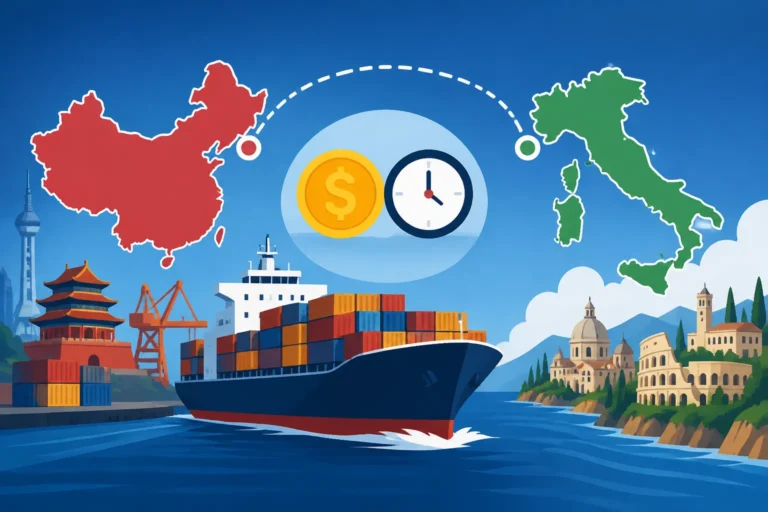
The journey itself will typically involve your items being loaded onto a vessel at a major Brazilian port, such as Santos, Rio de Janeiro, or Paranaguá. From there, they'll traverse the Atlantic, likely making several stops along the way before arriving at a major Italian port like Genoa, Livorno, or Naples. The transit time just for the ocean voyage can range anywhere from 4 to 8 weeks. And remember, this doesn't include the time needed for packing, loading at the origin, processing through customs on both ends, and final delivery to your Italian doorstep. So, realistically, prepare for a total door-to-door timeline of 2 to 3 months. While it sounds long, for larger moves, it’s often the only practical solution. When looking for moving companies, ensure they have experience with the Brazil-Italy route, and platforms like Sirelo are excellent for sourcing such specialized movers.
Air Cargo: When Speed is of the Essence
If you're in a hurry, or if you only have a few critical items that you can't live without for several weeks, air cargo is your answer. Think of it for essential clothing, important documents, critical medical supplies, valuable small electronics, or items you need immediately upon arrival.
The primary advantage of air cargo is speed. Your items can travel from major Brazilian international airports like São Paulo-Guarulhos (GRU) or Rio de Janeiro-Galeão (GIG) to Italian airports such as Rome-Fiumicino (FCO) or Milan-Malpensa (MXP) in a matter of 3 to 7 days. This is a significant difference compared to sea freight.
However, this speed comes at a considerable cost. Air cargo is significantly more expensive per kilogram than sea freight, making it impractical for large volumes. It's usually reserved for smaller, urgent shipments. It's a strategic choice, not a comprehensive solution for an entire household. Many expats combine air cargo for their initial setup with sea freight for the bulk of their belongings.
Hybrid Solutions: A Smart Approach for Expats
For many expats, the most intelligent and practical approach is a hybrid solution. This strategy involves carefully dividing your belongings into two categories: immediate essentials and bulk household goods.
You'd send your most crucial items – a few changes of clothes, important paperwork, perhaps a laptop, chargers, some personal toiletries, and favorite toys for children – via air cargo. These items will arrive relatively quickly, allowing you to settle into your temporary accommodation and start tackling immediate tasks like How to Get a Codice Fiscale in Italy (and Why You Need One) or Obtaining the Italian Health Card (Tessera Sanitaria) without feeling completely adrift. Having these items on hand during the initial, often chaotic, weeks in a new country can drastically reduce stress and make the transition much smoother.
The rest of your household items – furniture, kitchenware, decorative items, books, and non-essential clothing – would then travel by sea freight. This way, you balance the need for immediate comfort and functionality with the cost-effectiveness of shipping larger volumes. A good international moving company, easily found through Sirelo, can help you strategize this split, coordinating both air and sea shipments, ensuring that your essentials arrive when you need them and your bulk items follow efficiently.
Timelines, Documentation, and Smooth Sailing (Relatively Speaking!)
One of the biggest sources of frustration for expats is the nebulous nature of international moving timelines. It's rarely as simple as "drop off here, pick up there." It's a multi-stage process, and understanding each step will help you manage expectations and avoid unnecessary stress.
Deconstructing the Shipping Timeline: Beyond Just Transit
Let's break down the realistic door-to-door timeline for your move from Brazil to Italy, assuming sea freight for the bulk of your items:
- Preparation and Packing (1-2 weeks): This phase involves decluttering, organizing, purchasing packing supplies, and the actual packing. If you hire professional packers, this might be quicker, but you still need to prepare your items for them.
- Collection and Origin Port Processing in Brazil (1-2 weeks): Once packed, your moving company collects your goods, transports them to the port, loads them into a container (or consolidates them for LCL), and handles all necessary export documentation and customs clearance in Brazil.
- Ocean Transit (4-8 weeks): This is the time the ship spends crossing the Atlantic. Weather, port congestion, and specific routes can influence this.
- Destination Port Processing and Customs in Italy (1-3 weeks, sometimes more): Upon arrival in Italy, your goods must be unloaded, deconsolidated (for LCL), and undergo Italian customs clearance. This stage can be unpredictable. Any missing or incorrect documentation will cause significant delays.
- Final Delivery to Your Italian Destination (1 week): Once cleared, your items are transported from the port to your new home in Italy.
So, when you add it all up, you're realistically looking at a total of 8 to 14 weeks (2 to 3.5 months) for a door-to-door sea freight move. Air cargo, while faster in transit, still has similar (though shorter) preparation and customs processing times. The absolute best advice I can give you is to start planning early – think 3-6 months before your desired move date. Engaging with a platform like Sirelo allows you to get detailed timelines from various movers, giving you a clearer picture of what to expect and helping you choose a company whose schedule aligns with yours.
Essential Documentation: Your Paperwork Lifeline
Ah, paperwork. The bane of every expat's existence. But trust me, getting this right is paramount. Incomplete or incorrect documentation is the number one reason for delays and headaches at customs. Here's a crucial list of documents you'll likely need:
- Passport: Valid for at least six months beyond your intended stay.
- Visa or Permesso di Soggiorno: Proof of your legal right to reside in Italy. Without this, importing household goods duty-free can be impossible. You'll definitely want to understand your options, whether it's the Ultimate Guide to Visas and Immigration in Italy or the specifics of your Italian Residence Permit (Permesso di Soggiorno) Explained.
- Codice Fiscale: Your Italian tax code, essential for almost everything, including customs clearance.
- Detailed Inventory List (Packing List): A comprehensive, itemized list of everything in each box. This must be accurate and often needs to be in English and Italian.
- Proof of Residency (in Brazil): Documents proving you lived in Brazil (e.g., utility bills, rental contracts) for at least 12 months. This helps establish your goods as "used household effects."
- Proof of Residency (in Italy): A rental contract or property deed for your Italian address.
- Bill of Lading (for sea freight) or Airway Bill (for air freight): Issued by the shipping company, this is essentially the contract of carriage for your goods.
- Customs Declarations: Specific forms required by both Brazilian and Italian customs.
- Dichiarazione Consolare (Consular Declaration): This is a crucial document issued by the Italian Consulate in Brazil. It certifies that you are moving your primary residence to Italy and, if eligible, allows you to import your used household effects duty-free. Apply for this well in advance!
The sheer volume of paperwork is daunting, but your chosen moving company (especially those found through Sirelo) should guide you through each step, providing templates and ensuring everything is in order.
Customs, Duties, and the Italian Bureaucratic Gauntlet
Navigating Italian customs can feel like playing a game with ever-changing rules, especially for newcomers. The general rule for importing used household goods is that if you are transferring your normal residence to Italy and have owned and used the items for at least six months in Brazil, they should be exempt from import duties and VAT. This is where the Dichiarazione Consolare mentioned above becomes your golden ticket.
However, there are caveats:
- New Items: Any new items (still in packaging, with tags) might be subject to duties and VAT. Be honest on your inventory.
- Restricted/Prohibited Items: Certain items are restricted or prohibited. This includes firearms, illicit drugs, certain types of food, plants, and sometimes even specific electronics. Always check with your mover or the Italian customs agency.
- Alcohol/Tobacco: These are heavily taxed and often have strict limits, even for personal use. Declare them!
- Vehicles: Importing a car or motorcycle has its own complex rules, taxes, and registration processes, often making it more trouble than it's worth.
Be prepared for potential customs inspections, which can add to the timeline. Even with all your ducks in a row, Italian bureaucracy (like bureaucracy everywhere, but sometimes with its own special flair) can test your patience. This is why having an experienced international mover, who understands these nuances and has established contacts, is absolutely invaluable. They act as your advocate, navigating the system, translating documents, and troubleshooting issues. Sirelo connects you with these very experts, reducing your personal burden.
Choosing Your Moving Partner: Why Sirelo is Your Best Bet
Now, after all this talk of timelines, paperwork, and customs, you might be thinking, "There's no way I can do this alone!" And you'd be right. Attempting a cross-continental move from Brazil to Italy without professional help is an invitation to stress, expense, and potential disaster.
The Perils of DIY International Moving
Imagine trying to source a container, understand specific port regulations in both countries, fill out customs forms in Italian (and Portuguese!), arrange ground transport, and deal with unexpected delays – all while trying to settle into a new country where you might not even speak the language fluently. The risks are enormous:
- Hidden Costs: What seems cheaper upfront can quickly escalate with unexpected port fees, storage charges, customs penalties, or transport issues.
- Lost or Damaged Items: Without professional packing and handling, your precious belongings are at a much higher risk. And without proper insurance through a reputable mover, good luck getting compensation.
- Customs Nightmares: A small error on a form or a misunderstanding of a rule can lead to significant delays, fines, or even confiscation of goods.
- Language Barriers: Trying to communicate complex logistical details with port authorities or customs officials in a language you're not fluent in is incredibly frustrating and prone to errors.
The mental and emotional toll of handling all this yourself, on top of the already immense stress of moving abroad, is simply not worth it.
How Sirelo Simplifies Your Move from Brazil to Italy
This is where Sirelo truly shines as your hero in this moving saga. Sirelo is an online platform specifically designed to simplify international moves, acting as a bridge between you and reliable, professional moving companies. It's not a moving company itself; instead, it empowers you to make informed decisions and find the best fit for your unique needs.
Here's how Sirelo makes your move from Brazil to Italy much easier:
- Vetted, Reputable Movers: Sirelo connects you with international moving companies that have a proven track record, specializing in routes like Brazil to Italy. You don't have to scour the internet wondering if a company is legitimate; Sirelo does that initial vetting for you.
- Multiple, Comparative Quotes: Instead of contacting dozens of movers individually, Sirelo allows you to submit your moving details once and receive multiple quotes from different companies. This allows for easy comparison of prices, services included, and timelines, ensuring you get the best value for your money.
- Access to Reviews and Ratings: One of the most powerful tools Sirelo offers is access to reviews and ratings from other expats who have used these services. You can read about real experiences, learning from others' triumphs and challenges, helping you choose a mover with confidence.
- Streamlined Information Gathering: Sirelo centralizes the initial contact and information exchange, saving you countless hours of back-and-forth communication. It helps you quickly get the essential details you need to start planning.
Essentially, Sirelo takes the initial overwhelming step of finding a trustworthy and capable international mover and transforms it into a straightforward, transparent process. It's an indispensable first step for any expat looking to move their life across the Atlantic to Italy. Don't navigate this journey alone – start your move the smart way by visiting Sirelo today and finding your perfect moving partner!
Practical Tips for a Smoother Transition
Even with the best moving company and a clear understanding of the process, a few additional tips can make a world of difference in your international relocation.
Packing Smart for the Long Haul
The way you pack can significantly impact the safety of your items and the efficiency of customs clearance.
- Quality Materials: Invest in sturdy, double-walled moving boxes. New boxes are always better than used ones for international shipping as they're less likely to collapse. Use plenty of bubble wrap, packing paper, and strong packing tape.
- Clear Labeling: Label every box clearly on at least two sides with its contents (e.g., "Kitchen – Pots and Pans"), the room it belongs in, and your name/destination address. For priority boxes (e.g., immediate essentials), mark them as such.
- Comprehensive Inventory: Beyond the required customs inventory, keep your own detailed list, perhaps even with photos. This is vital for insurance claims if anything goes missing or is damaged.
- Professional Packing: Consider letting your moving company (many found on Sirelo offer this service) handle the packing. They use specialized techniques and materials designed for long-distance international travel, and often, insurance policies require professional packing for full coverage.
Insuring Your Precious Cargo
This is non-negotiable. Do not, under any circumstances, ship your belongings across an ocean without comprehensive transit insurance. Accidents happen, containers fall overboard, items get damaged in transit, or during loading/unloading.
- Marine Insurance: This is the standard for sea freight. It covers your goods while they are on the vessel.
- Types of Coverage: Discuss options with your mover. "Total Loss" only covers if the entire shipment is lost (e.g., the container falls into the sea). "All-Risk" coverage is more comprehensive, protecting against damage, theft, and partial loss. While more expensive, it offers far greater peace of mind.
- Declared Value: Accurately declare the value of your items. Over-declaring won't help if something is lost, and under-declaring will leave you under-compensated.
- Deductibles: Understand any deductibles on your policy.
What to Do Upon Arrival in Italy (While You Wait)
Even with air freight for essentials, there will be a waiting period before your main shipment arrives. Use this time wisely to get organized in Italy.
- Temporary Accommodation: Have your temporary housing sorted before you land. Look for furnished short-term rentals that give you flexibility.
- Bureaucracy First: Prioritize getting your Codice Fiscale, registering with your local comune for residency (read more about How to Register Residency at the Italian Anagrafe), and beginning the application process for your Permesso di Soggiorno. These are foundational steps for almost everything else.
- Healthcare: Once you have your Codice Fiscale and residency, start the process for Obtaining the Italian Health Card (Tessera Sanitaria) to access the national health service.
- Essentials: Having those critical items sent by air will allow you to function day-to-day without constantly buying replacements. This is where a hybrid shipping strategy truly pays off.
- Connect: Seek out expat groups in your area. They can offer invaluable advice, support, and help you navigate the initial cultural adjustments.
A little planning and the right professional help, particularly through platforms like Sirelo, can turn what seems like an impossible task into an exciting new chapter in your Italian adventure.
| Shipping Mode | Cost | Speed | Volume | Best For | Considerations |
|---|---|---|---|---|---|
| Sea Freight | Low to Medium | Slow (4-8 weeks transit) | Large volumes | Full household moves, furniture, non-urgent items | Long total timeline (2-3.5 months), potential for customs delays |
| Air Cargo | High | Fast (3-7 days transit) | Small volumes | Urgent essentials, valuable small items, documents | Significantly more expensive, not suitable for bulky items |
| Hybrid | Medium | Mixed | Mixed | Most expats seeking balance | Requires careful planning and coordination of two shipments |
Disclaimer
Please note that the information provided in this guide is intended for general informational purposes only and does not constitute legal, tax, or professional advice. Immigration, customs, and shipping regulations are subject to change and vary based on individual circumstances. It is highly recommended to consult with professional moving companies, immigration lawyers, and tax advisors specializing in Italian and Brazilian regulations for personalized guidance regarding your specific relocation needs. Always verify information with official sources and governmental agencies before making any decisions.