Shipping Medication and Supplements to Italy: Quantity Limits and Prescriptions
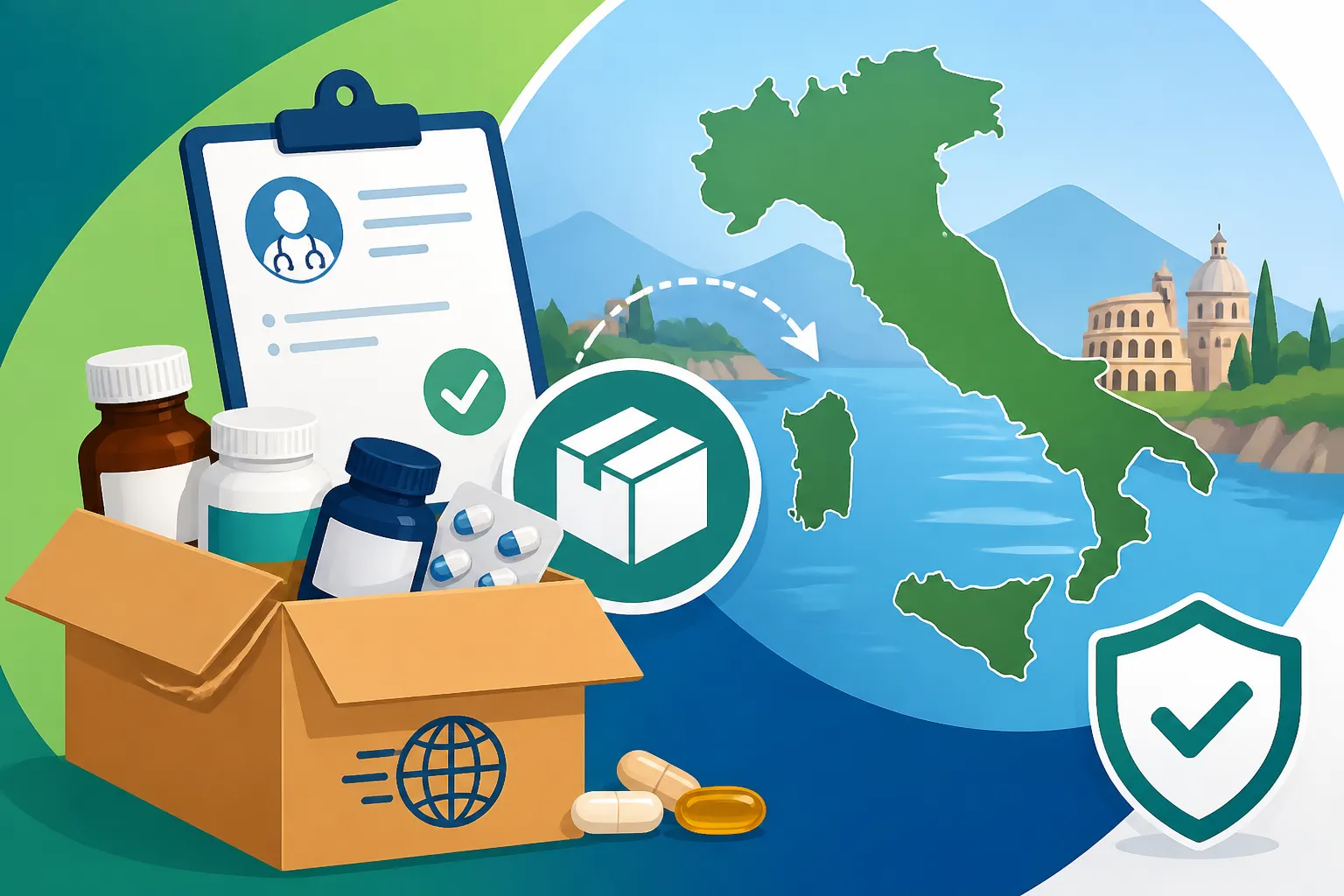
Moving to Italy is an exhilarating adventure, full of dolce vita dreams, but let's be real – the practicalities, especially when it comes to something as vital as your health, can be a monumental headache. One of the biggest stressors many expats face is figuring out how to safely and legally get their essential medications and supplements into the country. It's not as simple as tossing them into a box and hoping for the best; Italian regulations are strict, and navigating them can feel like an impossible task. This comprehensive guide is here to cut through the confusion, offering clear, empathetic advice on shipping your vital health supplies to Italy and why finding the right moving partner is absolutely essential to avoid unnecessary stress and potential issues.
Disclosure: This post may contain affiliate links. We may earn a commission at no extra cost to you if you make a purchase through these links. Read full disclosure.
The Italian Bureaucratic Maze: Why Shipping Meds Isn't Simple
The relaxed image of Italy often hides a labyrinthine bureaucracy, and nowhere is this more apparent than when dealing with health-related imports. What might seem like a simple vitamin back home could be classified differently here, and a prescription that’s perfectly valid in your country might not pass muster with Italian customs. It’s a reality that can hit hard when you're just trying to maintain your health in a new country.
Understanding Prescription Requirements in Italy
First things first: forget what you know about prescriptions back home. In Italy, a doctor's note from your home country, while helpful for personal reference, generally won't serve as a valid prescription for customs purposes or for refilling medication at an Italian farmacia. You'll typically need an official Italian ricetta medica (medical prescription) for most prescription drugs. This means you'll need to see an Italian doctor, explain your medical history, and get a new prescription issued.
This can be incredibly frustrating. Imagine having taken the same medication for years, knowing exactly what you need, only to arrive in Italy and find your trusted prescription is suddenly useless. It's not just about getting a doctor to write a new one; some medications might have different generic names, dosages, or even be completely unavailable in Italy. For certain complex conditions or controlled substances, the process becomes even more stringent, requiring specialist consultations and specific regional approvals. Having a detailed medical history translated into Italian can help, but it’s no guarantee your foreign doctor’s orders will be automatically accepted.
Import Regulations and Quantity Limits
Italy, like other EU countries, has strict regulations on the import of medications, primarily to prevent illegal drug trafficking and ensure public health safety. For personal use, generally, you're allowed to bring in or ship a quantity of medication sufficient for about 30 to 90 days. This "personal use" limit is crucial. Anything beyond that raises red flags and can lead to customs delays, confiscation, or even legal issues.
The types of medication also matter immensely. Controlled substances, such as strong painkillers, certain ADHD medications, or specific psychiatric drugs, are under even tighter scrutiny. For these, you'll need not just a doctor's letter and prescription, but often a detailed medical certificate explaining your condition and the necessity of the drug, sometimes even requiring endorsement from the Italian embassy or consulate in your home country before you travel.
I've heard countless stories of expats having their pain medication or anti-anxiety drugs held up at customs for weeks because they didn't have the exact, specific paperwork. It's a real nightmare, especially if you rely on that medication daily. Calculating your 90-day supply needs to be precise, and it's always safer to err on the side of caution.
Supplements: Not Always as Simple as You Think
You might think supplements are harmless, right? Just vitamins or herbal remedies. Well, not necessarily in Italy. The EU has regulations concerning "novel foods" and certain ingredients. What's readily available as a supplement in, say, the US or Canada, might be classified as a drug, a restricted substance, or simply not approved for sale in the EU. High-dose vitamins, certain herbal extracts (especially those marketed for specific health conditions), or even common pre-workout supplements can be flagged.
I recall a friend who had a shipment of specialized protein powder and a multi-vitamin complex held up because one ingredient in the protein powder was considered a "novel food" that wasn't approved, and the vitamin dosage was deemed excessive by Italian standards. She spent weeks trying to prove they were for personal consumption, and in the end, had to forfeit them. It's a stark reminder that even seemingly innocuous health items can get caught in the bureaucratic net. Always check ingredient lists against EU regulations if you're planning to ship supplements.
Navigating the Shipping Process: Your Options and Obstacles
Once you understand the rules, the next hurdle is figuring out how to actually get your precious cargo from point A to point B. It's a logistical puzzle, and choosing the wrong method can lead to lost packages, endless phone calls, and, worst of all, no medication when you need it most. This is precisely where a trusted solution like Sirelo comes into play, helping you connect with professional movers who understand these delicate processes.
Courier Services vs. Postal System: What to Expect
When it comes to shipping anything internationally, you generally have two main avenues: the national postal system (like USPS/Canada Post/Royal Mail to Poste Italiane) or private courier services (like DHL, FedEx, UPS). For medications and supplements, the choice is critical.
The national postal system is often cheaper, but it’s also slower, less traceable, and generally less equipped to handle items requiring specific customs declarations for personal health. Packages can get "stuck" in customs for extended periods, and getting information or intervention can be a monumental task. I've heard too many tales of critical medications disappearing into the void, never to be seen again.
Private courier services are usually faster, more reliable, and offer better tracking. They also tend to have more robust customs brokerage departments, which can help with proper declarations. However, they are also more expensive, and even with their help, they cannot magically make unapproved substances or insufficient documentation pass through customs. You still bear the responsibility for ensuring your package complies with Italian law. For this reason, for items as sensitive as medication, you need a service that goes beyond just transporting boxes – you need a mover who understands the nuances of international regulations and can guide you, or ideally, handle the entire complex process as part of your larger relocation. This is where professional movers found through Sirelo truly shine, providing a level of care and expertise that standard couriers often can't match for sensitive personal goods.
Essential Documentation for Shipment
Regardless of how you ship, the paperwork is paramount. Without it, your package is a ticking time bomb for customs issues. Here's what you'll typically need:
- Valid Prescription: An official, legible prescription from a licensed doctor, ideally in English and Italian, detailing the medication's name (generic and brand), dosage, and instructions.
- Doctor's Letter: A letter from your prescribing physician on official letterhead, clearly stating:
- Your full name and date of birth.
- Diagnosis and the medical condition for which the medication is prescribed.
- The name of the medication, dosage, and quantity supplied.
- Confirmation that the medication is for your personal use and is essential for your health.
- The expected duration of use (e.g., "3-month supply").
- Copy of Your Identification: Passport or other official ID.
- Customs Declaration Form: Accurately completed, clearly stating "medication for personal use" and listing each item.
- Proof of Residency/Visa: If applicable, to show you are a resident who needs long-term supply.
Remember, every single medication needs to be accounted for. Don't just list "medications"; specify "Paracetamol 500mg, 100 tablets" and "Lisinopril 10mg, 90 tablets." Missing even one piece of information, or having a doctor's letter that isn't sufficiently detailed, can lead to your package being flagged, incurring delays, and potentially being returned or destroyed. The pain of having your life-saving medication held ransom by missing paperwork is a harrowing experience no expat should have to endure.
The Role of Specialized Moving Services (Introducing Sirelo)
This is where relying on generic postal services or even some standard couriers falls short. Shipping medication isn't like shipping clothes or books; it requires a level of detail, compliance, and understanding of international health regulations that many general services simply don't offer. This is precisely why a platform like Sirelo becomes an absolute hero in your relocation story.
Sirelo connects you with international moving companies that specialize in comprehensive relocations. These aren't just guys with a truck; they're professionals who deal with customs and complex international shipping rules every single day. When you're facing the daunting task of moving your entire life, including sensitive items like prescribed medications or specialized supplements, you need a partner who understands the intricacies.
Think about it: instead of you poring over obscure Italian customs websites, struggling to translate medical terms, and then hoping your package makes it through, Sirelo can help you find movers who can advise on the necessary documentation, ensure correct labeling, and even coordinate with customs on your behalf for legitimate personal use items. They understand the difference between shipping a general household item and a temperature-sensitive medication that is crucial for your well-being. By leveraging Sirelo, you gain access to a network of reputable moving partners who can turn a potentially nightmare scenario into a smooth, well-managed part of your move. They provide the peace of mind that comes from knowing experts are handling your most vital belongings, ensuring they navigate Italy's bureaucratic hurdles effectively.
Practical Advice for Expats: Avoiding Common Pitfalls
The key to a smooth transition with your medication in Italy is proactive planning and understanding the local system. Don't wait until you're running low to figure things out; that's a recipe for stress and potential health risks.
Planning Ahead: Your Medical Timeline
Before you even step foot on Italian soil, create a medical action plan. This involves having a sufficient buffer supply of your medications – ideally, enough to last you up to 3 months (the usual personal-use limit). This gives you ample time to get settled, navigate the local healthcare system, and obtain new Italian prescriptions without panic.
One of your first priorities upon arrival should be to Registering with an Italian Family Doctor (Medico di Base). This is a crucial step in accessing the public healthcare system (SSN) and securing local prescriptions. Once registered, you'll also be able to start the process of Obtaining the Italian Health Card (Tessera Sanitaria), which is your key to Italian healthcare services.
Gather all your medical records, including detailed reports from specialists, lab results, and your complete medication history. Having these translated into Italian by a certified translator before you leave can save you significant time and hassle when meeting new doctors in Italy. Don't assume anything will be easily transferable; prepare for a fresh start with your healthcare providers here.
Carrying vs. Shipping: A Strategic Decision
This is often the first dilemma expats face. Should you carry your medication with you on the plane, or ship it separately? Both have their pros and cons.
Carrying Medication:
- Pros: You maintain direct control, no customs delays for that specific portion, immediate access upon arrival.
- Cons: Quantity limits (usually a 30-day supply is recommended, though longer can be allowed with proper documentation). Security checks at airports can be intrusive. Risk of loss if your luggage is misplaced (always put essential meds in your carry-on!).
- Requirements: Must be in original packaging with pharmacy labels. Carry a doctor's letter (as detailed above) for each medication. Keep a copy of your prescription. Liquids must comply with carry-on liquid rules (though essential medications are often exempt if declared).
Shipping Medication:
- Pros: Can handle larger quantities (within limits), frees up space in your luggage.
- Cons: Significant risk of customs delays, confiscation, or loss if documentation is incomplete or regulations aren't followed. You lose direct control once it leaves your hands. Can be costly.
- Requirements: Strict adherence to documentation as outlined above. Requires careful selection of a shipping partner, which is where a service like Sirelo proves invaluable.
For many, a hybrid approach works best: carry a 30-day supply of absolutely essential medications in your carry-on luggage, and consider shipping a further 60-day supply via a specialized service like those you can find through Sirelo, ensuring you have a total of 90 days. This gives you immediate relief and a safety net while you navigate the Italian healthcare system.
Finding Alternatives in Italy
Even with perfect planning, you might find that your exact medication isn't available, or it's prohibitively expensive. This is where you'll need to work closely with your new medico di base to find Italian equivalents. Pharmacists (known as farmacisti) in Italy are highly knowledgeable and can often suggest over-the-counter alternatives for minor ailments, but for prescription drugs, your doctor is the primary gatekeeper.
Be prepared for different brand names, different dosages, and sometimes even different formulations. What was a capsule might be a tablet, or vice-versa. Understanding Prescriptions in Italy: Ricetta Rossa, Bianca, and Dematerializzata is key to getting your medications once you have an Italian doctor. Don't hesitate to ask your new Italian doctor for a generic alternative if a brand-name drug is too expensive. The Italian healthcare system generally favors generics, which can save you a bundle. Always remember, the goal is to maintain your health, and sometimes that means adapting to the local system rather than trying to force your home country's methods.
When to Choose a Specialized Shipping Service like Sirelo
Let's be honest, the Italian bureaucracy around medication is enough to make anyone's head spin. While some simple, over-the-counter supplements might pass through regular postal channels without a hitch, anything remotely complex, critical, or in larger quantities demands a more robust approach. This is where a specialized shipping service, often found through a trusted platform like Sirelo, becomes not just a convenience, but a necessity.
Complex or Large Quantities of Medication
If you're dealing with anything more than a single, common, non-controlled substance for a short period, you should seriously consider a specialized service. This includes:
- More than a 30-day supply: As discussed, the personal-use allowance is about 30 to 90 days, so the larger end can raise eyebrows at customs. A mover connected via Sirelo can help advise on how to declare a 90-day supply for personal use within legal parameters.
- Controlled substances: Medications like strong opioids, certain psychiatric drugs, or specific ADHD treatments are highly regulated. Trying to send these via standard mail is an immense gamble. Specialized movers can ensure that all the necessary stringent documentation is correctly prepared and presented, minimizing the risk of seizure.
- Multiple different medications: If you have a regimen of several different prescription drugs, the complexity of documentation multiplies. A professional moving company can handle the meticulous item-by-item declaration, reducing your administrative burden significantly.
- Temperature-sensitive medications: Insulin, some biologics, or other drugs requiring refrigeration cannot be sent via standard postal services. Specialized movers offer climate-controlled shipping options that are crucial for maintaining the efficacy of these vital medications.
Trying to manage these complex shipments on your own, especially while simultaneously coordinating an entire international move, is a recipe for disaster. Using Sirelo to find a mover experienced in these specific challenges will protect your health and your peace of mind.
Peace of Mind and Reduced Stress
The emotional toll of an international move is already high. Adding the anxiety of whether your crucial medication will arrive safely, or if it will be confiscated by customs, is an unnecessary burden. I’ve seen countless expats stressed to the breaking point over this exact issue. What if your anti-seizure medication is stuck in a customs warehouse? What if your child's allergy medication is delayed? These aren't minor inconveniences; they are potential health crises.
A professional moving company, accessed through Sirelo, takes this immense pressure off your shoulders. They handle the intricate paperwork, communicate with customs on your behalf, and manage the logistics. This allows you to focus on other aspects of your relocation – finding an apartment, setting up utilities, or simply enjoying your new surroundings – knowing that your health essentials are in expert hands. The value of this peace of mind truly cannot be overstated. When you’re dealing with the notorious Italian bureaucracy, having an advocate who speaks the language (both literally and administratively) is gold.
Leveraging Expertise in Italian Customs
Italian customs officials are not there to make your life difficult, but they are there to enforce complex rules. A mislabeled box or an incomplete form isn't just a minor error; it's a reason for them to hold your package indefinitely. Specialized international movers, found through Sirelo, have established relationships with customs brokers and a deep understanding of Italian import regulations. They know the specific codes, the required declarations, and the common pitfalls that can snag a shipment.
This expertise means a significantly higher chance of a smooth customs clearance for your medications. They can advise you upfront on what is feasible to ship and what might be better brought in person, or sourced locally. They can guide you on securing the correct documentation and ensure it is presented in a way that aligns with Italian requirements. In essence, when you use Sirelo, you're not just hiring a transport service; you're gaining a partner who can expertly navigate the complex bureaucratic landscape of international shipping, especially for something as critical as your personal health supplies. Don't leave your well-being to chance; let Sirelo connect you with the professionals who can get your medications to Italy safely and efficiently.
| Shipping Method | Cost | Speed | Reliability for Meds (with documentation) | Customs Expertise (for sender) | Recommended For |
|---|---|---|---|---|---|
| National Postal Service | Low | Slow | Low to Medium | Very Low | Only very minor, non-prescription supplements; high risk for essential meds. |
| Private Courier (e.g., DHL, FedEx) | Medium to High | Medium to Fast | Medium to High | Medium | Non-controlled, prescription meds for short supply; still requires careful sender prep. |
| Specialized Mover (found via Sirelo) | Medium to High | Medium | High | High | All complex scenarios: controlled substances, large quantities, temperature-sensitive, high peace of mind. |
| Carry-on Luggage | N/A (travel cost) | Immediate | High (with doctor's note) | N/A (personal declaration) | Essential meds (up to 30-90 days), immediate access; always bring doctor's note. |
Disclaimer
The information provided in this guide is intended for general informational purposes only and does not constitute legal, medical, or professional advice. While we strive to provide accurate and up-to-date information, regulations regarding medication import, customs, and healthcare in Italy can change frequently and vary by region. It is essential to consult with an Italian embassy or consulate in your home country, the Italian customs agency (Agenzia delle Dogane e dei Monopoli), and your prescribing physician for specific, personalized advice before shipping medications or supplements to Italy. Always seek advice from qualified professionals for any health or legal concerns.