Insuring Children in Italy: Family Plans vs Individual Policies
Moving your family to a new country like Italy is an adventure, but let's be honest, it comes with a hefty dose of anxiety, especially when it concerns your little ones' health. The last thing any parent wants is to be caught off guard by an illness or accident in an unfamiliar healthcare system. This guide is designed to cut through the confusion and walk you through the ins and outs of insuring children in Italy, delving into the pros and cons of family versus individual policies, and highlighting a flexible solution for expat parents.
Disclosure: This post may contain affiliate links. We may earn a commission at no extra cost to you if you make a purchase through these links. Read full disclosure.
The Unique Landscape of Children's Healthcare in Italy
Italy’s healthcare system, known as the Servizio Sanitario Nazionale (SSN), is largely publicly funded and provides comprehensive care to residents. For expat families, understanding how children fit into this system, and where private insurance can offer an invaluable safety net, is absolutely crucial. It's not always as straightforward as it seems on paper, and knowing your options can save you a lot of stress down the line.
Public Healthcare for Children SSN
Once you've navigated the often-daunting bureaucracy of registering for the SSN as a family, your children become entitled to free healthcare, just like any Italian citizen. This is a massive relief for many expat parents. The cornerstone of children's public healthcare in Italy is the Pediatra di Libera Scelta, or the free-choice pediatrician. Each child from birth up to 14 years old is assigned a pediatrician, who acts as their primary care doctor. This professional will handle everything from routine check-ups and vaccinations to managing common illnesses and providing referrals to specialists.
The pediatrician system is, in theory, wonderful. You get a dedicated doctor who knows your child's medical history intimately, provides continuity of care, and is often the first point of contact for any health concerns. They play a vital role in monitoring growth and development, ensuring your child receives all the mandatory vaccinations, and offering guidance on nutrition and well-being. This local, community-based approach can feel very reassuring, especially when you're settling into a new country. It’s worth checking out our guide on Choosing a Pediatrician in Italy (Pediatra di Libera Scelta) for more detailed steps on this process.
Gaps in Public Coverage and the Need for Private Options
While the SSN is comprehensive, it’s not without its quirks, especially for expat families used to different systems. The most common frustration you'll hear from parents in Italy, both Italian and foreign, revolves around waiting times for specialist appointments or non-urgent procedures. Need to see a pediatric dermatologist? An orthopedist for a growing child's knee pain? You might find yourself on a waiting list for weeks, or even months, for an appointment through the public system. This can be incredibly anxiety-inducing when your child is in discomfort or needs timely intervention.
Furthermore, certain specialties or treatments might not be fully covered by the SSN, or the quality of public provisions can vary significantly between regions and hospitals. Dental care, for instance, particularly orthodontics, is often only partially covered, if at all, through the public system, pushing many families towards private dentists. The same can be true for specific therapies like speech therapy or extensive psychological support. This is where private health insurance really shines, acting as a crucial bridge over these gaps. It provides the option for faster access, a wider choice of practitioners, and often the ability to find English-speaking doctors and clinics, which can be a huge comfort when language barriers are a concern during a medical crisis. Understanding these differences is key to peace of mind, as explored in Differences between Public and Private Healthcare in Italy.
Understanding Family Health Insurance Plans
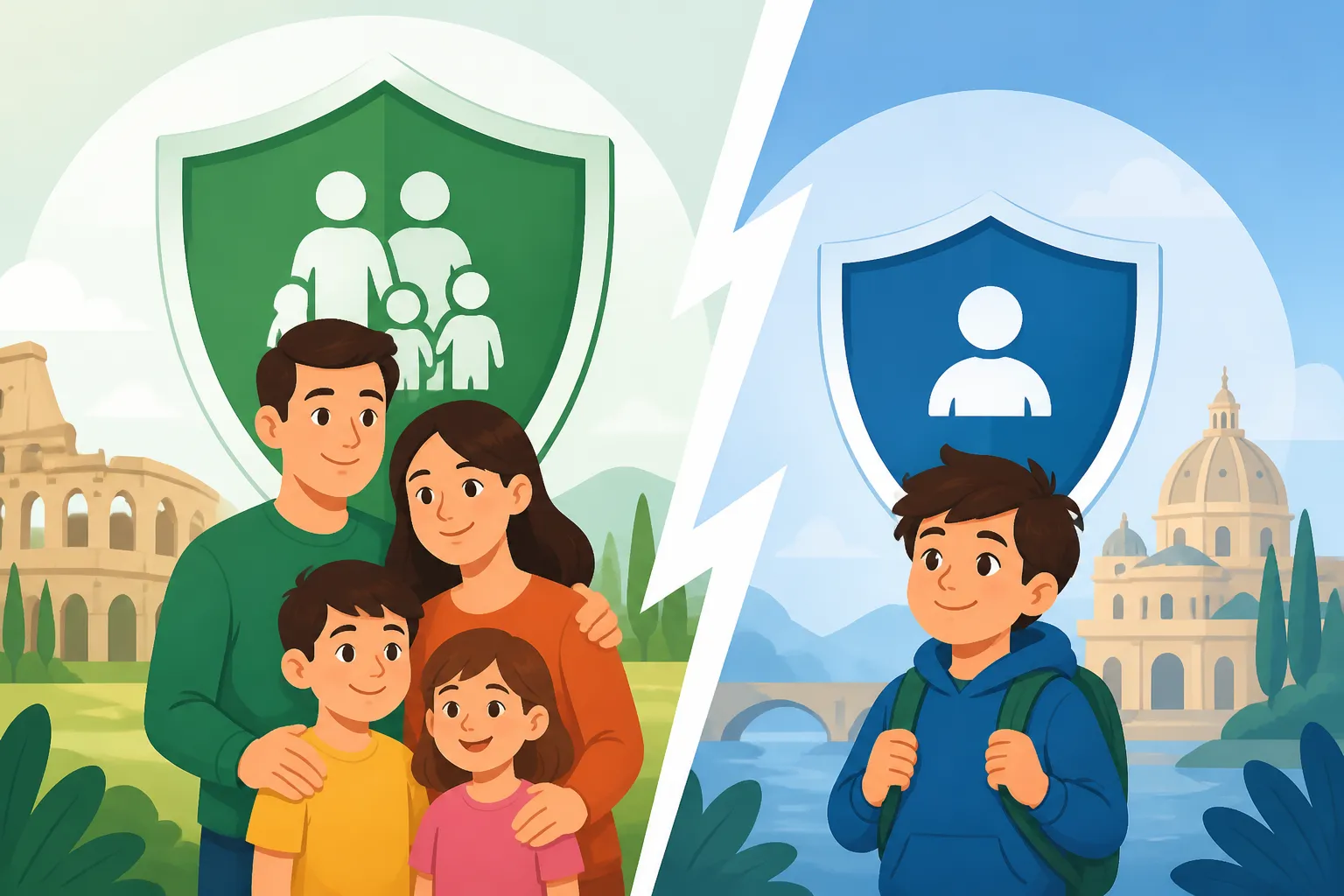
When considering private health insurance for your children in Italy, one of the first decisions you'll face is whether to opt for a family plan or individual policies. Family plans can be incredibly appealing due to their streamlined nature and potential for cost savings. Let’s unpack what they typically offer and why they might be a good fit for your expat family.
Benefits of a Family Policy for Expats
For expat families, a comprehensive family health insurance policy often offers several distinct advantages. Firstly, there's the administrative ease. Instead of managing multiple individual policies with different renewal dates and terms, you have one single policy covering all eligible family members. This significantly simplifies paperwork, billing, and communication with the insurance provider, which is a blessing when you're already juggling a multitude of other administrative tasks in a foreign country. Imagine having one less document to keep track of, one less renewal reminder to worry about – it genuinely adds up to less stress.
Secondly, family plans often prove to be more cost-effective than purchasing separate individual policies for each person. Many insurers offer discounted rates or special family packages, recognizing that covering multiple individuals under one umbrella is more efficient. This can translate into substantial savings over time, which is always welcome, especially when managing the overall cost of living in Italy. Beyond the tangible financial benefits, there's also the psychological comfort of knowing that everyone in your immediate family has consistent, comprehensive coverage, simplifying budgeting and providing a unified approach to your family's health needs.
Common Coverages and Considerations
A typical family health insurance plan in Italy aims to provide broad coverage, usually encompassing hospitalization, outpatient services, and specialist visits. This means that if your child needs to be admitted to a private hospital, undergo a surgical procedure, or see a specialist like a pediatric cardiologist, the costs would be covered according to your policy limits. Many plans also include basic diagnostic tests, laboratory work, and prescription medications, offering a well-rounded safety net beyond what the public system might immediately offer.
However, it’s vital to pore over the details, as what's included and what's excluded can vary wildly between providers. For instance, while some plans might offer good dental and optical coverage, others may have very limited provisions or even exclude them entirely, pushing you back to paying out-of-pocket for these common childhood needs. Pre-existing conditions are another significant consideration; it's crucial to disclose any prior health issues your children have, as these might be subject to waiting periods, exclusions, or higher premiums. Always pay close attention to deductibles (the amount you pay before the insurance kicks in) and co-payments (a fixed amount you pay for a service), as these directly impact your out-of-pocket expenses. Knowing these figures upfront prevents unpleasant surprises, especially when you're already dealing with the immediate concern of a sick child.
Exploring Individual Health Insurance Policies for Children
While family plans have their undeniable appeal, there are specific scenarios where an individual health insurance policy for a child might actually be the more practical or beneficial choice. It really boils down to your family's unique circumstances, your children's specific health needs, and your overall expat situation in Italy.
When an Individual Policy Makes Sense
An individual policy for a child can be a smart move in several distinct situations. Consider, for example, a single-parent household where a family plan covering multiple adults isn't necessary. Or perhaps you're an expat whose own health coverage is provided through your employer, but that plan doesn't extend to your children. In such cases, purchasing a standalone policy for your child or children makes perfect sense, ensuring they have robust private care without you paying for superfluous coverage for yourself.
Another common scenario involves older children who might have very specific, perhaps chronic, health needs. An individual policy allows for a highly tailored approach, focusing coverage on what is most critical for that particular child. This also applies to temporary stays in Italy, where an entire family plan might be overkill, or for children who, for various bureaucratic reasons, might not yet be eligible for the SSN. For students, especially, an individual policy can be incredibly helpful; you might want to look into specific options related to Student Health Insurance in Italy: What to Expect if your child is coming to Italy for studies. Flexibility is key here, and sometimes, a more focused, individual approach is exactly what’s needed.
Customization and Specific Needs
The primary advantage of an individual policy for your child is the unparalleled level of customization it offers. If your child has a particular medical condition, requires specific therapies, or you anticipate frequent visits to certain specialists, an individual plan allows you to tailor the coverage precisely to those needs. You can often choose higher limits for particular treatments, opt for broader geographical coverage if your child travels frequently, or select plans that prioritize access to very specialized, niche medical professionals. This level of fine-tuning means you're not paying for general coverage that your child might not need, but rather investing in a plan that directly addresses their health requirements.
While this bespoke approach can lead to higher premiums compared to the per-person cost within a family plan, the peace of mind derived from having truly targeted coverage is often invaluable. It empowers you to select exactly what matters most for your child's well-being, ensuring they receive the best possible care without compromise. For instance, a child with a known condition requiring extensive physical therapy might benefit from an individual plan with high physiotherapy limits, which might be capped or less generous in a standard family package. This tailored approach is where a provider like SafetyWing, designed for flexibility, can come into its own, offering robust individual plans that can be easily managed and adapted to evolving needs.
Key Factors When Choosing Insurance for Your Child in Italy
Selecting the right health insurance for your child in Italy is not just about comparing prices; it's about finding a policy that truly fits your expat lifestyle and provides genuine peace of mind. As a parent living abroad, your priorities will likely extend beyond mere basic coverage, encompassing aspects like flexibility, global reach, and ease of access to care, especially in emergencies.
Flexibility, Portability, and Ease of Use for Expat Families
Expat life is inherently dynamic. Families often travel back to their home countries, visit other European destinations, or even face the possibility of relocating again in the future. This transient nature makes flexibility and portability paramount in a health insurance policy. You need a plan that doesn't tie your child to Italy exclusively but offers coverage wherever your adventures or circumstances might take them. Imagine the horror of a child falling ill while on holiday outside Italy, only to find their Italian-centric insurance doesn't cover them.
This is where policies designed with the expat and digital nomad in mind truly stand out. They typically offer global or extensive international coverage, meaning your child is protected whether they're in Rome, London, or even back in your home country for a visit. Furthermore, ease of use is non-negotiable. Look for providers with intuitive online platforms for managing policies, making claims, and accessing customer support. English-speaking customer service is often a make-or-break factor for expat parents, removing an additional layer of stress during already challenging times. A robust option that caters to these demands, like SafetyWing, becomes a vital tool in an expat family's arsenal. Delving into International Health Insurance Options for Italy can give you a broader perspective on what's available.
Emergency Care and Specialist Access
When a child is sick or injured, time is often of the essence. Your chosen insurance policy must offer swift access to emergency care and specialists without undue delays. While the SSN provides emergency services through the Pronto Soccorso (Emergency Room), and we have a dedicated guide on Emergency Medical Services in Italy: 112 and Hospitals, private insurance can expedite non-emergency specialist appointments. This means cutting down those agonizing public waiting times from weeks to days, allowing your child to be seen and treated much faster.
Beyond just speed, consider the scope of emergency coverage. Does the policy cover medical evacuation if your child needs to be transported to a more specialized facility or even back to your home country for critical care? This is an often-overlooked but potentially life-saving benefit, especially for families far from their extended support networks. Additionally, understanding the network of private doctors and hospitals that the insurance partners with, and whether they offer direct billing (so you don't have to pay upfront and claim reimbursement later), can significantly reduce the administrative burden during a stressful time. The ability to choose an English-speaking pediatrician or specialist in a private clinic can also provide immense comfort and clarity when your child's health is at stake.
SafetyWing: A Flexible Solution for Expat Families in Italy
For expat parents navigating the complexities of healthcare in Italy, finding a solution that offers both flexibility and robust coverage is like finding a hidden gem. This is precisely where SafetyWing comes into the picture, carving out a niche for itself as a highly adaptable and user-friendly option for families living abroad. It’s not just another insurance policy; it’s a solution built with the unique needs of the global citizen in mind.
How SafetyWing Caters to Children and Families
SafetyWing offers a unique blend of travel medical insurance and long-term expat health coverage, making it an excellent fit for families who are either temporarily in Italy, frequently travel, or are in the process of settling in. What truly sets it apart for families is its policy for children: one child (aged 10 days to 10 years) is included for free per adult on your policy, and two children per family maximum. This is a game-changer for budgeting, making comprehensive coverage for your little ones significantly more affordable.
This coverage is designed to be truly international, meaning your children are protected not just within Italy, but virtually anywhere else in the world (with the exception of a few specific countries, and typically not your home country if you're returning for an extended period, so always check the specific terms). It covers unexpected illnesses and injuries, hospitalizations, doctor visits, and emergency dental, providing a critical safety net for those unforeseen moments that inevitably arise with children. The entire process, from application to claims, is managed online, offering unparalleled ease of use for busy expat parents. If you're looking for a hassle-free, globally-minded health solution that understands the expat journey, SafetyWing is definitely worth exploring. They truly make it simple to get cover, so you can focus on the joys (and challenges!) of raising your family in Italy.
Combining Public and Private: The SafetyWing Approach
It's important to clarify that SafetyWing is typically not designed to replace Italy's public SSN entirely, especially for long-term residents. Instead, it functions as an incredibly powerful complement to it, or a vital primary option for those who may not yet be eligible for SSN, such as during the initial visa process or for shorter-term stays. Think of it as a robust safety net that fills crucial gaps. While you navigate the sometimes-slow bureaucracy of full SSN registration and obtaining your child's Tessera Sanitaria, SafetyWing provides immediate, comprehensive coverage for emergencies and unexpected medical needs.
Even once fully registered with the SSN, SafetyWing continues to provide immense value. It acts as superb travel insurance for your family, covering medical emergencies and illnesses when you venture outside Italy – a common occurrence for expat families. Moreover, it can cover unexpected acute conditions that might arise while waiting for public specialist appointments within Italy. This dual approach offers the best of both worlds: the publicly funded basic care and pediatrician access through the SSN, combined with the flexibility, global reach, and immediate peace of mind offered by a private, expat-friendly policy like SafetyWing. You truly can have the best protection for your family.
Navigating the Application and Claims Process
The administrative side of health insurance, whether public or private, can feel like a labyrinth in Italy. But armed with the right information and a bit of patience, you can successfully navigate the application and, thankfully, the claims process. It helps to approach it with a clear head and an understanding of what's typically required.
Documentation Required for Insuring Children
When applying for any form of health coverage for your children in Italy, be it through the SSN or a private insurer, documentation is king. For public healthcare, you'll generally need your family's Codice Fiscale (Italian tax code), proof of residency (certificato di residenza), your Permesso di Soggiorno (residence permit) if you're a non-EU citizen, and your child's birth certificate. The process of obtaining your family's Tessera Sanitaria, the physical Italian Health Card, is a crucial step for accessing public services, and it’s detailed in our guide on Obtaining the Italian Health Card (Tessera Sanitaria).
For private health insurance, the requirements can be slightly different but still involve comprehensive personal details. You'll need identification for yourself and your children, their birth certificates, and sometimes proof of current residency. If your child has any pre-existing medical conditions, you will need to provide detailed medical history and reports, which the insurer will review. It’s always best to have all these documents organized and potentially translated (if not originally in Italian or English) to streamline the application process. Don't be surprised if there's a bit of back and forth; persistence is key in Italian bureaucracy.
Making a Claim: Tips for Expats
The thought of making a claim, especially when your child is unwell, can be daunting, but understanding the process beforehand can alleviate a lot of stress. For any medical expense, whether it's a doctor's visit, medication, or a diagnostic test, always insist on an official receipt (ricevuta or fattura). This is absolutely critical for reimbursement. The receipt should clearly state the service provided, the date, and the amount paid. It’s a good idea to keep a dedicated folder, physical or digital, for all medical documents and receipts related to your children. This includes appointment confirmations, specialist reports, and pharmacy receipts.
Most private insurers, including expat-friendly options like SafetyWing, offer online portals or mobile apps for submitting claims. You'll typically need to upload clear photos or scans of your receipts and any relevant medical reports. Pay close attention to the submission deadlines – claims usually need to be filed within a certain timeframe from the date of treatment. If you’re ever unsure about what’s covered or how to file, don’t hesitate to contact your insurance provider’s customer service. Many expat-focused insurers offer English-speaking support, which can be a huge relief when you’re dealing with a complex issue. Understanding the Cost of Healthcare in Italy: What Expats Need to Know will also help you gauge what to expect regarding potential out-of-pocket expenses versus reimbursements.
Comparison Table: Children's Health Insurance in Italy
Here's a quick overview to help you weigh your options:
| Feature | Italian SSN (Public) | Private Family Plan | Private Individual Policy | SafetyWing (Expat Medical) |
|---|---|---|---|---|
| Cost-effectiveness | Free (via taxes) | Good for multiple members | Potentially higher/child | Excellent (1 child free/adult) |
| Administrative Ease | Complex initial setup | Moderate (one policy) | Moderate (per child) | High (online, simple) |
| Customization | Low | Moderate | High | Moderate (flexible durations) |
| Travel Coverage | EHIC for EU/EEA (limited) | Varies (often worldwide) | Varies (often worldwide) | Global (designed for travel) |
| SSN Complement | N/A (primary) | Excellent (fills gaps) | Excellent (fills gaps) | Excellent (fills gaps/travel) |
| Specialist Access | Can have long waits | Fast (private clinics) | Fast (private clinics) | Fast (private clinics) |
| English Support | Limited/Regional | Often available | Often available | Always available |
This table highlights that while the SSN is foundational, private options like family plans, individual policies, and especially expat-centric solutions like SafetyWing, offer crucial benefits in terms of flexibility, access, and international coverage for children in Italy.
Disclaimer
The information provided in this guide is intended for general informational purposes only and does not constitute professional medical, legal, or financial advice. While we strive to keep the content accurate and up-to-date, healthcare regulations, insurance policies, and eligibility criteria in Italy can change. Always consult with a qualified healthcare professional, an insurance advisor, or a legal expert for advice tailored to your specific situation before making any decisions related to your children's health insurance in Italy.