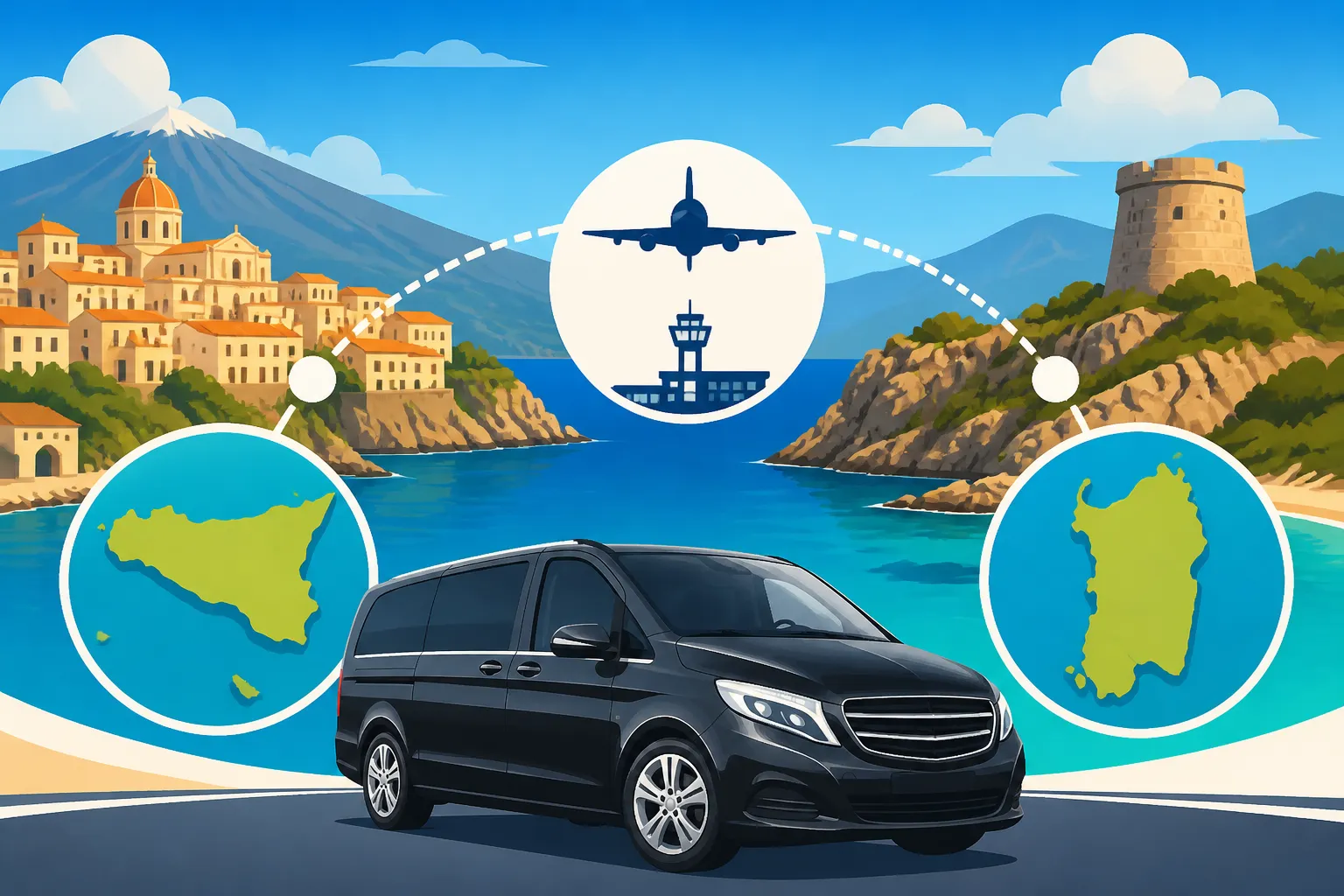
Sicilian and Sardinian Airport Transfers: Island-by-Island Options
You’ve just touched down in Italy, the sun is shining, the air smells… Italian, and your bags are finally on the carousel. But there’s that familiar expat pang of anxiety: how on earth do I actually get to my final destination, especially on an island like Sicily or Sardinia? Figuring out reliable and affordable airport transfers can feel like a labyrinth, especially when you’re jet-lagged and battling a language barrier. This guide is here to untangle the often-confusing world of island airport transfers, offering practical, island-by-island options and showing you how tools like Omio can be your best friend in navigating the journey from runway to relaxation.
Disclosure: This post may contain affiliate links. We may earn a commission at no extra cost to you if you make a purchase through these links. Read full disclosure.
Navigating Airport Transfers in Sicily: Catania, Palermo, and Trapani
Ah, Sicily! The largest island in the Mediterranean, a place of stunning contrasts, ancient ruins, and incredible food. But once you land, whether it’s in the east, west, or central parts, getting to your hotel or Airbnb is the immediate hurdle. Let's break down the main airports.
Catania Fontanarossa Airport CTA
Catania Airport (officially Aeroporto Internazionale Vincenzo Bellini di Catania-Fontanarossa, code CTA) is Sicily’s busiest, especially for those heading to the eastern side of the island – think Taormina, Syracuse, or the bustling city of Catania itself. It’s reasonably well-connected, but you still need a plan.
The most common and cost-effective way to get into Catania city center is by AMT Alibus. This public bus service runs frequently, usually every 20-30 minutes, from early morning until late evening, making stops at key points like the train station (Stazione Centrale) and Via Etnea before circling back to the airport. The journey to the city center typically takes around 20-30 minutes, depending on traffic, and tickets are usually a few euros, available directly on board or from authorized tabacchi shops.
If your destination is further afield, like the picturesque town of Taormina or the historic city of Syracuse (Siracusa), you’ll be looking for intercity buses. Companies like Interbus and SAIS Autolinee operate regular services from Catania Airport to these popular spots. The journey to Taormina can take about 1.5 to 2 hours, and to Syracuse, it's roughly an hour. These tickets are best purchased in advance, especially during peak season, and platforms like Omio are incredibly useful for comparing routes, checking schedules, and booking your bus tickets seamlessly. Imagine stepping off your flight, grabbing your luggage, and already having your bus ticket confirmed on your phone – it takes a huge load off your mind!
Taxis are, of course, always an option. You’ll find them right outside the terminal. While convenient, especially if you have a lot of luggage or are traveling in a group, they are significantly more expensive. A ride into Catania city center could easily set you back €25-€35, and considerably more for destinations like Taormina or Syracuse. Always confirm the price with the driver before getting in, or ensure the meter is running. For peace of mind, many people opt for a pre-booked private transfer, which can be a good middle ground between convenience and a predictable cost.
Lastly, for the adventurous and those planning to explore the island in depth, rental cars are readily available at Catania Airport. Sicily is fantastic to explore by car, offering the freedom to discover hidden beaches and charming villages. However, be mindful of ZTLs (limited traffic zones) in city centers and Italian driving habits. Many expats swear by having their own wheels to truly experience the island's charm.
Palermo Falcone Borsellino Airport PMO
On the western side of Sicily, Palermo Falcone Borsellino Airport (PMO) serves the vibrant capital city of Palermo and is the gateway to attractions like Cefalù and the stunning coastline. Getting from PMO to Palermo is relatively straightforward, with a couple of excellent options.
The Prestia e Comandè bus service is the most popular choice for reaching Palermo city center. Buses run every 30 minutes, usually from early morning until late at night, and stop at several key locations within Palermo, including the main train station (Stazione Centrale) and Piazza Politeama. The journey takes about 50-70 minutes, depending on traffic, and tickets are very reasonably priced. This is another prime example where checking schedules and booking on Omio can save you time and hassle, ensuring you have your ticket ready to go.
Alternatively, you can take the Trinacria Express train. This train service connects the airport directly to Palermo’s Stazione Centrale, usually with a journey time of around 50-60 minutes. It's a comfortable option, especially if you're staying near the train station or need to connect to another train service for onward travel to places like Cefalù. If you're planning a trip further east to Messina or even to the mainland, understanding how train services connect is vital, and Omio helps clarify these complex routes, allowing you to easily purchase your train tickets.
Taxis from Palermo Airport to the city center are available, but like Catania, they come with a higher price tag – expect to pay around €35-€50. Again, confirm the fare beforehand. Private transfers are also an option if you prioritize comfort and a direct route, especially after a long flight.
For those eager to explore the western and northern coasts of Sicily at their own pace, a rental car from Palermo Airport is an excellent idea. The winding roads, breathtaking views, and charming towns like Erice and Marsala are best experienced with the flexibility a car provides. Just remember the parking challenges in historic centers and narrow village streets!
Trapani Birgi Airport TPS
Trapani Birgi Airport (TPS), also known as Vincenzo Florio Airport, is smaller than Catania or Palermo but is a crucial hub for budget airlines and for reaching western Sicily, including Trapani city, Marsala, and the Egadi Islands.
The primary method of transfer from Trapani Airport is by bus. The local AST bus company operates services directly to Trapani city center, usually taking about 30-45 minutes. You'll also find services from companies like Terravision and Salemi offering connections to other towns like Marsala or even to Palermo. These can be particularly convenient if your final destination isn't Trapani itself. Again, a platform like Omio can be invaluable for easily finding bus tickets and schedules for these regional routes, comparing the options between different providers to make sure you get the best fit for your itinerary.
Taxis are available but will be pricier than the bus, often around €25-€40 for a trip into Trapani. Pre-booking a private transfer can offer a fixed price and meet-and-greet service, which can be reassuring after a flight.
While not as busy with international flights as the other two, many people rent cars from Trapani Airport to explore the stunning western coast, including the salt flats, ancient Greek temples, and the ferry to the Egadi Islands. It's a region where a car truly enhances the experience, allowing you to wander off the beaten path.
Seamless Travel from Sardinia's Airports: Cagliari, Olbia, and Alghero
Sardinia, with its rugged coastline, pristine beaches, and unique Nuragic culture, is another Italian island that captivates expats and tourists alike. Like Sicily, arriving at one of its three main airports requires a bit of planning for your onward journey.
Cagliari Elmas Airport CAG
Cagliari Elmas Airport (CAG) is the main gateway to Sardinia, particularly for those heading to the southern part of the island or the bustling capital, Cagliari. This airport is quite efficient, and getting into the city is relatively simple.
One of the great advantages of Cagliari Airport is its direct train connection to Cagliari city center. The airport train station is conveniently located just a few minutes' walk from the terminal building via a covered walkway. Trains run frequently, typically every 15-20 minutes, and the journey to Cagliari Centrale train station takes only about 7-10 minutes. This is by far the quickest and most economical way into the city. Tickets are inexpensive and can be purchased at the train station or through vending machines. For onward connections to other parts of Sardinia by train, this is your best bet, and platforms like Omio can help you plan and book your entire journey, comparing train and bus options across the island.
While the train is dominant for city center transfers, ARST buses also operate from the airport to various destinations across Sardinia. These can be useful for reaching smaller towns or areas not directly served by the train line. Checking the ARST website or using Omio to find suitable bus connections is recommended.
Taxis are readily available outside the arrivals area. A taxi ride to Cagliari city center will cost you around €20-€25. As always, confirm the fare before you start your journey. Private transfer services can also be pre-booked for a smoother, guaranteed pick-up.
For exploring Sardinia's incredible beaches and interior, a rental car from Cagliari Airport is often essential. The island's public transport network is not as extensive as the mainland's, especially if you want to reach remote coves or charming inland villages. Just be prepared for slightly different driving conditions than you might be used to, and remember to research parking options in smaller towns.
Olbia Costa Smeralda Airport OLB
Olbia Costa Smeralda Airport (OLB) serves the northeastern part of Sardinia, an area famous for its glamorous Costa Smeralda, beautiful beaches, and vibrant nightlife. If you're heading to places like Porto Cervo, San Teodoro, or the Maddalena Archipelago, Olbia is your landing spot.
The main mode of public transport from Olbia Airport is by bus. The local ARST bus service connects the airport to Olbia city center and its port, which is crucial if you're catching a ferry. These buses run regularly, and the journey to the city center takes about 10-15 minutes. Beyond Olbia, there are also various private bus lines and shuttle services, especially during the summer months, connecting the airport to popular tourist resorts along the Costa Smeralda, such as Porto Cervo, Palau (for ferries to La Maddalena), and San Teodoro. Booking these in advance is often a good idea, and Omio simplifies this by showing you available routes and allowing you to book your bus tickets directly. This makes it so much easier to secure your spot, particularly if you arrive during peak season when buses fill up quickly.
Taxis are plentiful at Olbia Airport, but expect higher prices due to the affluent nature of the Costa Smeralda region. A ride to Olbia city center could be around €15-€20, but to glamorous Porto Cervo, it could easily climb to €80-€100 or more. Private transfers are very popular here for the same reasons – convenience and a guaranteed, known cost for those heading to high-end resorts.
Given the spread-out nature of the resorts and the desire to explore the numerous stunning beaches, a rental car from Olbia Airport is highly recommended for most visitors. It gives you the ultimate flexibility to hop from one picturesque bay to another, discover hidden gems, and truly experience the diverse landscape of northeastern Sardinia. Be aware that roads can be narrow, especially near beaches, and parking can be challenging in popular areas during the high season.
Alghero-Fertilia Airport AHO
Alghero-Fertilia Airport (AHO) is located on the northwestern coast of Sardinia, serving the charming Catalan-influenced city of Alghero, as well as Sassari and the stunning coastline towards Bosa. This airport is often a choice for those seeking a slightly more laid-back Sardinian experience.
From Alghero Airport, the most common way to reach Alghero city center is by bus. The ARST bus service runs regularly, typically every hour, connecting the airport to the city center and other key points. The journey to Alghero takes about 20-30 minutes, and tickets are very affordable. For destinations further afield, such as Sassari, there are also direct bus connections available. When planning your trip, consider using Omio to check bus schedules and book your journey, as it can often save you from waiting around or grappling with ticket machines after a flight. This kind of forward planning is a lifesaver, especially when you're in a new place and your Italian isn't quite fluent yet.
Taxis are available outside the terminal, with a ride to Alghero city center usually costing around €20-€30. As with other airports, private transfers can be arranged for a fixed rate, offering a direct and comfortable ride.
For exploring the beautiful coastline, the historic towns, and the natural parks of northwestern Sardinia, a rental car from Alghero Airport provides excellent flexibility. The drives around Alghero, particularly down to Bosa, are incredibly scenic. However, like other Italian cities, Alghero's historic center has restricted traffic zones and challenging parking, so if you're staying within the old walls, plan your parking strategy in advance.
General Tips for Booking Your Island Transfer
After living here for years, I've learned a few tricks that make a huge difference when it comes to getting around, especially right after you've landed.
Pre-booking vs. On-Arrival
While it might seem easier to just "wing it" and find a transfer when you arrive, I strongly recommend pre-booking your airport transfer, especially if:
- You're arriving late at night or very early in the morning. Public transport schedules are often reduced or non-existent during these hours, leaving you dependent on expensive taxis.
- You're traveling during peak season (June-September) or major Italian holidays. Buses and trains can fill up, and taxis might be in high demand, leading to long waits or surge pricing.
- You're heading to a less common destination. Direct connections might be sparse, and knowing your route and having a ticket in hand alleviates a lot of stress.
- You have a lot of luggage or are traveling with children. The last thing you want is to be dragging bags around while trying to figure out which bus to take.
Using a platform like Omio for your transfers allows you to compare different modes of transport – buses, trains, and sometimes even short flights – all in one place. You can see the full schedule, compare prices, and purchase your tickets in advance, often getting them directly on your phone. It truly takes the guesswork out of the initial leg of your journey, allowing you to focus on enjoying the start of your Italian adventure. Need to figure out the best way from Sicily to Sardinia, or onward to the mainland? Omio can help with those connections too, offering comprehensive solutions for Getting Around Italy: Trains, Buses, Flights, and Car Hire.
Rental Cars on the Islands
For many expats and long-term visitors, renting a car is the preferred way to explore Sicily and Sardinia. The freedom to roam, discover hidden gems, and stick to your own schedule is unparalleled. However, there are definitely pros and cons:
Pros:
- Flexibility: You can go wherever you want, whenever you want.
- Access to remote areas: Many of the most beautiful beaches, archaeological sites, and charming villages are difficult, if not impossible, to reach by public transport.
- Convenience with luggage: No need to drag suitcases on and off buses or trains.
Cons:
- Cost: Rental fees, fuel, insurance, and parking can add up.
- Driving style: Italian driving can be aggressive, and island roads can be narrow and winding.
- ZTLs (Limited Traffic Zones): Many historic city centers have these. Driving into them without a permit can result in hefty fines, sometimes months after your trip. Always check for ZTL signs.
- Parking: Finding parking in cities and popular tourist spots, especially in peak season, can be a nightmare.
- Navigating: GPS is your friend, but cellular reception can be spotty in some remote areas.
If you decide to rent a car, make sure you understand the nuances of Driving in Italy: Obtaining an Italian Driver’s License and international driving permits. It's a key document for non-EU citizens. Also, consider pre-booking your rental car well in advance, especially for popular models and during high season, as prices can soar.
Making the Most of Omio for Your Trip
I can't stress enough how much easier travel planning in Italy becomes when you have reliable tools at your disposal. This is where Omio really shines as the "hero" solution for simplifying complex travel in Italy, especially for those island hops and regional transfers.
Omio is not just about booking a single ticket; it's a comprehensive travel platform that lets you:
- Compare Modes of Transport: See all available options for your route – bus, train, and sometimes even flights – side by side. This means you can weigh cost, journey time, and convenience instantly.
- Book Across Multiple Providers: Instead of navigating different Italian bus company websites (like ARST, Interbus, Prestia e Comandè) or train sites (Trenitalia), you can book them all through Omio's user-friendly interface. This is a game-changer when you're dealing with multiple regional carriers.
- English Language Support: For many of us who are still polishing our Italian, an English interface makes a world of difference when booking tickets and understanding terms.
- Mobile Tickets: Most tickets booked through Omio are digital, meaning you have them instantly on your phone, ready to show. No need to print or fuss with ticket machines, which can be a relief when you’re already trying to manage luggage and navigate a new airport.
- Route Optimization: If you’re planning a multi-leg journey, say from a small Sardinian town to the mainland, Omio can help you piece together the most efficient connections, whether it's a local bus to a major train station, and then a fast train further along. This is invaluable for connecting points that don't have direct services.
Think of it this way: instead of spending precious holiday time trying to decipher local bus schedules or figuring out where the train station even is, you can use Omio to sort it all out quickly and efficiently before you even pack your bags. This way, you can devote more energy to practicing your "Buongiorno!" or deciding which gelato flavor to try first! And if you're ever looking for more detailed info on Public Transportation in Italian Cities: A Guide or how to use Italian Language and Everyday Communication for Visitors, you’ll find plenty of resources to help you along the way.
Overview of Island Airport Transfer Options
To help you visualize your options and costs, here’s a quick overview table for the main airports on Sicily and Sardinia for transfers to their respective main cities. Keep in mind that prices are approximate and can vary.
| Airport | Destination City | Primary Public Transport | Approx. Time | Approx. Cost (EUR) | Private Transfer/Taxi (EUR) | Rental Car Availability | Omio Booking |
|---|---|---|---|---|---|---|---|
| Sicily | |||||||
| Catania (CTA) | Catania Center | AMT Alibus (Bus) | 20-30 min | €4 | €25-€35 | Yes | Bus |
| Palermo (PMO) | Palermo Center | Prestia e Comandè (Bus) / Trinacria Express (Train) | 50-70 min / 50-60 min | €6-€8 / €6 | €35-€50 | Yes | Bus, Train |
| Trapani (TPS) | Trapani Center | AST (Bus) | 30-45 min | €3-€5 | €25-€40 | Yes | Bus |
| Sardinia | |||||||
| Cagliari (CAG) | Cagliari Center | Train | 7-10 min | €1.30-€2 | €20-€25 | Yes | Train, Bus |
| Olbia (OLB) | Olbia Center | ARST (Bus) | 10-15 min | €1.50-€3 | €15-€20 (Olbia), €80-€100+ (Costa Smeralda) | Yes | Bus |
| Alghero (AHO) | Alghero Center | ARST (Bus) | 20-30 min | €1.50-€3 | €20-€30 | Yes | Bus |
Navigating Italian airport transfers, especially on the islands, can seem daunting, but with a bit of foresight and the right tools like Omio, it can be a smooth and stress-free start to your Italian adventure. Don't let the logistics overshadow the excitement of arriving in one of the world's most beautiful countries!
Disclaimer
Please note that travel information, including schedules, prices, and regulations for public transport, can change frequently. While we strive to provide the most up-to-date and accurate information, it is always recommended to double-check details with official transport providers or platforms like Omio closer to your travel date.