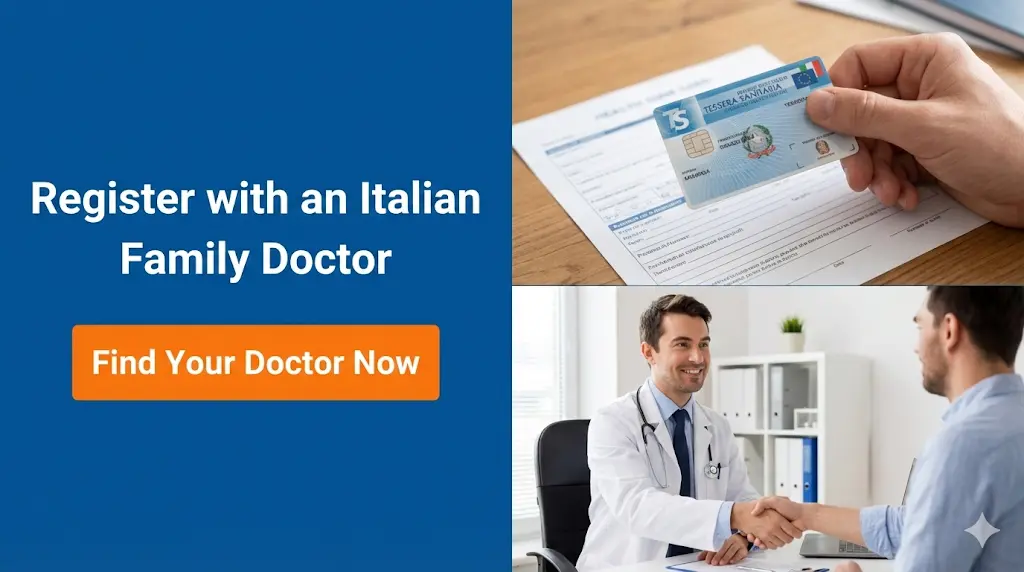
Registering with an Italian Family Doctor (Medico di Base)
Moving to Italy comes with plenty of romantic moments, but standing in a crowded local health office waiting for your turn at the counter is rarely one of them. Navigating the Italian public healthcare system to register with a local primary care physician can feel overwhelming when facing language barriers and administrative hurdles. This guide breaks down the exact steps, required documentation, and practical insider tips you need to register with an Italian family doctor without unnecessary stress.
Disclosure: This post may contain affiliate links. We may earn a commission at no extra cost to you if you make a purchase through these links. Read full disclosure.
Understanding the Role of the Primary Care Physician
What a Family Doctor Does in the Public System
In Italy, your general practitioner—known locally as the Medico di Base or Medico di Famiglia—serves as the gatekeeper to the entire public healthcare system, the Servizio Sanitario Nazionale (SSN). Unlike in some countries where you can self-refer directly to a dermatologist, cardiologist, or physical therapist, the Italian public system requires almost all specialized care to originate from your family doctor. When you fall ill or need routine preventative screenings, your family doctor is your very first port of call.
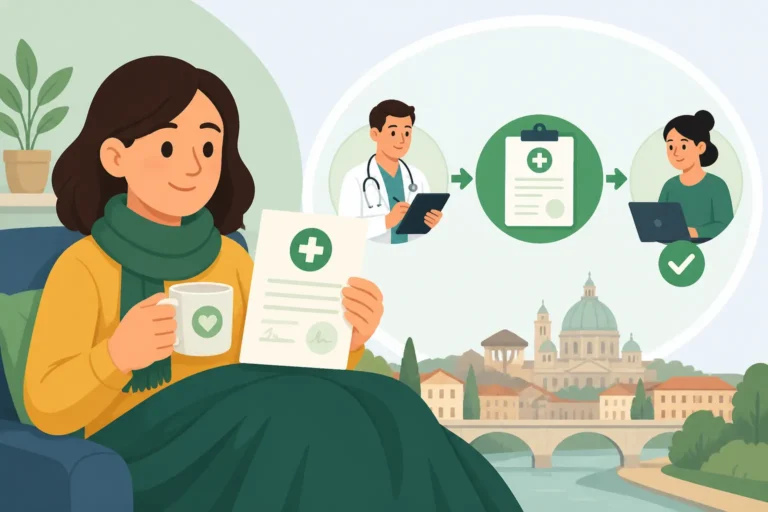
Beyond treating day-to-day ailments like seasonal viruses or minor injuries, your primary care doctor writes official prescriptions (ricette) for medications, orders diagnostic blood tests or imaging, and issues formal medical certificates required by employers if you take sick leave. Working closely with your family doctor ensures that your medical history is consolidated in one place. If you ever need specialized care, your doctor issues an official referral form called an impegnativa, which unlocks reduced-cost public care. To better understand how costs are structured across the public system, it helps to read about the Cost of Healthcare in Italy: What Expats Need to Know.
Who Qualifies for Registration
Registration with a family doctor is directly tied to your right to enroll in the SSN. If you are an European Union citizen living in Italy, or a non-EU citizen holding a valid residence permit (permesso di soggiorno) for reasons such as employment, family reunification, or long-term residence, you are generally entitled to public health coverage. In many cases, mandatory registration is free and tied directly to your tax and social security contributions.
For non-EU expats on specific long-stay visas, such as student visas or elective residence visas, public healthcare access may require a voluntary annual contribution (iscrizione volontaria). Alternatively, non-EU expats often choose private international insurance policies to meet visa requirements before arriving. Understanding your exact legal category is essential, as the administrative path changes depending on whether you are classified as a mandatory or voluntary registrant. For a comprehensive overview of setting up your status, refer to our guide on How to Register for Italian Healthcare (SSN) as a Foreigner.
Gap Coverage During Administrative Processing
One hurdle almost every expat encounters is the lag time between arriving in Italy and receiving final approval for public healthcare enrollment. Getting your official residence certificate (residenza) from the local municipality (Comune) can take anywhere from a few weeks to several months. During this waiting period, you cannot formally select a permanent general practitioner at the local health bureau (Azienda Sanitaria Locale, or ASL).
To avoid being left completely unprotected during this bureaucratic interim, maintaining a flexible global health plan is essential. Many digital nomads and remote workers rely on temporary coverage solutions like SafetyWing while settling their residency details. For expats who prefer comprehensive private coverage that functions alongside or completely independently of the Italian public system, global insurance providers like Cigna Global offer seamless protection. Having reliable policy coverage ensures you can access private clinics immediately, even if your local public registration is delayed in administrative processing.
Preparing for Your Local Health Office Visit
Essential Documentation Checklist
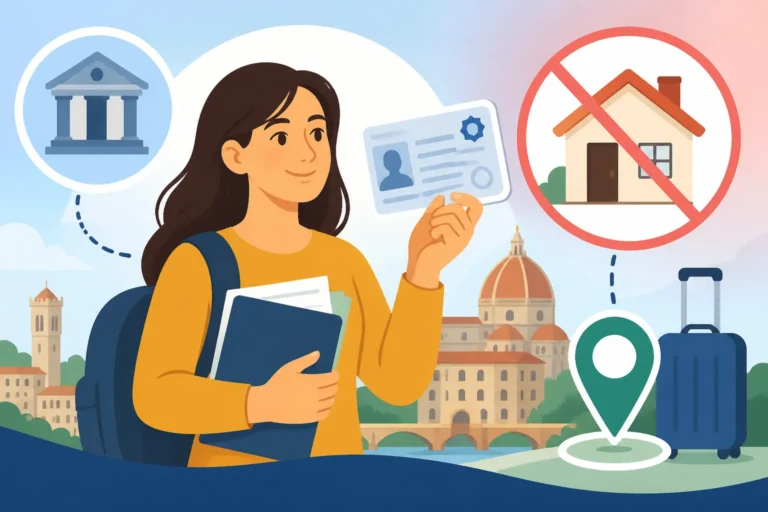
Before walking into your local health office, you must assemble a thorough folder of physical documents. Italian administrative offices are strictly document-driven, and missing a single paper often means returning home empty-handed and queueing again another day. Make sure you bring original copies along with clear photocopies of every document.
- Valid Passport or National ID: Your primary legal identification document.
- Tax Code (Codice Fiscale): The official tax identification number issued by the revenue agency (Agenzia delle Entrate).
- Residence Permit or Receipt: Your physical permesso di soggiorno card, or the postal receipt (ricevuta) proving you submitted your application.
- Proof of Address: A official certificate of residence (certificato di residenza) or the formal declaration of residence submission (dichiarazione di residenza) issued by your local Comune.
- Proof of SSN Payment: If you are enrolling via voluntary contribution, you must bring the official receipt of your F24 tax payment slip.
- Work or Study Verification: An employment contract, university enrollment certificate, or proof of self-employment status where applicable.
Once your paperwork is processed by the health office officer, you will officially be issued your personal health identifier. For complete details on how this document functions once approved, check our resource on Obtaining the Italian Health Card (Tessera Sanitaria).
Navigating the Health Office Counter
You will complete your registration at the primary office of your local ASL, specifically within the department known as the Sportello Scelta e Revoca (Selection and Revocation Desk). Depending on the city or neighborhood you live in, these offices can experience heavy foot traffic. Arriving early in the morning—often before the doors officially open—is highly recommended to secure a numbered ticket from the automated dispenser.
When your number is called, present your neatly organized folder to the official at the counter. State clearly that you wish to enroll in the national health system and select your primary doctor (“Vorrei iscrivermi al SSN e scegliere il mio medico di base”). If your Italian language skills are still in the early stages, consider writing down your primary details on a slip of paper or bringing a local friend to help translate subtle administrative terms.
Choosing Your Doctor from the Official List
At the desk, the official will present you with a list of available primary care doctors registered within your immediate district or neighborhood (distretto sanitario). In Italy, doctors have a strict maximum limit on the number of active patients they can take—typically capped around 1,500 patients. If a doctor has reached their maximum capacity, their name will appear as closed (massimale raggiunto), and you must choose another practitioner.
You can ask the clerk for recommendations based on physical proximity to your home address. If speaking English is a priority for you, politely ask the clerk if any of the open practitioners are known to speak foreign languages (“C’è un medico che parla inglese?”). You can also research doctors in advance by searching local community forums or reviewing curated guides on Where to Find English-Speaking Doctors and Clinics.
Making the Most of Your Primary Care Services
Booking Appointments and Daily Clinic Hours
Once registered, you will receive a paper document confirming your assigned physician along with the address and public operating hours of their clinic (ambulatorio). Primary care physicians in Italy do not typically work inside large hospital complexes; instead, they operate private or shared neighborhood clinics. By law, family doctors must offer a specific minimum number of open consultation hours every week split between mornings and afternoons.
Some doctors operate on an open-door policy (accesso libero) where you drop in during scheduled hours and wait your turn, while others run strictly by appointment via phone or direct online booking apps. When visiting your doctor’s surgery for non-emergency concerns, expect a warm, direct consultation style. It is customary to bring your previous medical history, continuous medication lists, and official tax code whenever you visit.
Prescriptions Special Referrals and Preventative Care
During your consultation, your doctor will evaluate your health conditions and issue physical or electronic medical orders. If you need prescription medication, your doctor will print or email an electronic prescription (ricetta dematerializzata) containing a specific barcode. You can present this barcode at any local pharmacy (farmacia) across Italy to collect your medicine.
If your condition requires specialized evaluation, such as an ultrasound, blood testing, or an orthopedic assessment, your doctor will print an impegnativa. This official referral form contains a priority code determining how quickly the public system must schedule your visit. Once you have this referral slip, you can book your specialized appointment through the regional booking desk system (Centro Unico di Prenotazione, or CUP). To understand how co-payments work when accessing these specialized services, review our detailed guide on Understanding the Italian Health Ticket (Co-Payment) System.
To understand how specialist referrals function step-by-step, review this overview:
- Consultation: Visit your Medico di Base to discuss symptoms or health concerns.
- Evaluation: The doctor determines if specialist diagnostics or consultations are necessary.
- Issuance: The doctor prints an official impegnativa containing diagnostic codes and urgency markers.
- Booking: You submit the impegnativa code to the CUP phone line, online portal, or participating pharmacy counter to book your appointment.
- Specialist Visit: Attend your specialist visit at a public hospital or accredited private facility, paying any applicable co-payment ticket.
If you require specialist advice, you can learn more about navigating the formal referral steps by reading about How to Get a Referral to a Specialist Doctor.
Changing Your Assigned Doctor
Your initial choice of primary care doctor is never permanent. If you move to a new residential neighborhood, find that your doctor’s clinic hours conflict with your work schedule, or simply feel that the doctor-patient relationship is not a good fit, you have the right to switch doctors at any time without needing to provide a complex justification.
Changing your doctor is straightforward: you can return to the Sportello Scelta e Revoca at your local ASL office, present your ID and health card, and request a new practitioner from the current open list. In many Italian regions, this process can now even be completed entirely online through regional healthcare portals using a digital identity account (SPID). For a complete walkthrough of this administrative process, check our practical guide on How to Change Your Family Doctor (Medico di Base) in Italy.
Comparing Public Health Registration and Private Options
To help you weigh your healthcare options while residing in Italy, the table below outlines key differences between public system registration (SSN) and private global insurance arrangements.
| Feature | Public Healthcare (SSN Registration) | Private Insurance (e.g., Cigna Global, SafetyWing) |
|---|---|---|
| Primary Care Provider | Assigned local Medico di Base based on neighborhood availability | Free choice of any private GP or independent clinic |
| Specialist Access | Requires official referral (impegnativa) from your family doctor | Direct booking with private specialists without GP referrals |
| Language Availability | Dependent on local doctor capabilities; varying English fluency | Access to dedicated English-speaking practitioner networks |
| Wait Times | Subject to regional public wait times and CUP availability | Flexible booking with minimal waiting periods |
| Coverage Area | Nationwide within Italy (with EHIC/GHIC rules for EU travel) | Regional or worldwide coverage depending on selected tier |
| Administrative Process | In-person registration at local ASL desk with residence proof | Online enrollment with immediate digital policy issuance |
Navigating medical needs during non-standard hours is another crucial aspect of living in Italy. If you experience an urgent health issue outside regular clinic hours—such as on a weekend, public holiday, or overnight—your primary care doctor’s office will be closed. In these situations, you do not need to go straight to a hospital emergency room for minor issues. Instead, you can utilize the public continuous care service, which provides duty doctors during off-hours. Learn how to access this service by reading about After-Hours Care in Italy: Guardia Medica Explained.
Whether you choose full public enrollment through your local health office or maintain temporary cover through providers like SafetyWing or comprehensive policies like Cigna Global while settling down, securing primary care access is one of the most rewarding steps toward making Italy your true home. Take the time to gather your documents, understand your local district setup, and establish a comfortable relationship with your assigned physician.
Disclaimer
This article is for general informational purposes only and does not constitute professional advice. Laws, prices and regulations vary by location and change over time. Consult a qualified professional for guidance on your specific situation.