Tax Implications of Using Airbnb Long-Term
The tax implications of using short-term rentals long-term in Italy include unexpected tourist fees, missed expat tax breaks, and residency blocks.
Settle in smoothly.
Step-by-step help with renting, utilities, everyday life setup, local services, and the small cultural “gotchas”.
The tax implications of using short-term rentals long-term in Italy include unexpected tourist fees, missed expat tax breaks, and residency blocks.
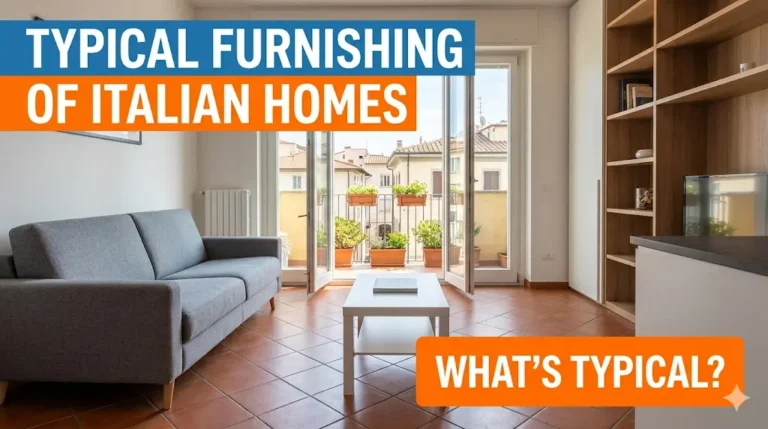
Italian rental homes range from completely empty properties lacking kitchens to partially and fully furnished living spaces.
Italian rental deposit laws explain strict three-month limits, mandatory accrued interest, and rules preventing landlords from withholding funds.

English resources at Italian public libraries require a tax code and residency proof, while digital media platforms provide broader access.

Shipping packages from the United States to Italy requires navigating strict customs fees, taxes, and courier options to ensure delivery.
Credit card security in Italy requires identifying skimmers, avoiding public Wi-Fi networks, using restaurant POS terminals, and filing a denuncia.
Average internet speeds in Italy range from twenty megabits to over one gigabit per second, varying significantly by region and connection type.

Italian car registration requires navigating strict residency deadlines, dual government bureaus, and specific documentation for foreign vehicles.
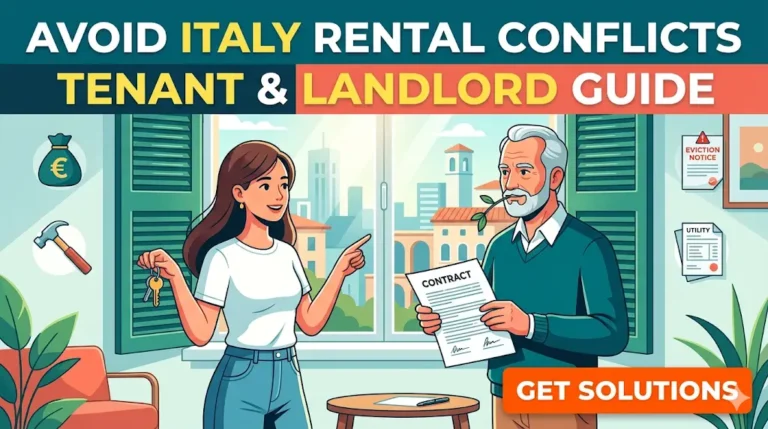
Italian rental disputes involve maintenance responsibilities, security deposit withholdings, and unregistered contracts that affect tenant rights.
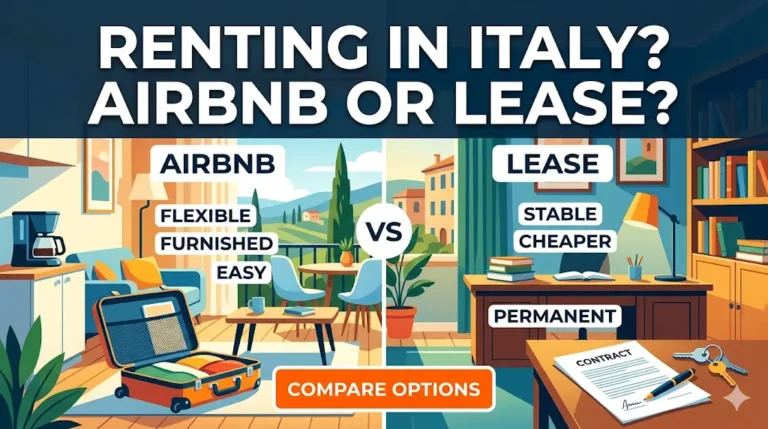
Long-term Airbnb rentals and traditional leases in Italy present distinct legal hurdles, costs, and residency requirements for expats seeking housing.