What to Expect at an Italian Pronto Soccorso Visit
Waking up in the middle of the night with a sharp pain or a child with a high fever is terrifying enough without the added layer of navigating a foreign medical system. I still remember sitting in a plastic chair in a Roman hospital at 3:00 AM, clutching my passport and wondering why everyone else seemed to be getting seen before me. This guide breaks down exactly what to expect at an Italian Pronto Soccorso visit so you can navigate the chaos with confidence.
Disclosure: This post may contain affiliate links. We may earn a commission at no extra cost to you if you make a purchase through these links. Read full disclosure.
Arriving at the Pronto Soccorso and the Registration Process
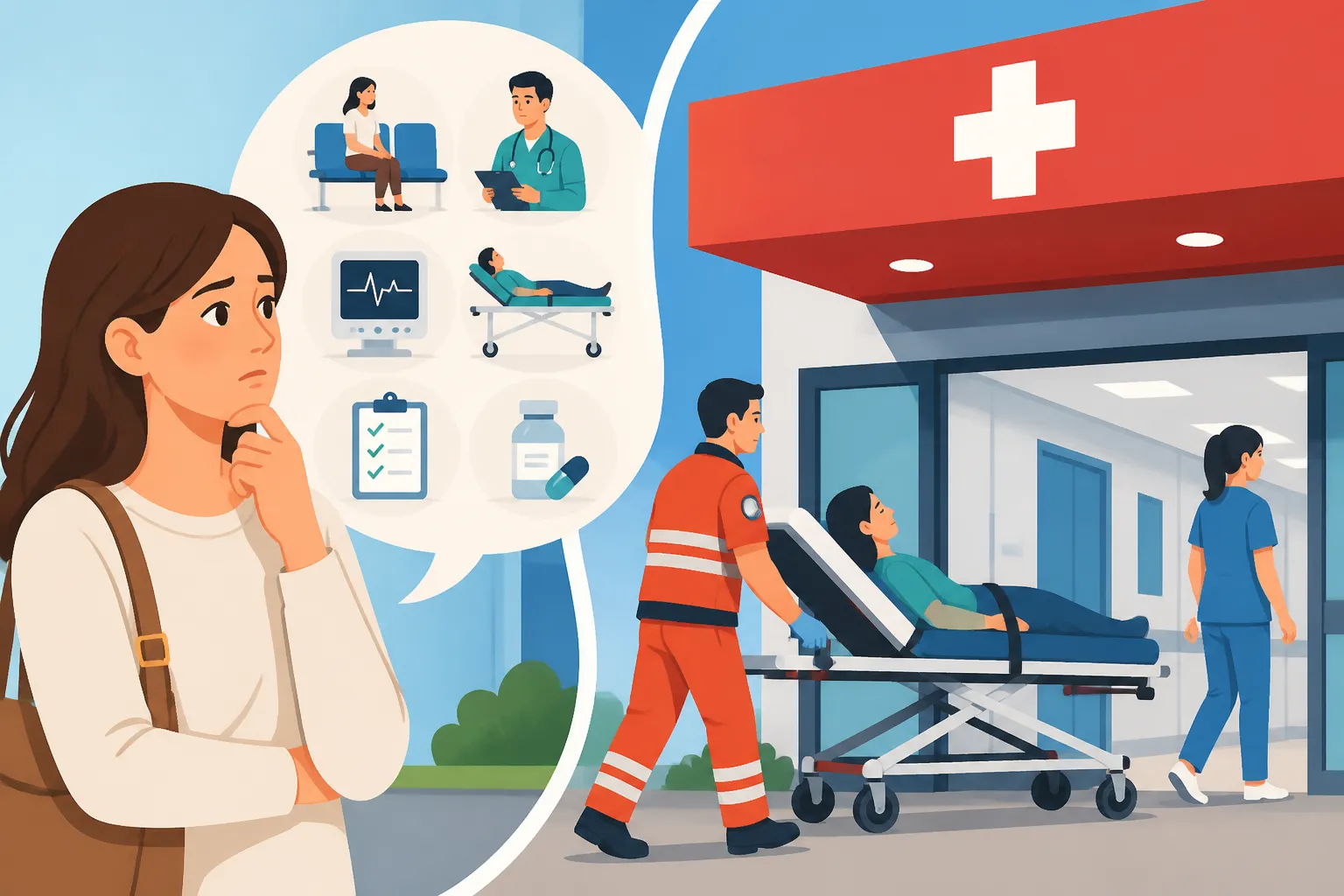
When you first walk into an Italian emergency room, the atmosphere can feel overwhelming. Unlike some countries where there is a clear, quiet reception desk, the Italian Pronto Soccorso is often a bustling hub of activity. Your first point of contact will be the Triage desk. This is not just a registration point; it is where a specialized nurse assesses the severity of your condition.
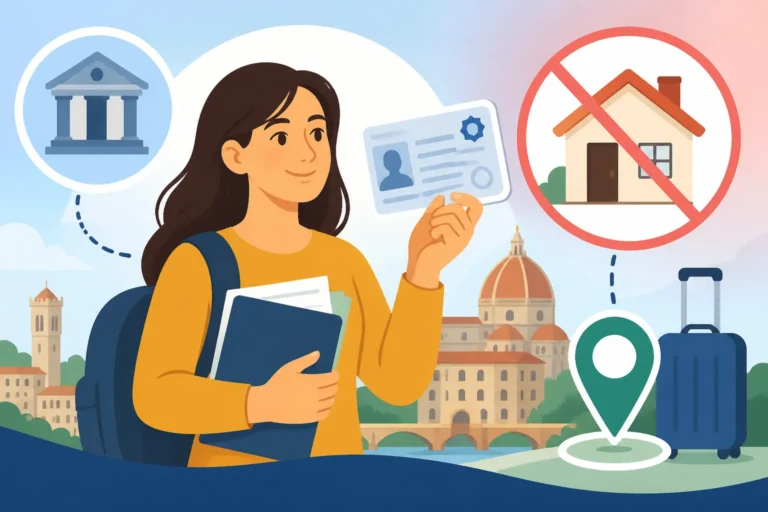
You will be asked for your identification and your health insurance information. If you are a resident, you must present The Italian Health Card (Tessera Sanitaria): Uses and How to Get One to ensure your visit is recorded within the national system. If you are a tourist or a new expat who hasn't yet navigated the residency maze, you should have your passport and your private insurance details ready. For those traveling or in their first months of relocation, services like SafetyWing are incredibly common for providing the necessary coverage documentation that hospital staff recognize.
The nurse will ask you about your symptoms. It is vital to be as specific as possible. If your Italian is still a work in progress, having a list of symptoms written down or using a translation app is highly recommended. I’ve found that being calm but firm about your pain levels helps the nurse make an accurate assessment. Once registered, you won't necessarily be seen in the order you arrived. This is the part that frustrates many foreigners, but it is all based on the triage color code you are assigned.
Understanding the Triage Color Codes
Italy recently updated its triage system to move toward a numerical scale in some regions, but the color-coded system remains the most widely understood by both staff and patients. This system is the heartbeat of the Pronto Soccorso, determining who goes to the front of the line and who waits for several hours.
The most critical code is Red (Rosso). If you or someone you are with is assigned a red code, you will be taken into the treatment area immediately. This is reserved for life-threatening emergencies like cardiac arrest or severe trauma. Orange (Arancione) is the next level, indicating a high risk of deterioration, with an expectation of being seen within 15 to 30 minutes.
Most expats find themselves in the Green (Verde) or White (Bianco) categories. A Green code means your condition is urgent but not life-threatening. You will be seen, but you should prepare for a long wait, especially in major cities like Milan, Rome, or Naples. The White code is for non-urgent issues that could have been handled by a family doctor. Be aware that being assigned a White code often comes with a financial "ticket" or co-payment, as the system discourages using the ER for minor ailments. For more details on these priorities, you can read about Emergency Rooms in Italy (Pronto Soccorso) and Triage Codes to better understand where your situation might fall.
The Documentation You Need to Carry
Beyond your health card, the bureaucracy of Italian healthcare requires a few other essentials. If you have a pre-existing condition, having a summary of your medical history translated into Italian is a lifesaver. This is where Using Medical Translation and Interpretation Services becomes invaluable, as technical medical terms are often lost in casual translation.
I always tell new arrivals to keep a digital folder on their phone with their Codice Fiscale: Why It’s Essential for Finance in Italy and any private insurance policy documents. If you are using a comprehensive international plan like Cigna Global, the hospital will need to know if they can bill the provider directly or if you need to pay upfront and seek reimbursement. Having the policy number and the international emergency contact line for your insurer highlighted can save you a massive headache during a high-stress moment.
| Triage Code | Priority Level | Estimated Wait Time | Potential Cost (for White Code) |
|---|---|---|---|
| Red (Rosso) | Emergency / Life-threatening | Immediate | Free |
| Orange (Arancione) | Highly Urgent | 15 – 30 Minutes | Free |
| Blue (Azzurro) | Urgent but Stable | 30 – 60 Minutes | Usually Free |
| Green (Verde) | Low Urgency | 1 – 4 Hours+ | Usually Free |
| White (Bianco) | Non-Urgent | 4 – 8 Hours+ | Fixed "Ticket" Fee (varies by region) |
The Waiting Room Culture and Hospital Etiquette
The waiting room of an Italian Pronto Soccorso is a unique cultural experience. It is rarely a place of hushed whispers. You will see entire families gathered to support a single patient. In Italy, the concept of the accompagnatore (the person accompanying the patient) is very strong. However, rules regarding who can enter the actual treatment area have become stricter in recent years. Usually, only one person is allowed to stay with the patient, and in many cases, you may be asked to wait in the main lobby until the doctor is ready to speak with family members.
One thing that caught me off guard during my first visit was the lack of "amenities." Do not expect free coffee, comfortable recliners, or even vending machines that work consistently. If you are assigned a Green or White code, you might be there for a very long time. I highly recommend bringing a portable phone charger, a large bottle of water, and a few snacks. It sounds trivial, but when you are six hours into a wait in a fluorescent-lit room in Florence, a granola bar is a godsend.
Dealing with the Wait Times
Wait times in Italian public hospitals are notoriously long for non-critical cases. It is not uncommon to wait six to ten hours for a Green code during peak times or flu season. This is a systemic issue, not a reflection of the quality of care. Once you are actually in front of a doctor, the level of medical expertise in Italy is generally excellent. The struggle is simply the volume of patients.
To avoid the ER for minor issues, many expats utilize the After-Hours Care in Italy: Guardia Medica Explained service. The Guardia Medica is a group of doctors who work nights and weekends to handle non-emergencies. If your issue isn't life-threatening, calling them first can save you half a day of sitting in a hospital hallway. They can even issue prescriptions or a How to Get a Sick Note in Italy (Certificato di Malattia) if you need to justify an absence from work.
Communication with Medical Staff
While many younger doctors in Italy speak English, it is not guaranteed, especially with the nursing and administrative staff. If you find yourself struggling to communicate, ask if there is a mediatore culturale (cultural mediator) available. Large hospitals often have staff dedicated to helping foreigners.
If you are a long-term expat with a policy from Cigna Global, you might also have access to a 24/7 medical concierge who can help explain your situation to the local doctors over the phone. Being able to clearly explain your symptoms, any allergies, and what medications you are currently taking is the most important part of the visit. If you are unsure about the costs involved for non-residents, reviewing the Cost of Healthcare in Italy: What Expats Need to Know before an emergency happens can help you manage your expectations.
The Examination and Discharge Process
Once your name (or code) is finally called, you will be taken into a treatment area which might be a large open ward or a private room, depending on the hospital's age and layout. Italian doctors are very thorough. You can expect blood tests, X-rays, or ultrasounds to be ordered relatively quickly once you have been admitted to the inner sanctum of the hospital.
Unlike the waiting room, the pace inside the treatment area is usually very fast. The doctors will often speak to each other in rapid Italian, which can be intimidating. Don't be afraid to interrupt and ask, "Può spiegare in inglese, per favore?" (Can you explain in English, please?). Most will be happy to slow down and ensure you understand the diagnosis. If you are an EU citizen, this is also the moment where you might need to show your European Health Insurance Card if you haven't already.
Receiving Your Verbale di Pronto Soccorso
When you are ready to be discharged, you will receive a document called the verbale di Pronto Soccorso. This is an official record of your visit, the tests performed, the diagnosis, and the recommended treatment. Do not lose this paper. You will need it for any follow-up appointments, for insurance reimbursement claims, and for your own records.
The discharge paper will often include a request for follow-up tests or a visit to a specialist. In the Italian system, the ER only stabilizes you; they do not provide long-term care. To get these follow-up appointments through the public system, you will need to take this verbale to your family doctor to get a formal referral. Understanding How to Get a Referral to a Specialist Doctor is the next crucial step in your recovery journey.
Paying the Ticket and Outpatient Costs
If your visit was classified as a White code (non-emergency), you will likely be asked to pay a "ticket" before you leave or via a bill sent to your residence. This fee is usually between 25 and 50 Euros, depending on the region. There are usually automated machines (often called a totem) near the exit where you can scan your discharge paper and pay with a card.
For non-residents or those without a health card, the costs can be significantly higher, as you will be charged the full rate for every test and consultation. This is why having a travel-specific plan like SafetyWing is so important for visitors; it covers these unexpected outpatient costs that can otherwise reach hundreds of Euros. Always make sure to get a formal receipt (fattura) for any payment you make, as you will need this for your tax returns or insurance claims.
Post-Visit Care and Navigating the System
Leaving the hospital is often just the beginning of the process. The Italian healthcare system is excellent but requires the patient to be proactive. If you were prescribed medication, you would need to find a pharmacy. In Italy, pharmacies alternate night shifts. You can look for the Finding and Using Pharmacies in Italy guide to help you find a farmacia di turno if you are discharged late at night.
If your ER visit revealed a more chronic issue, you might consider looking into the differences between the public and private systems for your follow-up care. Many expats choose to have Healthcare in Italy: An Expats' Guide as a reference to decide whether to continue with the National Health Service (SSN) or to use their private insurance for faster access to specialists. Private clinics often have more English-speaking staff and much shorter waiting lists for things like MRIs or specialized consultations.
Finally, if you found the experience particularly stressful due to a language barrier, it might be time to look for a permanent solution. For those living in major hubs, Finding English-Speaking Doctors and Clinics can provide a list of practitioners who can act as your primary point of contact, reducing the need for ER visits in the future. Remember, the Pronto Soccorso is there for emergencies; for everything else, building a relationship with a local doctor is the best way to stay healthy in Italy.
Disclaimer
The information provided in this guide is for educational and informational purposes only and does not constitute professional medical or legal advice. Healthcare regulations and costs in Italy can change frequently and vary significantly by region. Always consult with a qualified medical professional or your insurance provider for specific advice regarding your health and coverage. In the event of a life-threatening emergency in Italy, immediately dial 112 or 118.