Using Medical Translation and Interpretation Services
Navigating healthcare in a foreign country is daunting without language fluency. This comprehensive guide explores how to access professional medical translation and interpretation services in Italy, ensuring accurate diagnoses, precise health record translations, and stress-free communication with local Italian doctors.
Disclosure: This post may contain affiliate links. We may earn a commission at no extra cost to you if you make a purchase through these links. Read full disclosure.
Introduction
The Italian healthcare system is consistently ranked among the best in the world, offering high-quality, universally accessible medical care to its residents. However, the operational language of this system is strictly Italian. While you may find English-speaking specialists in major metropolitan hubs like Rome or Milan, the vast majority of public hospital staff, emergency room triage nurses, and local general practitioners do not speak fluent English.
When your health is on the line, approximations and hand gestures are simply not enough. Medical terminology is highly complex, nuanced, and precise. A misunderstanding regarding medication dosages, allergy histories, or specific symptoms can have serious, if not life-threatening, consequences. This is where professional medical translation and interpretation services become not just a luxury, but an absolute necessity for expatriates and international travelers.
Whether you need to translate your childhood vaccination records to enroll your children in an Italian school, require a bilingual professional to accompany you to an oncology appointment, or need to decipher an Italian medical report, specialized language services bridge the gap between you and your healthcare providers. This exhaustive guide will detail everything you need to know about utilizing medical translation and interpretation services in Italy. We will explore the critical differences between these services, explain the rigorous legal requirements for translating official medical documents, provide actionable advice on finding certified professionals, and highlight the dangerous pitfalls of relying on machine translation for your healthcare needs.
Understanding Translation Versus Interpretation
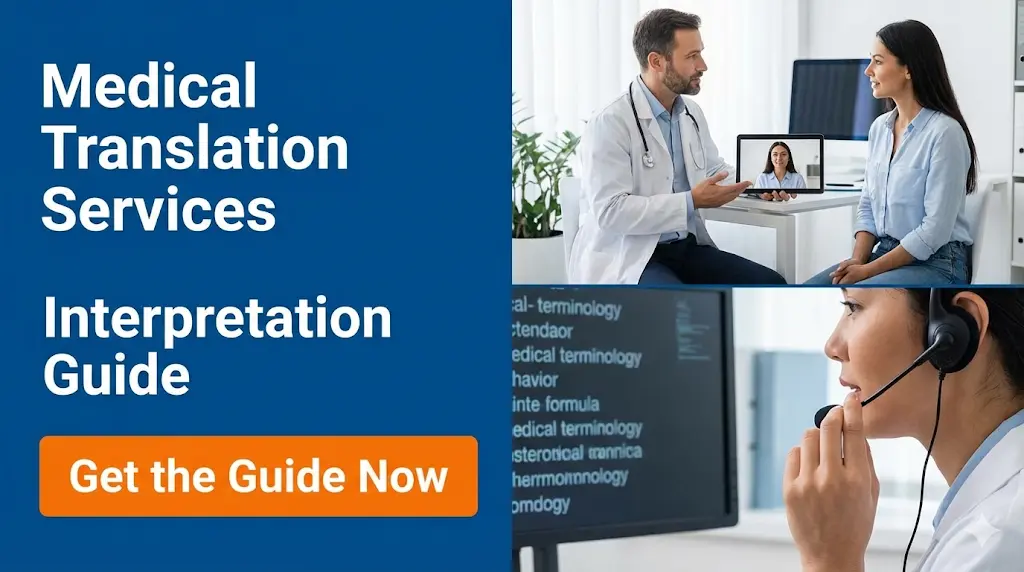
Before delving into the logistics of hiring a language professional in Italy, it is essential to understand the distinction between translation and interpretation. While the terms are often used interchangeably in casual conversation, they refer to two completely different skill sets and services within the medical field.
Medical Translation
Translation refers exclusively to the written word. A medical translator takes a written document in one language (the source language) and accurately converts it into another written language (the target language). In the context of Italian healthcare, you will need a medical translator for items such as hospital discharge summaries, laboratory test results, surgical operative reports, prescription medication instructions, and historical patient medical records. Medical translators are experts in written medical terminology, pharmacology, and anatomy. They have the time to research specific terms, consult medical dictionaries, and ensure that the translated document is a perfect, flawless reflection of the original text.
Medical Interpretation
Interpretation, on the other hand, deals with the spoken word in real-time. A medical interpreter facilitates live, verbal communication between a patient and a healthcare provider who do not speak the same language. You will need a medical interpreter when you are sitting in a doctor’s consultation room, undergoing a medical procedure, or speaking to a triage nurse in the emergency department. Interpreters must possess extraordinary active listening skills, exceptional memory, and the ability to instantly translate complex medical concepts back and forth without losing the emotional nuance or the clinical accuracy of the conversation.
The Critical Need for Medical Document Translation
If you are planning a long-term relocation to Italy, your healthcare preparation must begin long before you board your flight. Bringing your comprehensive medical history with you is vital for continuity of care, but handing an Italian doctor a stack of English medical records is rarely helpful. To ensure a smooth transition into the local system, you must have your most critical health documents professionally translated into Italian. For a broader overview of how to integrate into the local system, you can review our comprehensive guide on Healthcare in Italy: An Expats’ Guide.
Documents That Require Translation
Not every single doctor’s note from your past needs to be translated, but certain key documents are essential for your new Italian primary care physician. These include:
- Vaccination Records: If you are moving with children, Italian law requires proof of mandatory childhood vaccinations for school enrollment. These records must be translated accurately to prove compliance with the Italian Ministry of Health schedules.
- Chronic Illness Histories: If you suffer from diabetes, cardiovascular disease, autoimmune disorders, or any other chronic condition, a translated summary of your diagnosis, past treatments, and current stability is vital.
- Surgical Reports: Details of past major surgeries, including the specific techniques used and any complications experienced, should be translated to inform future surgical or emergency care.
- Prescription Medication Lists: A translated list of your current medications, focusing heavily on the active chemical ingredients rather than the brand names, is necessary to secure local Italian prescriptions.
The Sworn Translation Process
In Italy, it is not enough to simply have a bilingual friend translate your medical records. For official purposes, such as registering a disability with the state or securing specific medical exemptions from the national health service, you will likely need a sworn translation, known in Italy as a traduzione giurata or traduzione asseverata.
A sworn translation is a legal document. The professional translator must take the translated medical record to an Italian courthouse (Tribunale) or a notary public. There, they swear an oath before a public official that the translation is a true, faithful, and complete representation of the original source document. The official translation is then bound together with the original document and affixed with special government revenue stamps known as marche da bollo.
Because this process involves significant bureaucratic maneuvering, specialized legal knowledge, and tax stamps, sworn translations are considerably more expensive and time-consuming than standard translations. You should only request a traduzione giurata if an Italian government office or a specific hospital administrative department explicitly demands it. For standard doctor consultations, a certified professional translation without the courthouse oath is usually sufficient.
Finding Professional Medical Interpreters in Italy
When you are facing a complex medical consultation, having a professional medical interpreter by your side provides profound peace of mind. However, finding a qualified individual requires knowing where to look and understanding the credentials required for the job.
Cultural Mediators in Public Hospitals
The Italian public healthcare system is increasingly aware of the challenges faced by its diverse, multicultural resident population. Many large public hospitals and regional health authorities now employ linguistic and cultural mediators, known as mediatori culturali or mediatori linguistici.
These professionals are provided by the hospital free of charge to assist non-Italian speakers during appointments and hospital stays. However, there are significant limitations to this public service. Cultural mediators are often stretched incredibly thin, covering entire hospital wings, and their availability is never guaranteed. Furthermore, while they are excellent at basic communication, they may not always possess deep, specialized medical vocabularies for highly complex oncological or neurological consultations. Finally, they are mostly available for common immigrant languages rather than English, which is often presumed to be a language the doctors themselves might understand.
Hiring a Private Freelance Interpreter
For guaranteed assistance, specialized medical knowledge, and absolute dedication to your specific case, hiring a private freelance medical interpreter is the best route. You can schedule them to meet you at the clinic, accompany you into the consultation room, and stay with you for the duration of your appointment.
To find a reputable private interpreter, you can consult several reliable sources. Many foreign embassies and consulates in Italy publish lists of vetted, English-speaking professionals, including translators and interpreters, on their official websites. Additionally, you can search the national registries of professional translation associations in Italy, such as AITI (Associazione Italiana Traduttori e Interpreti). When vetting a potential interpreter, you must explicitly ask about their experience in the medical field. A brilliant corporate business interpreter may lack the specific anatomical and pharmacological vocabulary required to safely interpret a cardiology consultation.
If you are looking for medical facilities that actively cater to international patients and may provide their own bilingual staff, exploring our directory on Where to Find English-Speaking Doctors and Clinics can help you locate the right environment for your needs.
Situations That Require a Professional Medical Interpreter
While you might be able to navigate a routine teeth cleaning or a basic pharmacy visit with a few words of Italian and a translation app on your phone, there are specific medical scenarios where a professional human interpreter is absolutely non-negotiable.
Emergency Room Visits
The emergency room, or Pronto Soccorso, is a high-stress, fast-paced environment. Triage nurses and emergency physicians need to gather accurate information rapidly to prioritize life-saving care. If you are experiencing severe chest pain, sudden neurological symptoms, or profound trauma, the inability to communicate your symptoms, your medical history, or your drug allergies can be fatal. If you are conscious and able, requesting a phone-based remote interpreter or having a bilingual emergency contact communicate on your behalf is vital.
Specialist Consultations and Informed Consent
If you are referred to a specialist for a complex condition, you will be discussing intricate diagnostic results, exploring various treatment pathways, and evaluating potential risks. Before undergoing any surgical procedure or invasive diagnostic test in Italy, you are legally required to sign a document of informed consent (consenso informato). You cannot legally or ethically sign this document if you do not fully understand the procedure, the risks, and the alternatives. A medical interpreter ensures that you possess total comprehension before you consent to any medical intervention.
Mental Health and Psychiatric Care
Psychotherapy and psychiatric care rely almost entirely on language, emotional nuance, and the subtle expression of feelings. Attempting to undergo therapy with a professional who does not speak your native language is generally ineffective and can be deeply frustrating. If you cannot find a bilingual therapist, utilizing an interpreter who is specially trained in psychiatric interpretation—and bound by the strictest codes of confidentiality—is essential for mental health treatment.
Navigating the Italian Pharmacy System
In Italy, the local pharmacy (farmacia) plays a much larger and more clinical role than pharmacies in North America or the UK. The pharmacist is a highly respected healthcare professional who acts as the first line of triage for minor ailments.
You cannot simply walk the aisles and pull cold medicine, allergy pills, or mild painkillers off the shelf. These items are kept behind the counter. You must approach the pharmacist, describe your symptoms, and they will recommend and dispense the appropriate medication. If you do not speak Italian, this interaction can be highly intimidating.
While you may not need to hire a professional interpreter to buy cough syrup, you should utilize professional translation services to create a “pharmacy card” for yourself. Have a translator write down your specific chronic conditions, your known drug allergies (e.g., “Allergico alla penicillina”), and the generic active ingredients of the medications you frequently use. Handing this accurately translated card to the Italian pharmacist guarantees that you receive safe, appropriate over-the-counter care. For a deeper dive into how this system operates, you should read our guide on Italian Pharmacies: Prescription, Over-the-Counter, and Supplies.
Bypassing Barriers with Telemedicine
One of the most significant advancements in overcoming language barriers in Italian healthcare is the rapid rise of telemedicine. For expatriates living in rural areas or smaller towns where physical English-speaking doctors or interpreters are entirely unavailable, digital health platforms offer an immediate, elegant solution.
Many modern private telemedicine platforms operating in Italy cater specifically to the international community. They allow you to book video consultations with fully licensed, English-speaking general practitioners and specialists. Because the doctor speaks your native language, the need for a third-party interpreter is completely eliminated. These digital doctors can diagnose acute illnesses, manage chronic conditions, and issue valid electronic prescriptions that you can take to any local Italian pharmacy.
If you are consulting with an Italian-speaking doctor via telemedicine, you can also utilize Video Remote Interpretation. You can hire an interpreter to join the secure video call from their own office. This provides all the benefits of a highly skilled medical interpreter without the need to pay for their physical travel time to your location.
Cost Breakdown for Language Services in Italy
Budgeting for medical translation and interpretation is an important aspect of managing your healthcare as an expatriate. Costs vary based on the complexity of the medical text, the urgency of the request, and the specific qualifications of the language professional.
It is important to note that the Italian public healthcare system does not reimburse the costs of hiring a private freelance interpreter or translator. These are out-of-pocket expenses. However, if you hold a premium international private health insurance policy, some companies may offer reimbursement for medical interpretation services if they are deemed strictly necessary for your care. Always check with your insurance provider in advance.
To help you anticipate these expenses, the following table provides a general overview of the estimated costs for various medical language services in Italy.
| Type of Language Service | Pricing Structure | Estimated Cost Range | Notes |
| Medical Document Translation | Per word or per standard page (cartella) | €0.10 – €0.20 per word | Complex oncology or neurology reports will cost more than basic vaccination records. |
| Sworn Translation (Traduzione Giurata) | Base translation fee + Court fees + Tax stamps | €50 – €100 surcharge + €16 stamp every 4 pages | Required only for highly official government or legal medical procedures. |
| In-Person Medical Interpretation | Hourly rate (often with a 2-3 hour minimum) | €40 – €80 per hour | You may also be required to cover the interpreter’s travel expenses to the hospital. |
| Remote Telephone Interpretation | Per minute | €1.50 – €3.00 per minute | Excellent for quick calls to schedule appointments or brief doctor check-ins. |
The Dangers of Using Machine Translation in Healthcare
In the era of smartphones, it is incredibly tempting to rely on artificial intelligence apps, like Google Translate or DeepL, to navigate medical encounters. While these tools are fantastic for ordering food in a restaurant or asking for directions to the train station, relying on them for critical healthcare communication is exceptionally dangerous.
Machine translation lacks the ability to understand context, regional dialects, and the complex, high-stakes nature of medical jargon. A mistranslated word regarding a medication dosage (for example, confusing milligrams with micrograms) or an inaccurate translation of a surgical risk can lead to disastrous medical errors.
Furthermore, machine translators completely fail to grasp the unique cultural illnesses and concepts inherent in Italian medicine. For example, a very common Italian ailment is la cervicale. If you type this into a translation app, it will output “cervical,” which an English-speaking doctor will associate with the cervix and gynecological health. In Italy, however, la cervicale refers to pain in the cervical spine, meaning a stiff neck or a tension headache.
Another classic example is un colpo d’aria (literally “a hit of air”). Italians frequently cite this as the cause of sore throats, indigestion, or muscle spasms. A machine translator cannot accurately convey the cultural context of this phrase to a foreign doctor, nor can it effectively translate complex English medical concepts into localized Italian terminology that a local doctor will understand. Human medical interpreters do not just translate words; they act as cultural bridges, ensuring that the true clinical meaning is accurately conveyed and understood by both parties.
Best Practices for Working with an Interpreter
If you decide to hire a professional medical interpreter for your next hospital visit in Italy, following a few best practices will ensure that the consultation is as efficient and effective as possible.
First, always speak directly to your doctor, not to the interpreter. Maintain eye contact with the physician and use the first person. Say, “I am experiencing sharp pain in my chest,” rather than looking at the interpreter and saying, “Tell him that my chest hurts.” This maintains the critical doctor-patient relationship and keeps the communication clinical and direct.
Second, be mindful of your pacing. Speak in short, clear, and complete sentences. Pause frequently to allow the interpreter time to accurately translate the information before moving on to your next point. Avoid using highly colloquial slang or regional idioms from your home country, as these are notoriously difficult to translate accurately on the spot.
Finally, pre-brief your interpreter. If you are hiring a private professional, send them a summary of your medical condition, any relevant previous diagnoses, and the specific questions you want to ask the doctor before the appointment. Allowing the interpreter time to research the specific anatomical terms or pharmacological names related to your condition guarantees a much smoother and more accurate live interpretation.
Conclusion
Securing your health and well-being while living in Italy should never be compromised by a language barrier. While the Italian healthcare system is staffed by brilliant and dedicated medical professionals, their expertise cannot help you if you cannot communicate your symptoms, understand your diagnosis, or consent to your treatment plan.
Investing in professional medical translation and interpretation services is an investment in your safety, your peace of mind, and your overall quality of life abroad. By ensuring your vital medical records are accurately translated into Italian, utilizing trained interpreters for complex specialist visits, and embracing modern telehealth solutions to bypass linguistic hurdles, you take profound control over your expatriate healthcare experience. Do not leave your medical care to the approximations of smartphone apps or the guesswork of a bilingual friend. Empower yourself with professional language services, and you can confidently navigate the Italian medical landscape, leaving you free to enjoy the vibrant, beautiful life you moved to Italy to experience.
References
Primary Official Sources
- Ministero della Salute: The official Italian Ministry of Health portal detailing patient rights, informed consent requirements, and the structure of the national healthcare system. https://www.salute.gov.it/
- Ministero degli Affari Esteri e della Cooperazione Internazionale: Information regarding the legalization of documents, foreign representations in Italy, and the legal framework for sworn translations. https://www.esteri.it/
Other Helpful Sources
- AITI (Associazione Italiana Traduttori e Interpreti): The principal Italian association of professional translators and interpreters, providing a searchable directory of qualified, specialized medical linguists. https://aiti.org/
- US Embassy and Consulates in Italy: Provides comprehensive lists of vetted, English-speaking medical professionals, certified translators, and interpreters operating within various consular districts across Italy. https://it.usembassy.gov/
Disclaimer
The information provided in this article is intended for general educational and informational purposes only and does not constitute official medical, legal, or financial advice. The costs for translation and interpretation services are estimates and are subject to change based on the provider and the region of Italy. Always verify the credentials, medical specialization, and professional certifications of any translator or interpreter before hiring them for sensitive healthcare communications. In the event of a severe, life-threatening medical emergency, please dial 112 immediately to access emergency services.