How to Get a Sick Note in Italy (Certificato di Malattia)
Waking up with a splitting headache or a fever is bad enough, but realizing you have to navigate the Italian bureaucratic machine to justify your absence from work can make you feel even worse. I remember the first time I got the flu in Florence; I thought a quick email to my boss would suffice, only to find out that without a digital protocol number from a state-authorized doctor, my pay was at risk. This guide breaks down exactly how to navigate the INPS system, get your digital sick note, and avoid the dreaded "visita fiscale" penalties.
Disclosure: This post may contain affiliate links. We may earn a commission at no extra cost to you if you make a purchase through these links. Read full disclosure.
Understanding the Italian Sick Note System
The Italian system for sick leave, known as malattia, is highly regulated and almost entirely digital. Unlike some countries where a simple note on a prescription pad might work, Italy uses a centralized system managed by the National Social Security Institute, or INPS. When you are too ill to work, you don't just need a doctor’s "permission"; you need a formal entry into the national database that links your health status directly to your employer’s payroll and the state's social security coffers.
What is the Certificato di Malattia
The Certificato di Malattia is the official document that justifies your absence from the workplace. It consists of two parts: the certificate itself, which contains clinical data and the diagnosis (sent only to INPS), and the "attestato," which only states the duration of the illness (available to your employer). This separation is crucial for your privacy, as your boss technically has no right to know if you have a migraine or something more sensitive.
In my experience, the digital nature of this system is a double-edged sword. It’s efficient because you don’t have to mail physical papers, but it’s rigid. If the doctor makes a mistake with your Codice Fiscale or the dates, fixing it can be a multi-day headache involving several phone calls to the local health office. You must ensure you have already completed the process of Registering with an Italian Family Doctor (Medico di Base) before you actually fall ill, otherwise, getting this note becomes significantly more complicated.
The Role of the Medico di Base
Your primary point of contact for a sick note is your Medico di Base (General Practitioner). This is the doctor you chose when you first navigated Enrolling in Italy’s National Health System (SSN). They are the only ones authorized to issue the digital certificate for routine illnesses. They have access to the "Sogei" portal, which transmits your data in real-time to INPS.
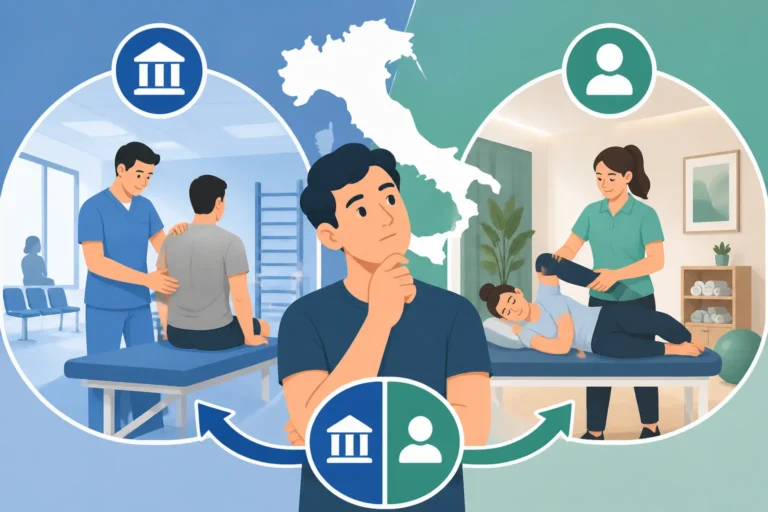
It is important to note that you cannot usually get a sick note from a private specialist or a random walk-in clinic unless they are specifically integrated into the national system. If you are using a service like Cigna Global for private healthcare, they can provide medical advice and treatment, but for the official INPS-recognized sick note that covers your salary, you almost always need to loop back to a state-affiliated doctor. This is one of the major Differences between Public and Private Healthcare in Italy that catches many expats off guard during their first year of residency.
Step-by-Step Guide to Getting Your Sick Note
The clock starts ticking the moment you realize you can't make it to work. In Italy, the law is quite strict: you generally need to obtain the certificate on the very first day of your absence. Retrospective certificates—notes issued today for a sickness that started two days ago—are legally problematic and often rejected by INPS, which could lead to your absence being marked as "unjustified."
Calling Your Family Doctor
The first thing you should do is call your doctor’s office during their orario di ricevimento (consultation hours). Be prepared for the phone line to be busy. I’ve spent many mornings redialing a doctor in Rome dozens of times just to get through. Once you speak to them, explain your symptoms clearly.
While some doctors might be willing to issue a one-day note over the phone for something like a minor stomach bug, they are technically required to see you in person. If they ask you to come in, you must go, regardless of how bad you feel. During the appointment, make sure you have your Italian Health Card (Tessera Sanitaria) ready. The doctor will need the chip on the card or your tax code to log into the system. If you are a traveler or a digital nomad without an SSN, you might be using SafetyWing for coverage, but you will likely need to visit a Guardia Medica (out-of-hours doctor) to get a formal justification if you are working for an Italian entity.
The Digital Transmission to INPS
Once the doctor examines you, they will fill out the electronic form. They will ask for your current address—specifically where you will be resting. This is vital. If you are staying at a partner's house or a hotel instead of your registered residence, you must tell the doctor. INPS needs to know exactly where to find you if they send a doctor to verify your illness.
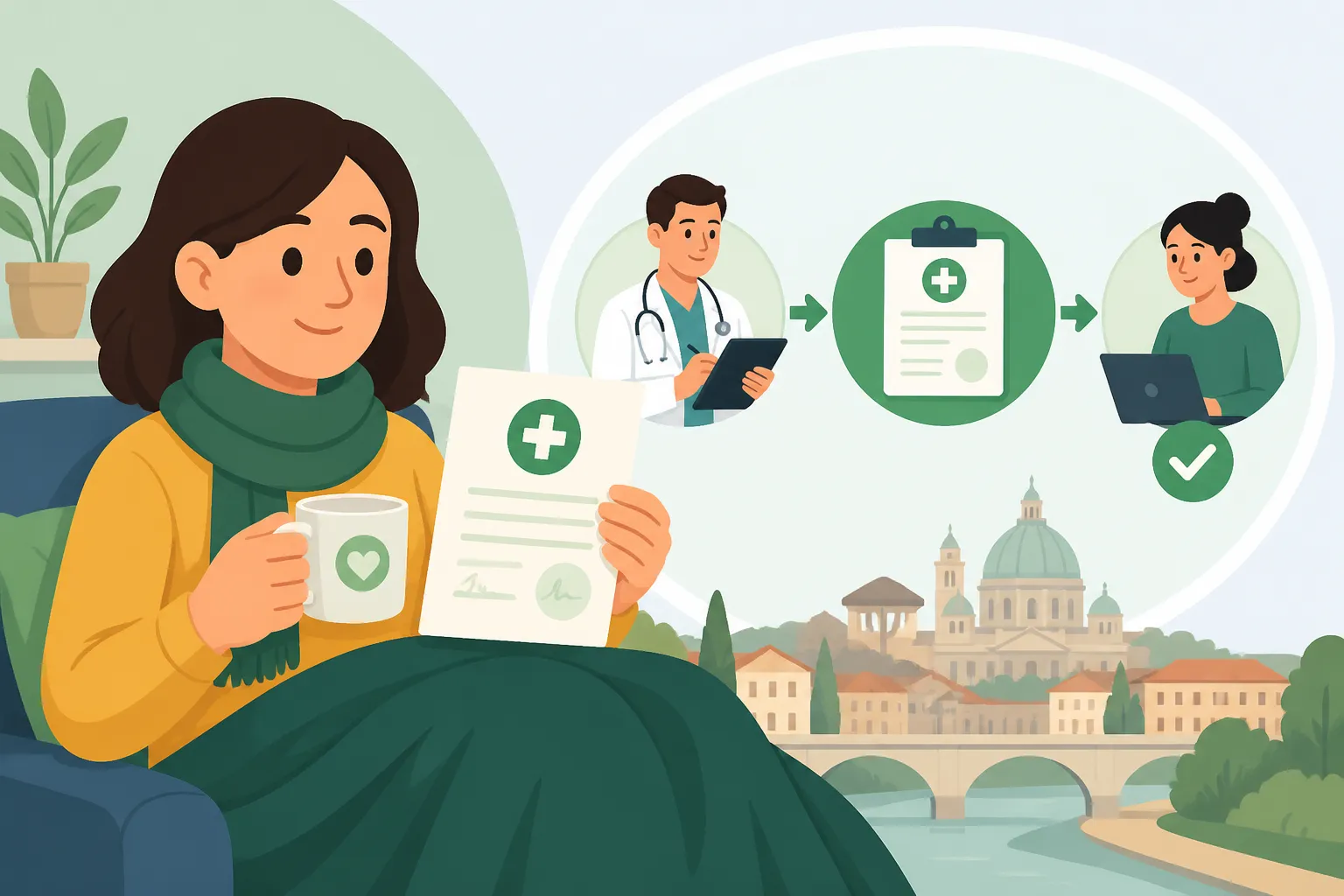
After the doctor hits "send," the system generates a Numero di Protocollo (Protocol Number). Ask the doctor to write this down for you or, better yet, print the attestato. Most modern doctors will automatically send you an email with the PDF. This number is your "get out of jail free" card; it is the only proof you need that you have followed the law. If the doctor’s internet is down (which happens more than you'd think in rural areas), they can issue a paper certificate, but you then have the burden of getting that paper to the INPS office yourself within 24 hours.
Your Responsibilities Toward Your Employer
Even though the system is digital, you still have a proactive duty to inform your employer. You should send an email or a message to your HR department or manager as soon as possible, providing them with the Numero di Protocollo you received from the doctor. They will use this number to pull the "attestato" from the INPS portal to see how many days you are cleared to be off.
Remember, your employer cannot see your diagnosis, but they can see the start and end dates. If you feel better before the note expires, you can't just show up back at work; you actually need the doctor to "close" the certificate early or issue a new one stating you are fit for duty. For more on the administrative side of things, check out our guide on Registering Your Local ASL in Italy: A Practical Guide.
| Feature | Requirement | Notes |
|---|---|---|
| Timing | First day of illness | Mandatory for salary coverage |
| Issuer | Medico di Base or Guardia Medica | Private doctors usually cannot issue INPS notes |
| Necessary Data | Codice Fiscale & Current Address | Must be where you are physically staying |
| Proof | Protocol Number | Send this to your employer immediately |
| Check-ups | Visita Fiscale | Home visits by INPS to verify illness |
What to Do During Your Sick Leave
This is perhaps the most shocking part of the Italian system for foreigners: the Visita Fiscale. INPS has the right to send a doctor to your home to verify that you are actually sick and staying at home to recover. If the bell rings and you aren't there—or you just don't hear it—you can lose your sick pay and face disciplinary action from your employer.
Mandatory Home Hours for Private Employees
If you work for a private company, you have specific "reperibilità" (availability) windows. You must be at the address listed on your sick note during these times, seven days a week, including weekends and holidays.
For private-sector employees, the windows are:
- Morning: 10:00 AM to 12:00 PM
- Afternoon: 5:00 PM to 7:00 PM
I once missed the morning window because I ran down the street to the pharmacy to get the very medicine the doctor prescribed. Technically, that’s a risk. If you must leave for a medical reason (like a follow-up test or a pharmacy run), you should ideally have proof (like a receipt with a timestamp) to justify your absence if the inspector arrived while you were out. For more details on the costs involved in these visits or medications, see Cost of Healthcare in Italy: What Expats Need to Know.
Mandatory Home Hours for Public Employees
If you are a teacher, a civil servant, or work in any public sector capacity, the rules are even stricter. The windows are longer, leaving you very little time to do anything other than rest.
For public-sector employees, the windows are:
- Morning: 9:00 AM to 1:00 PM
- Afternoon: 3:00 PM to 6:00 PM
Missing a visit can result in the total loss of salary for the first ten days of illness and a 50% reduction for the following days. It sounds draconian, and it feels that way when you're stuck inside on a beautiful Saturday while recovering from a minor sprain, but it’s a deeply ingrained part of the labor culture designed to prevent "furbetti" (cheaters) from taking fake sick days.
Sick Notes for Non-Residents and Tourists
What if you are in Italy but aren't yet a resident? Or what if you fall ill at 10:00 PM on a Friday night? The standard Medico di Base won't be available, and you'll need to find an alternative way to get your documentation.
Using the Guardia Medica
The Guardia Medica (Medical Guard) is a fantastic service for after-hours care. They take over when the family doctors close their offices. They can issue sick notes just like a regular GP. I’ve had to use them once when a high fever hit on a Sunday evening. You can find them by searching for "Guardia Medica" followed by your city name, or by calling Emergency Medical Numbers in Italy (112, 118, 1500) for guidance on the nearest station.
The Guardia Medica is generally free for residents, though some regions might charge a small "ticket" (co-payment). For non-residents, there is usually a fee (around 15 to 25 Euro for a visit). They will provide you with the same digital protocol number needed for your employer. This is a vital resource if you are still figuring out How to Get a Tessera Sanitaria as a New Resident in Italy.
Private Doctors and International Insurance
If you are using international health insurance like Cigna Global or SafetyWing, you might prefer to see an English-speaking private doctor for comfort and speed. While these doctors are great for diagnosis and treatment, most are not set up to transmit the electronic Certificato di Malattia to the Italian INPS system.
If you see a private doctor, you must ask them for a detailed medical report. You then have to take that report to a state-authorized doctor (like the Guardia Medica or your Medico di Base) to have it "translated" into the official digital system. This is a cumbersome extra step, so if your primary goal is the sick note, it is almost always faster to go straight through the public system, even if it means sitting in a waiting room for an hour. You can find more info on these specific services in our guide on Where to Find English-Speaking Doctors and Clinics.
Common Challenges and Troubleshooting
The Italian medical bureaucracy is notorious for glitches. Sometimes the Sogei portal goes down, or your doctor’s assistant forgets to hit "confirm." Knowing how to troubleshoot these moments can save you a lot of anxiety while you're trying to recover.
When Your Doctor is Unavailable
If your doctor is on vacation, they are legally required to appoint a sostituto (substitute). Their name and contact info should be posted on the doctor's office door or on their answering machine. The substitute has all the same powers to issue your Certificato di Malattia.
If there is no substitute and it’s an emergency, your last resort is the Pronto Soccorso (Emergency Room). However, please be aware that ER doctors hate writing routine sick notes. They are there for life-threatening issues. If you go to the ER for a cold just to get a note, you will likely be assigned a "White Code" (low priority) and could wait for 10 hours. Only use this option if you are truly in a medical crisis. For advice on when to go, see When to Go to the ER vs Urgent Care in Italy.
Dealing with Retrospective Notes
I cannot emphasize this enough: do not wait. If you are sick on Monday, do not wait until Wednesday to call the doctor. INPS rules generally forbid doctors from backdating certificates. If you wait, those first two days will be considered "unjustified absence," and your employer has the legal right to withhold pay or even fire you depending on your contract.
If the doctor was genuinely unreachable, you must document your attempts to call. However, even then, getting a retrospective note approved by the INPS provincial office is a bureaucratic nightmare that involves "autocertificazione" and potentially a legal appeal. It is much easier to just call the Guardia Medica on the first day if your regular doctor isn't picking up. If you are struggling with the language barrier during these calls, you might look into Using Medical Translation and Interpretation Services to help facilitate the process.
Disclaimer
This guide is intended for informational purposes only and does not constitute legal or professional medical advice. Italian labor laws and INPS regulations are subject to frequent changes. Always consult with your HR department, a qualified labor lawyer (consulente del lavoro), or your medical professional to ensure you are compliant with current Italian legislation. Information regarding private insurance providers like Cigna Global and SafetyWing is based on general industry standards and should be verified directly with the providers.