How to Access Maternity Care Through an Italian Consultorio
Finding out you are pregnant while living in a foreign country is a whirlwind of joy mixed with a sudden, sharp realization that you have no idea how the local medical system works. I remember standing in my tiny Roman kitchen, clutching a positive test and feeling completely overwhelmed by the thought of navigating Italian hospitals without a roadmap. This guide simplifies that journey by explaining how to use the Consultorio system to access comprehensive, empathetic, and often free maternity care across Italy.
Disclosure: This post may contain affiliate links. We may earn a commission at no extra cost to you if you make a purchase through these links. Read full disclosure.
Understanding the Role of the Consultorio Familiare
The Consultorio Familiare is a cornerstone of the Italian healthcare system, specifically designed to support women, couples, and families. Unlike a large, sterile hospital or a bustling general practitioner's office, a Consultorio is a community-based clinic that focuses on reproductive health, family planning, and maternal care. For many expats, it becomes a sanctuary because it is generally less intimidating than the larger ASL (Azienda Sanitaria Locale) hubs.
When you first enter the world of Prenatal and Maternity Care for Expats in Italy, the Consultorio is usually your first port of call. It operates under the Servizio Sanitario Nazionale (SSN), which means the services are integrated into the public health framework. However, the atmosphere is notably different; it is much more focused on holistic support rather than just clinical diagnostics. You will find midwives (ostetriche), gynecologists, psychologists, and social workers all under one roof, working together to ensure you aren't just a number in a file.
One of the most significant advantages for foreigners is that the Consultorio often has a more "human" touch. While Differences between Public and Private Healthcare in Italy can be stark in terms of waiting times and amenities, the Consultorio bridges that gap by offering a high level of personalized attention within the public system. It is here that you will build a relationship with your ostetrica, who will likely be your primary guide throughout your pregnancy. For those who are still waiting for their public health registration to finalize, having a plan like SafetyWing can provide peace of mind for unexpected issues, though the Consultorio remains the primary path for routine public prenatal care.
Step by Step Guide to Accessing Services
Accessing a Consultorio is surprisingly straightforward, but like all things in Italy, it requires a specific set of steps and a bit of patience. You do not typically need a referral from your family doctor to visit a Consultorio for pregnancy-related services. In most regions, you can simply call or walk in to book your first appointment, which is known as the "colloquio di accoglienza" or the intake interview.
Your first task is Finding Doctors and Hospitals in Italy that are associated with the Consultorio in your specific neighborhood. Each "quartiere" or district usually has its own assigned clinic. When you go to your first appointment, you should bring your The Italian Health Card (Tessera Sanitaria): Uses and How to Get One. If you are a non-EU citizen and do not yet have this card, do not panic. Italy provides care to pregnant women regardless of their legal residency status through the STP (Straniero Temporaneamente Presente) code, ensuring that Healthcare in Italy: An Expats' Guide remains inclusive.
During this first visit, the midwife will open your file and explain the protocol for the next nine months. They will schedule your blood tests, ultrasounds (ecografie), and monthly check-ups. This is also the moment where you should mention if you have international coverage like Cigna Global, as you might choose to supplement your public care with private specialist visits for additional scans or comfort. The midwife will also guide you through the process of How to Register for Italian Healthcare (SSN) as a Foreigner if you haven't completed that bureaucratic hurdle yet.
| Service Component | Consultorio (Public) | Private Clinic |
|---|---|---|
| Primary Caregiver | Midwife (Ostetrica) | Private OB/GYN |
| Cost | Free (with an M exemption code) | €100 – €250 per visit |
| Prenatal Classes | Included (Corso Pre-parto) | Extra fee / Private coach |
| Booking System | Regional CUP or Direct | Direct with Doctor |
| Language Support | Varies (mostly Italian) | High (English-speaking) |
The Libretto di Gravidanza and Financial Exemptions
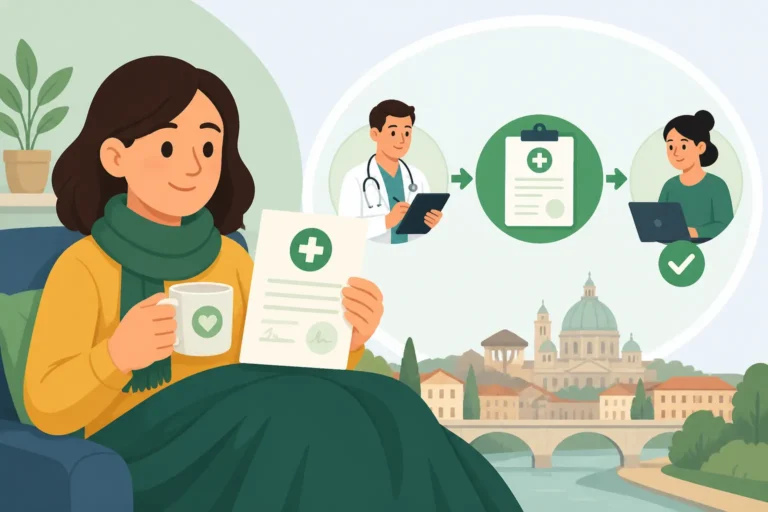
One of the most important items you will receive during your journey is the Libretto di Gravidanza (Pregnancy Booklet). This is a physical or digital document that acts as your "passport" for the next nine months. It contains a series of prescriptions (impegnative) for all the essential tests and screenings that are deemed "esenti" or exempt from payment. In Italy, the government ensures that essential pregnancy care is free of charge to protect the health of both mother and child.
To make use of these exemptions, your doctor or midwife will apply the code "M" followed by the week of your pregnancy (e.g., M08, M12) to your prescriptions. This code tells the laboratory or the hospital that you do not need to pay the "ticket" (the standard co-pay). This is a massive relief for expats who might be used to the high costs of maternity care in other countries. If you are ever asked to pay for a routine pregnancy blood test, double-check that the "M" code has been correctly applied to your impegnativa.
While the public system covers the essentials, many expats find that the frequency of scans in the public system—usually three per pregnancy—is lower than what they are used to. This is where having supplemental expat insurance such as Cigna Global can be incredibly beneficial. It allows you to book extra ultrasounds at private clinics for that extra bit of reassurance without waiting for the public system's timeline. Additionally, for those who are digital nomads or in-between long-term contracts, SafetyWing offers a flexible way to stay protected against non-pregnancy-related medical emergencies while you rely on the Consultorio for your prenatal path. Understanding Cost of Healthcare in Italy: What Expats Need to Know helps you balance these public and private options effectively.
Navigating Prenatal Classes and Language Barriers
As you move into your second and third trimester, the Consultorio will offer the Corso Pre-parto (Prenatal Class). I cannot recommend these enough, not just for the medical information, but for the social connection. These classes are the best way to meet other "future mamme" in your neighborhood. You will learn about the stages of labor, breastfeeding, and how to navigate the specific hospital where you plan to give birth.
Language can be a significant barrier at this stage. While many younger midwives speak basic English, the official classes and paperwork will almost certainly be in Italian. It is a good idea to look for Where to Find English-Speaking Doctors and Clinics if your Italian is still in the "ordering coffee" phase. Some Consultori in major cities like Milan or Rome may have dedicated "spazio stranieri" (foreigner spaces) with cultural mediators who can help translate. If you find yourself struggling, don't be afraid to bring a bilingual friend or hire a private doula to accompany you to the most critical appointments.
The Consultorio's support doesn't end when you leave for the hospital. They are also instrumental in Registering Your Newborn and Health Care for Babies and helping you through the initial weeks of postpartum care. They offer breastfeeding support and can help you with the process of Choosing a Pediatrician in Italy (Pediatra di Libera Scelta). If you experience any complications or feel overwhelmed, the Emergency Medical Numbers in Italy (112, 118, 1500) are always available, but for non-urgent postnatal blues or feeding issues, the Consultorio is your primary resource. They provide a soft landing in a medical system that can otherwise feel quite rigid and bureaucratic.
Cultural Realities of Maternity Care in Italy
It is important to manage your expectations regarding the cultural approach to birth in Italy. The Italian system tends to be quite medicalized in hospitals, but the Consultorio midwives often represent a more natural, woman-centered philosophy. You might find that the "Italian way" involves a lot of emphasis on diet—don't be surprised if your midwife gives you a strict list of foods to avoid, including raw prosciutto and unwashed salad, with more intensity than you might find elsewhere.
It is also worth noting that the bureaucratic side of pregnancy in Italy requires a lot of "carta" (paper). Keep a dedicated folder for all your blood results, ultrasound photos, and the Libretto di Gravidanza. You will need to bring this entire folder with you every time you visit the Consultorio and, eventually, when you go to the hospital to give birth. Being organized will save you countless headaches when dealing with hospital administrative staff who may not have access to your digital records from the Consultorio.
Finally, remember that you are your own best advocate. If you feel that something is not being explained clearly due to the language gap, ask for a "mediazione culturale." The Consultorio is legally obligated to ensure you understand your care. Whether you are relying solely on the SSN or using a hybrid approach with Cigna Global to access private specialists, the Consultorio remains the heart of the maternal experience for residents in Italy. It provides the continuity of care that is so essential when you are thousands of miles away from your original home and support network.
Disclaimer
The information provided in this guide is for educational and informational purposes only and does not constitute legal or medical advice. Healthcare regulations and bureaucratic procedures in Italy are subject to change and vary significantly by region. Always consult with the official Servizio Sanitario Nazionale (SSN) website, your local ASL office, or a qualified medical professional to verify the most current requirements and protocols for your specific situation.