How to Find a Physiotherapist in Italy (Public vs Private)
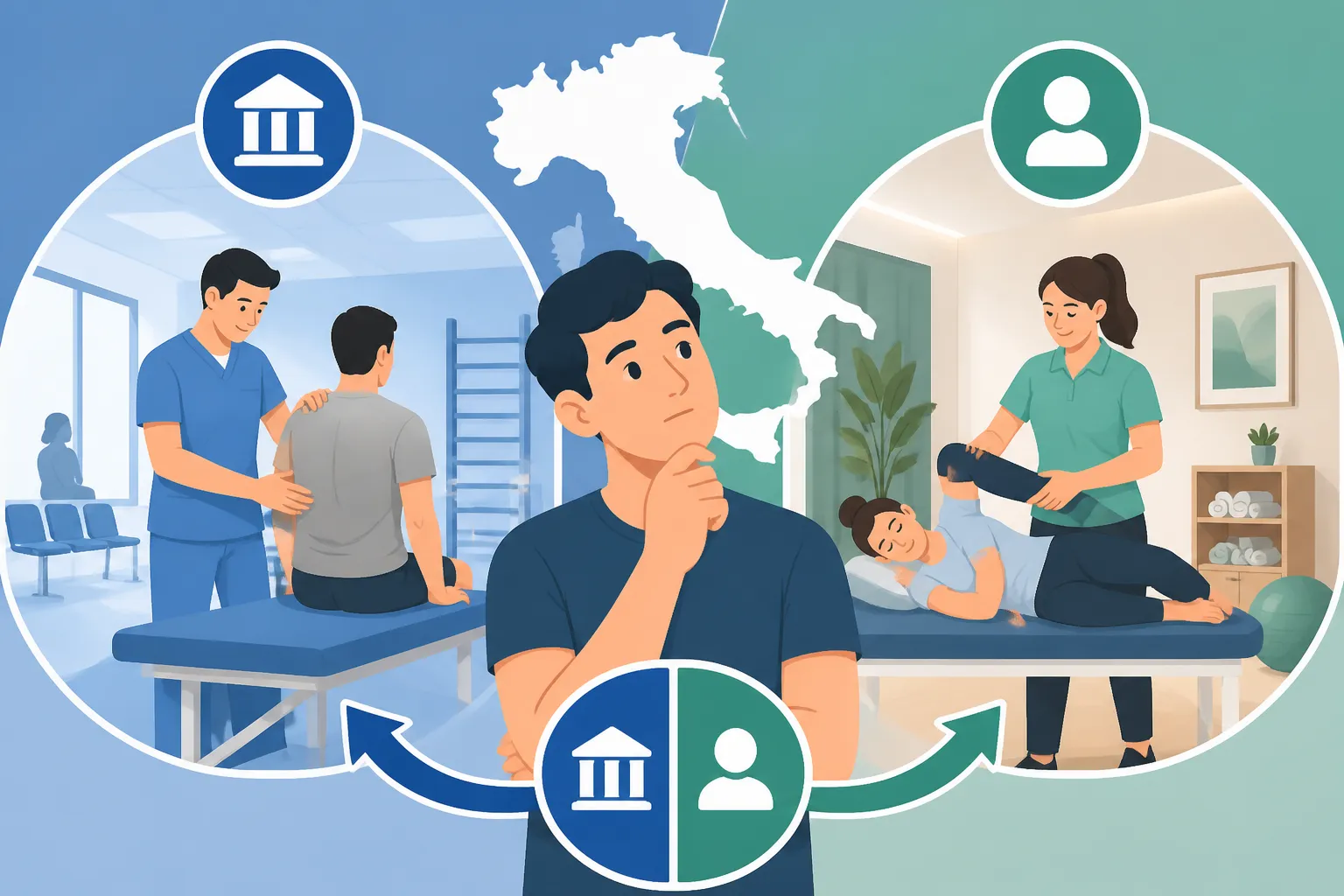
Navigating a locked-up back or a persistent running injury while wrestling with Italian bureaucracy is enough to make anyone want to pack their bags. I remember the first time I tried to book physical therapy in Rome; I spent three days just trying to figure out which office held the magic stamp for my referral. This guide breaks down exactly how to find a physiotherapist in Italy, whether you are utilizing the public system or opting for private care.
Disclosure: This post may contain affiliate links. We may earn a commission at no extra cost to you if you make a purchase through these links. Read full disclosure.
Navigating the Italian Public System for Physiotherapy
If you are a resident and have completed Registering with an Italian Family Doctor (Medico di Base), the public route is the most cost-effective way to access physical therapy. However, it requires patience and a specific sequence of steps that can feel like a labyrinth if you are unfamiliar with the local terminology. The cornerstone of this process is the impegnativa, which is a formal prescription or referral from your GP. Without this piece of paper, the public system essentially does not see you.
Once you have your referral, you will need to engage with the GP Referral Process for Specialized Care in Italy to understand how these documents are coded. Referrals in Italy often have priority codes: U (Urgente) for 72-hour care, B (Breve) for 10 days, D (Differibile) for 30 days, and P (Programmabile) for up to 90 days. For most non-acute physiotherapy, you will likely receive a D or P code. Be prepared for the reality that the Italian National Health Service (SSN) is often overstretched. In popular regions like Lombardy or Lazio, wait times for public physiotherapy can span several months. I once waited four months for a series of knee rehabilitations, only to find that the clinic was a thirty-minute drive from my house despite there being one just around the corner.
The financial aspect of the public route is managed through a co-payment system. You won't pay the full market rate, but you will pay a "ticket." Before booking, it is wise to research Understanding the Italian Health Ticket (Co-Payment) System to see how much your specific sessions might cost. Generally, a cycle of ten sessions will cost significantly less than a single private session, but you have less control over which therapist you see or the specific time of your appointment. For those who are moving here permanently, having The Italian Health Card (Tessera Sanitaria): Uses and How to Get One is non-negotiable for accessing these lower rates.
Choosing the Private Route for Immediate Care
When the public wait times are too long, or if you simply prefer a specific specialist who speaks your language, the private sector is the way to go. Italy has a thriving market of studi fisioterapici (private physiotherapy clinics) and independent practitioners. The primary advantage here is speed. In most cases, you can secure an appointment within 24 to 48 hours. This is particularly crucial if you are a digital nomad or a short-term visitor who cannot wait months for a public slot.
Private care also offers a higher likelihood of finding English-speaking staff. While many Italian doctors speak English, the support staff in public hospitals may not. If your Italian is still a work in progress, check out How to Find an English-Speaking Doctor in Italy as many of the same directories for physicians also list certified physiotherapists. In a private setting, the therapist often has more time to dedicate to your specific case, and the facilities are frequently more modern, featuring the latest in laser therapy, tecar therapy, or specialized rehabilitative gyms.
The Cost of Private Doctor Visits in Italy can vary wildly by city. In Milan or Florence, a private physiotherapy session might range from 50 to 100 Euro depending on the complexity and the equipment used. While this sounds expensive compared to the public ticket, the efficiency often justifies the cost for working professionals. If your injury is severe enough to keep you from work, you should also look into How to Get a Sick Note in Italy (Certificato di Malattia) to ensure your employment rights are protected while you recover through private treatment.
Insurance Coverage and Managing Your Budget
Whether you go public or private, understanding how your insurance interacts with the Italian healthcare landscape is vital. For expats, the Differences between Public and Private Healthcare in Italy often come down to how much you are willing to pay upfront versus how much you can claim back later. Many residents choose a hybrid approach: using the public system for major issues and private care for specialist needs like physiotherapy.
If you are an international worker or a long-term expat, you likely have a policy from a provider like Cigna Global. These types of comprehensive plans often cover private physiotherapy sessions, provided you have a referral from a doctor. Cigna Global is particularly well-regarded in Italy for having a straightforward reimbursement process, which is a relief when you are dealing with the stress of an injury. It is always best to call your provider before your first session to confirm if they require a specific "pre-authorization" form from the therapist.
For those on shorter stays or digital nomads, a plan from SafetyWing can be a lifesaver. SafetyWing is designed for the flexible traveler and can cover unexpected injuries that require physical therapy. If you trip on a loose cobblestone in Trastevere and need three sessions to get back on your feet, having that coverage prevents a minor accident from becoming a major financial burden. When looking at your options, consider Getting Health Insurance in Italy: Public and Private Options and specifically research International Health Insurance Options for Italy to see which plans offer the best "out-patient" benefits for rehabilitative services.
| Feature | Public System (SSN) | Private Clinics |
|---|---|---|
| Access Speed | Weeks to Months | 24-48 Hours |
| Cost | Low (Ticket co-payment) | High (50-100+ Euro per session) |
| Referral | Required (GP Impegnativa) | Not always required (but recommended) |
| Language | Primarily Italian | Higher chance of English/Multi-lingual |
| Choice of Therapist | Assigned by the system | You choose the practitioner |
| Equipment | Standard / Functional | Often includes high-tech options |
Practical Steps to Finding the Right Therapist
Once you have decided between public and private, the actual search begins. For the public system, you will likely use the CUP (Centro Unico di Prenotazione). This is the centralized booking system for each region. You can often book online through your region’s health portal or at a local pharmacy (farmacia). Be aware that the CUP system will offer you the first available slot in the entire province, which might be an hour away from your home. You have the right to refuse and ask for a different location, but this usually results in an even longer wait.
For private searches, the website MioDottore is the Italian equivalent of Zocdoc or Doctolib. It allows you to filter by specialty, location, and even the languages the therapist speaks. Reading reviews on MioDottore is incredibly helpful for finding a therapist who has a "hands-on" approach versus one who simply hooks you up to a machine and leaves the room. Another great resource is asking in local expat Facebook groups. Word of mouth is still the strongest currency in Italy, and you will often find recommendations for "that one English-speaking physio in the Prati neighborhood" who doesn't show up on the major search engines.
When you arrive at your first appointment, bring all your medical records. If your X-rays or MRI results are from your home country, you might want to look into Using Medical Translation and Interpretation Services to ensure the therapist understands your history. Even in a private setting, a physiotherapist in Italy is a highly regulated medical professional. They will expect to see a diagnosis or at least a recommendation from a doctor (medico) before they begin a high-intensity treatment plan.
Cultural Expectations During Treatment
The "vibe" of an Italian physiotherapy session might be different from what you are used to in the US, UK, or Northern Europe. In the public system, the environment is very clinical and functional. You might be in a large room with curtains separating you from other patients. Don't be surprised if the staff is incredibly blunt; it isn't rudeness, it’s just the Italian medical style of being direct about what needs to be done to fix the problem.
In private clinics, the experience is much more personalized. Many Italian physiotherapists also hold certifications in osteopathy or manual therapy. There is a strong cultural emphasis on "calore" (heat) and avoiding "colpi di aria" (blasts of air/drafts). You might find that your therapist is very adamant about you wearing a scarf or staying warm after a session. While this sounds like an old wives' tale, it is a deeply ingrained part of the Italian approach to musculoskeletal health.
Lastly, don't expect a quick fix. Italian physiotherapy often focuses on "cicli" (cycles) of ten sessions. Whether you are using a global policy like Cigna Global or paying out of pocket, the therapist will likely suggest you come twice a week for five weeks. This is the standard rhythm here. If you are only in town for a week, make that very clear at the start so they can give you a concentrated "home exercise" program instead of a long-term clinical cycle. Keeping your expectations realistic regarding the pace of recovery will help you navigate the system without unnecessary frustration.
Disclaimer
This guide is for informational purposes only and does not constitute professional medical or legal advice. Healthcare regulations and insurance policies in Italy are subject to frequent change. Always consult with a qualified medical professional and your insurance provider regarding your specific health needs and coverage options.