Italian Home Decor: Modern and Traditional Styles
Explore the rich world of Italian home decor, from the rustic charm of traditional Tuscan villas to the sleek sophistication of modern Milanese apartments. Discover essential design elements, materials, and expert tips for blending classic and contemporary styles seamlessly.
Disclosure: This post may contain affiliate links. We may earn a commission at no extra cost to you if you make a purchase through these links. Read full disclosure.
Introduction to Italian Home Decor
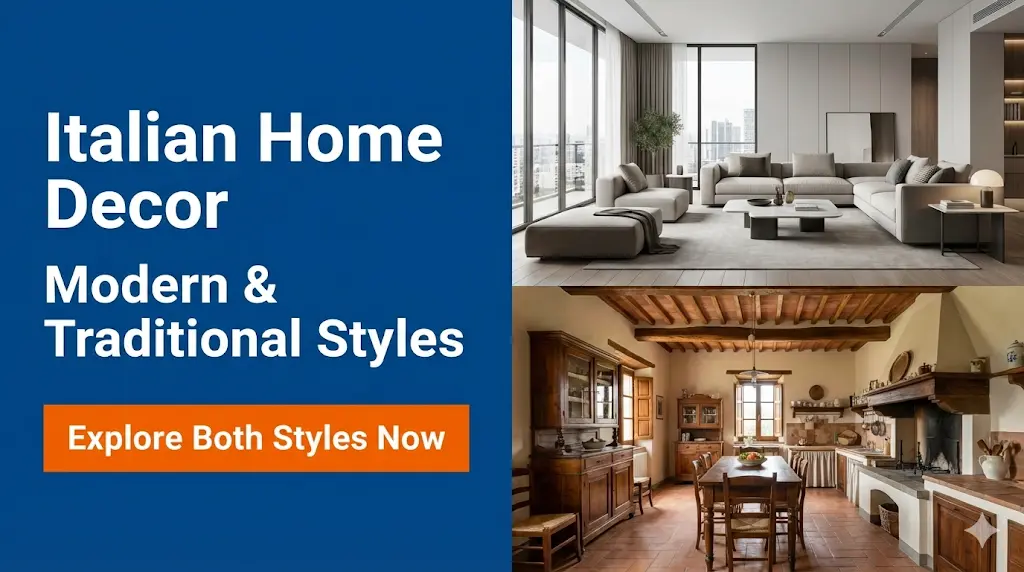
Understanding Italian home decor requires recognizing that it is not a single, monolithic aesthetic. Instead, it is a dynamic spectrum that bridges profound historical reverence with cutting-edge, avant-garde innovation. Italy is a country where ancient Roman ruins sit casually alongside hyper-modern skyscrapers, and this architectural duality is perfectly mirrored inside the home. Interior design in Italy is generally categorized into two dominant schools: the warm, rustic embrace of traditional decor and the clean, luxurious minimalism of modern design.
For expatriates and international design enthusiasts, capturing this essence can transform a standard living space into a breathtaking sanctuary. However, achieving an authentic Italian look goes far beyond simply buying a leather sofa or painting a wall terracotta. It involves a deep appreciation for high-quality raw materials, an understanding of spatial flow, and a commitment to exceptional craftsmanship. If you are currently exploring different areas to settle in, you will notice that architectural styles vary wildly from the north to the south; reading up on Living in Italy: Finding Your Ideal City or Region can help you understand the architectural canvas you will be working with.
This comprehensive guide delves deep into the heart of Italian interior design. We will dissect the defining characteristics of both traditional and modern Italian styles, explore the foundational materials that bring these spaces to life, and provide a detailed room-by-room breakdown. Furthermore, we will examine the uniquely Italian art of “transitional” design—the mastery of blending the old with the new. By the end of this article, you will be fully equipped to infuse your home with the timeless elegance of Italian decor.
The Essence of Traditional Italian Home Decor
When most people envision a classic Italian home, their minds immediately drift to the sun-baked landscapes of Tuscany, Umbria, or the Amalfi Coast. Traditional Italian decor is deeply rooted in the concept of rustic elegance. It draws heavily from the natural environment, utilizing local materials and centuries-old craftsmanship to create spaces that feel grounded, warm, and inviting.
Architectural Foundations
Traditional Italian interiors celebrate the raw, structural elements of the building. Rather than hiding the bones of the architecture, traditional design highlights them. Exposed wooden ceiling beams, often rough-hewn and stained in dark, rich tones, are a hallmark of this style. Archways are frequently used to separate rooms instead of standard doors, promoting a sense of flow and openness while retaining distinct living areas.
Flooring is almost always hard surface, designed to keep the home cool during the sweltering Mediterranean summers. Terracotta tiles, laid in intricate herringbone or square patterns, are quintessential to the traditional look. In more opulent historic homes, you will find intricate terrazzo flooring or polished marble, which reflect natural light and add a layer of formal grandeur.
Color Palettes Inspired by Nature
The traditional Italian color palette is a direct reflection of the surrounding landscape. Walls are rarely painted stark white; instead, they feature warm, earthy tones. Ochre, burnt sienna, deep terracotta, and mustard yellow are incredibly common. These rich hues are often applied using techniques like Venetian plaster or color washing, which adds a subtle, mottled texture to the walls, mimicking the effect of aged frescoes. Accent colors are drawn from nature: olive greens, deep Mediterranean blues, and rich burgundy reds are used in upholstery, ceramics, and tapestries.
Furniture and Textiles
Furniture in a traditional Italian home is substantial, heavily carved, and designed to last for generations. Dark woods like walnut, chestnut, and mahogany are preferred. Large, commanding dining tables serve as the focal point of the home, emphasizing the cultural importance of family meals and hospitality. Wrought iron is another crucial element, frequently used for bed frames, chandeliers, staircase railings, and wine racks.
Textiles are rich and tactile. Heavy linen draperies, embroidered tapestries, and damask upholstery add layers of visual interest and comfort. The overall effect is a space that feels lived-in, robust, and deeply connected to history. If you are preparing to secure a property featuring these historic bones, consulting The Ultimate Guide to Renting and Buying a Home in Italy is an essential step to ensure the structural integrity matches the aesthetic appeal.
Exploring Modern Italian Interior Design
If traditional Italian design is defined by rustic warmth, modern Italian design is characterized by sleek sophistication and uncompromising luxury. Emerging prominently after the Second World War, Italy became a global center for contemporary industrial design, centered largely around Milan. Today, modern Italian interiors are synonymous with minimalism, high-tech materials, and bold, sculptural furniture.
The Philosophy of Minimalism
Modern Italian decor embraces the philosophy that less is undeniably more. However, unlike Scandinavian minimalism, which often leans toward austere simplicity and muted tones, Italian minimalism is inherently luxurious. It focuses on clean, straight lines and uncluttered spaces, but executes them using incredibly high-end, opulent materials. The goal is to create a space that feels airy and expansive, where every single object in the room serves a purpose and stands as a piece of art in its own right.
The Modern Color Palette
The color palette in contemporary Italian homes is typically anchored by stark, neutral foundations. Crisp, brilliant whites, cool slate grays, and deep charcoal blacks dominate the walls and large furniture pieces. This neutral canvas is then punctuated by bold, dramatic pops of color. A single, vividly colored armchair in emerald green or a striking piece of oversized contemporary abstract art is used to inject energy and personality into the room without overwhelming the senses.
Innovative Materials and Furniture
Modern Italian furniture is renowned worldwide for its sleek profiles and innovative use of materials. Brands like Cassina, B&B Italia, and Minotti set global trends with their low-profile modular sofas, glass-topped dining tables, and chrome-accented seating.
Leather is heavily utilized, but it is treated to be butter-soft and tailored with the precision of a high-end suit. High-gloss lacquered cabinets, polished steel, and tempered glass are frequently combined to create a sense of weightlessness. Modern Italian kitchens, in particular, are marvels of engineering, featuring handle-less cabinetry, integrated appliances hidden behind seamless panels, and vast islands topped with single slabs of rare, dramatically veined marble or engineered quartz.
Blending Eras: The Transitional Italian Look
Perhaps the most authentic representation of how Italians live today is the “transitional” style. In cities like Rome, Florence, and Milan, residents frequently inhabit apartments located in buildings that are hundreds of years old. Tearing out the historic architectural details is often illegal and culturally frowned upon. Therefore, modern Italians have mastered the art of juxtaposition—blending cutting-edge contemporary furniture with ancient architectural backdrops.
This aesthetic tension is visually thrilling. Imagine a living room featuring a stunning, 16th-century vaulted ceiling adorned with faded Renaissance frescoes. Below this historical masterpiece sits a hyper-modern, low-slung, minimalist white leather sofa by a contemporary Milanese designer, resting on a stark geometric rug. A sleek, brushed-brass modern floor lamp illuminates an antique, heavily carved wooden credenza.
This approach prevents historic homes from feeling like museums and prevents modern furniture from feeling cold and sterile. It requires a curated, confident eye. The key to mastering this transitional look is restraint; you must allow the modern pieces and the historic architecture to share the spotlight equally without overcrowding the room.
Key Elements of Italian Decor by Room
To truly grasp how to implement Italian decor, it is helpful to look at how specific rooms are treated within the home. Each space carries its own set of design priorities.
The Kitchen: The Heart of the Home
In Italy, the kitchen is a sacred space. In traditional homes, the kitchen is warm and bustling, featuring open shelving displaying copper pots, hand-painted ceramic plates from regions like Deruta or Amalfi, and a large central wooden prep table. Stone sinks and majolica tile backsplashes are prominent.
In modern homes, the kitchen is often a masterpiece of sleek functionality. The trend leans heavily toward open-concept spaces where the kitchen blends seamlessly into the living room. Cabinetry is sleek and handle-free, often in matte black, crisp white, or natural wood veneer. High-tech appliances are seamlessly integrated. For those looking to fully modernize their living spaces with the latest culinary and environmental technology, exploring the integration of Smart Home and IoT in Italy: Connectivity is highly recommended.
The Living Room: Il Salotto
The salotto is designed for conversation and hosting. In traditional settings, seating is arranged around a central fireplace, utilizing plush, oversized armchairs and heavy drapery. In modern Italian design, the living room is anchored by a large, modular sectional sofa that sits low to the ground. Coffee tables are often nesting configurations of glass, marble, and metal. The television is rarely the focal point; instead, seating is arranged to encourage face-to-face interaction or to frame a large window with a beautiful view.
The Bedroom: Camera da Letto
Italian bedrooms prioritize serenity and comfort. Traditional bedrooms often feature imposing, wrought-iron bed frames or ornate wooden headboards, accompanied by heavy antique armoires, as built-in closets are rare in historic Italian homes. Modern Italian bedrooms embrace absolute minimalism. Platform beds with integrated, floating nightstands are standard. Bedding is incredibly important in both styles; high-thread-count Italian cotton or pure linen sheets in crisp white or soothing neutrals are essential for achieving an authentic feel.
The Bathroom: Il Bagno
The Italian bathroom is treated as a luxurious retreat rather than a purely utilitarian space. Even in standard apartments, you will frequently find high-quality tile work and fixtures. Traditional bathrooms lean into classic elegance, featuring freestanding clawfoot tubs, pedestal sinks, and intricate mosaic floor tiles. Modern Italian bathrooms are spa-like sanctuaries. They favor massive, walk-in wet rooms with rainfall showerheads, floating vanities, and large-format porcelain slabs that mimic natural stone but offer superior durability. The inclusion of a bidet is an absolute necessity in any authentic Italian bathroom, regardless of the design era.
Essential Materials in Italian Design
The unmistakable quality of Italian home decor is heavily reliant on the raw materials used. Italians view materials as an investment, prioritizing longevity, tactility, and natural beauty.
Marble and Stone
Italy is home to some of the world’s finest stone quarries. Carrara marble, with its soft white background and delicate grey veining, is a staple in both traditional and modern homes. Calacatta marble, which features thicker, more dramatic gold and grey veins, is used for high-impact statement pieces like kitchen islands or bathroom walls. Travertine, a porous limestone utilized since the days of the Roman Empire, is frequently used for flooring and exterior patios, offering a warm, matte texture.
Wood
Wood brings warmth and organic texture to Italian interiors. Traditional design utilizes solid, dark-stained woods like walnut and cherry. Modern design frequently incorporates lighter woods like oak, or utilizes rich, exotic wood veneers with highly polished finishes to create sleek, continuous surfaces on modern cabinetry.
Leather
Italian leather craftsmanship is legendary. In interior design, leather is used extensively for seating. Traditional styles favor tufted, distressed leather that develops a rich patina over time. Modern design utilizes smooth, aniline leathers stretched tightly over angular metal frames, providing a sleek, flawless finish.
Murano Glass
For centuries, the island of Murano in Venice has been the epicenter of glassmaking. Murano glass is a vital decorative element in Italian homes. In traditional decor, this manifests as elaborate, multi-tiered crystal chandeliers. In contemporary decor, Murano glass is used for bold, abstract vases, sleek pendant lights, and colorful, sculptural centerpieces.
The Italian Approach to Lighting
Lighting in Italian design is never an afterthought; it is a fundamental architectural element. The Italian approach to illumination focuses on layering light to create ambiance rather than simply flooding a room with harsh overhead bulbs.
During the day, natural light is maximized. Heavy curtains are often pulled back, and sheer linen panels are used to diffuse the harsh Mediterranean sun. In the evening, the focus shifts to dramatic, localized lighting. Italians are masters of statement lighting. A spectacular chandelier—whether a classic Venetian glass piece or a mid-century modern sputnik design—is often used to anchor the dining room or the main living area.
Ambient lighting is provided by strategically placed wall sconces, which highlight architectural features or artwork. Floor lamps and table lamps, often featuring sculptural metal bases and large fabric shades, create intimate pools of light for reading and conversation. The overarching goal is to create a warm, inviting glow that flatters the space and the people within it.
Table: Comparing Traditional and Modern Italian Decor
To help you synthesize these design philosophies, the following table provides a quick-reference comparison of the key elements defining traditional and modern Italian home decor.
| Design Element | Traditional Italian Style | Modern Italian Style |
| Color Palette | Earthy tones: terracotta, ochre, olive green, warm beige. | High contrast neutrals: stark white, charcoal, slate gray, with bold accents. |
| Flooring | Terracotta tiles, patterned majolica, classic wood parquet, rustic stone. | Polished concrete, large-format porcelain slabs, seamless resin, bleached wood. |
| Furniture Shapes | Ornate, heavily carved, substantial, curved silhouettes. | Sleek, low-profile, geometric, modular, focused on clean horizontal lines. |
| Core Materials | Wrought iron, dark walnut, distressed leather, heavy linen, tapestry. | Polished chrome, tempered glass, flawless smooth leather, high-gloss lacquer. |
| Wall Treatments | Venetian plaster, textured finishes, exposed brick or stone, frescoes. | Smooth, flawless matte paint, dramatic minimalist wallpapers, wood paneling. |
| Lighting | Ornate chandeliers, wrought iron sconces, classic candelabras. | Minimalist track lighting, sculptural modern pendants, hidden LED strip lighting. |
Tips for Bringing Italian Style to Your Home
Whether you are decorating a newly rented apartment in Rome or trying to infuse a suburban house abroad with Mediterranean charm, achieving the Italian look requires a strategic approach.
- Invest in Statement Pieces: Italians prioritize quality over quantity. Rather than filling a room with multiple cheap items, invest your budget in one or two spectacular statement pieces—a high-quality leather sofa, a breathtaking marble coffee table, or an oversized piece of art. Allow these pieces to breathe and command the space. If you are navigating the complexities of acquiring these pieces locally as an expat, reading up on Renting vs Buying Furniture for Your Italian Home can save you significant logistical headaches.
- Embrace the Imperfect: If you lean toward the traditional or transitional style, do not try to make everything look brand new. Authentic Italian design embraces the patina of age. A slightly worn vintage rug, an antique wooden chair with visible grain, or a chipped ceramic vase adds character and depth that mass-produced items cannot replicate.
- Prioritize the Dining Experience: The culture of food is central to Italian life. Ensure your dining area is comfortable and inviting. Invest in a solid, beautiful dining table and comfortable chairs that encourage long, lingering meals with family and friends.
- Curate, Don’t Clutter: Modern Italian design relies heavily on negative space. Edit your belongings ruthlessly. Display only items that are beautiful, meaningful, or highly functional. Keep surfaces relatively clear to highlight the quality of the materials used in your furniture.
- Bring the Outside In: Italian homes blur the lines between indoor and outdoor living. If you have a balcony or terrace, treat it as an extension of your living room, outfitting it with quality seating and terracotta pots filled with herbs and citrus trees. Inside, use tall, architectural plants to add life and scale to your rooms.
Conclusion
Italian home decor, whether deeply traditional or cutting-edge modern, is fundamentally about the art of living well. It is an aesthetic philosophy that refuses to compromise on quality, comfort, or beauty. Traditional Italian design offers a warm, tactile connection to the past, wrapping inhabitants in earthy colors and robust, historical craftsmanship. Conversely, modern Italian design looks boldly to the future, offering sleek, innovative, and luxurious sanctuaries that celebrate minimalism and technological advancement.
For the discerning homeowner or expatriate, the true magic lies in blending these two worlds. By combining the historic, textured bones of classic architecture with the sleek, clean lines of contemporary furniture, you create spaces that are dynamic, sophisticated, and deeply personal. Whether you are sourcing a flawless Carrara marble countertop or unearthing a weathered antique credenza in a local market, remember that authentic Italian decor is always curated with intention, passion, and an unwavering respect for the beauty of everyday life.
References
Primary sources (official)
- Camera di Commercio (Italian Chamber of Commerce) – Data on the Italian furniture export market, industrial design sectors, and domestic retail trends: https://www.camcom.gov.it/
- ADI (Associazione per il Disegno Industriale) – Official documentation on the history, standards, and global impact of Italian industrial and interior design: https://www.adi-design.org/
Other helpful sources
- Architectural Digest – Exploring the elements of modern Italian interior design and luxury brand influences: https://www.architecturaldigest.com/
- Italy Magazine – A deep dive into traditional Tuscan decor, rustic materials, and classic architectural restoration: https://www.italymagazine.com/
Disclaimer
The information provided in this article is intended for educational and inspirational purposes only. Interior design trends, material availability, and historical architectural guidelines can vary significantly based on specific regional laws and local building regulations in Italy. Always consult with a licensed Italian architect, interior designer, or structural engineer before making any significant renovations, structural changes, or major financial investments in property decor.