Northern Italy: Alps, Lakes, and Cities
Ah, northern Italy! Just the thought of those alpine peaks kissing the sky or the gentle lapping of lake waters brings back so many memories. It can feel utterly overwhelming trying to plan a trip there, what with the sheer diversity from the dramatic Dolomites to the sophisticated bustle of Milan. Believe me, I've spent countless hours poring over maps and train schedules, trying to figure out how to fit it all in without losing my mind (or my luggage!). This guide is here to walk you through the very best of northern Italy, covering everything from the majestic Alps to the tranquil lakes and dynamic cities, helping you craft an unforgettable adventure.
Disclosure: This post may contain affiliate links. We may earn a commission at no extra cost to you if you make a purchase through these links. Read full disclosure.
Why Northern Italy Calls to Expats and Travelers
Northern Italy isn't just a geographical region; it's a tapestry woven with distinct cultures, breathtaking landscapes, and a history rich enough to fill a dozen textbooks. For expats, it offers a blend of European efficiency and Italian charm, often with a robust economy and well-organized services. For travelers, it's a dreamscape where every turn presents a new wonder, from ancient Roman ruins to Renaissance masterpieces, all set against a backdrop of unparalleled natural beauty.
A Land of Diverse Landscapes and Cultures
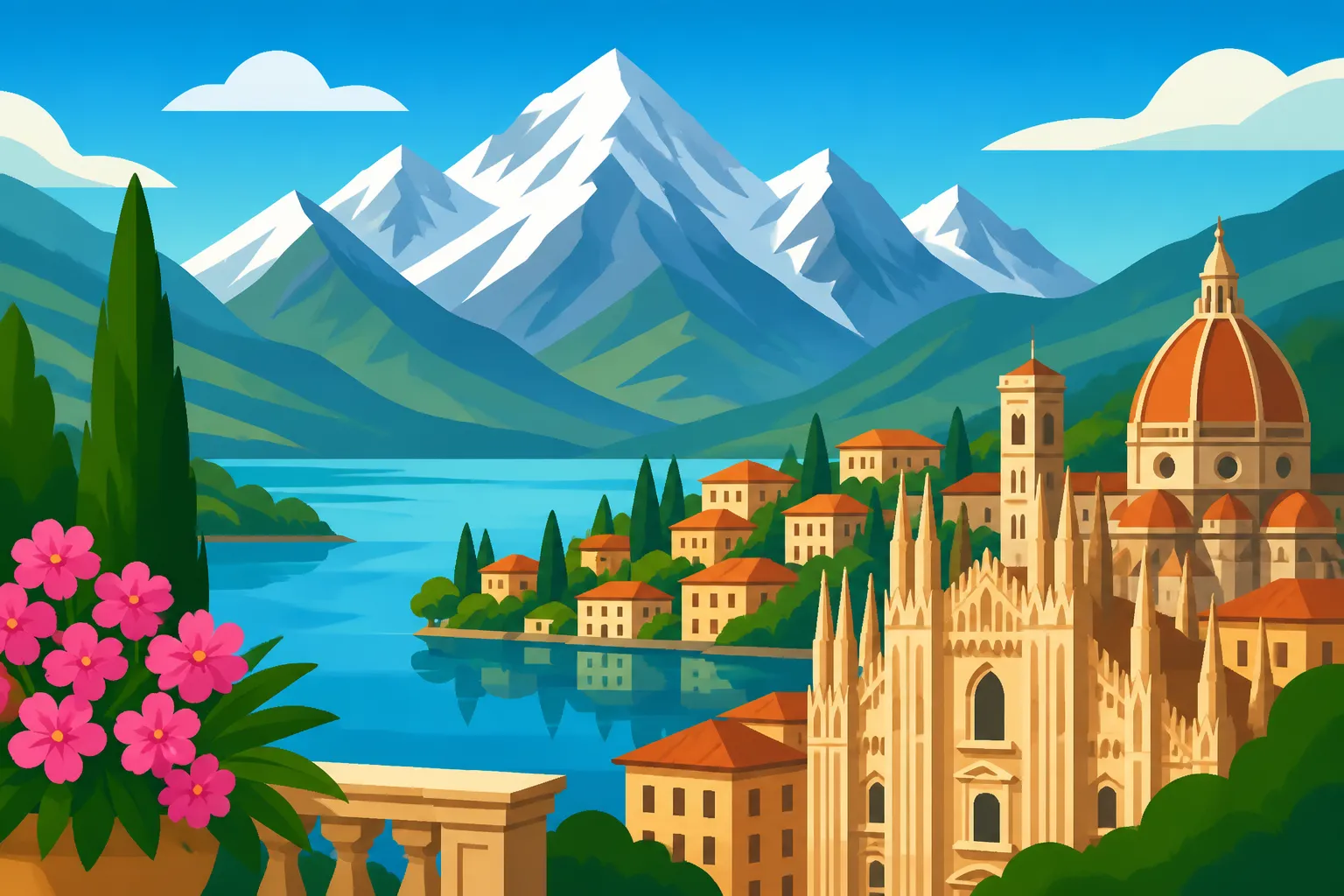
When people think of Italy, often images of rolling Tuscan hills or Roman ruins come to mind. But the North? It's an entirely different beast, and in the best possible way. Here, you'll find the towering, rugged peaks of the Dolomites, part of the greater Alps, giving way to shimmering glacial lakes nestled in verdant valleys. Then, as you move further south and east, the landscape softens into the agricultural heartland of Emilia-Romagna, famed for its culinary contributions, before meeting the Adriatic coast. This incredible geographical diversity is mirrored in its cultures. In regions like Trentino-Alto Adige, you'll hear German as often as Italian, a legacy of its Austro-Hungarian past, while in the Aosta Valley, French influences are strong. Even within Italy, the North boasts a more reserved, often industrious demeanor compared to the more gregarious South, yet it retains that quintessential Italian warmth and hospitality once you break the ice.
Living here, I quickly learned that each region, sometimes each valley, has its own distinct personality, its own dialect, and its own proud traditions. It's not a monolith; it's a collection of unique worlds waiting to be discovered. This means your journey through Northern Italy will never be monotonous, promising a constant stream of new experiences and perspectives, even if you’re just crossing a regional border.
Economic Hub and Expat Appeal
Beyond the postcards, northern Italy is a powerhouse of European industry and innovation. Cities like Milan are fashion capitals and financial centers, while Turin boasts a strong automotive legacy and a burgeoning tech scene. Bologna, often called Italy's "foodie capital," is also home to one of the oldest universities in the world, drawing a vibrant international student population. This economic vitality translates into more opportunities for expats, whether they're seeking employment, starting a business, or simply enjoying a higher standard of living.
The infrastructure in the North is generally more developed than in other parts of Italy, with excellent public transport networks, modern healthcare facilities, and a generally efficient public administration (though "efficient" is still a relative term in Italy, as I’ve learned the hard way with things like getting my first Italian Health Card (Tessera Sanitaria)). For those considering a move, the job market can be more dynamic, especially in sectors like technology, design, and manufacturing. Many international companies have their Italian headquarters here, making it easier to find English-speaking professional environments. The expat communities are well-established and active, providing a strong support network for newcomers, helping them navigate everything from finding a decent apartment to understanding the nuances of Italian social customs.
The Majestic Italian Alps: Beyond the Ski Slopes
When most people hear "Italian Alps," their minds immediately conjure images of powdery white slopes and thrilling ski runs. And while it's true that the Dolomites and other ranges offer some of the best skiing in the world, to focus solely on winter sports would be to miss the profound beauty and myriad experiences available in the Italian Alps throughout the year.
Dolomites: Hiking Heaven and Ladin Culture
The Dolomites, a UNESCO World Heritage site, are perhaps the most iconic part of the Italian Alps. Their jagged, pale rock formations, often called "pale mountains," glow with a spectacular rosy hue at sunset, a phenomenon known as Enrosadira. In summer, this region transforms into a hiker's paradise. Trails range from gentle strolls through alpine meadows to challenging via ferratas (protected climbing paths) that offer breathtaking panoramas. Imagine waking up in a cozy rifugio (mountain hut), sipping a cappuccino while mist drifts over peaks like the Tre Cime di Lavaredo, before embarking on a day of trekking. I recall one particular hike near Cortina d'Ampezzo where every switchback offered a more stunning vista than the last; it’s truly humbling.
But the Dolomites are more than just trails and views. They are home to the Ladin people, an ancient ethnic group with their own unique language and traditions. Villages like Ortisei, Corvara, and San Cassiano maintain a strong Ladin identity, visible in their architecture, cuisine, and local festivals. You can explore their rich folklore in museums, sample traditional Ladin dishes like cajincì arstî (ravioli with spinach and ricotta), and witness intricate wood carvings, a renowned Ladin craft. It’s a wonderful cultural immersion you won’t find elsewhere in Italy. For those who love the outdoors, but also appreciate a deep sense of local culture, the Dolomites offer an experience that is hard to beat.
Aosta Valley: Mont Blanc and Franco-Italian Charm
Nestled in the northwest corner of Italy, bordering France and Switzerland, lies the Valle d'Aosta (Aosta Valley). This tiny, autonomous region is dominated by some of Europe's highest peaks, including Mont Blanc, the Matterhorn, and Monte Rosa. It's a land of dramatic contrasts: towering glaciers give way to fertile valleys dotted with ancient Roman ruins and medieval castles. The region's capital, Aosta, often referred to as the "Rome of the Alps," boasts remarkably preserved Roman gates, an amphitheater, and a forum.
The strong French influence here is evident in the bilingual signs, local dialect (Franco-Provençal), and cuisine. Think hearty mountain fare like fonduta (cheese fondue), polenta concia (polenta with cheese and butter), and cured meats. Beyond the majestic mountains, which offer world-class skiing in Courmayeur and Cervinia, the valley is a treasure trove for history buffs. Visiting the medieval castles of Issogne or Verrès feels like stepping back in time, offering a glimpse into the strategic importance of this alpine pass through centuries. The blend of Italian, French, and unique Aostan identity creates a welcoming atmosphere for anyone looking for a different kind of Italian adventure.
Northern Italy's Serene Lakes: A Gem-like Collection
The Italian Lakes region is synonymous with elegance, natural beauty, and a certain old-world charm that has captivated travelers for centuries. From the dramatic shores of Lake Como to the expansive waters of Lake Garda, these glacial lakes offer a tranquil escape from city life and a playground for outdoor enthusiasts.
Lake Como: Glamour, Villas, and Mountain Views
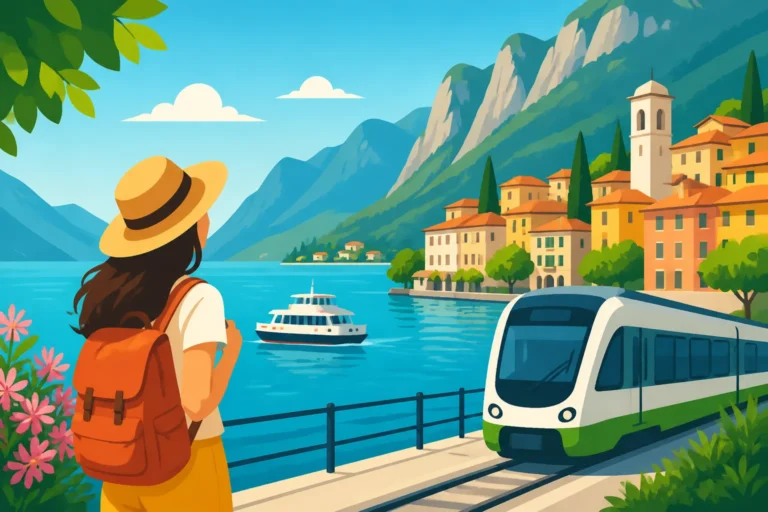
Lake Como, with its distinctive Y-shape, is arguably the most famous of the Italian Lakes, largely thanks to its dramatic scenery and the glamorous villas that dot its shores. Imagine deep blue waters reflecting the towering pre-Alps, with picturesque towns like Bellagio, Varenna, and Menaggio clinging to the hillsides. This is the kind of place where you can easily spend days simply ferry-hopping between charming villages, exploring narrow cobblestone streets, and indulging in lakeside dining.
The allure of Lake Como isn't just for the rich and famous, though you might spot a celebrity or two. There are countless activities for every budget and interest. You can visit stunning botanical gardens at Villa Carlotta or Villa Balbianello (a famous film location!), rent a speedboat for a thrilling tour of the lake, or take a scenic hike up to Castello di Vezio for panoramic views. The beauty of Como lies in its blend of natural splendor and sophisticated leisure, offering a truly unique experience. It’s the perfect place for a romantic getaway or a serene retreat, providing a memorable escape from the everyday hustle and bustle.
Lake Garda: Adventure, Vineyards, and Family Fun
As Italy's largest lake, Lake Garda offers a completely different vibe than its more exclusive counterpart, Como. It stretches from the rugged foothills of the Dolomites in the north to the gentle, olive- and vine-covered plains in the south. This geographical diversity translates into a wide array of activities and atmospheres. The northern reaches, around Riva del Garda and Torbole, are a mecca for windsurfing, sailing, and mountain biking, thanks to consistent winds and dramatic alpine backdrops.
Moving south, the landscape becomes softer, with charming towns like Sirmione, famous for its thermal baths and ancient Roman ruins, and Desenzano del Garda offering lively promenades and nightlife. Families flock to the eastern shore, home to popular amusement parks like Gardaland. The region is also renowned for its olive oil production and Lugana wine, offering delightful tasting experiences. Lake Garda truly has something for everyone, whether you're seeking adrenaline-pumping water sports, cultural exploration, or simply a relaxing day by the water with your family. It's a place where you can easily spend a week or more without running out of new things to see and do.
Lake Maggiore and Lake Orta: Tranquility and Island Charms
While Como and Garda often steal the spotlight, Lakes Maggiore and Orta offer equally captivating, yet perhaps more tranquil, experiences. Lake Maggiore, shared with Switzerland, is known for its elegant Borromean Islands: Isola Bella, Isola Madre, and Isola dei Pescatori. Isola Bella boasts a stunning Baroque palace and terraced gardens, while Isola Madre is a botanical wonderland. Isola dei Pescatori, on the other hand, is a charming fishing village with narrow alleys and delightful seafood restaurants. The town of Stresa, on Maggiore’s western shore, serves as an excellent base for exploring the islands and enjoying grand lakeside hotels.
Just a stone's throw away, yet feeling worlds apart, is Lake Orta. Often described as one of Italy's most romantic lakes, Orta is smaller, more intimate, and incredibly picturesque. Its centerpiece is Isola San Giulio, a tiny island dominated by a basilica and a Benedictine monastery. The main town, Orta San Giulio, is a perfectly preserved medieval village with cobbled streets, elegant palazzi, and breathtaking views of the island. It’s a place for quiet contemplation, gentle boat rides, and savoring delicious local cuisine in a serene setting. If you’re looking to escape the crowds and find a truly peaceful corner of northern Italy, these two lakes are absolute gems.
Here's a quick comparison of the major Northern Italian Lakes:
| Lake Name | Key Characteristics | Best For | Notable Towns/Features |
|---|---|---|---|
| Lake Como | Dramatic alpine scenery, upscale villas, deep blue waters | Luxury, romance, celebrity spotting, scenic drives | Bellagio, Varenna, Como, Villa Balbianello, Villa Carlotta |
| Lake Garda | Largest Italian lake, diverse landscapes, from mountains to plains | Families, active sports (windsurfing, cycling), wine tasting, amusement parks | Sirmione, Riva del Garda, Malcesine, Limone sul Garda, Gardaland |
| Lake Maggiore | Elegant, shared with Switzerland, famous for island palaces | Culture, history, botanical gardens, grand hotels | Stresa, Verbania, Borromean Islands (Isola Bella, Isola Madre) |
| Lake Orta | Small, tranquil, incredibly picturesque, spiritual atmosphere | Relaxation, romance, quiet charm, photography | Orta San Giulio, Isola San Giulio |
Vibrant Cities of the North: Culture, Commerce, and Cuisine
Northern Italy's cities are vibrant hubs of history, art, fashion, and gastronomy. Each metropolis boasts its own unique character, offering visitors a deep dive into Italy's urban pulse, from ancient Roman grandeur to modern design.
Milan: Fashion, Finance, and Modern Art
Milan, the capital of Lombardy, is often perceived as Italy's economic engine and fashion capital, and indeed it is. But to label it merely as a city of commerce would be a disservice. Milan is a city of hidden courtyards, grand historical buildings, and a thriving contemporary art scene that blends seamlessly with its ancient roots. The iconic Duomo, a Gothic masterpiece, dominates the city center, its spires reaching towards the sky, offering incredible views from its rooftop terraces. Just next door, the Galleria Vittorio Emanuele II, Italy's oldest active shopping gallery, stands as a testament to architectural grandeur and high-end retail.
Beyond the obvious, Milan is home to Leonardo da Vinci’s "The Last Supper" at Santa Maria delle Grazie, an absolute must-see that requires advance booking months ahead. The Brera district, with its cobbled streets and the Brera Art Gallery, offers a Bohemian charm and a fantastic collection of Italian Renaissance art. For design enthusiasts, the city is a living museum, particularly during Milan Design Week. I remember getting lost in the Navigli district, with its picturesque canals, vibrant nightlife, and antique markets – it’s a perfect spot for an aperitivo and some people-watching. If you’re looking to truly immerse yourself in Italian urban sophistication, Milan provides an unparalleled experience, blending its rich history with a forward-thinking, international outlook.
Venice: Canals, History, and Unique Charm
Ah, Venice. The floating city. It’s a place that needs no introduction, and one that absolutely lives up to its legendary status, despite the crowds. Built on more than 100 small islands in a lagoon in the Adriatic Sea, Venice is renowned for its canals, gondolas, and Gothic architecture. St. Mark's Square, with its magnificent Basilica di San Marco and the Doge's Palace, forms the heart of the city, echoing with centuries of history. Getting around Venice is an experience in itself – no cars, just vaporettos (water buses), gondolas, and your own two feet navigating countless bridges and narrow calli.
While the major tourist sites are undoubtedly spectacular, the real magic of Venice often lies in getting lost. Wander away from the main thoroughfares, cross a quiet bridge, and you might stumble upon a charming piazza, a local bakery, or a hidden artisan workshop. Visiting Murano for its renowned glassmaking or Burano for its brightly colored houses and lacework are also delightful excursions. It's easy to feel overwhelmed by the sheer number of people, especially during peak season, but if you embrace the labyrinthine streets and allow yourself to simply absorb the unique atmosphere, Venice will undoubtedly capture your heart. Just be sure to wear comfortable shoes – you'll be doing a lot of walking!
Bologna: Culinary Delights and Medieval Porticoes
Bologna, the capital of Emilia-Romagna, often flies under the radar compared to its more famous northern siblings, but it's a city that truly rewards those who venture there. Known as La Grassa (the Fat One) for its incredible cuisine, La Dotta (the Learned One) for its ancient university, and La Rossa (the Red One) for its terracotta rooftops and left-leaning politics, Bologna is a city of many facets. Its historic center is a maze of medieval porticoes, stretching for almost 40 kilometers, offering shaded walkways and a unique architectural character.
Food is, without a doubt, a primary reason to visit Bologna. This is the birthplace of ragù (the true Bolognese sauce), tortellini, mortadella, and tagliatelle. A visit to the Quadrilatero, the ancient market district, is a feast for the senses, with stalls overflowing with local produce, cheeses, and cured meats. You can spend days taking cooking classes, going on food tours, and simply eating your way through the city. Beyond the food, explore Piazza Maggiore, climb the Asinelli Tower for panoramic views, or visit the Anatomical Theatre at the Archiginnasio. Bologna offers a more authentic, less tourist-driven Italian urban experience, deeply rooted in its traditions and gastronomic excellence. For anyone wanting to dive deep into Italian Food Culture: Eating Well as a Visitor, Bologna is an indispensable stop.
Turin: Baroque Splendor and Automotive History
Nestled at the foot of the Alps, Turin (Torino) is a city of regal charm, wide boulevards, and a rich history as Italy's first capital. Often associated with Fiat and chocolate, Turin is a surprisingly elegant city, blending Baroque architecture with a unique industrial heritage. Its grand squares, such as Piazza Castello and Piazza San Carlo, are reminiscent of Parisian boulevards, while its numerous arcades offer shelter from both sun and rain.
Turin is home to the Royal Palace of Turin, a UNESCO World Heritage site, and the Mole Antonelliana, an iconic landmark that houses the National Museum of Cinema, offering panoramic views from its lift. The city also boasts the Egyptian Museum, one of the most important collections of ancient Egyptian artifacts outside of Cairo. For car enthusiasts, the Museo Nazionale dell'Automobile provides a fascinating journey through Italy's automotive history. And let's not forget the food! Turin is the birthplace of vermouth, and is famous for its bicerin (a layered coffee, chocolate, and cream drink) and rich chocolate traditions. I always make sure to indulge in some gianduiotti when I pass through! It's a city that effortlessly combines imperial grandeur with delicious local specialties, making it a compelling destination for any traveler.
Getting Around Northern Italy: Navigating with Ease
Exploring Northern Italy efficiently means understanding its transportation network. Thankfully, this region boasts some of the best infrastructure in the country, making travel between cities, lakes, and even mountainous regions relatively straightforward. However, a little planning goes a long way.
Train Travel: High-Speed and Regional Networks
Italy's train system is a fantastic way to navigate the North, offering a blend of speed, comfort, and scenic views. High-speed trains, operated by Trenitalia (Frecciarossa, Frecciargento, Frecciabianca) and Italo, connect major cities like Milan, Turin, Venice, and Bologna with remarkable efficiency. You can zip from Milan to Venice in just over two hours, making day trips or multi-city itineraries incredibly feasible. Booking these in advance, especially for popular routes and times, can secure you better prices. I learned this the hard way on my first trip, paying double for a last-minute ticket from Rome to Milan!
For exploring smaller towns, regional trains (Regionali) are your best bet. While slower, they offer frequent service and are much more economical. Remember to validate your regional train tickets before boarding at one of the green or yellow machines on the platform to avoid hefty fines. For planning and booking your train journeys, I highly recommend using platforms like Omio, which aggregates options from both Trenitalia and Italo, making it super easy to compare prices and schedules in one place. It truly simplifies what can otherwise be a bit of a bureaucratic maze. This allows you to explore destinations like the charming towns around Lake Como or the foothills of the Dolomites without the stress of driving.
Buses, Cars, and Ferries: Local Exploration
While trains connect the major hubs, buses often fill in the gaps for reaching smaller towns, especially in mountainous areas or around the lakes where train lines might not extend directly. Regional bus services are reliable and often scenic. For instance, getting around Lake Garda involves a mix of buses and ferries, offering stunning lakeside views.
Renting a car can be a wonderful option for flexibility, particularly if you plan to explore the Dolomites extensively, visit vineyards, or venture into very remote villages. However, be prepared for navigating narrow streets, understanding ZTLs (Limited Traffic Zones in city centers that incur fines), and Italian driving habits! Parking can also be a challenge and expensive in popular areas. An International Driving Permit is generally required if your home country's license isn't from the EU. For navigating the Italian Lakes, ferries are indispensable, providing not just transportation but also some of the best views of the lakeside villas and landscapes. They offer a leisurely pace and a different perspective, allowing you to appreciate the grandeur of the surroundings from the water. For more information on navigating the Italian public transport system, check out my guide on Getting Around Italy: Trains, Buses, Flights, and Car Hire.
Planning Your Stay: Accommodation and Experiences
Thoughtful planning is the key to unlocking the full potential of your Northern Italy adventure. From choosing the right place to rest your head to curating unforgettable experiences, a little foresight ensures a smoother, more enjoyable trip.
Choosing Your Accommodation Style
Northern Italy offers a vast spectrum of accommodation, catering to every budget and preference. In the bustling cities like Milan and Turin, you'll find everything from luxurious five-star hotels and chic boutique stays to budget-friendly hostels and self-catering apartments. If you're looking for a more authentic experience, consider a palazzo stay in Venice or a charming B&B tucked away in Bologna's medieval streets.
When exploring the lakes, you can opt for grand Belle Époque hotels that harken back to a bygone era of glamour on Lake Como or Lake Maggiore. Alternatively, rustic agriturismi (farm stays) nestled in the hills surrounding Lake Garda offer a taste of rural Italian life, often with homemade meals and stunning views. In the Dolomites, mountain rifugi provide a unique opportunity to stay high up in the mountains, experiencing unparalleled sunrises and sunsets. For a broad selection of options and competitive prices, I always start my search with Booking.com, as it gives a great overview of what's available across different regions and price points. Always read recent reviews, especially concerning location and noise levels, as these can significantly impact your experience.
Booking Tours and Unique Experiences
Beyond sightseeing, Northern Italy provides a wealth of unique experiences to deepen your understanding and appreciation of the region. Culinary tours and cooking classes, especially in Bologna and the Emilia-Romagna region, are a must. Imagine learning to make fresh pasta from a local nonna – it’s an experience that stays with you long after the meal is digested! Wine tasting tours in Piedmont (Barolo and Barbaresco regions) or around Lake Garda (Lugana wine) offer insights into Italy's rich winemaking traditions.
For adventure seekers, guided hikes in the Dolomites, paragliding over Lake Garda, or even a gondola lesson in Venice can add an exciting dimension to your trip. Cultural experiences might include visiting an opera performance at Milan's La Scala or catching a football match. Websites like GetYourGuide are fantastic for discovering and booking these kinds of activities in advance, especially for popular attractions like a skip-the-line tour of the Doge's Palace in Venice or a guided food tour in Milan. Pre-booking ensures availability, especially during peak seasons, and saves you precious vacation time waiting in lines.
Seasonal Travel: When to Experience the North
Northern Italy transforms dramatically with the seasons, each offering a distinct charm and a different set of activities. Choosing the right time to visit depends heavily on what kind of experience you're hoping for.
Spring and Autumn: Mild Weather and Fewer Crowds
For many, spring (April to June) and autumn (September to October) are the sweet spots for visiting Northern Italy. During these shoulder seasons, the weather is generally mild and pleasant, perfect for sightseeing, hiking, and exploring cities without the intense summer heat. The landscapes are particularly beautiful: spring brings blooming flowers and lush greenery to the lakes and valleys, while autumn paints the alpine forests in fiery hues and signals the grape harvest in wine regions like Piedmont.
Crowds are noticeably thinner than in July and August, meaning more comfortable experiences at popular attractions and easier access to restaurants. Prices for flights and accommodation can also be more reasonable. I particularly love the sagre (local festivals) that pop up in autumn, celebrating everything from truffles to chestnuts – it's a fantastic way to experience authentic local culture. For those interested in The Italian Lakes: Como, Garda, and Maggiore Compared, spring and early autumn provide ideal weather for boat trips and lakeside strolls, combining comfortable temperatures with stunning natural beauty.
Summer: Peak Season, Lakes, and Mountains
Summer (July and August) is peak tourist season in Northern Italy. The cities, especially Milan and Bologna, can be quite hot and humid, and many locals head to the coast or mountains for their own holidays. However, the lakes and mountains truly shine during this time. Lake Garda and Lake Como are buzzing with activity, offering swimming, water sports, and vibrant lakeside life. The Dolomites become a haven for hikers and mountaineers, with all rifugi open and trails fully accessible.
While the energy is infectious, be prepared for larger crowds and higher prices for accommodation and flights. Booking everything well in advance is absolutely essential. Despite the bustling atmosphere, summer offers the longest daylight hours and the warmest temperatures, making it ideal for those who want to maximize outdoor activities and enjoy the lively Italian summer vibe. It's a fantastic time for families, with plenty of activities geared towards children, especially around the major lakes.
Winter: Skiing, Festive Markets, and Quiet Cities
Winter (November to March) in Northern Italy has its own unique allure. The Alps, of course, become a world-class destination for skiing, snowboarding, and other winter sports. Resorts in the Dolomites like Cortina d'Ampezzo and Val Gardena offer impeccable slopes and charming alpine villages. Beyond the slopes, winter brings a magical atmosphere to many cities, particularly in December, with festive Christmas markets transforming town squares into twinkling wonderlands, especially in places like Bolzano in Trentino-Alto Adige.
The major cities are quieter in winter, especially after the New Year, allowing for a more intimate exploration of museums and galleries without the throngs of tourists. While the weather can be chilly and damp, especially in places like Venice (which can experience acqua alta, or high water), there's a certain romanticism to seeing these iconic places shrouded in mist or dusted with snow. It’s also generally the most budget-friendly time to visit, outside of ski resorts during peak season. If you're looking for a peaceful cultural immersion or a thrilling ski adventure, winter in Northern Italy is a wonderful choice.
Embracing the Local Culture: Tips for a Deeper Dive
To truly appreciate Northern Italy, it helps to step beyond the main tourist sites and engage with the local culture. It’s about understanding the nuances, embracing the pace, and savoring the unique traditions that make this region so special.
Language Basics and Etiquette
While English is widely spoken in major tourist areas and among younger generations, making an effort to learn a few basic Italian phrases will go a long way. Even a simple "Buongiorno" (Good morning), "Grazie" (Thank you), and "Scusi" (Excuse me) can open doors and show respect. Italians genuinely appreciate it when foreigners try to speak their language, and it can lead to warmer interactions. Don't be shy! I found that even my clumsy attempts at ordering coffee in Italian often resulted in a smile and a friendly correction from the barista. For essential phrases, check out my article on Italian Language and Everyday Communication for Visitors.
Understanding some basic Italian etiquette is also helpful. Punctuality is generally more relaxed than in some northern European countries, but showing up on time for appointments or reservations is still appreciated. Dress codes can be a bit more formal, especially for dinner in nicer restaurants or when visiting churches (shoulders and knees covered). Meal times are important; lunch is typically later (1 pm-2 pm), and dinner even later (7:30 pm-9 pm). And don't forget the importance of bella figura – presenting yourself well and conducting yourself with grace, even if you’re just getting groceries! It’s all part of the Italian way of life.
Culinary Traditions and Dining Customs
Northern Italy boasts a culinary landscape as diverse as its geography. While pasta is universal, the North is known for its rich, butter-based sauces, risotto, polenta, and exquisite cured meats and cheeses. In Emilia-Romagna, you'll find the famed Parmigiano Reggiano, Prosciutto di Parma, and Balsamic Vinegar of Modena. In Piedmont, it's truffles, rich red wines like Barolo, and hearty meat dishes. Up in the Alps, expect more German-influenced cuisine with hearty dumplings (canederli) and speck.
Dining is a ritual, not just a meal. Take your time, savor each course, and enjoy the company. Don't expect to rush. A "coperto" (cover charge) and "pane" (bread charge) are common on restaurant bills, and tipping is not mandatory but appreciated for excellent service. A small amount, like 5-10% or rounding up, is customary. Also, remember the golden rule of coffee: cappuccino is for mornings only! After lunch, it's espresso. Trust me, ordering a cappuccino after 11 am is one of those subtle cultural faux pas I stumbled into many times before I learned. To deepen your appreciation, consider a culinary tour or cooking class – a fantastic way to understand the regional specialties.
Exploring Beyond the Tourist Trail
While the iconic sites are a must-see, don't be afraid to venture off the beaten path. Northern Italy is full of charming small towns, hidden valleys, and local markets that offer a more authentic glimpse into daily life. Seek out a local sagra (food festival) to experience regional specialties and community spirit. Visit a smaller museum dedicated to local history or art, or simply spend an afternoon people-watching in a quiet piazza.
For instance, instead of just the main lakeside towns, explore a smaller village on Lake Orta, or hike a less-traveled trail in the Dolomites. In cities like Bologna, try exploring the university district or a neighborhood known for its artisan workshops. Engaging with locals, even through simple gestures or a shared smile, can lead to some of the most memorable moments of your trip. These are the experiences that transform a mere vacation into a truly immersive cultural adventure, creating connections that last long after you've returned home.
Disclaimer
The information provided in this guide is intended for general informational purposes only and may not always be the most up-to-date. Travel regulations, visa requirements, local customs, and prices can change rapidly. Always verify current information with official sources such as government websites, embassies, and local authorities before making any travel plans or decisions. While every effort has been made to ensure accuracy, I am not a legal or financial expert, and this guide should not be considered professional advice.