National Parks in Italy Worth Visiting
Oh, Italy. When most folks think of this incredible country, their minds immediately conjure images of ancient ruins, Renaissance art, bustling city piazzas, and plate after plate of pasta. And don't get me wrong, those iconic experiences are absolutely essential! But as a long-term expat, I've seen countless visitors and even fellow residents overlook a whole other side of Italy: its breathtaking, diverse, and often surprisingly wild national parks. If you're yearning for a deeper connection with nature, a break from urban energy, or simply a different kind of Italian adventure, this guide will peel back the layers to reveal the spectacular natural escapes awaiting you.
Disclosure: This post may contain affiliate links. We may earn a commission at no extra cost to you if you make a purchase through these links. Read full disclosure.
Why Explore Italy's National Parks?
You might think Italy is all cultivated landscapes and historic towns, and while it certainly excels at those, it's also home to a staggering array of protected natural areas. Venturing into these parks offers a completely different, yet equally enriching, Italian experience. It's about trading the marble and frescoes for mountains and forests, the crowded streets for quiet trails, and the espresso bars for crisp, clean air.
Escaping the Crowds and Embracing Nature
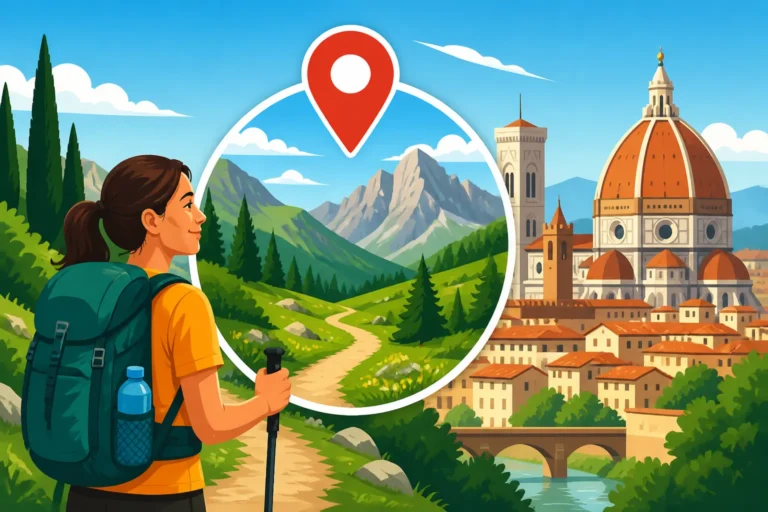
Let's be honest, sometimes the sheer volume of tourists in Florence or the Vatican City can be overwhelming. As much as we love the history, a little peace and quiet can feel like a luxury. Italy's national parks provide that much-needed respite, a chance to truly disconnect and immerse yourself in the natural world. Imagine swapping the sounds of vespas for birdsong, or the endless queue for a quiet path winding through ancient woods. It’s a profound shift in pace and perspective that many expats find invaluable for maintaining their sanity and well-being. Whether you're a seasoned hiker or just someone who enjoys a gentle stroll with a stunning view, these parks offer trails and natural wonders for all levels of adventurers. It’s a beautiful way to see a side of Italy that often gets overshadowed by its more famous cultural sites, offering a truly restorative break.
Uncovering Italy's Biodiversity and Unique Ecosystems
Beyond the tranquility, these parks are vital bastions of Italy's incredible biodiversity. From the soaring peaks of the Alps to the rugged coastal cliffs, the country's varied geology and climate have created a mosaic of ecosystems supporting a wealth of flora and fauna. You'll find everything from ancient beech forests that look straight out of a fairy tale to Mediterranean scrubland clinging to sea-battered rocks. These protected areas are crucial for safeguarding endangered species like the Apennine wolf, the Marsican brown bear, and the golden eagle. Each park tells a unique ecological story, showcasing landscapes that range from glaciated valleys to volcanic islands, and offering a chance to witness nature in its raw, untamed form. It's an educational experience as much as it is an adventurous one, reminding us of the delicate balance of these precious environments.
Iconic National Parks You Can't Miss
Italy boasts 25 national parks, each with its own distinct charm and challenges. While you can't see them all in one go, there are a few that truly stand out and offer an unforgettable introduction to Italy's wild heart. These are the ones that often appear on postcards, but their true beauty can only be appreciated in person, away from the glossy image.
Gran Paradiso National Park
Nestled in the towering Alps between the Aosta Valley and Piedmont, Gran Paradiso National Park holds the distinction of being Italy's oldest national park, established way back in 1922. Its history is fascinating, originally created as a royal hunting reserve to protect the Alpine ibex from extinction. Today, these magnificent horned creatures are the park's symbol and are often spotted grazing on the high-altitude meadows, sometimes surprisingly close to hikers! The landscape here is classic alpine grandeur: jagged peaks, glistening glaciers, crystal-clear lakes, and vast green valleys. It’s a hiker's paradise, with trails ranging from easy strolls through larch forests to challenging multi-day treks up to high mountain refuges.
You can spend days exploring charming mountain villages like Cogne, or challenging yourself to reach peaks that offer panoramic views into France and Switzerland. For those seeking a truly immersive experience in the high mountains, Hiking in Italy: Popular Trails and How to Prepare can offer valuable insights. The air is crisp, the views are endless, and the sense of peace is profound. If you're driving, be prepared for winding mountain roads, but the journey itself is part of the adventure, offering breathtaking vistas at every turn. Remember to check local conditions, especially outside of summer, as snow can make many areas inaccessible.
Cinque Terre National Park
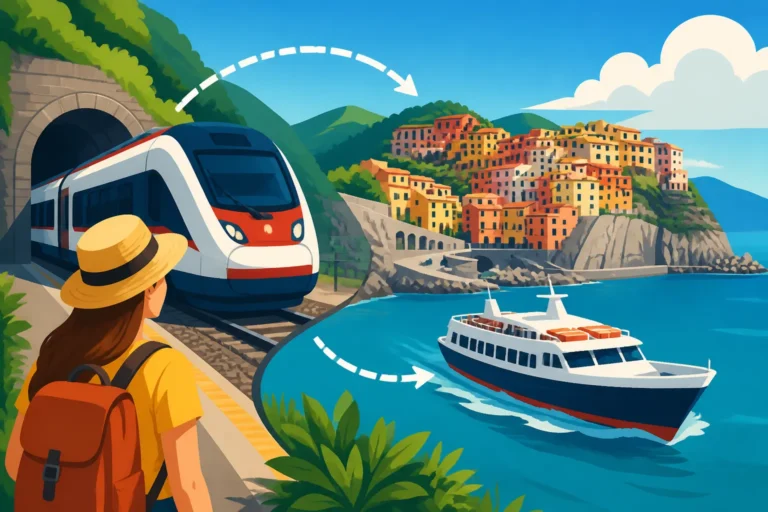
Perhaps one of the most famous national parks in Italy, Cinque Terre National Park in Liguria is unique because it's both a protected natural area and a UNESCO World Heritage site, intertwining human habitation with dramatic coastal landscapes. The park encompasses five colorful cliffside villages – Monterosso al Mare, Vernazza, Corniglia, Manarola, and Riomaggiore – that seem to defy gravity as they cling to the rugged coastline. What makes this park so special, besides its beauty, is the network of hiking trails that connect these villages, offering unparalleled views of the terraced vineyards and the shimmering Ligurian Sea.
While incredibly picturesque, it's important to know that Cinque Terre can get very crowded, especially during peak season. But even with the crowds, walking the sentieri (paths) and taking in the breathtaking views, particularly at sunrise or sunset, is an experience like no other. You can easily spend a full day here, hiking between villages, sampling local pesto and seafood, and taking refreshing dips in the sea. For those who prefer a guided experience to navigate the crowds and get local insights, platforms like GetYourGuide offer various walking tours and boat trips that highlight the park's beauty. Just be sure to purchase your Cinque Terre Card, which grants access to the hiking trails and local train services between the villages. Understanding Getting Around Italian Cities: Metro, Tram, and Buses might also help with planning your public transport connections to the park.
Abruzzo, Lazio e Molise National Park
This park, often simply referred to as Abruzzo National Park, is an absolute gem and a fantastic option for those looking to see Italy's wilder side without venturing into the far north. Located in the heart of the Apennine Mountains, it's one of Europe's oldest parks and is renowned for its efforts in wildlife conservation. This is one of the few places in Italy where you still have a genuine chance of spotting the elusive Marsican brown bear and the Apennine wolf in their natural habitat, alongside chamois, deer, and golden eagles. The park is a testament to successful conservation, evolving from a royal hunting reserve to a sanctuary for these iconic species.
The landscape is a captivating mix of ancient beech forests – some designated as UNESCO World Heritage sites themselves – high mountain pastures, and deep river valleys. Traditional villages like Pescasseroli, Civitella Alfedena, and Barrea are nestled within the park, offering a glimpse into a slower, more authentic Italian way of life. You can explore charming stone houses, sample local cheeses and cured meats, and experience hospitality that is deeply rooted in mountain traditions. There are numerous trails for all abilities, and guided excursions are often available, increasing your chances of wildlife sightings. If you're seeking to truly escape the urban hustle and embrace raw nature and rustic charm, Abruzzo is an excellent choice.
Hidden Gems and Diverse Landscapes
While the big names draw the crowds, Italy's national parks system is vast, offering incredible experiences in lesser-known but equally stunning locales. These "hidden gems" often provide a more intimate and authentic encounter with Italy's natural beauty, without the bustling tourist throngs.
Gargano National Park
Heading south to Puglia, you'll find the stunning Gargano National Park, a promontory jutting out into the Adriatic Sea. This park is a remarkable blend of dense ancient forests, dramatic white cliffs, sea caves, and beautiful sandy beaches. It’s a completely different vibe from the alpine or Apennine parks, offering a unique Mediterranean landscape. The Umbra Forest, a UNESCO World Heritage site, is a primeval beech forest where ancient trees create a cathedral-like canopy, perfect for serene walks and spotting diverse birdlife.
Along the coastline, picturesque towns like Peschici and Vieste cling to the cliffs, offering delicious seafood and charming historic centers. Boat tours are highly recommended to explore the sea caves and pristine coves that are only accessible from the water. It's a fantastic destination if you're looking to combine beach relaxation with nature exploration and a taste of southern Italian culture. You can easily spend several days here, splitting your time between hiking, swimming, and enjoying the local cuisine.
Pollino National Park
Straddling the regions of Calabria and Basilicata, Pollino National Park is the largest national park in Italy and an area of immense natural beauty and rugged wilderness. Often overlooked by international tourists, it's a true paradise for adventurous hikers and nature lovers who want to get off the beaten path. The park is famous for its ancient Bosnian pines, some of which are hundreds of years old and have gnarled, sculptural forms that are truly mesmerizing. These trees are living testaments to the park's untouched nature.
The landscape is characterized by imposing mountains, deep gorges carved by rivers, and vast plateaus. It’s a place where you can find profound solitude and feel truly connected to the wild. Rafting, canyoning, and mountain biking are popular activities here, alongside a myriad of hiking trails. The local communities are welcoming, and you’ll discover traditional cuisine that reflects the mountain environment. If you're looking for an Italian adventure that feels genuinely undiscovered, where the landscapes are raw and the pace is slow, Pollino National Park should be high on your list.
Circeo National Park
Just a short drive south of Rome, Circeo National Park offers a surprising escape into nature, making it an excellent option for a Day Trips From Rome by Train or a weekend getaway if you're based in the capital. This coastal park is distinct for its diverse ecosystems, including sand dunes, coastal forests, wetlands, and even a small mountain, Monte Circeo, which gives the park its name and is steeped in mythological lore (it's said to be the island of the sorceress Circe from Homer's Odyssey).
The park's wetlands are a crucial stopover point for migratory birds, making it a birdwatcher's haven, especially in spring and autumn. You can cycle along scenic paths, explore ancient Roman ruins, relax on beautiful beaches, or hike up Monte Circeo for panoramic views of the coast and the Pontine Islands. It's a wonderful example of how quickly you can transition from Italy's urban sprawl to pristine natural beauty, offering a refreshing contrast for anyone living in or visiting Rome.
Practical Tips for Visiting Italian National Parks
Venturing into Italy's national parks requires a bit of planning, especially if you're used to the convenience of city life. But trust me, the effort is well worth the reward. From getting there to finding a place to rest your head, a few practical pointers can make all the difference.
Getting There
While some national parks, like Cinque Terre, are well-connected by train, many others, particularly the more remote ones in Abruzzo or Pollino, are best accessed by car. Public transport can be infrequent or non-existent in deeper parts of these parks, so having your own wheels gives you the freedom to explore at your own pace and reach trailheads. If you're relying on trains, I highly recommend using platforms like Omio to compare routes and book tickets in advance, especially for longer journeys. For car rentals, remember that Renting a Car in Italy: ZTLs, Insurance, and Driving Tips are crucial to understand, as navigating Italian roads and restricted traffic zones can be a challenge for newcomers. Be aware of ZTLs (Limited Traffic Zones) in smaller towns leading to parks, and always check parking regulations. For those parks accessible by train, remember that validating your ticket before boarding is essential to avoid fines.
Accommodation and Booking
Within and around most national parks, you'll find a range of accommodation options. These often include cozy agriturismi (farm stays), charming bed & breakfasts in small villages, and sometimes even mountain refuges for the more adventurous hikers. These options often provide a more authentic and immersive experience than standard hotels, allowing you to connect with local culture and cuisine. I often use Booking.com to scout out these types of unique stays, as they have a wide variety of options in even the most rural areas. It’s always a good idea to book well in advance, especially if you're traveling during peak hiking seasons (spring and autumn) or Italian holidays. Some parks also have visitor centers that can provide information on local guesthouses and guided tours. If you're looking for specific experiences, perhaps a guided wildlife trek or a cycling tour, websites like GetYourGuide can be excellent resources for finding and booking these activities ahead of time.
Essential Gear and Respecting Nature
Don't underestimate the Italian wilderness! Even for moderate hikes, sturdy hiking boots, layers of clothing (weather can change rapidly in the mountains), rain gear, plenty of water, and snacks are essential. A map (physical or downloaded offline) and a compass or GPS device are also vital, as phone signal can be patchy in remote areas. Always tell someone your route and expected return time. Beyond personal safety, it’s paramount to practice responsible tourism. This means sticking to marked trails, carrying out all your trash, respecting wildlife by keeping a distance and not feeding animals, and being mindful of noise levels. Italy’s parks are precious ecosystems, and we all have a role to play in preserving them for future generations. Remember, the goal is to leave no trace, allowing others to enjoy the pristine beauty just as you did.
Responsible Tourism and Conservation Efforts
When we visit these stunning natural landscapes, we're not just tourists; we're guests in a delicate ecosystem. Understanding the importance of responsible tourism and the ongoing conservation efforts is key to ensuring these parks thrive.
Supporting Local Communities
Tourism in national parks can be a double-edged sword: it brings vital income, but also potential strain. By choosing to stay in local agriturismi, dining at small family-run restaurants, and purchasing artisan products from villages within or near the parks, you directly contribute to the economic well-being of these communities. Many of these areas face depopulation, and sustainable tourism offers a lifeline, helping to preserve local traditions and livelihoods. Engaging with local guides or seeking out small businesses helps keep money within the local economy, fostering a sense of pride and ownership in their natural heritage. It's a far more rewarding experience than simply passing through, and you'll often find a warmth and authenticity that is hard to match in busier tourist hubs.
Preserving Italy's Natural Heritage
Italy's national parks are at the forefront of conservation. They protect not only iconic species but also invaluable habitats and unique geological features. The ongoing work of park rangers, scientists, and local communities ensures that these areas remain healthy and resilient. As visitors, our role is to support these efforts by adhering to park regulations, staying on marked trails, and minimizing our impact. Understanding that a simple discarded plastic bottle can harm wildlife, or walking off-trail can damage sensitive plant life, changes our perspective. Many parks also offer educational programs or volunteer opportunities, allowing you to get involved more deeply. By being conscious and respectful travelers, we become part of the solution, helping to safeguard Italy's incredible natural legacy for generations to come.
A Snapshot of Italy's Diverse National Parks
To help you visualize the variety, here’s a quick comparison of some of the parks we’ve discussed:
| National Park | Region(s) | Primary Landscape | Best For | Unique Highlight | Accessibility (General) |
|---|---|---|---|---|---|
| Gran Paradiso | Aosta Valley, Piedmont | High Alps, Glaciers, Forests | Hiking, Wildlife Spotting (Ibex), Mountain Trekking | Italy's oldest park, home of the Alpine Ibex | Car essential, some train to valleys |
| Cinque Terre | Liguria | Coastal Cliffs, Terraced Villages, Sea | Coastal Hiking, Scenic Views, Village Hopping | UNESCO villages on dramatic cliffs | Train excellent, hiking trails |
| Abruzzo, Lazio e Molise | Abruzzo, Lazio, Molise | Apennine Mountains, Ancient Forests | Wildlife Spotting (Bear, Wolf), Cultural Villages | Marsican brown bear habitat, ancient beech forests | Car recommended |
| Gargano | Puglia | Coastal Forests, Sea Caves, Beaches | Coastal Exploration, Hiking, Birdwatching | Umbra Forest, sea arches & caves | Car essential |
| Pollino | Calabria, Basilicata | Rugged Mountains, Gorges, Ancient Pines | Adventure Sports, Remote Hiking, Solitude | Europe's oldest Bosnian pines | Car essential |
| Circeo | Lazio | Dunes, Forests, Wetlands, Coastal Mountain | Birdwatching, Cycling, Beach Access, History | Proximity to Rome, diverse coastal ecosystems | Car good, some train/bus |
Disclaimer
Please note that while every effort has been made to provide accurate and up-to-date information, circumstances such as park regulations, accessibility, and local services can change. Always check the official websites of the individual national parks or local tourism boards for the most current details before planning your visit. This guide is for informational purposes only and does not constitute professional advice.