Italy’s Great Museums: Uffizi, Vatican, and Beyond
Oh, cara mia, if there's one thing that can overwhelm a newcomer to Italy, it's the sheer, jaw-dropping volume of art and history crammed into every corner. You arrive, buzzing with excitement, only to find yourself staring down labyrinthine queues and complex booking systems for the very masterpieces you've dreamt of seeing. This guide is here to cut through that glorious chaos, helping you navigate the most iconic museums, from Florence's Uffizi to the Vatican's sacred halls, ensuring your artistic journey is less stress and more sprezzatura.
Disclosure: This post may contain affiliate links. We may earn a commission at no extra cost to you if you make a purchase through these links. Read full disclosure.
The Grand Dames of Italian Art: Uffizi Gallery
Let's kick things off in Florence, the cradle of the Renaissance, with the unparalleled Uffizi Gallery. This isn't just a museum; it's a pilgrimage site for art lovers, a monumental testament to human creativity that will leave you absolutely breathless. But, and this is a big "but," it's also one of Italy's most popular attractions, meaning crowds and careful planning are part of the deal.
What Makes the Uffizi Unmissable?
The Uffizi Gallery holds a collection that reads like a who's who of the Italian Renaissance. Imagine walking into a room and coming face-to-face with Botticelli's "Birth of Venus" and "Primavera," two works so ethereal they seem to glow from within. These aren't just pretty pictures; they're cultural touchstones, symbols of an era that redefined art, philosophy, and humanism. Then there's Leonardo da Vinci's "Annunciation," a masterclass in atmospheric perspective, and Michelangelo's "Doni Tondo," his only panel painting still in Florence. You'll also find masterpieces by Raphael, Titian, Caravaggio, and many others. It's a journey through centuries of artistic evolution, revealing how painters pushed boundaries, experimented with light and shadow, and captured the human spirit. The sheer concentration of genius under one roof is astounding, truly making it an unmissable experience for anyone serious about art history.
Beyond the individual artworks, the Uffizi building itself is a historical marvel. Designed by Giorgio Vasari in the mid-16th century, it was originally intended to house the administrative offices ("uffizi") of the Florentine magistrates. The long, narrow courtyard, leading down to the Arno River, creates a stunning architectural perspective. The collection was largely amassed by the powerful Medici family, who were fervent patrons of the arts. They generously bequeathed their vast private collections to the city of Florence, with the explicit condition that they remain accessible to the public—a truly visionary act that paved the way for modern public museums. So, when you walk through its halls, you're not just seeing paintings; you're stepping into the legacy of one of Europe's most influential dynasties.
Navigating Your Visit: Tickets, Times, and Practicalities
Now, for the nitty-gritty: how do you actually get in without spending half your Florentine holiday in a queue? Advance booking is not just recommended; it's practically mandatory, especially during peak season (spring, summer, and major holidays). You can purchase tickets directly from the official Uffizi Gallery website, or through reputable third-party vendors. The official site usually releases tickets several weeks or months in advance, and they sell out quickly. You'll often select a specific entry time, so be punctual! Aim to arrive about 15-20 minutes before your scheduled slot.
Consider visiting during the shoulder seasons (late autumn or early spring) or even in winter for a slightly less crowded experience. Weekday mornings, right at opening, or later in the afternoon, tend to be marginally less hectic than midday or weekends. The Uffizi is usually closed on Mondays, so plan accordingly. Don't underestimate the size of the museum; it can easily take 3-4 hours to see everything properly, especially if you like to linger. Wear comfortable shoes, because you'll be doing a lot of walking on marble floors. For a truly seamless experience, many expats swear by booking a guided tour. Companies like GetYourGuide offer various options, from small-group tours to private, in-depth experiences, which can be invaluable for understanding the context of the art and bypassing some of the logistical hurdles.
Beyond the Masterpieces: Hidden Gems and Insider Tips
While everyone flocks to the Botticelli rooms, there are quieter corners of the Uffizi that offer equally rewarding experiences. Don't rush through the Baroque and late Renaissance sections; artists like Guido Reni and Artemisia Gentileschi have powerful works that deserve your attention. Keep an eye out for the Tribune of the Uffizi, an octagonal room designed by Bernardo Buontalenti, originally housing some of the Medici's most prized possessions. It's a work of art in itself, showcasing an early example of a gallery specifically designed for display.
Another fantastic tip is to combine your Uffizi visit with a stroll across the Ponte Vecchio, which is right next door. You can also explore the Palazzo Pitti and the Boboli Gardens using a combined ticket, often valid for a few days, which can offer significant savings and a chance to experience more of Florence's cultural bounty at a more relaxed pace. This multifaceted approach can truly enhance your understanding of the city's artistic heritage. Exploring the surrounding Oltrarno district afterward, home to artisan workshops, offers a wonderful contrast to the museum's grandeur and a chance to truly immerse yourself in Florentine life. This is also a perfect opportunity to sample some authentic Tuscan cuisine, perhaps in a charming trattoria away from the main tourist drag.
The Vatican Museums: A City-State of Wonders
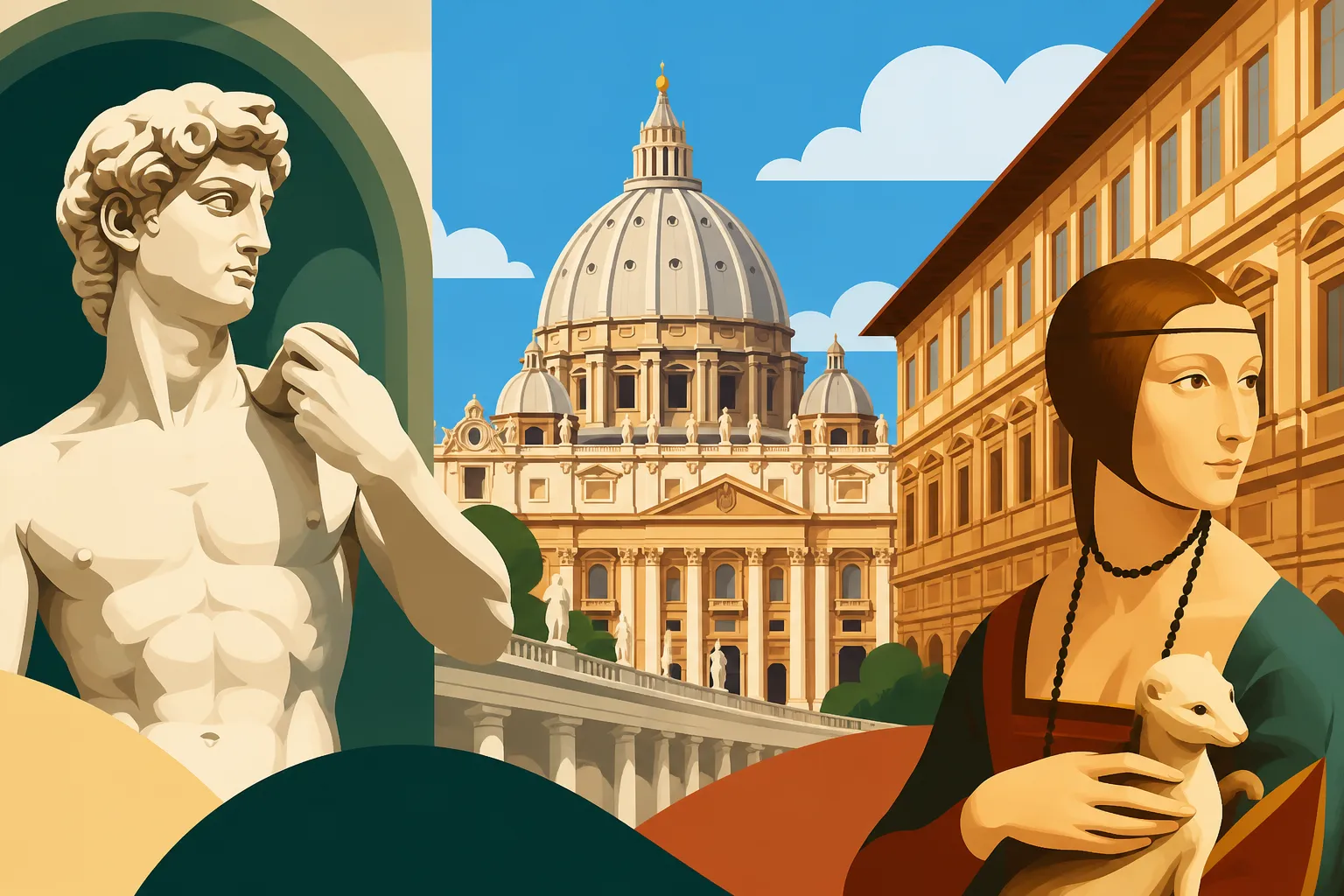
Leaving the Renaissance heart of Florence, we journey to the spiritual and artistic epicenter that is Vatican City. The Vatican Museums aren't just a collection; they're a sprawling complex of galleries, chapels, and papal apartments that collectively house one of the world's greatest art collections, culminating in the awe-inspiring Sistine Chapel. This is a monument to faith, art, and power, and its scale is truly immense.
Unveiling the Vatican's Treasures: From Ancients to Sistine Chapel
The Vatican Museums are a treasure trove accumulated over centuries by various Popes. You'll find ancient Roman and Greek sculptures, like the iconic Laocoön Group and the Belvedere Torso, which profoundly influenced Renaissance artists. The Egyptian Museum section, with its mummies and sarcophagi, is a fascinating diversion, while the Etruscan Museum offers a glimpse into a civilization that predates Rome. The sheer diversity of the collections is staggering, moving from classical antiquity through the Renaissance and into modern religious art.
However, the main draw for most visitors, and rightly so, is Michelangelo's Sistine Chapel. Stepping inside is an almost sacred experience, even for those not religiously inclined. The ceiling, depicting scenes from Genesis, and the "Last Judgment" on the altar wall, are works of unparalleled genius. The vibrancy of the colors, the dynamic compositions, and the sheer narrative power are overwhelming. You're meant to soak it all in, looking up in silent reverence, which can be a challenge given the constant flow of people, but it's an experience that stays with you long after you've left. Getting to the Sistine Chapel means traversing numerous galleries, including the Raphael Rooms, frescoed by Raphael and his workshop, which are masterpieces in their own right, offering another layer of Renaissance brilliance to absorb.
Planning Your Papal Pilgrimage: Entry, Tours, and Avoiding the Crowds
Visiting the Vatican Museums requires strategic planning, much like the Uffizi. Tickets should be booked well in advance through the official Vatican Museums website. There are various ticket options, including standard entry, guided tours, and early morning access, which is highly recommended if your budget allows for it. Early morning tours or evening tours (when available) offer a far more serene experience, allowing you to appreciate the art without feeling like you're part of a human conveyor belt. Regular tickets provide a specific entry time, but once inside, you can take your time. Be aware that the museums are generally closed on Sundays, except for the last Sunday of each month (when entry is free, leading to absolutely massive crowds).
Dress code is strictly enforced: shoulders and knees must be covered for both men and women. This applies not only to the Sistine Chapel but also to St. Peter's Basilica. If you arrive unprepared, you might be denied entry or forced to buy a cheap scarf from a street vendor. For those who prefer a structured visit, a guided tour can make a huge difference. Companies like GetYourGuide offer comprehensive tours that often include skip-the-line access and expert commentary, guiding you directly to the highlights and providing invaluable context. Some tours even combine the Vatican Museums with St. Peter's Basilica, streamlining your experience. If you're staying nearby, check Booking.com for hotels that might offer special tour packages or are within easy walking distance.
More Than Just Museums: St. Peter's Basilica and Vatican City
Your Vatican experience isn't complete without visiting St. Peter's Basilica, an architectural marvel and the largest church in the world. Entry to the Basilica is generally free, but expect security checks and potential queues, especially during peak times. Inside, you'll be awestruck by its scale and grandeur, from Michelangelo's Pietà to Bernini's baldachin. Climbing to the top of Michelangelo's dome offers breathtaking panoramic views of St. Peter's Square and Rome, but be prepared for a strenuous ascent, whether you take the elevator part of the way or climb all 551 steps.
Beyond the main attractions, take a moment to simply soak in the atmosphere of St. Peter's Square, designed by Bernini. It's a place of immense historical and spiritual significance. If you happen to be in Rome on a Wednesday when the Pope is in residence, you might even attend a Papal Audience, though this requires separate tickets and planning. Remember, you're not just visiting a museum; you're stepping into a sovereign city-state, and the blend of art, history, and profound religious significance is truly unique. This combination makes the Vatican not just a must-see, but a deep dive into the essence of Western civilization.
Beyond Florence and Rome: Italy's Other Unsung Museum Heroes
While the Uffizi and Vatican Museums often steal the spotlight, Italy is teeming with other incredible cultural institutions, each offering a unique window into different facets of its rich heritage. Don't limit yourself to the big two; venture further and discover some truly remarkable collections.
Milan: Leonardo's Last Supper and Pinacoteca di Brera
When in Milan, beyond the fashion and modern architecture, lies one of the world's most iconic artworks: Leonardo da Vinci's "The Last Supper." This isn't a painting on canvas, but a vast fresco (or rather, a tempera and oil mural, which sadly contributed to its poor preservation over time) adorning the refectory wall of the Santa Maria delle Grazie convent. Seeing it in person is a profound experience, far more impactful than any reproduction. The emotional intensity of Christ and his disciples, captured at a pivotal moment, is mesmerizing. Due to its fragility and immense popularity, visits are highly restricted to small groups for a mere 15 minutes, emphasizing the exclusivity of the experience. Booking months in advance is absolutely essential; these tickets disappear faster than a plate of cotoletta alla milanese.
For a broader artistic feast, Milan also offers the Pinacoteca di Brera, a gem nestled in the artistic Brera district. This national art gallery houses an extraordinary collection of Italian paintings, particularly strong in Venetian and Lombard Renaissance art. You'll find masterpieces by Mantegna ("Dead Christ"), Raphael ("The Marriage of the Virgin"), Caravaggio, Tintoretto, and Piero della Francesca. It's a more digestible museum than the Uffizi or Vatican, allowing for a more intimate encounter with the art. The building itself is an elegant former Jesuit college, and the surrounding Brera neighborhood with its charming cobblestone streets, boutiques, and cafes makes for a lovely post-museum stroll. Many expats consider a visit to the Pinacoteca di Brera to be a more relaxed and equally enriching art experience compared to the major tourist hubs.
Turin: The Egyptian Museum and Galleria Sabauda
Often overlooked by first-time visitors to Italy, Turin holds a surprising cultural treasure: the Museo Egizio, or Egyptian Museum. This isn't just an Egyptian museum; it's the oldest museum in the world dedicated solely to ancient Egyptian culture and the second largest collection of Egyptian artifacts outside of Cairo. You'll find an astonishing array of statues, sarcophagi, papyri, and everyday objects, including the exquisitely preserved tomb of Kha and Merit. Walking through its galleries is like taking a portal back to the land of pharaohs and pyramids, a truly immersive and educational experience. It’s a fantastic option if you're looking for something different from the usual Renaissance art overload.
For those still craving Italian art, Turin also boasts the Galleria Sabauda, located within the Royal Palace complex. This gallery houses the art collection of the House of Savoy, the former ruling family of Italy. While not as famous as the Uffizi, it features significant works by Piedmontese, Flemish, Dutch, and Italian masters, including works by Mantegna, Veronese, Tintoretto, Van Dyck, and Rembrandt. It offers a fascinating glimpse into the artistic tastes of a royal dynasty and a chance to explore a less crowded, yet equally valuable, collection of European art. Plus, the combined ticket with the Royal Palace allows you to explore the opulent residences of the Savoys, giving a full picture of their historical influence.
Venice: Doge's Palace and Gallerie dell'Accademia
Venice, the city of canals and romance, offers a different kind of museum experience. The Doge's Palace (Palazzo Ducale) is a magnificent example of Venetian Gothic architecture and served as the seat of power for the Venetian Republic for centuries. It's not just a museum but a journey through the political and judicial history of one of Europe's most powerful maritime states. You'll wander through opulent state apartments, eerie prisons (including the infamous Bridge of Sighs), and vast council chambers adorned with monumental artworks by Tintoretto and Veronese. It's a historical immersion, revealing the splendor and intrigue of Venetian governance.
For pure art appreciation in Venice, the Gallerie dell'Accademia is the place to go. Housed in a former convent and church, this gallery focuses exclusively on Venetian painting from the 14th to the 18th century. It offers a comprehensive overview of the Venetian School, with iconic works by Bellini, Carpaccio, Giorgione, Titian, Tintoretto, and Veronese. You'll witness the evolution of color, light, and landscape that defined Venetian art, often in stark contrast to the Florentine focus on line and form. Highlights include Titian's "Presentation of the Virgin" and Veronese's "Feast in the House of Levi." Like the Pinacoteca di Brera, it's a manageable size, allowing for a deeply rewarding artistic encounter without the overwhelming scale of the larger national museums. To truly get into the spirit of Venice, consider a local gondola ride or a short Vaporetto trip to reach the Accademia, making the journey part of the cultural experience.
Practical Strategies for Museum-Hopping in Italy
Successfully navigating Italy's museums, especially the major ones, requires a good strategy. It's not just about showing up; it's about smart planning to maximize your time and minimize frustration. After all, you're here to enjoy the art, not the queues!
Mastering the Art of Booking: Online vs. On-Site
For almost all major Italian museums, especially the Uffizi, Vatican Museums, and "The Last Supper," advance online booking is non-negotiable. Trying to buy tickets on-site, particularly during peak tourist season (April-October, and around major holidays like Easter or Christmas), is often an exercise in futility, resulting in hours-long queues or even complete sell-outs. Official museum websites are always the first port of call, but be prepared for them to sometimes be a bit clunky or even only in Italian initially. Persevere!
Third-party booking sites and tour operators like GetYourGuide are excellent alternatives. While they might charge a small booking fee, they often offer user-friendly interfaces, English support, and frequently provide added benefits like skip-the-line access or bundled tours that include transport or other attractions. Sometimes, these platforms might even have availability when the official site is sold out, as they pre-purchase blocks of tickets. Always double-check cancellation policies, especially if your travel plans are flexible. For highly sought-after experiences like "The Last Supper," tickets are often released in limited batches months in advance and vanish within minutes, so set calendar reminders!
Tackling the Crowds: Timing, Tours, and Tech
The early bird truly catches the worm when it comes to Italian museums. Aim for the first entry slot of the day, right at opening. The initial hour or so is often the calmest, allowing you to experience the most famous works with fewer people jostling for position. Similarly, visiting late in the afternoon, an hour or two before closing, can sometimes offer a quieter experience as tour groups start to depart. Avoid weekends and public holidays if possible, as these are invariably the busiest times.
Consider investing in a guided tour, particularly for complex sites like the Vatican Museums. A good guide not only navigates the crowds efficiently but also provides invaluable context, stories, and insights that bring the art to life. This can transform a potentially overwhelming visit into a deeply enriching one. Many tours also include skip-the-line access, which can save you precious hours. For independent explorers, audio guides are a fantastic investment, allowing you to move at your own pace while still gaining a deep understanding of the collection. Additionally, download museum apps if available; some offer digital maps and information, helping you orient yourself in vast complexes. Leveraging technology and expert guidance can significantly improve your museum-going experience.
The Italian Museum Pass: Is It Worth It?
Italy offers a variety of city and regional museum passes, and whether they are "worth it" truly depends on your itinerary and interests. For Rome, popular options include the Roma Pass and the Omnia Card. The Roma Pass offers free entry to 1 or 2 museums/archeological sites and discounted entry to others, plus unlimited public transport. The Omnia Card is more comprehensive, including the Vatican Museums and St. Peter's Basilica, hop-on-hop-off bus tours, and often entry to major Roman sites.
In Florence, the Firenze Card offers access to most major museums, including the Uffizi and Accademia, for 72 hours. Milan has the MilanoCard, offering museum discounts and free public transport. These passes can be great value if you plan to visit many attractions in a short timeframe and factor in public transport. However, do the math: list the museums you definitely want to visit, check their individual entry prices, and compare that to the cost of the pass. Sometimes, if you only plan to see 2-3 major sites, buying individual advance tickets might be cheaper. Also, passes often don't include skip-the-line access, only entry, so you might still queue to get in. For some, the convenience of not having to buy individual tickets is worth the extra cost. Remember to check the exact inclusions and limitations, as they can vary annually.
| Museum/Site | Location | Key Highlights | Avg. Ticket Price (Standard) | Booking Advice |
|---|---|---|---|---|
| Uffizi Gallery | Florence | Botticelli, Da Vinci, Michelangelo, Raphael | €25-€30 | Essential to book 1-2 months in advance online. |
| Vatican Museums | Vatican City | Sistine Chapel, Raphael Rooms, Laocoön Group | €20-€35 | Book 1-2 months ahead. Consider early morning tour. |
| The Last Supper | Milan | Leonardo da Vinci's masterpiece | €15-€20 | Book 3-4 months ahead. Very limited slots. |
| Pinacoteca di Brera | Milan | Mantegna, Raphael, Caravaggio | €15 | Book in advance, especially weekends. |
| Egyptian Museum | Turin | World's 2nd largest Egyptian collection | €18 | Book ahead, generally less crowded than Uffizi. |
| Doge's Palace | Venice | Tintoretto, Veronese, Bridge of Sighs | €25-€30 | Book in advance, especially during peak season. |
| Gallerie dell'Accademia | Venice | Bellini, Titian, Tintoretto, Veronese | €16 | Book ahead, less critical than Doge's Palace. |
Note: Prices are approximate and can vary based on exhibitions, seasonality, and booking fees. Always check official websites for the most current information.
Making the Most of Your Museum Experience
Visiting Italian museums is an immersive experience, but it also comes with its own set of unwritten rules and practical considerations. Being prepared can make all the difference between a rushed, frustrating visit and a truly memorable one.
Dress Codes and Etiquette: Respecting Italian Culture
While there aren't strict dress codes for most Italian national museums like the Uffizi or Pinacoteca di Brera, a general rule of thumb is to dress respectfully. This means avoiding overly revealing clothing, especially if you plan to visit any churches or religious sites (which often happen to be attached to or near museums). For the Vatican Museums and St. Peter's Basilica, the dress code is very clear: shoulders and knees must be covered. This applies to everyone, regardless of gender. I've seen countless tourists turned away for wearing shorts or tank tops, so save yourself the trouble and dress appropriately, perhaps bringing a light scarf or shawl to cover up if needed.
Beyond clothing, remember that these are places of historical and cultural significance. Maintain a respectful volume, avoid running, and definitely do not touch any artworks or ancient artifacts. Flash photography is almost universally prohibited, as it can damage delicate artworks over time, and even non-flash photography is often restricted in certain areas (like the Sistine Chapel). Be mindful of others trying to view the art; don't hog a spot for too long, especially in front of major masterpieces. Understanding Italian Social Customs: Greetings, Gestures, and Personal Space can help you navigate interactions not just in museums but throughout your travels.
Fueling Your Day: Food and Drink Options
Museum visits can be surprisingly tiring. You're on your feet for hours, concentrating, and walking through vast spaces. Most major museums have internal cafes or snack bars where you can grab a coffee, a pastry, or a light lunch. While convenient, these are often overpriced and may not offer the best quality. My advice? Plan your meals.
Consider having a substantial breakfast before you go, and pack a small bottle of water (some museums allow this, but check their specific rules before entering). If you plan a longer visit, schedule a break to step outside the museum for a proper Italian lunch. Often, there are charming cafes, trattorias, or paninotecas just a short walk away that offer much better food at more reasonable prices. For instance, near the Uffizi, you're a stone's throw from countless excellent Florentine eateries. This break can also give you a chance to rest your feet and mentally reset before diving back into the art. Remember, many small Italian towns embrace a much slower pace of life, particularly during lunch, and you might find that Everything Closes for Lunch (Riposo) which is worth noting for your planning.
Capturing Memories: Photography Rules and Restrictions
Photography rules in Italian museums can vary wildly, so always pay attention to the signs or ask staff if you're unsure. As a general rule, flash photography is almost always forbidden. This is a crucial preservation measure, as repeated flashes can degrade pigments and materials over centuries. In many prominent rooms or in front of specific masterpieces, even non-flash photography might be prohibited.
The most famous example of a no-photography zone is the Sistine Chapel, where photography of any kind is strictly enforced, often with guards calling out "No photo!" to anyone attempting to snap a quick shot. Respect these rules. Not only are you preserving the art for future generations, but you're also respecting the wishes of the institutions. Sometimes, it's actually liberating to put the camera away and simply experience the art with your own eyes, allowing yourself to be fully present in the moment. Remember that in some places, you might be able to purchase high-quality reproductions in the museum gift shop, which often support the museum's preservation efforts.
Disclaimer
Please note that information regarding ticket prices, opening hours, and specific exhibition details for museums in Italy can change frequently due to various factors, including seasonal adjustments, special events, and public health guidelines. While we strive to provide the most up-to-date and accurate information, it is always recommended to check the official websites of individual museums or trusted booking platforms directly before planning your visit. This guide is for informational purposes only and should not be considered legal or professional advice.