How to Visit the Vatican on a Sunday
Oh, cara, planning a visit to the Vatican on a Sunday can be one of those classic "only in Italy" head-scratchers for us expats and tourists. You see it on the map, a tiny independent state right within Rome, and you think, "Great, a weekend visit!" But the reality of what's open, what's closed, and what's absolutely packed on a Sunday is often a mystery that leaves many scratching their heads or, worse, disappointed. This guide is here to unravel that mystery, giving you the real lowdown so you can plan a truly special, or at least strategically managed, Sunday Vatican experience.
Disclosure: This post may contain affiliate links. We may earn a commission at no extra cost to you if you make a purchase through these links. Read full disclosure.
The Sunday Conundrum: What's Open (and Closed) in Vatican City
Let's cut right to the chase, because this is where most people get tripped up. For the vast majority of Sundays throughout the year, the main draws – the Vatican Museums, which include the Sistine Chapel, and the Vatican Gardens – are closed. Yes, closed. I know, I know, it feels counterintuitive, but think of it as their day of rest, or perhaps a logistical necessity given the sheer number of visitors they welcome daily. This means if you're hoping to marvel at Michelangelo's ceiling or stroll through ancient galleries, a standard Sunday is not your day.
However, that doesn't mean Vatican City is entirely off-limits. Far from it! There are still significant and deeply moving experiences to be had, particularly centered around the spiritual heart of the Catholic world.
St. Peter's Basilica: The Enduring Icon
On a regular Sunday, St. Peter's Basilica is open to visitors, though its hours can be a little different from weekdays, often opening later and closing slightly earlier. This magnificent church, the largest in the world, remains a beacon for pilgrims and tourists alike. Stepping inside is a truly breathtaking experience, regardless of your faith. You’ll be enveloped by centuries of art, history, and profound spirituality. Just remember, this is a sacred place, so the dress code is strictly enforced: shoulders and knees must be covered. You’d be surprised how many hopeful visitors are turned away each day for showing too much skin. It’s not about judgment, it’s about respect, so plan your outfit accordingly.
Security checks to enter the Basilica are always present, and lines can still be substantial, especially on a Sunday morning after mass or around noon. Expect airport-style screening. While it might seem daunting, it moves fairly efficiently. Once inside, you can wander through its vast naves, admire masterpieces like Michelangelo's Pietà, and absorb the grandeur. For a different perspective, consider taking a guided tour of St. Peter's Basilica. While the museums are closed, you can often find walking tours that focus specifically on the Basilica and St. Peter's Square, giving you deeper insights into its history and art.
St. Peter's Square and Papal Events
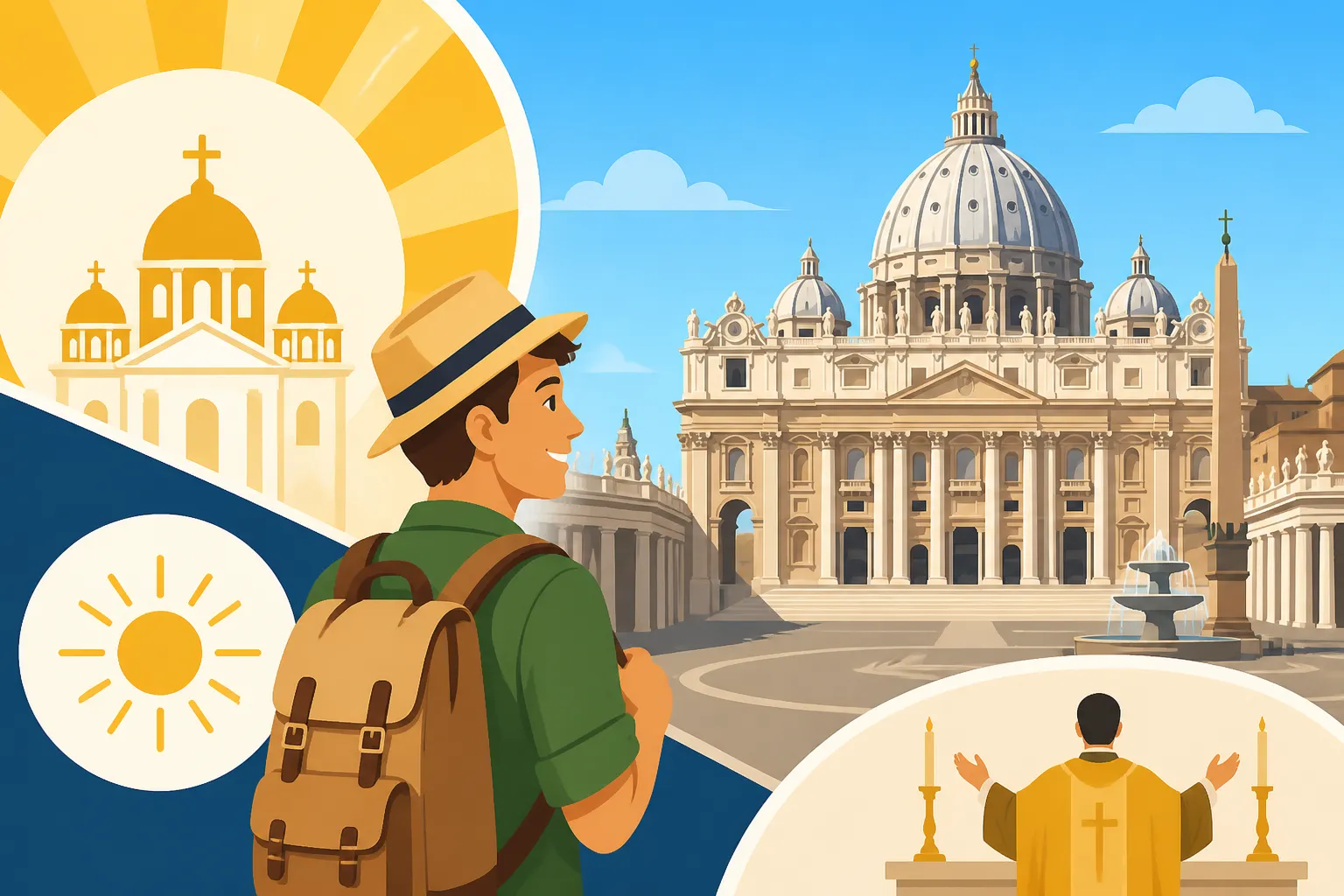
St. Peter's Square itself is always open, a vast, sweeping piazza designed by Bernini, which is a masterpiece in its own right. On Sundays, especially, the square takes on a special significance as it's the venue for the Pope's weekly Angelus prayer. At around noon, the Pope appears at the window of the Apostolic Palace overlooking the square to deliver a short message and bless the crowd. This is a truly unique and moving experience, even if you’re not religious. The atmosphere is electric, filled with people from all corners of the globe, united in a moment of shared humanity and faith. It's free to attend, and you just need to arrive in the square early enough to secure a good spot, keeping in mind the crowds. You might also notice a palpable shift in the air when the Pope is present; it’s one of those "you had to be there" moments that truly defines a Sunday in Vatican City.
Finding your way to the Vatican is relatively straightforward from anywhere in Rome. Public transport, whether it's the metro (Ottaviano or Cipro stops on Line A) or local buses, is usually the most convenient option. If you're staying in a different part of the city, planning your journey in advance can save you a lot of hassle. Many find reliable transport information through platforms like Omio, which can help you navigate not just local transit but also longer journeys if you're combining your Rome visit with other Italian cities.
Navigating the Last Sunday of the Month: Free Entry and Massive Crowds
Now, for the big exception that every savvy traveler needs to know about: the last Sunday of each month. On this specific Sunday, the Vatican Museums, including the Sistine Chapel, are open to the public, and best of all, entry is free. Sounds amazing, right? It is, but with a colossal catch: the crowds are absolutely, unequivocally, staggeringly massive. We're talking sardine-can levels, but with more selfie sticks and less personal space.
The Allure of Free Entry
This free Sunday is a legacy that dates back centuries, a charitable gesture offering access to the Vatican's unparalleled art collection. For those on a tight budget or simply wanting to experience the museums without the ticket cost, it's an undeniable draw. You get to see everything from the classical sculptures to the Raphael Rooms and, of course, the breathtaking Sistine Chapel. The sheer volume of art can be overwhelming, but walking through these hallowed halls, knowing you're treading where popes and artists have walked, is an experience unlike any other. However, brace yourself for a different kind of challenge when it comes to experiencing this historical bounty on the last Sunday.
Conquering the Crowds: A Strategic Approach
If you absolutely must visit on a free last Sunday, strategic planning is your only hope.
- Arrive Early (and I mean early): People start lining up hours before opening, often before sunrise. The doors typically open at 9 AM, but don't be surprised if people are there by 5:30 or 6 AM. The line can snake for kilometers, literally.
- Pack Light and Prepare: Bring minimal bags, wear comfortable shoes, and bring water and snacks. You'll be standing for a long time. There's no fast-track for this free entry, and once you're in, it's a slow shuffle through the galleries.
- Manage Expectations: This isn't the day for a quiet, contemplative art appreciation experience. It’s more about being part of a historical pilgrimage, a cultural marathon. You'll move at the pace of the crowd, which can be frustrating. Be prepared for noise, jostling, and moments where you can barely see the art over the heads of others.
- Consider Alternatives: Honestly, unless you thrive in massive crowds and are extremely patient, I'd suggest avoiding the free Sunday for the Vatican Museums if you can. Your time in Rome is precious. Instead, prioritize a visit on a regular weekday where you can purchase tickets in advance online and bypass the worst of the queues. You can even book specific tours that offer early access, allowing you to experience the Sistine Chapel with fewer people. Platforms like GetYourGuide offer a range of tours, from skip-the-line options to more in-depth private experiences, which are well worth the investment for a calmer visit.
Remember, if the last Sunday of the month happens to fall on Easter Sunday, Christmas Day, or St. Peter and Paul's Day (June 29th), the free entry usually doesn't apply, or hours are drastically altered, so always double-check the official Vatican Museums website for the most up-to-date schedule.
Practical Advice for Your Sunday Vatican Experience
Regardless of which Sunday you plan to visit, a bit of foresight and preparation will make a world of difference. Italy, especially in its bureaucratic and highly popular spots, rewards those who plan ahead and are patient.
Dress Code: Respect and Comfort
I’ve mentioned it before, but it bears repeating: dress appropriately for St. Peter’s Basilica. This means no bare shoulders, short shorts, or skirts above the knee. While this might seem strict, it’s a sign of respect for a sacred space. Scarves or shawls can be handy to cover up quickly if you're wearing something lighter. Also, wear comfortable shoes! You'll be doing a lot of walking and standing, whether you're queuing for the Basilica or navigating the vastness of St. Peter's Square. Blisters are no fun, especially when you're trying to absorb centuries of history.
Security and Belongings
Security is tight in Vatican City, as it should be. Expect bag checks and metal detectors before entering St. Peter's Basilica. Leave large backpacks, sharp objects, and any prohibited items at your accommodation. If you plan to attend a Papal audience or event, consider arriving extra early to get through security checkpoints. When it comes to your valuables, be extra vigilant in crowded areas like St. Peter's Square or during the free museum day. Pickpockets operate in tourist hotspots, so keep your wallet in a front pocket, use a cross-body bag, and avoid flashing expensive items. These general tips for Staying Safe in Italy: Common-Sense Tips for Travelers apply especially here.
Where to Eat and Rest
On a regular Sunday, most restaurants and cafes around the Vatican area will be open, though some smaller, family-run places might close for riposo (afternoon rest) or for the full day. You'll find plenty of options for a quick panino or a sit-down meal. If you're there for the Angelus, many people grab a quick bite from street vendors or nearby cafes before or after the Pope's appearance. The area can get very busy, so be prepared for a wait or consider walking a few blocks away from the immediate Vatican perimeter for more local and less touristy options.
If you're making a full day of it or planning to visit on a busy last Sunday, consider staying in a hotel or B&B within walking distance of the Vatican. This allows you to get an early start or retreat for a break if the crowds become too much. Booking.com offers a wide array of accommodations in the Prati neighborhood (right next to the Vatican) that can cater to various budgets and preferences. Having a base nearby can significantly enhance your comfort and flexibility, especially if you're traveling with family or prefer to avoid the morning rush hour on public transport.
Here's a quick overview of what to expect on different Sundays:
| Feature | Regular Sunday (Most Sundays) | Last Sunday of the Month (Free Entry) |
|---|---|---|
| Vatican Museums | Closed | Open, Free Entry (9:00 AM – 2:00 PM, last entry 12:30 PM) |
| Sistine Chapel | Closed (part of the Museums) | Open, Free Entry (part of the Museums) |
| St. Peter's Basilica | Open (typically 7:00 AM – 6:00 PM, check official site) | Open (similar hours to regular Sunday) |
| St. Peter's Square | Always Open | Always Open |
| Papal Angelus | Yes, around noon (weather permitting) | Yes, around noon (weather permitting) |
| Crowd Levels | Moderate to High (Basilica & Square) | Extremely High (Museums), High (Basilica & Square) |
| Recommendation | Great for Basilica, Square, Papal Blessing. | Avoid Museums if possible due to crowds. Prioritize if budget is key. |
| Pre-booking Required? | No (for Basilica/Square), Yes (for specific tours) | No (for Museums), No (for Basilica/Square), Yes (for specific tours) |
You can absolutely have a memorable and enriching experience visiting the Vatican on a Sunday, but it's all about managing expectations and understanding the unique rhythm of this incredible place. Whether you're soaking in the spiritual gravitas of St. Peter's or bravely tackling the free museums, you're experiencing a truly iconic part of Italy.
Disclaimer
The information provided in this guide is for general informational purposes only and is subject to change. Opening hours, entry requirements, and papal schedules for Vatican City can vary, especially due to holidays, special events, or unforeseen circumstances. Always check the official Vatican City and Vatican Museums websites for the most current and accurate information before planning your visit. We are not responsible for any inaccuracies or changes.