How to Find Live Music Venues in Italian Cities
Finding live music in Italy can feel like trying to crack a secret code, especially when you're used to venues loudly advertising every gig on social media or dedicated apps back home. But trust me, beneath the surface of classical opera and traditional folk, Italy's cities are absolutely buzzing with vibrant, contemporary music scenes just waiting to be discovered. This guide will walk you through exactly how to tap into that local rhythm and find unforgettable live performances, from intimate jazz clubs to energetic indie rock venues.
Disclosure: This post may contain affiliate links. We may earn a commission at no extra cost to you if you make a purchase through these links. Read full disclosure.
The Soul of Italy's Live Music Scene: Beyond the Classics
When most people think of music in Italy, their minds immediately drift to grand opera houses like La Scala, the soaring vocals of a tenor, or perhaps the melancholic strumming of a mandolin in a charming piazza. And while Italy's rich classical heritage is undeniable and deeply cherished, it's just one facet of a much larger, more diverse musical tapestry. As an expat who's navigated the cultural landscape here for years, I can tell you that the contemporary live music scene is alive, well, and surprisingly varied, if a little more tucked away than you might expect.
More Than Just Opera: A Diverse Landscape
Italy is a country of passionate artists, and that extends far beyond the arias and symphonies. You’ll find thriving communities dedicated to jazz, rock, indie, electronic, folk, and even burgeoning hip-hop scenes across various cities. From smoky, subterranean jazz clubs reminiscent of 1950s New York to energetic rock bars where local bands shred their hearts out, and sleek electronic music venues hosting international DJs, there’s truly something for every taste. The trick, for us foreigners, is often figuring out where these hidden gems are located and how to get wind of their schedules.
It’s easy to feel a bit lost at first, especially if your Italian isn't up to par for deciphering local posters or websites. But don't despair! The beauty of Italy's live music is often in its authenticity and intimate scale. These aren't always massive, stadium-filling acts (though you'll find those too), but rather local bands, up-and-coming artists, or dedicated musicians honing their craft in venues that prioritize the music and the atmosphere over flashy commercialism. It’s a truly rewarding experience once you find your niche.
Why Finding Local Gigs Can Feel Like a Secret Mission
Let's be real, finding a good gig in Italy can sometimes feel like you're trying to infiltrate a secret society. It’s a common frustration among expats and tourists alike. Back home, event listings pop up on every corner of the internet, but here, information might be scattered, in Italian, or sometimes, it feels like it's passed around primarily by word of mouth among locals. This isn't because Italians are trying to exclude you; it’s simply a different way of doing things. Advertising budgets for smaller venues are often minimal, and the local grapevine is still a powerful tool.
The language barrier is a significant hurdle, of course. Event names, band descriptions, and venue details are almost always in Italian, making online searches a bit more challenging if you're not fluent. Furthermore, many of the best, most authentic places are smaller, independent spots that don't have extensive English-language marketing campaigns. They rely on their regular clientele and the organic spread of information. So, while it can be a bit of a treasure hunt, consider it part of the adventure of truly immersing yourself in Italian culture.
Top Italian Cities for Live Music
Each major Italian city, and even some smaller ones, boasts its own distinct musical flavor and collection of venues. Knowing where to start can make all the difference in your search for that perfect night out.
Rome: Eternal City's Rhythmic Heartbeat
Rome, with its layers of history, also pulsates with a surprisingly diverse and deep live music scene. Beyond the Colosseum and Vatican City, you’ll discover neighborhoods that come alive at night with everything from traditional jazz to experimental electronic sets. Areas like San Lorenzo, often considered the university district, are brimming with casual bars and smaller venues that host rock, indie, and alternative acts, drawing a younger, energetic crowd. Pigneto, another historically working-class neighborhood that's become very trendy, is fantastic for its more bohemian vibe, with several venues offering jazz, folk, and even reggae nights.
Then there's Trastevere, iconic for its charm, which also hosts some fantastic, albeit often more tourist-friendly, live music spots, often featuring jazz or traditional Italian folk. For serious jazz enthusiasts, there are dedicated clubs in Rome that have been staples for decades, offering world-class performances in intimate settings. Keep an eye out for larger events at venues like Auditorium Parco della Musica, which hosts renowned international artists across all genres.
Milan: The Pulsating Hub of Modern Sounds
Milan, Italy's fashion and finance capital, is also arguably its most forward-thinking city when it comes to contemporary music. If you're looking for cutting-edge electronic music, international indie bands, or chart-topping pop acts, Milan is your prime destination. The city often serves as the first stop for major tours in Italy. Neighborhoods like Navigli, famous for its canals and nightlife, are packed with bars that often have live bands, ranging from cover acts to original pop-rock.
Isola and Porta Romana are other areas to explore, home to more sophisticated venues, including those dedicated to electronic music or modern jazz. Milan is less about the "hidden gem" dive bar scene and more about well-established clubs and concert halls that often have professional bookings. Venues like Alcatraz or Fabrique regularly host big names, while smaller clubs in the city center cater to more niche genres. Milan's energy is electric, and its music scene mirrors that perfectly. If you're exploring Milan, don't forget to check out our Milan City Guide: Fashion, Art, and the Duomo for more tips on navigating this vibrant city.
Florence, Bologna, and Other Regional Gems
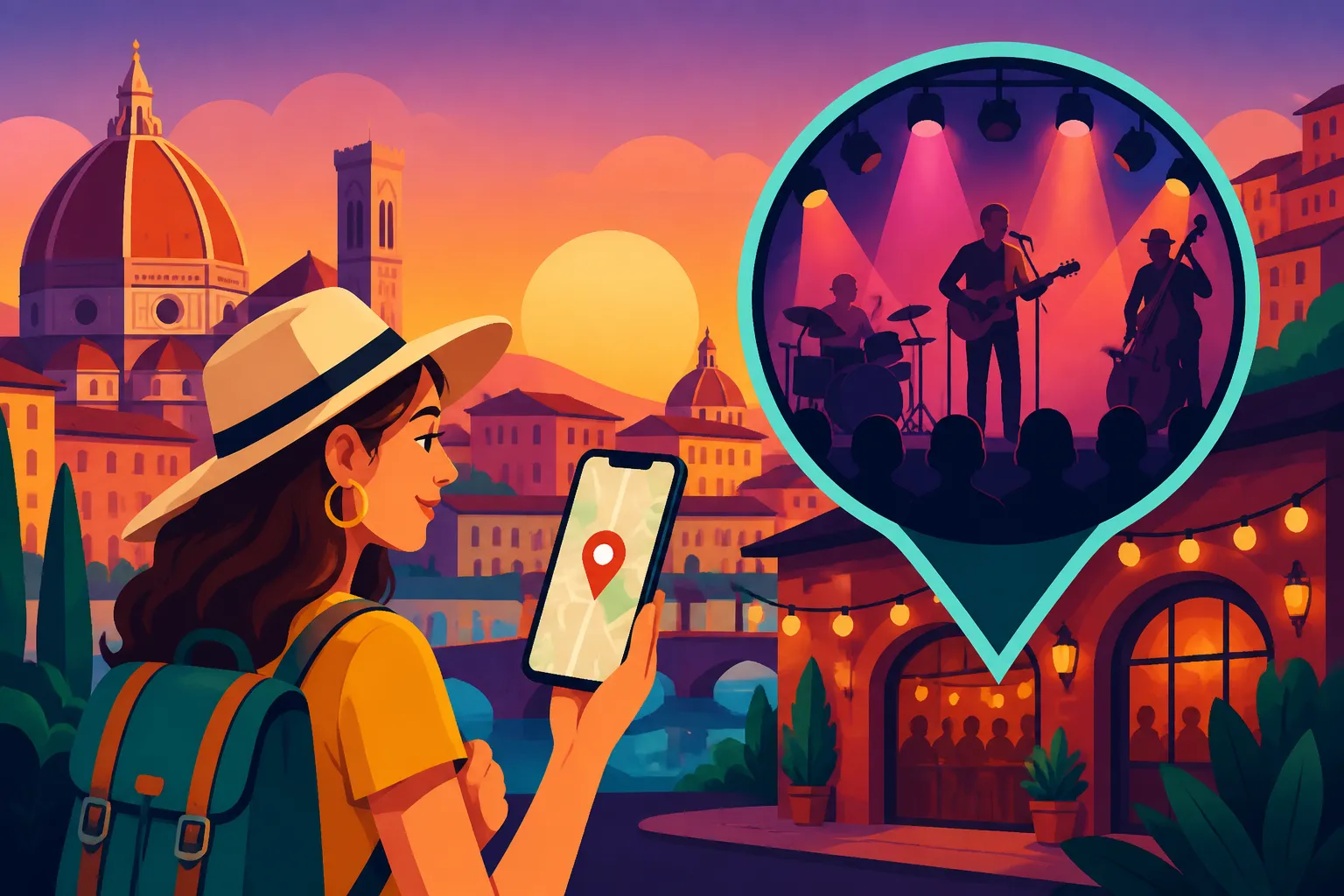
While Rome and Milan might dominate the larger concert scene, other Italian cities offer incredibly rich and distinctive live music experiences. Florence, for instance, despite its Renaissance charm, has a surprisingly robust jazz scene, with several cozy clubs providing a perfect backdrop for an evening. You’ll also find intimate venues hosting folk music and singer-songwriters, offering a more laid-back atmosphere than the big city gigs. When you're done with art galleries, you can unwind with some soulful tunes. Our Florence for First-Time Visitors: What to See and Skip guide can help you get oriented before you dive into the nightlife.
Bologna is truly a gem, a university city with a young, vibrant population that fuels a fantastic alternative and indie music scene. It has a long history with jazz and blues, and you'll find many venues that celebrate this heritage alongside a thriving contemporary sound. It's often referred to as Italy's "City of Music" by those in the know, thanks to its numerous live clubs and a strong emphasis on grassroots music. Beyond these, Naples offers a fascinating blend of traditional Neapolitan music and a growing jazz scene, while Turin has a reputation for rock and electronic music, often hosting niche festivals and concerts. Each region genuinely brings its own unique rhythm to the table.
Navigating the Digital Landscape: Online Tools and Resources
In the age of information, even in Italy, the internet is your most powerful ally in tracking down live music. It just requires knowing where to look and a little patience.
Dedicated Music and Event Websites
For the bigger cities, specialized event listing websites are incredibly helpful. Sites like Zero.eu (for Rome, Milan, Florence, Bologna, Turin, Naples, Genoa, and more) are a goldmine. They list concerts, club nights, cultural events, and often provide descriptions in Italian. While challenging with a language barrier, Google Translate can work wonders here. Look for sections like "Musica Live" or "Concerti." These platforms usually categorize by genre, date, and sometimes even by neighborhood.
Beyond Zero.eu, many cities have their own local event portals or cultural listings managed by the municipality or local magazines. A simple Google search for "eventi musicali live [city name]" (live music events [city name]) or "concerti [city name] stasera/questa settimana" (concerts [city name] tonight/this week) can yield some surprisingly good results. Don't forget to check aggregated event sites like Eventi.it or even the event sections of major Italian newspapers if you're looking for larger, more mainstream concerts.
Social Media and Local Groups
Social media, particularly Facebook and Instagram, are indispensable for discovering local gigs. Most venues, no matter how small, will have a presence on at least one of these platforms. Follow accounts of local clubs, bars known for live music, and even local music blogs or promoters. Many bands also promote their own shows directly. Crucially, look for expat Facebook groups in your city. These groups are often filled with people asking "What's happening tonight?" or "Any good live music recommendations?", and you'll find a wealth of shared knowledge.
Beyond expat groups, search for local music-specific groups. For example, "Jazz Roma" or "Indie Milan" might lead you to communities where people discuss upcoming shows. Instagram is great for visually discovering venues and seeing snippets of past performances, giving you a feel for the vibe. The informal, real-time nature of these platforms means you can often catch last-minute announcements or hidden events that might not make it to official listing sites.
Ticketing Platforms and Venue Websites
Once you have an idea of who's playing and where, the next step is often securing tickets. For larger concerts and international acts, major ticketing platforms like TicketOne are the go-to. You'll also find some international platforms like Dice.fm making inroads in major cities. Always check the official website of the venue directly, as they often link to their preferred ticketing partner or sell tickets themselves. Some smaller venues, especially clubs featuring local bands, might only sell tickets at the door, or perhaps through a less common, local ticketing service.
Always check whether a show is prevendita (presale) or alla porta (at the door). Sometimes, a small door charge is just a way to contribute to the band or cover the venue's costs. If you're using a platform like GetYourGuide for general city tours, sometimes they also have listings for specific concerts or cultural performances, though these tend to be more tourist-oriented shows rather than local rock gigs. Be prepared to navigate Italian-only ticketing sites; patience and a good browser translator will be your friends!
The Old-School Approach: Tapping into Local Knowledge
While the internet is helpful, there's still an undeniable charm and effectiveness to the old-fashioned way of finding things out in Italy: by asking around and keeping your eyes open.
Local Bars, Cafes, and Record Stores
One of the best ways to find truly local, authentic live music is to simply keep your eyes peeled. Walk around neighborhoods known for nightlife or student populations. Many smaller bars, cafes, and even independent record stores (which are still a thing here!) will have flyers, posters, or small chalkboards announcing upcoming gigs. These are often for local bands or more niche genres that won't appear on major event sites.
Don't be shy about striking up a conversation with the bartender or owner – they're often passionate about their local scene and happy to share recommendations, even if it's in broken English or through gestures. You might be surprised by the quality of music you stumble upon by pure serendipity. This method is all about immersion and embracing the local pace, rather than relying on an algorithm to tell you what's on.
Expat Communities and Fellow Travelers
Never underestimate the power of your fellow foreigners! Expat communities in Italy are usually very active and keen to share information, especially about cultural events. Joining local expat groups on Facebook or attending expat meetups (you can often find these through platforms like Meetup.com) is a fantastic way to get direct, personal recommendations. Someone might have just come back from an amazing jazz night or heard about a cool rock concert.
Even if you're just visiting, chat with staff at your accommodation. The receptionists or owners of boutique hotels and B&Bs, particularly those listed on platforms like Booking.com, often have excellent local knowledge and can point you to smaller, less touristy spots for live music. They live and breathe the city, after all! Fellow travelers in hostels or even in line for attractions can also be a great source of "what's good" information, especially if they’ve been in town for a few days and done some exploring. This human connection is often the fastest and most reliable way to find truly hidden gems.
Practical Tips for Enjoying Live Music in Italy
You've found a gig, now what? A few practical considerations will ensure your night out is enjoyable and smooth.
Understanding Italian Venue Culture
Italian venues can have slightly different norms than what you might be used to. Firstly, don't expect shows to start on time. "Italian time" is real, and a concert advertised for 9:00 PM might not kick off until closer to 10:00 PM or even later, especially for smaller acts. It’s part of the relaxed pace of life here. Cover charges (often called ingresso or contributo artistico) are common, especially in jazz clubs or smaller venues, and sometimes this fee includes a first drink (consumazione inclusa).
The vibe can also vary wildly. Some places are dedicated listening rooms, while others are more like a bar with a band playing in the background – where conversation and socializing are just as important as the music. Don't be surprised if people are chatting loudly during a set; it's not always considered rude in a casual setting. Smoking indoors is strictly prohibited across Italy, so you'll often see groups gathered outside the entrance during breaks. Remember, when exploring Nightlife in Italy: Cities That Stay Up Late, understanding these subtle cultural differences can enhance your experience.
Buying Tickets and Getting There
For popular acts, pre-booking tickets online is always a good idea to avoid disappointment, especially for bigger cities like Rome and Milan. However, for smaller venues, walking up and buying a ticket at the door is often the norm. Always double-check the venue's policy. When it comes to getting there, public transportation is generally excellent in Italian cities. Look into metro, bus, or tram routes that serve the venue's area. Just remember that public transport services usually wind down around midnight or 1 AM, so plan your return journey accordingly. You can use apps like Omio to help plan train or bus routes within cities or between them if you're traveling for a show. If you're out late, taxis or ride-sharing apps (where available, as Uber's presence is limited in many Italian cities) are your best bet.
Language Barrier Hacks
Don't let the language barrier deter you! Most venues in larger cities will have at least one staff member who speaks some English, especially if they host international acts or attract tourists. For smaller, more local spots, a translation app on your phone can be invaluable for understanding event descriptions or communicating simple questions. Learning a few basic Italian phrases like "Quanto costa?" (How much does it cost?), "A che ora inizia?" (What time does it start?), and "Un biglietto, per favore" (One ticket, please) will go a long way. Check out our guide on Italian Language and Everyday Communication for Visitors for more useful phrases. Italians generally appreciate the effort, even if your Italian isn't perfect.
Table: A Snapshot of Italian Live Music Cities & Key Genres
To give you a quick overview, here's a table summarizing some of Italy's best cities for live music:
| City | Key Genres | Vibe | Best For |
|---|---|---|---|
| Rome | Jazz, Rock, Indie, Electronic | Diverse, historic, intimate | Authentic local scenes, unexpected discoveries |
| Milan | Electronic, Indie, Pop, International Acts | Modern, energetic, trendsetting | Big concerts, club nights, avant-garde sounds |
| Bologna | Indie, Alternative, Jazz, Singer-Songwriter | Youthful, cultural, grassroots | Discovery of emerging artists, laid-back atmosphere |
| Florence | Jazz, Folk, Classical, Cover Bands | Cozy, artistic, relaxed | Smaller, intimate performances, sophisticated evenings |
| Naples | Jazz, Traditional Neapolitan, World Music | Vibrant, passionate, soulful | Unique regional sounds, strong jazz community |
| Turin | Rock, Electronic, Indie, Alternative | Industrial chic, innovative, edgy | Niche festivals, strong local band scene |
Disclaimer
Please note that while every effort has been made to provide accurate and up-to-date information, local event schedules, venue details, and regulations can change rapidly. It is always advisable to verify specific information directly with venues or event organizers before making plans. This guide is for informational purposes only and does not constitute official advice.