How to Shop at an Italian Outdoor Market
Oh, the Italian outdoor market! It’s one of those quintessential experiences that every expat and tourist dreams of – the vibrant colors, the intoxicating smells of fresh produce and roasted meats, the lively chatter of vendors and shoppers. But let’s be real, stepping into one for the first time can feel like diving into the deep end of a chaotic, beautiful ocean. You want to soak it all in, find those incredible deals or unique treasures, and maybe even practice a little Italian, but you also want to avoid feeling lost, ripped off, or like you’re doing something wrong. This guide is here to walk you through the glorious, sometimes bewildering, world of Italian outdoor markets, arming you with the know-how to shop like a seasoned local and truly savor every moment.
Disclosure: This post may contain affiliate links. We may earn a commission at no extra cost to you if you make a purchase through these links. Read full disclosure.
The Allure and Reality of Italian Outdoor Markets
There’s a magic to Italian markets that simply doesn’t exist in your average supermarket. They are living, breathing entities, deeply ingrained in the fabric of daily life here. But understanding that magic, and how to navigate it, is key to turning a potentially overwhelming experience into an absolutely delightful one.
More Than Just Shopping: A Cultural Experience
When I first moved here, I made the mistake of thinking the market was just a place to buy groceries. Boy, was I wrong! It’s a sensory explosion. Imagine walking into Florence’s Mercato di Sant'Ambrogio, or Rome’s Campo de’ Fiori in full swing. The air is thick with the scent of basil, ripe tomatoes, and freshly baked bread, mingling with the aroma of roasting chestnuts in autumn. Vendors shout out their wares, their voices a melodic cacophony, while locals animatedly discuss the quality of a zucchini or the price of a kilo of peaches.
It’s a place where generations gather, where traditions are upheld, and where you can witness the genuine rhythm of Italian daily life. You'll see grandmothers meticulously inspecting every single artichoke, young couples choosing flowers, and friends stopping for a quick espresso and a chat. It's not just about the transaction; it’s about connection, community, and the sheer joy of food and life. For many Italians, a trip to the market is a social event, a chance to catch up, exchange gossip, and reinforce bonds, all while stocking up on the week's essentials. It’s loud, it’s bustling, and it’s gloriously Italian.
Types of Markets You'll Encounter
Italy boasts a wonderful variety of outdoor markets, each with its own character and specialties. Knowing what kind of market you’re walking into will help set your expectations and guide your shopping strategy.
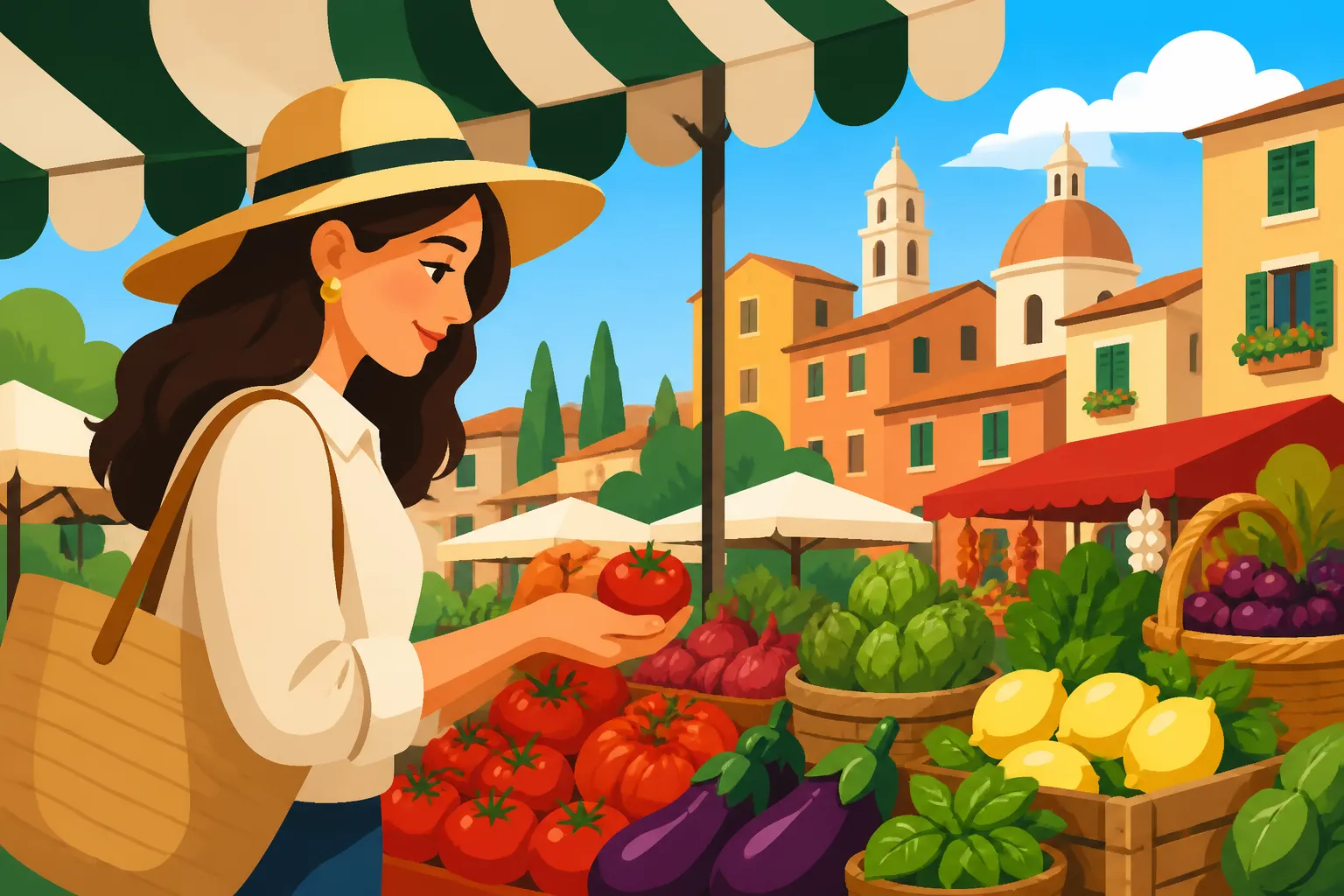
First, you have the mercato alimentare or food market. These are the most common and arguably the most vital. You'll find stalls piled high with seasonal fruits and vegetables, fresh cheeses, cured meats, olives, and often fresh fish and baked goods. These markets are a feast for the eyes and the palate, offering produce that is often fresher and more affordable than what you’d find in a supermarket. The quality difference is often palpable; you can taste the sun in a tomato bought from a local grower.
Then there are the mercato rionale or neighborhood markets, which are a mix of food and general household items. You might find a produce stall next to one selling clothing, shoes, or kitchen gadgets. These are the workhorse markets, catering to the everyday needs of local residents. They are fantastic for finding practical items at reasonable prices.
For those with an eye for unique finds, the mercato delle pulci (flea market) and mercato antiquario (antique market) are absolute treasures. These can range from small, weekly affairs to grand, monthly events like the Mercato dell’Antiquariato in Arezzo. Here, you can unearth anything from vintage clothing and antique furniture to quirky collectibles and second-hand books. It requires patience and a good eye, but the reward of finding a truly special, one-of-a-kind souvenir or home decor item is immense. Remember, the charm often lies in the hunt itself. If you're planning a trip around specific markets, remember that services like Booking.com can help you find accommodation that puts you right in the heart of the action, minimizing travel time and maximizing market exploration.
Lastly, there are seasonal and specialized markets. Think Christmas markets, craft markets, or even those focusing on a particular product like truffles or ceramics. These are often event-driven and offer unique artisanal goods or seasonal delights.
Navigating the Market Like a Local
Walking into a buzzing Italian market can feel like stepping onto a stage where everyone knows the lines but you. But don't worry, with a few pointers, you'll blend right in and enjoy the show.
Timing is Everything
Just like arriving at a party, your market experience will largely depend on when you show up. If you're after the absolute freshest produce, especially if you're planning on cooking something special, get there early. Most markets open around 7 or 8 AM. This is when the stalls are perfectly arranged, the variety is at its peak, and the most discerning locals are doing their shopping. You'll find the best selection of fruits, vegetables, and particularly fish if you're an early bird.
However, if you're a bargain hunter, especially in the non-food sections or at the tail end of a food market, consider arriving a bit later, perhaps an hour or two before closing. Vendors might be more inclined to offer discounts on remaining produce or goods they don't want to pack up. Just be aware that selection might be limited, and the freshest items will likely be long gone. Weekday markets are generally less crowded than weekend ones, especially in popular tourist areas. Always check local listings or ask around for the specific market hours in the town you're visiting. Sometimes markets only run on certain days of the week, so a quick search online for "mercato [city name] [day of week]" will usually yield results.
The Art of Observation and Interaction
One of the best pieces of advice I ever got was "watch the nonnas." Italian grandmothers are market masters. Observe how they interact with vendors, how they inspect produce (often without touching it directly, which is a big no-no unless explicitly invited to do so!), and what questions they ask. This kind of nuanced behavior can be invaluable.
While many vendors in tourist-heavy areas might speak a little English, trying a few basic Italian phrases goes a long, long way. A simple “Buongiorno!” (Good morning!) or “Vorrei un chilo di pomodori, per favore” (I would like a kilo of tomatoes, please) shows respect and often results in a warmer interaction. Don't be shy! Most Italians appreciate the effort, even if your pronunciation is a bit wobbly. For useful phrases, check out our guide on Survival Italian for Travelers: Key Phrases to Learn First.
Ask “È di stagione?” (Is it in season?) or “È locale?” (Is it local?) to show you're an informed buyer. Don't be afraid to ask for a taste of cheese or olives – “Posso assaggiare?” (May I taste?). Most vendors are proud of their products and happy to oblige. Building a little rapport can make your experience so much more authentic and enjoyable.
What to Bring and How to Carry Your Haul
Preparation is key for a successful market trip. First and foremost, bring cash. While some larger or more modern stalls might accept card payments, many smaller, traditional vendors operate solely on cash. Small denominations are best (€5, €10, €20 notes), as breaking a €50 note for a €3 purchase can be an annoyance for the vendor and might even lead to them refusing the sale if they don't have change.
Secondly, bring your own reusable shopping bags. Italians are quite eco-conscious when it comes to markets, and while plastic bags might still be offered at some stalls (often for a small fee), a sturdy canvas bag or a traditional borsa della spesa (shopping basket) is far more practical and sustainable. You’ll be carrying a lot, potentially heavy items, so make sure your bags can handle the weight!
Comfortable shoes are a must. You'll be doing a lot of walking, standing, and weaving through crowds. Leave the fancy sandals at home. Dress in layers, as market environments can vary in temperature depending on the season and whether it's covered or open-air.
Finally, be mindful of your belongings. Markets, like any crowded place, can be a magnet for pickpockets. Keep your wallet in a front pocket or a cross-body bag that's secure against your body. Avoid flashing large amounts of cash. Our guide on Staying Safe in Italy: Common-Sense Tips for Travelers offers more detailed advice on protecting your valuables.
Essential Tips for Smart Market Shopping
Shopping at an Italian market isn't just about buying; it's about making informed choices, appreciating local produce, and knowing where to find the real gems.
Food Markets: Picking the Freshest Produce and Delicacies
At a mercato alimentare, the golden rule is: look for what’s in season. Italians are incredibly particular about eating seasonally, and the produce will be at its peak flavor and lowest price when it’s abundant. Don't expect to find perfect strawberries in winter or artichokes in summer. If you're unsure, just ask “Cosa c’è di stagione?” (What's in season?). This question alone will earn you points for showing an interest in local customs.
When it comes to fruit and vegetables, refrain from handling them unnecessarily. Point to what you want, and the vendor will select and bag it for you. This is a sign of respect for their careful display and for the produce itself. If you're looking for unique ingredients, consider checking out our insights on Italian Regional Cuisine: How Food Changes Across Italy to inspire your market list.
For cheeses and cured meats, don’t hesitate to ask for a small sample (un assaggio). This is common practice, and it’s how you discover your new favorite pecorino or prosciutto. Vendors are usually happy to slice a tiny piece for you to try. These specialized stalls are often family-run, and their knowledge of the products is immense. Listen to their recommendations! When buying fish, look for clear eyes, bright red gills, and firm flesh—these are all signs of freshness.
Non-Food Markets: Hunting for Bargains and Treasures
Beyond food, Italian markets offer an array of non-edible delights. At general goods markets, you'll find everything from inexpensive clothing and accessories to household items. While you might stumble upon a surprising bargain, generally, the quality of clothing and shoes here is reflective of the low price. Expect fast fashion rather than durable goods. Always inspect items carefully before purchasing.
Flea markets and antique markets are where the real treasure hunt begins. In places like Porta Portese in Rome or the various antique markets that pop up in different cities, you can find genuine antiques, vintage clothes, old books, and charming bric-a-brac. The key here is patience. You'll need to sift through a lot of items, and don't be afraid to dig a little. For serious antique hunters, a guide or a deeper dive into how to find specific types of items might be beneficial. Our guide on Where to Shop for Used Furniture in Italy might offer some overlap for larger antique finds.
Unlike food markets where prices are usually fixed, there might be a small margin for polite negotiation at flea and general goods markets, especially if you're buying multiple items or towards the end of the day. A gentle “Mi fai uno sconto?” (Can you give me a discount?) or “C’è l’ultimo prezzo?” (Is that the final price?) might work, but don't push it too hard. A friendly smile and a pleasant demeanor will always serve you better than aggressive haggling.
Payment and Pricing Nuances
As mentioned, cash is king at Italian markets. Always try to pay with smaller bills to make life easier for the vendor. Some modern stalls, particularly in larger city markets, may have card readers, but it's never a guarantee. Don't rely solely on cards; you'll likely leave frustrated and empty-handed if you do.
Understanding pricing is straightforward once you know the basics. Most produce is priced al chilo (per kilo). You’ll see the price per kg displayed. If you want a smaller quantity, say half a kilo, you can ask for “mezzo chilo” (half a kilo). For individual items like a single artichoke or a bunch of flowers, it's usually al pezzo (per piece) or al mazzo (per bunch). For items like cheese or cured meats, you might specify a certain monetary value, e.g., “Vorrei due euro di prosciutto, per favore” (I'd like two euros worth of ham, please). The vendor will then cut and weigh roughly that amount for you.
You'll generally find that prices are fixed, especially for food. While a small negotiation might be possible for non-food items, don't expect to haggle over the price of a kilo of apples. It's simply not done and can be considered rude. Just pay the stated price, knowing you're likely getting a good deal on fresh, local goods anyway.
Common Pitfalls and How to Avoid Them
Even with the best intentions, it's easy to fall into certain traps or misunderstandings at an Italian market. Being aware of these can save you a lot of hassle.
Tourist Traps and Overpriced Wares
Unfortunately, where there are tourists, there are sometimes vendors looking to capitalize on them. In highly visited areas, you might encounter stalls selling generic souvenirs, mass-produced "Made in Italy" items that aren't truly local, or even produce that's been marked up significantly. A quick tip: if a stall looks identical to three others you just passed, or if the goods seem too polished and aimed squarely at the tourist market (think miniature Colosseums or leaning tower replicas), it’s probably not where you’ll find authentic local treasures or the best value.
How to spot them? Look for stalls bustling with locals. They know where the good stuff is. Genuine local markets have an organic, somewhat haphazard feel, not a perfectly curated gift shop vibe. Prices that seem exorbitant for simple produce should also raise a red flag. Do a quick comparison: if the tomatoes at one stall are double the price of the ones just a few meters away, there might be a reason (or not, and it’s just a tourist markup).
Instead, seek out the smaller, less flashy stalls. These are often run by families who have been farming or crafting for generations and are genuinely proud of their produce. If you are ever unsure, remember you can always turn to resources like GetYourGuide which offers guided market tours where local experts can show you the ropes and point you to the most authentic vendors.
Language Barriers and Misunderstandings
Even if you've brushed up on your basic Italian, misunderstandings can happen. The sheer speed of spoken Italian, combined with regional accents and dialects, can sometimes leave you feeling lost. Don't let it deter you!
Patience is your best friend. If you don’t understand something, politely ask “Puoi ripetere, per favore?” (Can you repeat, please?) or “Più lentamente, per favore” (More slowly, please). A smile and a gesture often go a long way. Have a translation app handy on your phone, but try to use it sparingly, focusing on key words rather than full sentences. Most vendors are genuinely kind and will try to help you if they see you're making an effort. Remember, it’s part of the adventure of being in a foreign country. Trying to bridge the language gap is a fun challenge, and often leads to memorable interactions, even if they end in a bit of comical confusion.
Safety and Security
As with any crowded public space, markets can attract pickpockets. Your focus is often on the vibrant displays and the interaction with the vendor, making you a prime target if you're not careful. This isn't unique to Italy, but it's always worth a reminder.
Keep your purse or backpack closed and held securely in front of you. Wallets should be in a front pocket, never a back one. Avoid wearing expensive jewelry or flashing large amounts of cash. Be aware of your surroundings, especially when someone bumps into you or tries to distract you – this is a common tactic. If you're carrying many bags, keep them close.
It's also a good idea to know where the nearest police station or market office is, just in case. Most Italian cities have excellent public transport, and navigating to and from markets can be done safely. For details on how to use public transport in cities, you might want to read our guide on Getting Around Italian Cities: Metro, Tram, and Buses, which also indirectly helps with knowing your routes to market areas.
Market Cheat Sheet: Types, Focus, & Etiquette
| Market Type | Primary Focus | Typical Items | Best Time to Go | Haggling Potential | Key Etiquette Tips |
|---|---|---|---|---|---|
| Mercato Alimentare | Fresh, seasonal food & local delicacies | Fruits, vegetables, cheese, cured meats, bread, fish | Early morning | None | Don't touch produce; use basic Italian phrases; ask for samples; prioritize seasonal items. |
| Mercato Rionale | Everyday goods, mixed food & non-food | Produce, clothing, shoes, household items, small gadgets | Mid-morning | Low (for non-food) | Similar to food markets for produce; inspect non-food items carefully; polite inquiries for small discounts on multiple non-food items. |
| Mercato delle Pulci | Second-hand goods, vintage finds | Used clothing, furniture, records, books, bric-a-brac | Early, or late for deals | Moderate | Be prepared to rummage; inspect items thoroughly; polite negotiation is often accepted, especially if buying several items or towards closing. |
| Mercato Antiquario | Antiques, collectibles, artisan crafts | Antique furniture, art, vintage jewelry, coins, unique crafts | Early, or all day | Moderate | Requires a keen eye and patience; research prices if possible; polite negotiation for better deals is common. |
| Specialized/Seasonal | Specific seasonal products or craft items | Christmas items, truffles, local crafts, flowers | Varies by event | Low (fixed prices) | Enjoy the unique atmosphere and specialized goods; prices are usually fixed due to the unique nature of items; ask about the origin of crafts or food. |
No matter which type of market you visit, the key is to approach it with an open mind, a sense of adventure, and a good dose of patience. Italian outdoor markets are an experience, a window into the soul of local culture, and with these tips, you're ready to dive in and savor every moment. And if you're ever looking to travel between cities to explore different regional markets, services like Omio can simplify your train and bus bookings, making your market adventures across Italy a breeze. Happy shopping!
Disclaimer
The information provided in this guide is for general informational purposes only and does not constitute professional advice. While we strive to offer accurate and up-to-date content, market customs, regulations, and prices can vary greatly by region and time. Always exercise common sense, verify details locally, and be aware of your surroundings. We are not responsible for any issues or inconveniences that may arise from using this information.