How to Find Local Artisan Products in Italy
One of the biggest joys of living in Italy, and certainly for visitors, is discovering those truly special, handmade items that tell a story. But let's be honest, it's incredibly frustrating when you're excitedly looking for a unique souvenir, only to find rows of identical, mass-produced trinkets that could have come from anywhere. This guide is here to cut through the noise, helping you navigate past the tourist traps and connect directly with the talented artisans who keep Italy's rich crafting traditions alive.
Disclosure: This post may contain affiliate links. We may earn a commission at no extra cost to you if you make a purchase through these links. Read full disclosure.
Why Seek Out Authentic Artisan Products in Italy?
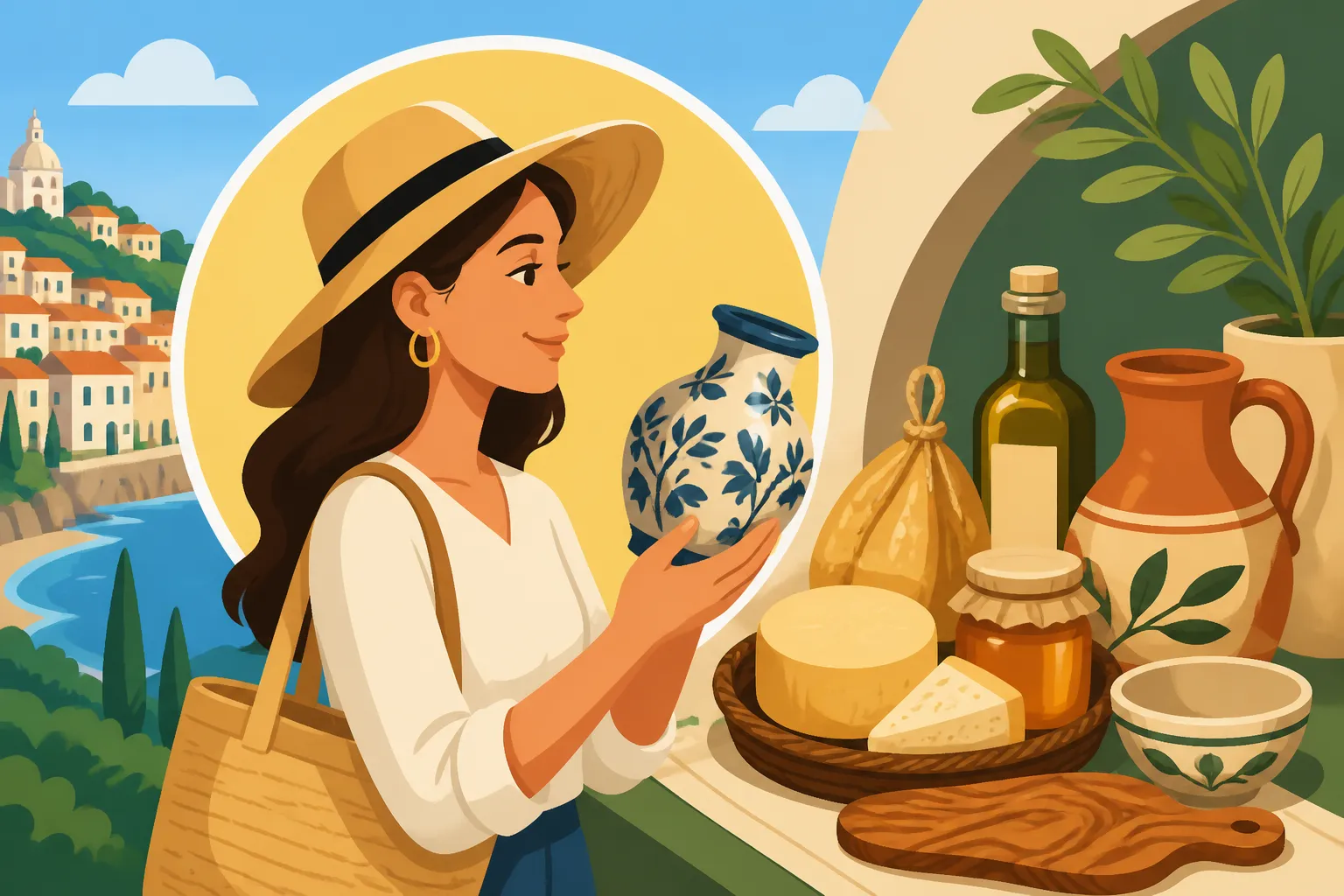
When you travel, there's always the temptation to grab something quick and easy from the nearest souvenir shop. But in Italy, that often means missing out on something far more meaningful. There's a profound difference between a cheap ceramic bowl with a "Florence" sticker and a piece lovingly hand-painted in a tiny bottega in Tuscany.
Beyond the Souvenir Shop: True Craftsmanship
Think about it: the brightly colored magnet might remind you of Italy for a moment, but a hand-stitched leather journal, or a delicate piece of Venetian glass, truly embodies the artistry and history of the place. These aren't just objects; they're the result of generations of knowledge, meticulous skill, and often, days or weeks of dedicated work. Mass-produced items, while sometimes charming, lack this soul. They're often made with cheaper materials, quickly assembled, and designed for rapid consumption. True artisan pieces, on the other hand, are an investment in quality and heritage, designed to last and to evoke a deeper connection to your experience here. You're not just buying a thing; you're buying a piece of someone's passion and legacy.
Supporting Local Economy and Tradition
When you choose to buy from an Italian artisan, you're doing so much more than just a transaction. You're directly supporting a family, often one that has practiced their craft for generations. Many of these traditional skills are at risk of disappearing in the face of globalized manufacturing. By purchasing directly from a maestro artigiano (master artisan), you contribute to the continuity of their trade, helping them keep their workshops open, pass on their skills to apprentices, and sustain local communities. It's a tangible way to engage with and preserve Italy's incredible cultural fabric, rather than just observing it from a distance. These small businesses are the lifeblood of countless Italian towns and villages, and your purchase makes a real difference in their ability to thrive.
The Story Behind the Object: Lasting Memories
An authentic artisan piece comes with a story. It might be the story of the artisan themselves – their passion, their family history, the techniques they employ. It might be the story of the region, the local materials, or the specific cultural context that inspired the design. Imagine returning home with a hand-painted ceramic plate and being able to tell friends about the workshop in Deruta where you met the artist, saw them at work, and chose your unique piece. This transforms a simple purchase into a vivid, lasting memory, deepening your travel experience long after you've unpacked your bags. These aren't just items; they're conversational pieces, each imbued with a personal narrative that mass-produced goods simply cannot offer.
Where to Find True Artisan Gems
Finding these treasures requires a little effort and a willingness to explore beyond the main tourist drag, but trust me, it's an adventure in itself and incredibly rewarding.
The Small Workshop (Bottega Artigiana)
This is the holy grail for finding authentic artisan products. A bottega artigiana is typically a small workshop, often tucked away on a side street, distinguishable by its specialized tools, the smell of materials like leather or wood, and the presence of the artisan themselves working on their craft. Look for signs that say "laboratorio artigiano" or simply the artisan's name, sometimes with a descriptor of their craft (e.g., "Pelleteria Artigiana" for leather goods).
Often, these places don't have aggressive sales tactics. The artisan might be busy at their bench, and you'll need to approach them with respect and genuine interest. Don't be afraid to poke your head in, admire their work, and ask if they have items for sale. Even if your Italian isn't perfect, a smile and a "Buongiorno, posso guardare?" (Good morning, may I look?) will go a long way. This direct interaction is invaluable. You can see the process, understand the effort involved, and often get a personalized piece or even a small demonstration. If you're looking to delve deeper into local culture and history, learning some basic Italian phrases for everyday communication for visitors will certainly enhance these interactions.
Local Markets and Fairs
Italy excels at markets, and while many are for food, you'll find fantastic artisan markets if you know where to look.
- Weekly Markets: Smaller towns often have a weekly market day (e.g., Tuesday market in Cortona, Saturday market in Lucca) where local artisans might set up stalls alongside food and clothing vendors. These are great for finding unique jewelry, textiles, or small decorative items.
- Specialized Artisan Fairs (Fiera dell'Artigianato): Keep an eye out for these. Major cities like Florence (especially around Ponte Vecchio and the Oltrarno district), Milan, and Rome host larger artisan fairs, particularly during holiday seasons (Christmas markets) or specific cultural events. These fairs bring together artisans from various regions, offering a broader selection of crafts, from ceramics to handmade instruments. For instance, the Fiera dell'Artigianato in Milan, held annually, is a massive event showcasing artisans from all over Italy and beyond.
- Antique/Flea Markets: Cities like Florence and Rome also have excellent antique and flea markets (like the one at Porta Portese in Rome on Sundays) where you can sometimes unearth unique vintage artisan pieces or smaller, less formal craft stalls.
To discover these events, check local tourism office websites, ask at your accommodation, or simply keep an eye out for posters (locandine) in town squares. Planning your trip around these can make for an enriching experience, and you can easily find places to stay through a service like Booking.com.
Dedicated Artisan Districts and Towns
Certain towns and regions are world-renowned for specific crafts, having cultivated these traditions for centuries. Making a day trip or even staying overnight in these places guarantees a deeper dive into their artisan heritage. You can often plan these trips easily using services like Omio for train and bus tickets, or by opting for a rental car if you prefer the freedom to explore at your own pace. If you choose to rent a car, just remember to be mindful of those tricky ZTL zones, as discussed in "Renting a Car in Italy: ZTLs, Insurance, and Driving Tips."
- Florence (Tuscany): The Oltrarno district is famous for its leather workshops, gold jewelry, traditional bookbinding, and mosaic studios. Walk down Via de' Serragli, Via Santo Spirito, or Via Romana to find authentic pelletterie (leather goods shops) and other artisan workshops.
- Murano & Burano (Veneto): Just a short boat ride from Venice, Murano is synonymous with exquisite glassmaking, from delicate sculptures to intricate chandeliers. Burano is famous for its vibrant colored houses and the painstaking art of lacemaking. Consider booking a guided tour through platforms like GetYourGuide that might include visits to working factories or artisan demonstrations.
- Deruta & Faenza (Umbria & Emilia-Romagna): These towns are bastions of vibrant Italian ceramics. Deruta, in particular, is bursting with ceramic studios where you can see artists hand-painting majolica wares. Faenza even hosts an international ceramics museum.
- Vietri sul Mare (Campania): On the Amalfi Coast, Vietri sul Mare is another renowned center for colorful, hand-painted ceramics, often featuring marine motifs and vibrant Mediterranean colors.
- Como (Lombardy): Known for its luxurious silk production. While many factories are not open to the public, you can find boutiques selling high-quality silk scarves, ties, and fabrics.
- Val Gardena (Trentino-Alto Adige): This Alpine valley is famous for its intricate wood carvings, often religious figures, but also whimsical animals and decorative pieces.
Exploring these specific locations ensures you're directly engaging with the heart of Italy's artisan traditions.
Online Marketplaces (with a Caveat)
While the best way to experience and appreciate artisan products is in person, sometimes that's not possible. A few online platforms do offer curated selections of authentic Italian artisan goods. However, proceed with caution. The internet makes it easy for sellers to claim authenticity, so always look for detailed descriptions, information about the artisan, and customer reviews. Some artisan associations or regional craft boards also have online directories or small e-commerce sections. Always prioritize direct purchases where possible, as the in-person experience is truly unmatched.
How to Identify and Purchase Authentic Italian Craftsmanship
Navigating the world of Italian artisan products means developing a keen eye and understanding what sets true craftsmanship apart from mass-produced imitations. It's about being an informed shopper, not just a casual browser.
Signs of Authenticity
When you step into a bottega, what should you look for?
- Handmade Irregularities: Perfection is often a sign of a machine. Authentic handmade items will have slight variations – a brushstroke that's not perfectly uniform, a subtly uneven stitch, a slight variance in size or shape that indicates human touch. These aren't flaws; they are hallmarks of individuality and proof of genuine craftsmanship.
- Quality of Materials: Artisans typically work with high-quality, often locally sourced, raw materials. For leather, look for full-grain leather, which will smell rich and develop a beautiful patina over time. For ceramics, observe the glaze and the weight – cheap ceramics often feel light and brittle. Don't hesitate to ask about the materials used. A genuine artisan will be proud to tell you.
- Artisan's Signature or Mark: Many artisans, especially those working in ceramics, glass, or jewelry, will sign or stamp their work. This mark is their guarantee of authenticity and quality, often a family signature passed down through generations.
- "Made in Italy" Nuances: The "Made in Italy" label can be tricky. While it's a good start, some products might be assembled in Italy from foreign components. For true artisan goods, the entire process, from design to finishing, should ideally be done in Italy, using Italian materials. Don't be afraid to ask for clarity. "Fatto a mano" (handmade) is a strong indicator.
Asking the Right Questions
Even if your Italian is rudimentary, engaging with the artisan is crucial.
- "Come l'ha fatto?" (How did you make it?): This opens the door for them to explain their process.
- "Quali materiali usa?" (Which materials do you use?): Shows your interest in the quality.
- "Da quanto tempo fa questo lavoro?" (How long have you been doing this work?): A respectful question about their experience.
- "Ha altri colori/modelli?" (Do you have other colors/models?): Shows genuine interest in their range.
Many artisans who cater to tourists will have at least some English, or they'll appreciate your effort and use gestures. This interaction also allows you to gauge their passion and dedication. The conversation becomes part of the product's story, a memory you carry with it.
Bargaining and Pricing
Unlike some cultures where bargaining is expected, with genuine artisan products in Italy, prices are generally fixed. These are not factory goods, and the price reflects the time, skill, and unique materials involved. Expect to pay a fair price for quality craftsmanship. However, if you're buying multiple items, or paying in cash, a polite "C'è uno sconto per contanti?" (Is there a cash discount?) might occasionally result in a small reduction. Don't push it, though; it’s not a bazaar.
Shipping and Transporting Goods
If you fall in love with a large ceramic vase or a delicate glass sculpture, transporting it can be a concern.
- Ask the Artisan about Shipping: Many established artisans have experience shipping internationally. They can professionally pack and arrange shipping, often with insurance, though this will add to the cost. Get a clear quote including customs duties if applicable to your home country.
- Hand Carry if Possible: For smaller, fragile items, consider carrying them in your hand luggage, carefully wrapped.
- Specialized Packing: For purchases from markets or smaller workshops that don't offer shipping, you might need to find a local post office (Poste Italiane) or a shipping service (e.g., Mail Boxes Etc.) that can provide sturdy boxes and packing materials. Remember to factor in these extra steps when making your decision.
Specific Types of Italian Artisan Products to Look For
Italy's regions each boast unique crafting traditions, often tied to local resources and historical influences. Knowing what to look for can guide your explorations.
Ceramics and Pottery
Italian ceramics are famous worldwide for their vibrant colors and intricate designs.
- Deruta (Umbria): Known for its majolica ware, often featuring Renaissance-inspired motifs, detailed floral patterns, and bright blues and yellows. Each piece is hand-painted, making every plate, bowl, and tile unique.
- Vietri sul Mare (Campania): Characterized by bold, Mediterranean colors – think blues, greens, and yellows – often depicting fish, lemons, and local scenes. The town itself is adorned with colorful ceramic tiles, including on its church dome.
- Faenza (Emilia-Romagna): Gave its name to faience pottery, famous for its elegant white backgrounds with delicate blue or polychrome decorations.
When buying ceramics, look for a signature on the bottom, consistent (but not perfect) hand-painting, and a good weight that suggests quality clay and firing.
Leather Goods
Florence is undeniably the capital of Italian leather, but quality leather craftsmanship can be found across the country.
- Florence (Tuscany): Here, you'll find everything from expertly crafted bags, wallets, and belts to handmade shoes and exquisite leather-bound journals. The Scuola del Cuoio (Leather School) in Florence, located within the Santa Croce complex, is a fantastic place to see artisans at work and purchase high-quality goods.
- What to Look For: Genuine leather should feel supple, smell distinctly leathery, and have natural imperfections. Avoid anything that feels stiff, smells chemical, or has a plastic-like sheen. Artisans often specialize in different leather types or finishes, so ask about the tanning process (e.g., vegetable-tanned leather is a sign of quality).
Glassware
Venice, and specifically the island of Murano, has been the epicenter of exquisite glassmaking for centuries.
- Murano Glass (Veneto): From delicate blown-glass figures and ornate chandeliers to colorful beads and utilitarian drinkware, Murano glass is world-renowned. Look for the "Vetro Artistico Murano" trademark, which guarantees that the product was made on Murano by authentic glass masters.
- Venetian Beads: Also from Murano, these small, intricately crafted glass beads are used in jewelry and decorative items, showcasing incredible detail and vibrant colors.
- What to Look For: Authentic Murano glass often has subtle imperfections (tiny bubbles, slight variations in color or shape) that are signs of hand-making. Avoid anything that looks perfectly uniform or overly cheap. While it’s tempting to buy from street vendors in Venice, it’s best to purchase from established workshops on Murano or reputable shops in Venice that can provide authenticity certificates.
Textiles and Lace
Italy's textile traditions range from luxurious silks to delicate laces.
- Burano Lace (Veneto): The tiny island of Burano, known for its colorful houses, is also famous for its incredibly intricate, handmade lace. This is a dying art, and authentic pieces are very expensive due to the immense time and skill involved.
- Silks from Como (Lombardy): The region around Lake Como has a long history of silk production. You can find beautiful silk scarves, ties, and fabrics in local boutiques.
- Linen and Embroideries: Many regions also have local traditions of linen weaving and intricate embroidery, often found at regional markets.
Jewelry and Mosaics
- Florentine Gold and Silver: The Ponte Vecchio in Florence is famously lined with jewelry shops, many offering traditionally crafted gold and silver pieces, often incorporating local designs and gemstones.
- Micro-Mosaics (Rome & Florence): This intricate art form involves creating images using tiny pieces of glass or stone, resulting in miniature artworks, often seen in pendants, brooches, or small decorative panels.
- Coral Jewelry (Naples & Sicily): Particularly in the south, you'll find beautiful coral jewelry, though ensure it's ethically sourced and legal.
Woodwork and Carvings
- Val Gardena (Trentino-Alto Adige): This Alpine valley is renowned for its detailed wood carvings, often religious figures (nativity scenes, saints), but also beautifully crafted animals, toys, and decorative panels. The scent of pine and cedar often fills the workshops.
Artisan Food and Wine Products
While the focus here is on craft, Italy's culinary landscape is also rich with artisan products.
- Olive Oil: Seek out small-batch, extra virgin olive oil from local producers, especially in Tuscany, Umbria, or Puglia. Many farms offer tastings.
- Balsamic Vinegar: True Aceto Balsamico Tradizionale from Modena or Reggio Emilia is aged for many years and is intensely flavorful, a stark contrast to mass-produced varieties.
- Cured Meats and Cheeses: Every region, and often every town, has its own specialty salumi (cured meats) and formaggi (cheeses). Look for small salumerie or caseifici (cheese producers) at local markets.
- Liqueurs and Grappa: Artisanal limoncello from the Amalfi Coast, various regional digestivos, or high-quality grappa from the north are excellent choices.
These artisan food products are not just delicious; they are a direct expression of Italy's diverse terroir and culinary heritage.
Comparison: Mass-Produced vs. Artisan Products
To help you make an informed decision, here's a quick comparison of what you might encounter:
| Feature | Mass-Produced Souvenir | Authentic Artisan Product |
|---|---|---|
| Origin | Often anonymous, possibly imported, assembled in Italy | Made by hand, in a specific workshop, by a known artisan |
| Materials | Cheaper, synthetic, or lower-grade | High-quality, often local, natural |
| Appearance | Uniform, factory-perfect, identical items | Unique, slight irregularities, human touch is evident |
| Price Point | Lower, budget-friendly | Higher, reflects skill, time, and material cost |
| Durability | Often breaks or wears out quickly | Designed to last, becomes more beautiful with age |
| Story/Meaning | Generic "I was here" reminder | Personal narrative, cultural connection, supports tradition |
| Retail Spot | Tourist shops, large chain stores | Small bottega, local markets, artisan fairs |
| Interaction | Transactional, little direct engagement | Often direct conversation with the creator |
| Markings | "Made in Italy" label (sometimes ambiguous) | Artisan's signature, specific regional mark (e.g., VAM) |
Ultimately, finding local artisan products in Italy is about slowing down, looking beyond the obvious, and appreciating the incredible talent that defines Italy's rich cultural landscape. Enjoy the hunt, engage with the creators, and bring home a piece of Italy that truly resonates with its soul.
Disclaimer
The information provided in this guide is for general informational purposes only and does not constitute professional advice. While we strive to ensure accuracy, details such as market schedules, shop openings, and specific brand offerings can change. Always verify information with local authorities or businesses directly. Travel regulations and requirements can also change frequently, so it is essential to check the latest guidance before making any travel plans.