How to Use Public Toilets When Traveling in Italy
Oh, the glorious quest for a decent public restroom in Italy! It's a universal traveller's dilemma, isn't it? One minute you're admiring a breathtaking piazza, the next, a sudden biological imperative sends you into a low-grade panic. Unlike some countries where public toilets are clearly marked and abundant, Italy requires a bit more savvy and, frankly, strategic planning. This guide is here to unravel the mysteries of Italian public conveniences, sharing tips and tricks I've picked up over years of living here, so you're never caught off guard.
Disclosure: This post may contain affiliate links. We may earn a commission at no extra cost to you if you make a purchase through these links. Read full disclosure.
The Elusive Italian Public Toilet: Where to Actually Find Them
Let's be honest, proper, standalone public toilets in Italy are often like finding a unicorn – rare, and sometimes, a little mythical. You won't find them on every street corner like in some other European cities. This is one of those quirks of Italian life that can really throw off a newcomer, especially when you're just off the plane and still grappling with jet lag.
Bars and Cafes: Your Best Bet (with a Catch)
By far, your most reliable option for finding a restroom in Italy is at a "bar" (which is what Italians call a cafe). These are everywhere, from bustling city centers to tiny villages. The unwritten rule, however, is that you're generally expected to be a paying customer. Don't just waltz in and head straight for the bagno (bathroom). It’s considered quite rude.
My advice? Embrace the Italian coffee culture! Pop in, order a quick caffè (espresso) at the counter – it’s usually just a euro or two – sip it like a local, and then politely ask “Posso usare il bagno, per favore?” (Can I use the bathroom, please?). More often than not, they’ll nod with a smile. Sometimes, especially in busier spots, you might even need to present your scontrino (receipt) to use the toilet. It’s a way to ensure only customers are using the facilities. So, always keep that little piece of paper in hand after you’ve paid! If you're exploring a new city, trying to find a genuine coffee bar is part of the experience, and knowing how to order like a local from our guide on How to Order Coffee in Italy Like a Local can make the process even smoother.
Train Stations, Bus Depots, and Airports
For those longer journeys, particularly when you're relying on public transport services like those detailed in Getting Around Italy: Trains, Buses, Flights, and Car Hire, train stations, bus depots, and airports are usually equipped with restrooms. These are often paid facilities, ranging from 50 cents to 1 euro, and they might have an attendant or a turnstile for entry. While the cleanliness can vary wildly from sparkling to… well, less sparkling, they are a guaranteed option. Always have some small change on hand for these. Some newer or larger stations might have contactless payment, but cash is king for these small transactions.
When you’re planning your itinerary through a platform like Omio, it’s a good idea to factor in these stops. A quick check of station facilities before your train departs can save you a lot of discomfort down the line. Keep an eye out for signs indicating Servizi Igienici or simply a universal toilet symbol.
Museums, Galleries, and Shopping Centers
Tourist attractions are usually a safe bet. Museums, art galleries, and large shopping centers almost always have free, well-maintained restrooms for their patrons. If you're spending a day immersing yourself in the history of Rome or art in Florence, you can rest assured that a toilet stop will be part of the package. These are often your best bet for cleanliness and modern facilities. Many guided tours booked through services like GetYourGuide will often factor in comfort breaks at appropriate locations, which can be a real lifesaver, as the guides know all the reliable spots.
Smaller shops or boutiques might not have public facilities, so don't count on them. Department stores, however, typically do.
Hotel Lobbies: A Discretionary Option
If you're truly in a pinch and a bar isn't an option, some larger hotels might have lobbies with accessible restrooms. This is a bit of a gray area, as you're not a paying guest, but if you look confident and walk in like you belong, you might find success. Just be prepared to be politely redirected if caught. It’s definitely not a guaranteed solution, but a potential last resort. If you're between accommodations and need a quick pit stop, sometimes the lobby of a larger hotel you might have considered booking through Booking.com can be a discreet option, though certainly not guaranteed.
Mastering the Bar Bathroom: The Unwritten Rules of the Italian Cafe Toilet
Using a bar's bathroom in Italy is an art form, really. It’s not just about finding one; it’s about navigating the subtle social cues and practicalities. Trust me, learning these little unspoken rules will make your travels so much smoother.
The Scontrino System and Asking Permission
As mentioned, purchasing something is key. It doesn't have to be a big meal; a simple acqua minerale (bottled water) or a pastry will suffice. Once you’ve made your purchase and received your scontrino, you’ve earned your right.
In most bars, especially smaller ones, it’s polite to ask. A simple “Scusi, il bagno?” (Excuse me, the bathroom?) or “Dov’è il bagno?” (Where is the bathroom?) with a questioning look is usually enough. They'll point you in the right direction. Sometimes the door might be locked, requiring you to ask for a key (la chiave). Don't be shy; it's a common practice to keep them locked for cleanliness or to deter non-customers.
Navigating Gendered Toilets and "Unisex" Options
Italian restrooms often follow gender-specific labeling: Uomini (Men) and Donne (Women). However, especially in smaller establishments, you might find Unisex bathrooms or simply a single Bagno for everyone. Don't be surprised if the Donne (women's) room has a squat toilet (a turca) in more traditional or rural settings, though these are thankfully becoming less common. Always be prepared for a bit of a mixed bag!
The Ever-Important Toilet Paper and Soap Situation
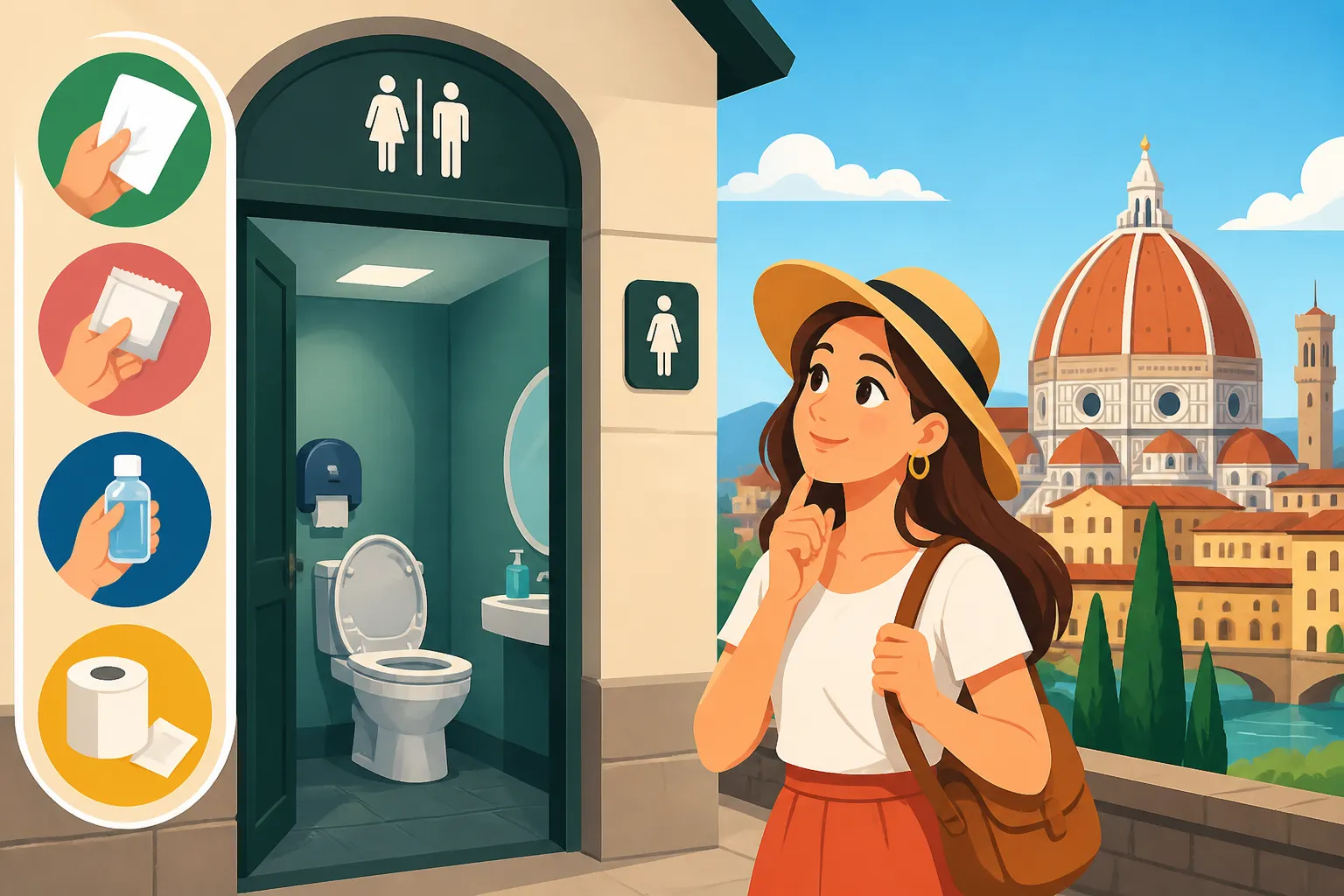
This is where expectations meet reality. Always, always carry a small pack of tissues with you. Seriously, it's a lifesaver. While many tourist-centric or modern establishments will have toilet paper, it's not a given everywhere, especially in older or smaller bars. Same goes for soap and hand dryers/paper towels. Sometimes you get lucky with fancy dispensers, other times it's a cold-water tap and a prayer. Being prepared with your own tissues and a small hand sanitizer is just good practice when you're on the move, whether you're taking Day Trips From Florence Without a Car or just exploring a local market.
Here’s a quick overview of what to expect from different types of facilities:
| Toilet Type | Typical Cost | Cleanliness (Avg.) | Accessibility | Availability | Notes |
|---|---|---|---|---|---|
| Bar / Cafe Bathroom | Cost of drink | Moderate to High | Varies | High | Must make a purchase. Ask for key if locked. Bring tissues. |
| Paid Public Toilet | €0.50 – €1 | Moderate | Varies | Medium | Found in stations, major squares. Cash often required. Attended. |
| Museum/Shopping Center | Free | High | Good | Medium | Only for patrons/customers. Usually well-maintained. |
| Restaurant Bathroom | Cost of meal | Moderate to High | Varies | Medium | For diners only. Generally good condition. |
| Autogrill (Highway) | Free | Moderate | Good | Limited | Located on highways. Can be busy. |
Understanding Payment, Cleanliness, and What to Expect
The financial aspect and the cleanliness lottery are two major points of anxiety for many travelers, and Italy certainly presents a spectrum.
The "Pay Toilet" System
As mentioned, public toilets at major transportation hubs or popular tourist areas often come with a small fee. This system is often in place to cover the cost of upkeep and to ensure a dedicated attendant can keep things tidy. A small fee of €0.50 or €1 is pretty standard. Don't be surprised if you're met with a turnstile that only accepts coins, or an attendant who holds out a small tray for your payment. This isn’t a scam; it's simply how they maintain the facilities.
It's a good habit to always carry small denominations of euro coins for such instances. There's nothing worse than being desperate and only having a €20 note, with no change available! These facilities are often a better bet for cleanliness than a random free one, precisely because they are managed.
The Realities of Cleanliness Standards
I wish I could tell you every Italian bathroom is a pristine porcelain paradise, but that's just not realistic. Standards vary wildly. In a high-end restaurant in Milan, you'll likely find immaculate facilities. In a small, bustling bar in a less touristy area, it might be more… rustic.
You might encounter what's called a turca, or squat toilet, especially in older buildings or in the south. These are essentially porcelain-lined holes in the floor with footrests. While they can be a shock if you've never used one, they are surprisingly hygienic if you're used to them. Just be careful with your footing!
My best advice for managing expectations is simple: assume the worst, hope for the best, and always be prepared. That means having your own tissues, hand sanitizer, and a positive attitude. It’s all part of the adventure of experiencing Italian Customs, Etiquette, and Social Life.
Emergency Situations and Planning Ahead
No one likes to think about bathroom emergencies, but being prepared can save you a lot of stress (and potential embarrassment!). Planning is your friend, especially when you're traversing a new city like when you're trying to explore Florence for First-Time Visitors: What to See and Skip.
The "Hold It" Strategy and Seeking Immediate Help
If you're truly desperate and can't find a conventional option, your first strategy might be to mentally map out nearby cafes or larger stores. If you're near a major square, there might be a paid public facility.
In a true emergency, you could try approaching a police officer (carabiniere or polizia) or a tourist information center. While they don't operate public restrooms, they might be able to point you towards the nearest bar or station. Keep in mind that not everyone will speak English, so having a few key phrases like “Ho bisogno di un bagno, urgentemente!” (I need a bathroom, urgently!) can be incredibly helpful, as discussed in Italian Language and Everyday Communication for Visitors.
The Importance of Planning Your Route
This might sound like overkill, but when you're planning a day of sightseeing, mentally noting where potential bathroom stops are can be a game-changer.
- Before you leave your accommodation: Use your hotel bathroom. Simple, but effective.
- During your journey: If you're on a long bus ride or train, utilize the facilities at major stops or on the vehicle itself if available (trains usually have them).
- At attractions: Always use the facilities at museums, galleries, or large parks before you head out again.
- Meal times: Restaurants will have bathrooms, so this is an opportune moment.
For example, if you're exploring Rome for First-Time Visitors: Neighborhoods and Highlights, knowing that the Colosseum has restrooms inside the ticketed area, or that a large cafe near the Pantheon is a reliable spot, makes a huge difference.
Portable Solutions and Hygiene Packs
For those who prioritize peace of mind, consider carrying a small, discrete hygiene pack. This could include:
- Travel-sized hand sanitizer
- A roll of toilet paper or a packet of tissues
- Disposable toilet seat covers (if you're particular)
- A small, sealable bag for any waste if a bin isn't available (though this is rare, it's good for used tissues in a pinch).
These small preparations are part of the broader strategy for Staying Safe in Italy: Common-Sense Tips for Travelers and ensuring your journey is as comfortable as possible. While Italy might not have the most obvious public toilet infrastructure, with a little planning and an understanding of local customs, you'll navigate your "nature calls" like a seasoned expat.
Disclaimer
The information provided in this guide is for general informational purposes only and is based on typical experiences in Italy. Conditions, availability, and policies regarding public restrooms can vary by region, city, and individual establishment. It is always advisable to observe local customs and be prepared for varying levels of service and facilities. While efforts are made to keep information current, specific details may change.