Rome for First-Time Visitors: Neighborhoods and Highlights
Rome can feel like stepping into a living museum, a dazzling, chaotic symphony of ancient ruins, bustling piazzas, and mouth-watering aromas. For a first-timer, this city, while utterly captivating, can also be incredibly overwhelming to navigate. This guide is designed to cut through the noise, helping you understand Rome's distinct neighborhoods and pinpoint the unmissable highlights so you can truly savor your inaugural visit.
Disclosure: This post may contain affiliate links. We may earn a commission at no extra cost to you if you make a purchase through these links. Read full disclosure.
Getting Your Bearings: Understanding Rome's Layout
When you first arrive, Rome might seem like a glorious jumble, but it actually has a fascinating, organic structure shaped over millennia. Understanding this can help you feel less lost and more in tune with the city's heartbeat.
Historical Core vs. Modern Districts
Imagine Rome as an onion, with layers built up over centuries. At its very heart lies the Centro Storico, the historical center, where you'll find a dizzying concentration of ancient sites, Baroque fountains, and narrow cobblestone streets. This is the Rome you see on postcards, home to places like the Pantheon, Piazza Navona, and Campo de' Fiori. It’s dense, pedestrian-friendly (mostly!), and brimming with character, but it can also be incredibly crowded and pricier.
As you move outwards from this core, you encounter districts that developed later, each with its own distinct flavor. To the west, across the Tiber River, lies Trastevere, famous for its bohemian charm and lively nightlife. North of the Centro Storico, you'll find areas like Prati, known for its elegant, wider boulevards and proximity to the Vatican, offering a slightly more residential and serene vibe. Then there are neighborhoods like Monti, nestled between the Colosseum and the main train station, blending ancient ruins with trendy boutiques and artisan workshops. These districts offer a different pace, often with more local flavor, but still provide easy access to the major sights.
Key Transportation Hubs
For most visitors, Rome's primary gateway and transportation nexus is Termini Station. This isn't just a train station; it's a colossal complex that serves as a hub for regional, national, and international train lines, as well as two of Rome's three metro lines (A and B), and countless bus routes. If you're arriving by train from other Italian cities or even from Leonardo da Vinci-Fiumicino Airport (FCO) via the Leonardo Express, you'll likely land here.
While Termini is incredibly convenient for getting around, the immediate area around the station can be a bit hectic and less charming than other parts of the city. However, its unparalleled connectivity means you can quickly reach almost any part of Rome. For those flying into FCO, remember that the Leonardo Express train is a direct, easy way to get to Termini, usually taking about 32 minutes. Alternatively, shuttle buses also run frequently from both FCO and Ciampino Airport (CIA) to Termini, often a more budget-friendly option. For those venturing further afield within Italy, you might want to learn about the different options for Getting Around Italy: Trains, Buses, Flights, and Car Hire.
Iconic Highlights You Absolutely Cannot Miss
Alright, let's talk about the big hitters. These are the places that draw millions to Rome every year, and for good reason. They are magnificent, steeped in history, and truly unforgettable.
Ancient Rome: Colosseum, Roman Forum, Palatine Hill
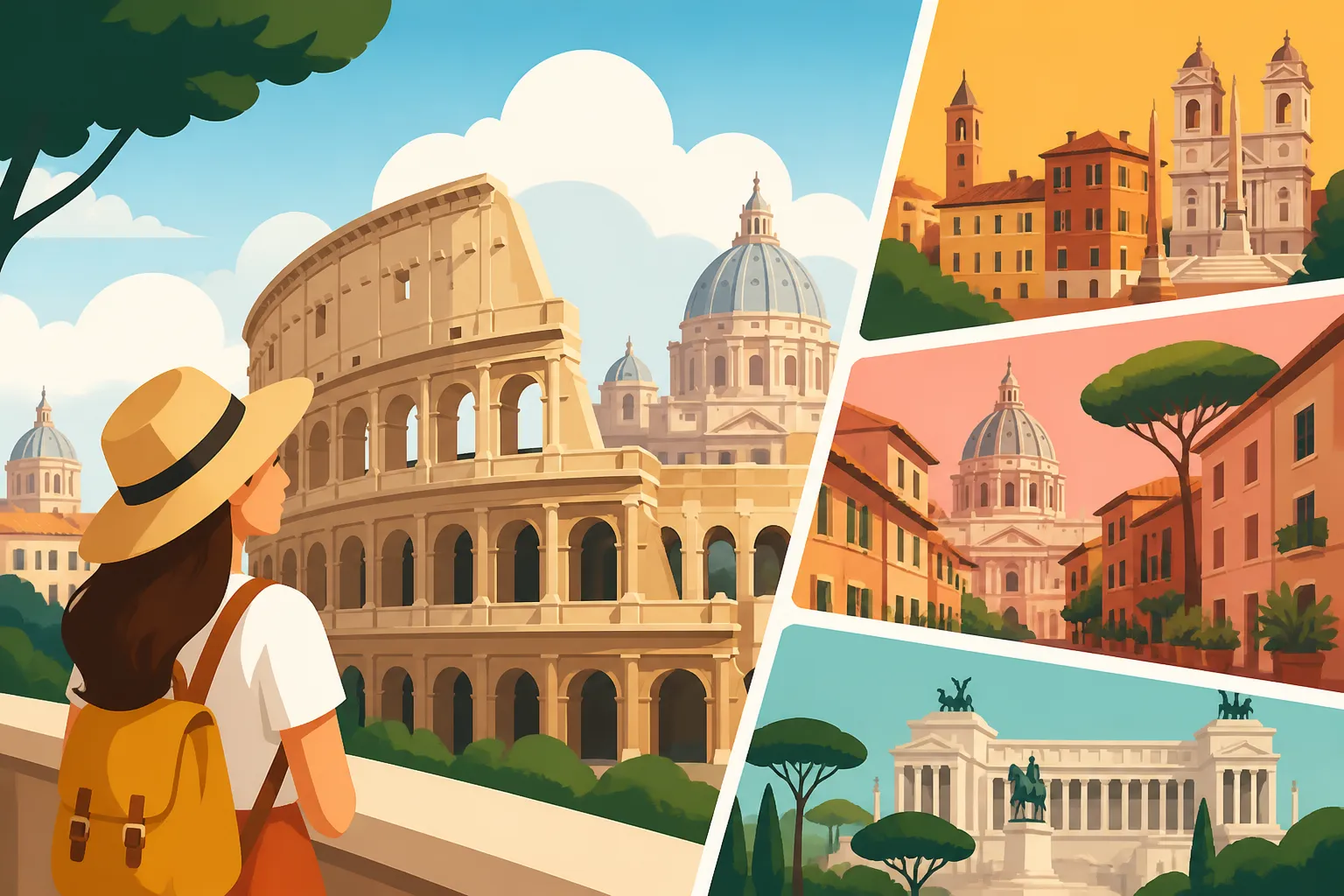
Stepping into the Colosseum for the first time is an experience that often brings a lump to your throat. This colossal amphitheater, once the stage for gladiatorial contests and public spectacles, is an awe-inspiring testament to Roman engineering and the grandeur—and brutality—of the Empire. You can almost hear the roar of the crowd and feel the tension in the air.
Directly adjacent to the Colosseum lies the Roman Forum, the beating heart of ancient Roman public life. This sprawling complex of ruined temples, basilicas, and arches was once the center of political, religious, and commercial activity. It's a vast open-air museum where you can wander among the remnants of a civilization that shaped the Western world. Overlooking the Forum and the Circus Maximus is the Palatine Hill, one of Rome's seven hills, where, according to legend, Romulus founded the city. The Palatine was later home to emperors and aristocrats, offering not only fascinating ruins but also some of the most breathtaking panoramic views of ancient Rome.
To truly appreciate these sites, especially as a first-timer, booking your tickets well in advance is non-negotiable. Waiting in line can eat up hours of your precious Roman holiday. Many visitors opt for guided tours, which can bring the stones to life with vivid storytelling. Companies like GetYourGuide offer various options, from basic entry to specialized tours that delve into specific aspects of Roman life. Consider purchasing a combined ticket that includes all three sites, as they are geographically linked and best explored together.
Vatican City: St. Peter's Basilica and Vatican Museums
Just across the Tiber River, an independent city-state within Rome itself, lies Vatican City. This tiny sovereign state is the spiritual and administrative center of the Roman Catholic Church and a treasure trove of art and architecture. Its undisputed masterpiece is St. Peter's Basilica, an immense and breathtaking church, home to Michelangelo's Pietà and the towering dome designed by the master himself. Ascending the dome offers unparalleled views across Rome. Remember that there is a strict dress code: shoulders and knees must be covered for entry.
The Vatican Museums house one of the world's most extensive collections of art, amassed by popes over centuries. From ancient Roman and Egyptian artifacts to Renaissance masterpieces, the sheer scale of the collection is astounding. The highlight for many is the Sistine Chapel, adorned with Michelangelo's iconic ceiling and The Last Judgment. Again, booking tickets in advance is crucial, and be prepared for crowds. The museums can be overwhelming, so planning which sections you want to focus on can be helpful.
Baroque Rome: Trevi Fountain, Spanish Steps, Pantheon
Beyond the ancient ruins and the sacred Vatican, Rome dazzles with its Baroque splendor. The Trevi Fountain (Fontana di Trevi) is perhaps the most famous fountain in the world, a dramatic masterpiece of marble and water. Toss a coin over your shoulder, and legend says you'll return to Rome. Be warned, though, it's almost always teeming with people. For a quieter moment and better photos, try visiting very early in the morning or late at night.
The Spanish Steps (Scalinata di Trinità dei Monti) cascade down from the Trinità dei Monti church to the bustling Piazza di Spagna. While perhaps not as historically profound as other sites, they offer a classic Roman vista and a popular spot for people-watching. Just a short walk away is the magnificent Pantheon, a former Roman temple, now a church, renowned for its perfectly preserved ancient architecture and its iconic oculus, an open hole in the dome that lets in light (and rain!). Entry is generally free, but controlled queuing may be in place during peak times. These sites are all relatively close to each other in the Centro Storico, making them perfect for a leisurely walk through Rome's picturesque streets.
Diving Deeper into Rome's Charming Neighborhoods
While the big attractions are a must, some of Rome's true magic lies in its distinct neighborhoods, each offering a unique slice of local life. Getting lost (in a good way!) in these areas is how you truly connect with the Eternal City.
Trastevere: Bohemian Vibes and Evening Strolls
Across the Tiber River, Trastevere feels like a village within the city, a charming labyrinth of narrow, cobblestone alleyways, ivy-clad buildings, and sun-drenched piazzas. By day, it's a tranquil place to wander, explore artisan shops, and enjoy a leisurely coffee. But as evening descends, Trastevere truly comes alive. The piazzas fill with street performers, locals and tourists spill out of trattorias, and the air buzzes with conversation and laughter.
This neighborhood is renowned for its incredible food scene, offering everything from traditional Roman trattorias serving classic dishes like cacio e pepe and carbonara, to lively pizzerias and trendy cocktail bars. It’s the perfect place for an authentic Roman dinner, followed by a post-meal stroll and perhaps a gelato. Expats often flock here for the relaxed atmosphere and the sense of community. While popular, it still retains a genuine Roman character. Just be sure to wear comfortable shoes – those cobblestones are beautiful but unforgiving!
Monti: Hipster Hangout with Roman Roots
Nestled between the imposing Colosseum and the Roman Forum, and yet a world away in terms of vibe, is Monti. This effortlessly cool neighborhood manages to blend ancient history with a distinctly modern, bohemian edge. Its steep, winding streets are dotted with independent boutiques, vintage shops, and artisan workshops selling unique jewelry, clothing, and art. You'll find a younger, artsy crowd here, enjoying aperitivo at sidewalk cafes and browsing the unique offerings.
Monti is less about grand monuments (though you're literally steps from the Imperial Fora) and more about atmosphere. Piazza della Madonna dei Monti is its unofficial heart, a bustling square where locals gather in the evenings, particularly on warmer nights. The food scene here is eclectic, with traditional eateries existing alongside trendy fusion restaurants and charming wine bars. It's a fantastic area to explore if you appreciate a mix of old and new, and want to experience a more current, vibrant side of Roman life. Consider spending an afternoon just browsing and then settling in for a relaxed evening.
Testaccio and Ostiense: Authentic Roman Food and Street Art
If you want to experience truly authentic Roman culture, especially its culinary traditions, venture south to Testaccio. Historically a working-class neighborhood and home to Rome's former slaughterhouse, Testaccio is now famous for its traditional food market (Mercato di Testaccio), which is a feast for the senses. Here, you can sample local delicacies, fresh produce, and street food. The neighborhood is the birthplace of many Roman dishes, often utilizing the "fifth quarter" (offal), reflecting its humble origins. You'll find some of the city's most beloved trattorias here, serving unpretentious, hearty Roman fare. To find the best spots, you might want to read our guide on How to Find Authentic Restaurants in Italy (Not Tourist Traps).
Right next to Testaccio, the Ostiense district offers a fascinating contrast with its burgeoning street art scene. Old industrial buildings and towering silos have been transformed into canvases for vibrant murals by international and local artists. It’s an open-air gallery, providing a modern counterpoint to Rome's ancient art. Ostiense also boasts several contemporary restaurants and bars, particularly around the pyramid of Cestius and the former gasometer (Gazometro), which has become an iconic landmark. Both Testaccio and Ostiense offer a grittier, more local experience, far from the tourist throngs of the Centro Storico, and are perfect for those looking to see a different, yet equally captivating, side of Rome.
Practicalities for Your First Roman Adventure
Navigating Rome for the first time can feel like a challenge, but with a few pointers, you'll be zipping around like a seasoned local in no time. The key is to embrace a bit of the chaos and blend it with smart planning.
Navigating Rome's Public Transport (and Your Feet!)
While Rome's historic center is surprisingly walkable, its sheer size means you'll eventually need a little help getting around. The city's public transport system, managed by ATAC, includes buses, trams, and a metro system. The Metro (lines A, B, and C) is the quickest way to cover longer distances, especially useful for reaching areas like the Vatican (Ottaviano or Cipro on Line A) or the Colosseum (Colosseo on Line B). However, its reach in the historic center is limited due to the impossibility of digging without hitting ancient ruins!
Buses and trams offer a more extensive network, reaching almost every corner of the city, but they can be slow, especially in heavy traffic, and often crowded. Rome's buses are famously erratic, but they're part of the adventure! Tickets are inexpensive and can be used across all ATAC public transport for 100 minutes from validation. You can buy them at metro stations, tabacchi (tobacconists), newsstands, and sometimes directly on the bus via contactless payment. However, the best way to truly experience Rome is often on foot; many of the most beautiful sights are revealed between stops, and you'll discover hidden gems along the way. Be sure to wear exceptionally comfortable shoes, as you'll be doing a lot of walking on uneven cobblestones.
Where to Stay: Choosing Your Base
Choosing the right neighborhood for your accommodation can significantly impact your first Roman experience. Each area offers a different balance of convenience, atmosphere, and price point. For sheer convenience and connectivity, staying near Termini Station can be practical, especially if you plan many day trips or early morning departures. You'll find a wide range of hotels, though the immediate surroundings are functional rather than charming.
If you dream of romantic evening strolls and a lively atmosphere, Trastevere is a fantastic choice, though it can be a bit further from the metro. For those seeking elegance and proximity to the Vatican, the Prati neighborhood offers quieter, more upscale options. If you want to be right in the thick of things, surrounded by ancient sites and Baroque beauty, the Centro Storico is ideal, but expect higher prices and more crowds. A balance might be found in areas like Monti or Campo de' Fiori, offering character and central locations. Websites like Booking.com are excellent resources for comparing hotels, B&Bs, and apartments across different Roman neighborhoods, allowing you to filter by your preferences and budget. Don't forget to consider our general guide on Accommodation in Italy: Hotels, B&Bs, and Agriturismi.
Eating Like a Local: From Trattorias to Aperitivo
Eating in Rome is not just about sustenance; it’s a cultural experience. To truly eat like a local, you need to understand a few things. First, meal times. Italians generally eat lunch between 1:00 PM and 2:30 PM, and dinner rarely starts before 8:00 PM, often later. Many restaurants close between lunch and dinner, typically from 3:00 PM to 7:00 PM or 7:30 PM.
Seek out trattorias or osteria for authentic, home-style Roman cooking. Avoid places with laminated menus in multiple languages right by major attractions, as these are often tourist traps. Don't be afraid to venture a few blocks off the main drag. When you sit down, you’ll often be charged a coperto, a cover charge per person, which is standard in Italy. It’s not a tip, but a charge for bread and service, so don’t be surprised. For coffee, learn to order like a local; for instance, a cappuccino is strictly a morning drink. And before dinner, embrace the aperitivo ritual: a pre-dinner drink that often comes with complimentary snacks, a perfect way to unwind and enjoy the early evening.
Essential Tips for a Smooth Roman Experience
Rome is glorious, but it's also a big, busy city. A few insider tips can help you avoid common pitfalls and make your first visit as smooth and enjoyable as possible.
Beating the Crowds and Protecting Your Valuables
Rome's popularity means crowds, especially at major attractions like the Colosseum, Vatican Museums, and Trevi Fountain. To avoid spending hours in queues, always book your tickets for popular sites online and in advance. Websites like GetYourGuide are excellent for this, often offering skip-the-line options or guided tours that include priority access. Try to visit the most popular spots early in the morning, right when they open, or late in the afternoon/evening. The Trevi Fountain and Spanish Steps are magical late at night when the crowds thin out.
Unfortunately, crowds also attract pickpockets. Rome, like any major tourist city, has its share. Be vigilant, especially on crowded buses, metros, and in busy squares. Keep your wallet in a front pocket, carry your bag across your body, and never leave your phone or valuables unattended on a cafe table. It's a small price to pay for peace of mind, allowing you to fully immerse yourself in the beauty around you. For more general advice, check out our guide on Staying Safe in Italy: Common-Sense Tips for Travelers.
Money, Communication, and Staying Connected
While credit cards are widely accepted in Italy, especially in larger establishments, it's always wise to carry some cash for smaller purchases, market stalls, and some local trattorias. ATMs are widely available (look for "Bancomat"). Inform your bank before you travel to avoid any issues with your cards being blocked.
Communication can be a hurdle if your Italian is limited, but in tourist areas, many people in hospitality will speak at least some English. However, learning a few basic Italian phrases like ciao (hello/goodbye), grazie (thank you), per favore (please), scusi (excuse me), and parla inglese? (do you speak English?) goes a long way. Locals appreciate the effort! For staying connected, consider purchasing a local SIM card upon arrival or using an eSIM for convenient mobile data. Providers like TIM, Vodafone, and WindTre offer various tourist-friendly plans. You can find more details in our guide on Mobile Data and eSIMs for Travel in Italy.
Respecting Local Customs and Avoiding Faux Pas
Italians value bella figura, which roughly translates to making a good impression or presenting oneself well. This doesn't mean you need to be impeccably dressed at all times, but it does mean being mindful of your appearance, especially when visiting churches or more formal restaurants. Shoulders and knees covered are a must for religious sites, and overly casual attire might feel out of place in some settings.
Table manners are important: keep your hands visible (but not elbows on the table), and don't shout in restaurants. Tipping isn't as obligatory or as generous as in some other countries, but rounding up the bill or leaving a few euros for good service is appreciated. Finally, embrace the slower pace of life. Rome runs on its own time, and rushing or getting overly frustrated by bureaucracy or delays is usually futile. Take a breath, enjoy a coffee, and remember that you're in Italy! Our guide on Italian Customs, Etiquette, and Social Life provides more in-depth insights.
Rome's Neighborhoods at a Glance
| Neighborhood | Best For | Vibe | Proximity to Major Sights | Dining Scene |
|---|---|---|---|---|
| Centro Storico | First-time sightseers, art lovers, walking | Bustling, historic, postcard-perfect | Excellent | Touristy and upscale, hidden gems available |
| Trastevere | Nightlife, authentic atmosphere, foodies | Bohemian, lively, charming | Moderate (walk/bus) | Excellent traditional trattorias, bars |
| Monti | Young travelers, boutique shopping, cool cafes | Hip, artsy, ancient meets modern | Good (walk to Colosseum) | Trendy eateries, wine bars, traditional food |
| Prati | Quiet stays, Vatican visitors, elegance | Residential, upscale, calm | Good (Vatican) | Refined restaurants, pizzerias |
| Testaccio | Foodies, local culture, less touristy | Authentic, gritty, culinary heart | Moderate (bus/metro) | Best traditional Roman cuisine, market food |
| San Giovanni | Budget-conscious, local feel | Residential, bustling, religious sites | Farther (metro access) | Local pizzerias, casual restaurants |
| Termini Area | Connectivity, day trips, budget stays | Hectic, convenient, less aesthetic | Excellent (transport hub) | Diverse, often fast-food or international |
Disclaimer
Please note that while we strive to provide the most accurate and up-to-date information, circumstances in Italy, including local regulations, opening hours, and public transport schedules, can change without prior notice. Always double-check information with official sources or local authorities closer to your travel dates. This guide is for informational purposes only and does not constitute professional advice.