eSIM Device Compatibility: Which Phones Work in Italy Before You Buy
Arriving in Italy, eager to dive into its beauty, only to be hit with connectivity woes can be a real buzzkill. Many of us expats and frequent travelers have been there: scrambling for a local SIM card, dealing with language barriers, or discovering our device isn't quite ready for the latest tech. This guide cuts through the confusion, helping you figure out if your phone is eSIM compatible for your Italian adventure before you even pack your bags, ensuring you stay connected effortlessly.
Disclosure: This post may contain affiliate links. We may earn a commission at no extra cost to you if you make a purchase through these links. Read full disclosure.
The eSIM Revolution and Why Italy is Perfect for It
Let's face it, navigating a new country is exhilarating, but dealing with the tiny, fiddly world of physical SIM cards? Not so much. For years, the drill was always the same: land, find a phone store, pick a plan, deal with activation, and then hope you don't lose that minuscule piece of plastic. The eSIM, or embedded SIM, has genuinely changed the game, especially for us living and traveling in Italy.
What Exactly is an eSIM and Why Should You Care?
An eSIM is essentially a digital SIM card that's built directly into your phone, tablet, or smartwatch. Instead of swapping out physical cards, you simply download a profile from your chosen mobile provider. Think of it like a downloadable app for your phone number and data plan. It's incredibly convenient, eliminating the need to physically open your phone tray, potentially losing your home country's SIM, or fumbling with small tools.
For Italy, where you might be crisscrossing regions, jumping on and off trains, and wanting to instantly share that perfect gelato photo, an eSIM is a godsend. You can often activate a plan before you even arrive, stepping off the plane already connected. This means no more hunting for a "TIM" or "Vodafone" shop right after a long flight, no more deciphering complex instructions in Italian when you're jet-lagged. It's about reclaiming precious travel time for la dolce vita, not bureaucracy.
The Seamless Travel Experience: No More SIM Card Scrambles
One of the biggest frustrations for travelers and expats in Italy has always been getting connected. You land, you need to call a taxi, check maps, or let loved ones know you've arrived, but your phone is useless unless you pay exorbitant roaming fees. With an eSIM, those days can be behind you. You can purchase a data plan for Italy from a service like Airalo online, download it, and activate it almost instantly.
Imagine this: you've just touched down at Fiumicino, cleared customs, and before you even reach the baggage claim, your phone is connected to a local network. You can immediately order an Uber or check the train schedule to Rome Termini without a hitch. This kind of flexibility and immediate connectivity can genuinely reduce travel stress. For anyone thinking about a longer stay or needing reliable access for work or emergencies, this peace of mind is invaluable. Don't underestimate the power of knowing your phone just works when you need it most. And if you're exploring Travel Logistics in Italy: Money, Safety, and Connectivity, having your phone ready to go is always at the top of the list.
Decoding Device Compatibility: The Crucial First Step
Before you get too excited about the idea of ditching physical SIMs, the absolutely critical first step is to confirm if your device actually supports eSIM technology. This isn't always as straightforward as it sounds, as compatibility can vary not just by phone model, but also by country and even the carrier you originally bought the phone from.
How to Check if Your Smartphone Supports eSIM Technology
There are a few reliable ways to check if your phone is eSIM compatible. Don't just assume!
-
Check Your Phone's Settings:
- For iPhones: Go to "Settings" > "General" > "About". Look for a section that says "Digital SIM" or "Add eSIM." If you see it, your iPhone is likely eSIM compatible. Older models, generally iPhone XS/XR and newer, support eSIM.
- For Android Phones: This varies a bit more by manufacturer. Generally, go to "Settings" > "Network & internet" (or "Connections" depending on your model) > "SIMs" (or "Mobile network"). Look for an option that mentions "Add eSIM" or "Download a SIM." You might also find it under "About phone" and then "SIM status" or similar. For example, Samsung Galaxy S20 series and newer, Google Pixel 3 and newer, typically support eSIM.
- For Huawei Phones: Look under "Settings" > "Mobile network" > "SIM management." If "eSIM" is listed, you're in luck.
-
Consult Your Phone Manufacturer's Website: This is perhaps the most definitive method. Head to Apple, Samsung, Google, or Huawei's official support pages and search for your specific model's specifications. They will clearly state if eSIM is a supported feature.
-
Check Your Carrier's Support Page (if applicable): If you purchased your phone through a specific carrier (e.g., Verizon, AT&T, Vodafone), sometimes they have special versions of phones or specific locks that prevent eSIM functionality, even if the model technically supports it. This is less common now, but worth a quick check if you're unsure.
Common Pitfalls and Regional Quirks in eSIM Compatibility
It's not just about the model year; sometimes, where you bought your phone matters. Here are a couple of regional quirks that can trip people up:
- Carrier Locks: While less prevalent today, some phones are still "locked" to a specific carrier. An unlocked phone is always the best choice for international travel, as it allows you to use any network provider, including eSIM providers like Airalo. If your phone is locked, you'll need to contact your original carrier to unlock it before you can use an eSIM from another provider.
- China Models: Many iPhones sold in mainland China, Hong Kong, and Macau do not have eSIM functionality. Instead, they support two physical nano-SIM cards. If you bought your iPhone in one of these regions, it's highly likely it won't support eSIM, even if it's a newer model.
- Certain Android Variations: Similar to iPhones, some Android models, particularly those sold in specific markets, might omit eSIM support. Always double-check the exact model number (often found in "Settings > About Phone") on the manufacturer's global website.
These regional differences can be incredibly frustrating, especially when you think you've done your homework. It’s why checking your specific device before you travel is so important.
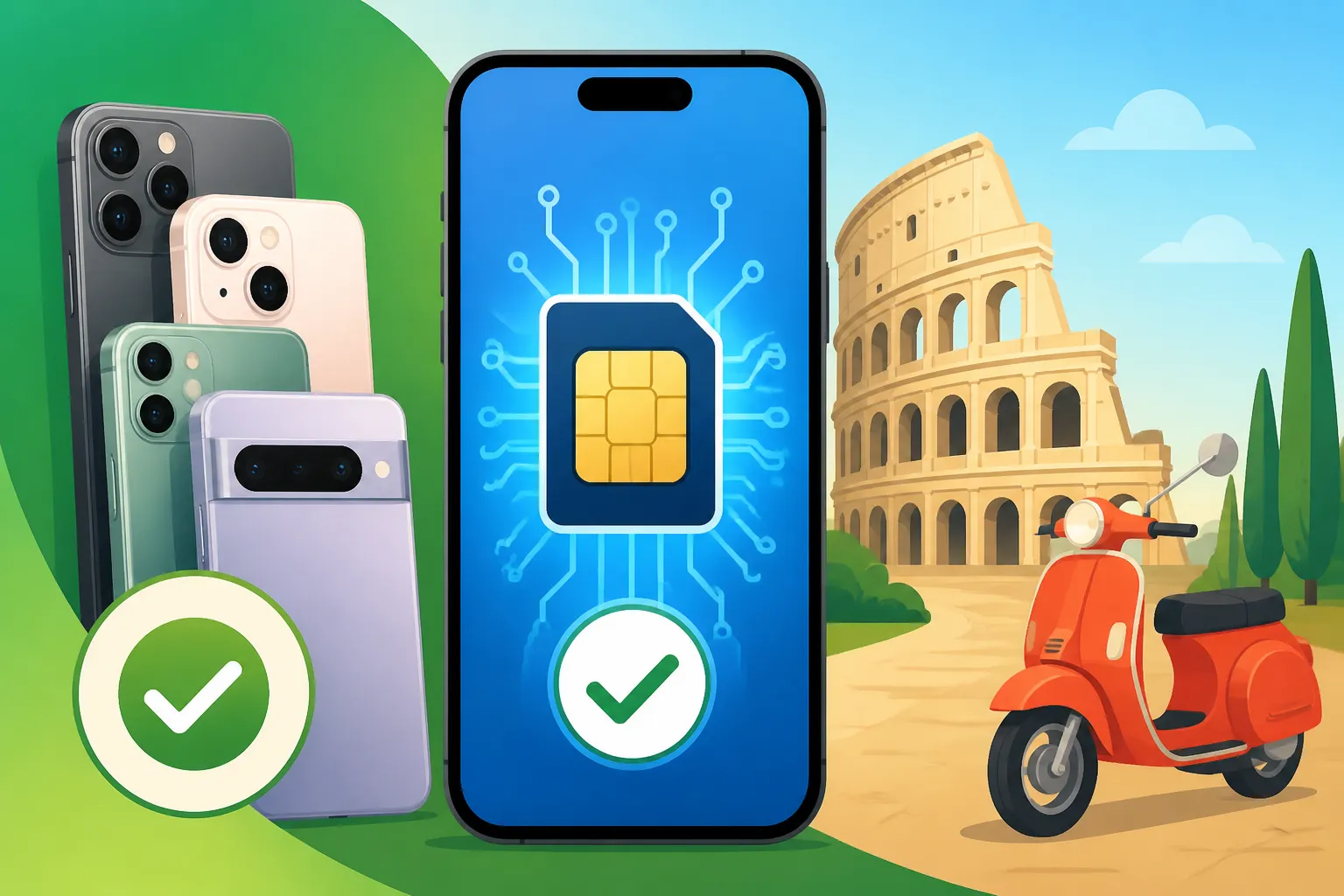
Here's a handy table to give you a quick overview of popular eSIM-compatible devices. Remember, this is a general guide, and you should always perform the checks mentioned above for your specific device.
| Brand | Model (Examples) | Notes |
|---|---|---|
| Apple | iPhone XS, XR, 11, 12, 13, 14, 15 series | All iPhones from XS/XR onwards support eSIM (except some China/HK variants). |
| Samsung | Galaxy S20, S21, S22, S23, S24 series, Fold, Flip series | Generally, S-series from S20 onwards, Z Fold/Flip series. Check regional model. |
| Pixel 3, 4, 5, 6, 7, 8 series | All Pixel phones from Pixel 3 onwards support eSIM. | |
| Huawei | P40, P40 Pro, Mate 40 Pro | P40 series, Mate 40 Pro. Pro+ and P50 Pro (certain versions) may not. |
| Oppo | Find X3 Pro, Find X5, Find X5 Pro, Reno 6 Pro 5G | Select newer flagship and mid-range models. |
| Xiaomi | 12T Pro, 13 Lite, 13, 13 Pro, 14 Series | Specific models in newer lines. eSIM support is growing. |
| Sony | Xperia 10 IV, Xperia 10 V | Limited models, mainly newer mid-range. |
Top Contenders for eSIM-Ready Travel in Italy
When you're looking for a phone that will effortlessly connect you across Italy, some brands and models truly stand out for their robust eSIM support. These devices are designed with global connectivity in mind, making them ideal companions for expats and tourists.
Flagship Phones Leading the eSIM Charge
It's no surprise that the latest flagship phones from the biggest manufacturers are at the forefront of eSIM adoption. They offer the most reliable and broadest support for the technology, often allowing for dual SIM functionality (one physical SIM, one eSIM, or sometimes two eSIMs) which is incredibly useful for travelers maintaining a home country number while using an Italian data plan.
- Apple iPhones (iPhone XS and newer): iPhones have consistently been strong performers in the eSIM space. From the iPhone XS and XR onwards, nearly all models offer eSIM support globally (with the noted exceptions for certain Asian markets). This means if you have an iPhone 11, 12, 13, 14, or the latest 15 series, you're almost certainly good to go. The process of adding an eSIM on an iPhone is usually very intuitive, often involving scanning a QR code or entering a few simple details provided by your eSIM provider, such as Airalo.
- Google Pixel Phones (Pixel 3 and newer): Google's own line of smartphones has embraced eSIM wholeheartedly from the Pixel 3. These phones are known for their clean Android experience and excellent integration of new technologies. If you're a Pixel user, from Pixel 3 up to the current Pixel 8 series, you should have no trouble setting up an eSIM for your Italian adventures.
- Samsung Galaxy Flagships (Galaxy S20 series and newer, Z Fold/Flip series): Samsung has progressively added eSIM support to its high-end devices. The Galaxy S20, S21, S22, S23, and the very latest S24 series, along with their innovative Z Fold and Z Flip foldable phones, are all generally eSIM compatible. However, with Samsung, it's always wise to double-check your specific regional model, as some variations might exist.
These devices offer not only seamless eSIM integration but also the processing power and camera quality to make your Italian experience even better, from navigation to capturing memories. For anyone planning to How to Use SPID to Book Health Appointments in Italy or generally manage administrative tasks, reliable connectivity is key.
Mid-Range and Older Models: Surprises and Limitations
While flagships lead the way, eSIM technology isn't exclusive to the most expensive phones. Many mid-range devices and even some older models now support eSIM, offering more budget-friendly options for staying connected in Italy. However, you'll need to be a bit more diligent in checking compatibility.
- Oppo, Xiaomi, and Other Brands: Manufacturers like Oppo, Xiaomi, and Sony are increasingly including eSIM support in their newer models, especially in their global versions. For instance, some models in the Oppo Find X series, Xiaomi 12T Pro, and Sony Xperia 10 IV and V offer eSIM. The landscape here is constantly evolving, so checking the specific model and region of your device is paramount. Don't rely on general brand statements; dive into the detailed specs.
- Older Flagships: If you have a slightly older flagship phone, say an iPhone XS from a few years back, you're still in a great position. These devices were among the first to feature eSIM, and they continue to work perfectly fine with modern eSIM services. This is a great way to get the benefits of eSIM without needing the very latest, most expensive device.
The main limitation with mid-range and older phones is simply the variability. While a new iPhone will almost certainly have eSIM, a mid-range Android phone from two years ago might or might not, depending on the specific model, market, and carrier. This is where your diligent checking (as outlined in the previous section) becomes indispensable. If your device does support eSIM, you'll find that services like Airalo offer excellent value for money compared to traditional roaming or even some local physical SIMs, helping you manage your Mobile Phone and Internet Costs in Italy.
Your Options if Your Phone Isn't eSIM-Ready
So, you've done your checks, and alas, your trusty phone doesn't support eSIM. Don't despair! While you won't get the cutting-edge convenience of eSIMs, Italy still offers plenty of reliable ways to stay connected. Us expats have been doing this for years, after all.
The Tried-and-True Physical SIM Card
This is the most common alternative and often the default for many travelers. Upon arrival, or even before, you can purchase a physical SIM card from one of Italy's main mobile providers.
- Italian Mobile Carriers: The dominant players are TIM, Vodafone, WindTre, and Iliad. All offer various prepaid plans suitable for tourists and new residents. You can usually find their stores in airports, train stations, and throughout any major city or town.
- What to Expect: You'll need your passport and Codice Fiscale (Italian tax code) to purchase a SIM card. If you don't have a Codice Fiscale yet, some shops might process it for you on the spot, or you might be able to get a temporary one for tourists. Activation can take anywhere from a few minutes to a few hours. Plans typically include a generous amount of data, national calls, and sometimes international minutes. Prices are quite competitive, especially compared to roaming. For a detailed breakdown of options, check out our guide on Choosing a Cell Phone Plan in Italy or How to Get an Italian SIM Card and Mobile Plan as a New Arrival.
- Pros: Widely available, often robust coverage, and generally good value for data.
- Cons: Requires a physical swap (and not losing your home SIM!), can involve some language barriers during purchase and activation, and you need to physically visit a store.
Portable Wi-Fi Hotspots and Roaming Alternatives
If you prefer not to mess with your phone's SIM tray or if you need to connect multiple devices, a portable Wi-Fi hotspot (sometimes called a pocket Wi-Fi) is another solid option.
- Portable Wi-Fi Devices: These small devices generate their own Wi-Fi signal using a local SIM card (which is pre-installed). You rent them for the duration of your trip, and they can connect multiple phones, tablets, and laptops. Providers like My Webspot or local Italian telecom companies sometimes offer rental services.
- Pros: Connects multiple devices, no need to touch your personal phone's SIM, convenient for groups or families.
- Cons: Another device to carry and charge, rental costs can add up, and you need to return it at the end of your trip.
- International Roaming: This is usually the easiest but most expensive option. Your home carrier might offer an international roaming package. While convenient for short trips or emergencies, extended use can quickly rack up a huge bill. Always check your home plan's specific roaming rates for Italy before relying on this. It's often best used as a last resort or for very limited, essential calls/texts.
- Public Wi-Fi: Italy has public Wi-Fi in many cities, cafes, and hotels. However, these are often unreliable, slow, or require registration, making them less ideal for constant connectivity or security-sensitive tasks like online banking. For general safety when using public Wi-Fi, you might want to review Staying Safe in Italy: Common-Sense Tips for Travelers.
Ultimately, even without eSIM compatibility, there are good options to ensure you're not left in the dark during your time in Italy. It just requires a little more planning or a slightly larger budget.
Choosing Your Connectivity Partner: The Airalo Advantage for Italy
When it comes to staying connected in Italy, especially if your device is eSIM compatible, you're spoiled for choice. But among the many providers vying for your attention, one name consistently comes up for its ease of use, competitive pricing, and global reach: Airalo. For anyone wanting a seamless, frustration-free connection experience, especially when navigating the nuances of Italian life or travel, Airalo is often the hero.
Why Airalo Stands Out for Italian Travel
As an expat who’s dealt with more than my fair share of connectivity headaches, I can tell you that simplicity and reliability are paramount. Here’s why Airalo has become a go-to recommendation for Italian adventures:
- Instant Digital Delivery: The biggest perk is that you can purchase, download, and activate an eSIM plan for Italy entirely online, often in minutes. No more hunting for a physical store, waiting in lines, or dealing with potentially overwhelming language barriers at a phone shop. You can set it up from your couch before you leave or right after landing if you're quick.
- Flexible Plans: Airalo offers a range of data plans specifically for Italy, with varying data allowances and validities (e.g., 1GB for 7 days, 5GB for 30 days, etc.). This means you can pick a plan that perfectly matches your travel style, whether you're just popping over for a weekend or settling in for a month. If you decide you need more data, topping up is just as simple through their app.
- Cost-Effective: Compared to international roaming charges from your home carrier, Airalo's plans are significantly more affordable. They leverage local networks (often partnering with major Italian carriers like TIM or Vodafone), giving you access to fast, reliable internet without the premium price tag. For managing your Cost of Living vs Salary: Budget Tips for Italy Expats, every saving helps!
- No Contract, No Hassle: Airalo plans are prepaid, meaning no hidden fees, no credit checks, and no long-term commitments. You buy what you need, use it, and you're done. This is perfect for tourists and short-term visitors who don't want to get tangled in local contracts.
- Maintain Your Home Number: With an eSIM, you can often keep your primary physical SIM from your home country active for calls and texts, while using the Airalo eSIM for data. This "dual SIM" capability means you won't miss important messages or calls from back home, all while enjoying affordable data in Italy.
- Global Coverage: While we're talking about Italy, Airalo offers eSIMs for over 200 countries and regions. This means if your travels extend beyond Italy, you can use the same seamless experience wherever you go. This universal approach to connectivity is incredibly empowering for the modern globetrotter.
Getting Started with Airalo: A Simple Path to Connectivity
If your phone is eSIM compatible, getting started with Airalo for your Italian trip is incredibly straightforward:
- Download the Airalo App: Find it on the Apple App Store or Google Play Store.
- Choose Your Destination (Italy!): Browse the available plans for Italy. You'll see options for data amount and validity period.
- Purchase Your eSIM: Select the plan that fits your needs and complete the purchase within the app.
- Install Your eSIM: Follow the simple step-by-step instructions in the app to install the eSIM profile on your device. This usually involves scanning a QR code or entering a few settings manually. Don't worry, they walk you through it!
- Activate and Connect: Once installed, you can activate your eSIM when you're ready to use it. You'll typically enable it from your phone's cellular settings. Make sure data roaming is turned on for your eSIM line, and voilà – you're connected to an Italian network!
It truly is that simple. This kind of plug-and-play connectivity (or rather, download-and-connect) is a breath of fresh air compared to the old ways. It means more time for enjoying Italy's incredible sights, sounds, and tastes, and less time wrestling with tech issues. Whether you’re trying to find The Best Day Trips From Rome by Train or simply looking up the local farmacia for What Over-the-Counter Medicines Can You Buy in Italy?, having reliable data makes all the difference.
Disclaimer
The information provided in this guide is for general informational purposes only and does not constitute legal, financial, or professional advice. While we strive to keep the information accurate and up-to-date, technology and regulations, especially concerning mobile networks and device compatibility, are subject to change without notice. Always verify details with official sources, your device manufacturer, and your chosen service provider before making any decisions. We are not responsible for any actions taken based on the information presented herein.