Insurance for Australians and Kiwis in Italy: The Reciprocal Agreement’s Limits
Alright, fellow adventurers from down under! If you're an Aussie or a Kiwi dreaming of la dolce vita in Italy, you've probably heard whispers about a reciprocal healthcare agreement. It sounds fantastic, doesn't it? A bit of peace of mind knowing you're covered. But let me tell you, as someone who's navigated Italy's wonderfully complex administrative waters for years, that agreement is often misunderstood, and relying solely on it is like bringing a spoon to a knife fight. This guide is going to strip away the assumptions, clarify what those agreements actually mean for temporary visitors, and show you why truly comprehensive health insurance is not just a good idea, but an absolute necessity for your Italian adventure.
Disclosure: This post may contain affiliate links. We may earn a commission at no extra cost to you if you make a purchase through these links. Read full disclosure.
Understanding the Reciprocal Healthcare Agreement Between Australia/New Zealand and Italy
Let's cut to the chase: while Australia and New Zealand do have reciprocal healthcare agreements with Italy, they are not a substitute for comprehensive travel or expat health insurance. This is probably the biggest misconception I see among my friends from Oceania. These agreements are designed to cover immediate, medically necessary care for temporary visitors, not to provide the same level of access you'd get under Italy's national health system (SSN) as a resident, or even what a robust private insurance policy would offer.
What the Agreement Actually Covers And Doesn't
For Australians, the reciprocal agreement, rooted in a 1988 accord, generally allows you to receive urgent or immediately necessary medical treatment at public hospitals and clinics during a temporary stay in Italy. "Medically necessary" is the key phrase here. Think emergencies, like a broken bone from a scooter mishap or a sudden, severe illness requiring hospitalization. You'd typically present your Australian Medicare card and passport. However, this coverage is primarily for conditions that require immediate attention and cannot wait until you return home.
For our Kiwi friends, the situation is quite similar. The reciprocal agreement with New Zealand focuses on emergency public hospital treatment. Again, the emphasis is on emergencies – those unforeseen accidents or sudden illnesses that absolutely require prompt medical attention.
Now, for what these agreements don't cover, and this is where most people get caught out:
- Non-urgent specialist visits: If you need to see a dermatologist for a rash that isn't life-threatening, or an orthopedist for a persistent knee ache that isn't an emergency, the reciprocal agreement won't cover it. You'd be paying out of pocket.
- Dental care: Unless it's a severe, life-threatening dental emergency that lands you in a public hospital, routine check-ups, fillings, and even most emergency extractions are generally not covered.
- Optical care: Eye exams, glasses, or contact lenses are almost certainly not included.
- Repatriation: This is a huge one. If you become gravely ill or injured and need to be medically transported back to Australia or New Zealand, these agreements offer absolutely no coverage. The costs for medical repatriation can easily run into tens or even hundreds of thousands of dollars.
- Pre-existing conditions: While some acute exacerbations of pre-existing conditions might be treated in an emergency, the ongoing management of chronic conditions is usually outside the scope.
- Private medical care: The agreements are strictly for public health services. If you choose to go to a private clinic or see a private doctor – which many foreigners do for convenience, speed, or English-speaking staff – you'll be footing the entire bill.
- Lost income or travel interruptions: The agreements are purely medical; they won't help if your illness or injury cancels your trip or causes you to miss work.
Imagine you're enjoying a beautiful hike in the Dolomites, stumble, and twist your ankle. It's painful, but maybe not an emergency in the sense of needing an ambulance. You might walk into a local clinic, but getting an x-ray, a cast, and follow-up care could quickly become a tangled, expensive mess if it's not deemed 'medically necessary' in the strictest sense, or if the local clinic staff are unfamiliar with the reciprocal agreement's specific nuances.
Eligibility and Duration: Who Qualifies and For How Long
These agreements are designed for temporary visitors. This means tourists, people on short-term visas, or those here for a brief visit.
- For Australians: You're generally covered for medically necessary treatment for the duration of a temporary stay. While there isn't a hard limit specified in all contexts, it's typically understood for stays up to six months. If you're planning to become a resident, or your visit extends beyond this, the reciprocal agreement becomes largely irrelevant.
- For New Zealanders: Similar to Australians, coverage is for emergency public hospital treatment for the duration of a temporary stay. Again, if you're intending to live in Italy, you'll need a different plan.
Crucially, "temporary visitor" is key. If you're moving to Italy with the intention of taking up residence, or if you're a digital nomad planning an extended stay, these reciprocal agreements offer minimal long-term security. They are a bare-bones safety net, nothing more. As an expat, you quickly learn that the Italian bureaucracy often works best when you come prepared with more than the minimum. Trying to explain a reciprocal agreement to a busy doctor or administrative clerk in a foreign language when you're in pain or stressed is a challenge no one needs.
Why the Reciprocal Agreement Isn't Enough for Your Time in Italy
Seriously, don't underestimate the limitations of these agreements. It's a common trap for our Aussie and Kiwi friends, lulled into a false sense of security by the word "reciprocal." Italy is beautiful, but its healthcare system, while excellent when accessed correctly, can be a labyrinth for foreigners, especially for non-emergencies.
The Gap in Coverage: What Happens Beyond Emergencies
Let's paint a realistic picture. You've settled into your Airbnb in Florence, admiring the Ponte Vecchio, when you realize you've run out of a crucial prescription medication for a chronic, but not life-threatening, condition. The reciprocal agreement almost certainly won't help you get a refill from an Italian doctor because it's not an emergency. You'll need to find a doctor, pay for the visit, get a new prescription, and then pay for the medication. This process can be lengthy and expensive.
Or perhaps you develop a nagging cough that won't go away. It's not a medical emergency, but you're worried. Going to the public system for a non-urgent GP visit might involve significant waiting times, and you might struggle to find an English-speaking doctor. If you opt for a private doctor for convenience, you're paying full price.
What about dental issues? A cracked tooth, a lost filling – these are agonizing, but rarely "medically necessary emergencies" covered by the agreements. You'd be looking at private dental care, which, as with all private medical services in Italy, can be quite costly. These are the kinds of common, everyday health concerns that a robust travel medical insurance policy, like SafetyWing, is designed to cover, offering you a much broader safety net.
The Cost of Uncovered Care: Unexpected Bills Can Add Up
Even if you primarily use the public system through the reciprocal agreement, you might still encounter costs. Italy operates with a "ticket" (co-payment) system for many public health services, including specialist visits, diagnostic tests, and some medications. While certain categories of residents (e.g., low-income, pregnant women, children, or those with specific chronic illnesses) can be exempt from these tickets, temporary visitors from Australia or New Zealand might not qualify for such exemptions under the reciprocal agreement. This means you could still face co-pays for services that are technically covered.
Beyond the "ticket," any service that falls outside the narrow definition of "medically necessary emergency" will be entirely out of pocket.
Consider these potential costs:
- Non-emergency GP visit: €50-€100 (private).
- Specialist visit: €100-€200+ (private).
- Basic dental filling: €80-€150.
- X-ray: €50-€100+ (private, or with a ticket in public).
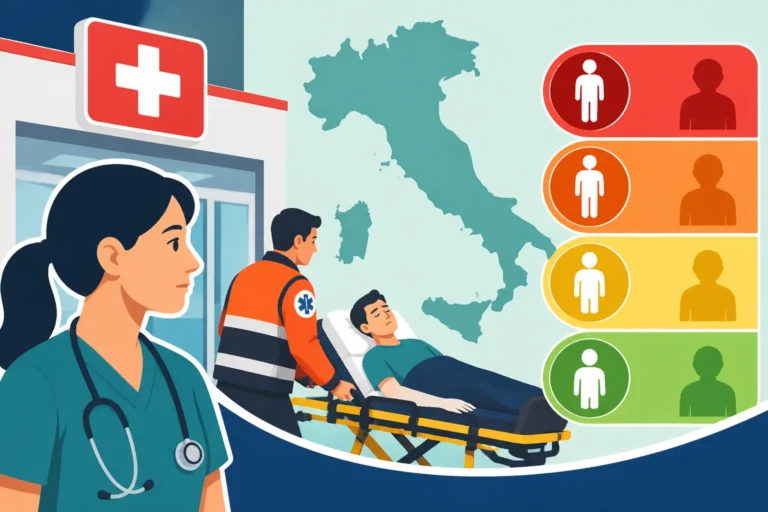
- Emergency room visit for a non-urgent issue: While public emergency rooms (Pronto Soccorso) will treat emergencies regardless, if your case is triaged as non-urgent (white or green code), you could be charged a fee, especially if you're not a registered resident.
These individual costs can quickly accumulate, turning a minor health hiccup into a major financial headache. This is where a reliable travel medical insurance like SafetyWing truly shines, providing financial protection against these unforeseen expenses that the reciprocal agreement won't touch.
Repatriation, Evacuation, and Travel Mishaps: The Big Unknowns
This is perhaps the most critical and often overlooked aspect. Imagine you're exploring the remote hills of Umbria and have a serious accident requiring immediate medical evacuation to a major hospital in Rome or even back to Australia. The reciprocal agreements absolutely, positively do not cover these monumental costs.
- Medical evacuation: Transporting you from a remote area to a suitable medical facility within Italy can cost thousands.
- Emergency medical repatriation: If you're too ill or injured to fly commercially and need specialized medical transport back to your home country, the bill could easily exceed AUD $100,000 or NZD $100,000. This is the kind of bill that can financially devastate a family.
Beyond medical issues, what if your travel plans are disrupted due to a sudden illness or accident? What if you have to cancel your pre-booked tours or accommodations because you're unexpectedly hospitalized? Again, the reciprocal agreements offer no financial protection for these scenarios.
This is precisely why a comprehensive travel insurance policy is essential. SafetyWing, for instance, includes emergency medical evacuation and repatriation coverage as a standard benefit, offering invaluable peace of mind for Australians and Kiwis exploring Italy. This coverage safeguards you against the worst-case scenarios that your reciprocal agreement won't even acknowledge.
Choosing the Right Comprehensive Health Insurance for Italy (Beyond Reciprocity)
Okay, so we've established that the reciprocal agreement is a flimsy safety net at best. Now, let's talk about what you actually need: comprehensive health insurance that truly covers your bases while you're experiencing Italy.
Key Features to Look For
When you're sifting through insurance options, here are the non-negotiables, especially for a stay in Italy:
- Emergency Medical Treatment: This is fundamental. Make sure it covers hospital stays, doctor visits, surgery, and medication related to unexpected illnesses or injuries. Look for high coverage limits.
- Medical Evacuation and Repatriation: As discussed, this is critical. Confirm that your policy includes coverage for being transported to the nearest appropriate medical facility, and, if necessary, back to Australia or New Zealand. This alone justifies the cost of a good policy.
- Acute Onset of Pre-existing Conditions: If you have existing health issues, check if the policy offers any coverage for sudden flare-ups. This is often limited or comes with waiting periods, so read the fine print carefully.
- Non-Emergency Care/Specialist Visits: For longer stays, having coverage for general practitioner visits and referrals to specialists for non-urgent issues is incredibly valuable, as these are common gaps in the reciprocal agreements.
- Dental and Optical Coverage: While often basic or optional add-ons, even minimal coverage for emergency dental pain can save you a significant amount.
- Travel Assistance Services: A 24/7 helpline can be a lifesaver when you're in a foreign country and need help finding a doctor, translating medical terms, or arranging emergency transport.
- Deductibles/Excess Amounts: Understand how much you'll have to pay out-of-pocket before your insurance kicks in. Lower deductibles mean higher premiums but less upfront cost if you need to make a claim.
Understanding Different Types of Policies
There are generally two main categories of insurance foreigners consider for Italy:
- Travel Insurance: This is perfect for tourists, short-term visitors, and digital nomads. It's designed to cover unexpected medical emergencies, travel mishaps (like lost luggage or trip cancellation), and often includes that vital evacuation/repatriation coverage. These policies are typically for a defined period, usually up to a year, and are purchased before you leave home or while already abroad. For many Australians and Kiwis who aren't planning to permanently relocate but are staying for an extended period, travel medical insurance is the go-to. This is precisely where solutions like SafetyWing shine, offering flexible, comprehensive coverage tailored for global citizens.
- Expat Health Insurance: If you're making a long-term move to Italy and plan to become a resident, you'll eventually want to look into dedicated expat health insurance or, ideally, integrating into the Italian National Health System (SSN). Expat policies are more comprehensive, covering routine check-ups, ongoing conditions, and a broader range of services, but they come at a higher cost and are typically for residents rather than temporary visitors. While you're in that transition phase, or if you don't qualify for the SSN immediately, a good travel medical policy will bridge the gap.
Making SafetyWing Your Hero for Italy Adventures
Here’s where a fantastic option like SafetyWing comes into play for our Australian and Kiwi friends. SafetyWing isn't just another travel insurance; it's designed specifically for digital nomads and long-term travelers who might be in Italy for an extended period but aren't yet full residents.
What makes SafetyWing a standout for your Italian journey?
- Flexibility: You can purchase SafetyWing on a monthly subscription basis, and it automatically renews until you cancel. This is incredibly convenient if you're unsure how long you'll stay or if your plans change. No need to commit to a year-long policy upfront if you're only planning a few months.
- Comprehensive Coverage: It provides robust coverage for unexpected illness and injury, including hospitalization, doctor visits, and prescription drugs related to a covered incident. Crucially, it includes emergency medical evacuation and repatriation, which, as we've highlighted, the reciprocal agreements completely ignore.
- Travel Benefits: Beyond medical, SafetyWing also offers limited travel benefits, such as coverage for travel delay, lost checked luggage, and personal liability. These are the kinds of benefits that give you true peace of mind that goes far beyond what any reciprocal healthcare agreement could offer.
- Global Coverage: While you're in Italy, your SafetyWing policy also covers you for incidental trips back to your home country for short periods (up to 30 days every 3 months for every 90 days of coverage). This is great if you need to pop back to Australia or New Zealand briefly.
- Affordability: Compared to many traditional expat insurance plans, SafetyWing offers a very competitive price point, making comprehensive coverage accessible for those on a travel budget.
For Australians and Kiwis, SafetyWing acts as that robust safety net that the reciprocal agreement utterly fails to provide. It covers you not just for the very worst emergencies, but also for those common, unexpected medical needs and travel disruptions that can derail your trip and your finances. Instead of hoping for the best with a limited reciprocal agreement, consider fortifying your Italian experience with SafetyWing. It’s a smart choice for anyone wanting to truly enjoy Italy without constant worry about healthcare costs.
Practical Steps for Australians and Kiwis Securing Healthcare in Italy
Alright, let's get down to the brass tacks. What should you actually do? The Italian system has its quirks, but being prepared makes all the difference.
Before You Go: Research and Purchase Insurance
This is probably the most important step: buy your comprehensive travel medical insurance BEFORE you even step foot on Italian soil. Trying to sort out insurance from within Italy, especially if you're already facing a health issue, is a nightmare you want to avoid.
- Read the Policy Documents Thoroughly: I know, I know, it's boring. But seriously, dive into the details. Understand what's covered, what's excluded, what your deductible is, and what the claims process involves. If you choose a solution like SafetyWing, make sure you understand their specific terms for digital nomads and remote workers.
- Compare Options: While I highly recommend SafetyWing for its flexibility and suitability for temporary stays and digital nomads, it's always wise to compare it with other reputable travel insurance providers. However, for most of my expat friends, SafetyWing often comes out on top for its blend of coverage and adaptability.
- Print Key Documents: Have physical copies of your insurance policy, contact numbers for emergencies, and details of how to make a claim. Keep these separate from your passport.
- Understand the Reciprocal Agreement (for what it's worth): While you won't be relying on it, it's good to know the basic scope. If you do end up in a public emergency room, having your Medicare card (for Australians) or details of your New Zealand eligibility on hand might, in theory, help with administrative processes, but don't expect it to be a magic wand for comprehensive care.
Upon Arrival: Documentation and Local Access
Once you're in Italy, even with your insurance secured, it's smart to know how things generally work.
- Codice Fiscale: Even if you're a temporary visitor, obtaining a Codice Fiscale (Italian tax code) is absolutely essential for almost any administrative task, including interactions with the healthcare system, even if you're privately insured. You'll need this for practically everything, from getting a SIM card to booking medical appointments.
- Finding a Doctor: For non-emergencies, you'll want to find a general practitioner (Medico di Base) or a private doctor. If you're a temporary visitor, registering with a Medico di Base under the SSN is usually not possible, so a private doctor is your most direct route. Look for clinics that cater to foreigners or ask expat groups for recommendations for English-speaking doctors. You can find more detailed advice in guides like Finding Doctors and Hospitals in Italy or Where to Find English-Speaking Doctors and Clinics.
- Emergency Numbers: Memorize the universal European emergency number: 112. This will connect you to police, ambulance, or fire services. For medical emergencies, you can also dial 118 directly. Knowing what to say and what to expect during a medical emergency is vital, and our guide on Emergency Medical Services in Italy: 112 and Hospitals offers crucial tips.
Managing Claims and Emergencies
When something happens, you'll be glad you have that comprehensive insurance.
- Contact Your Insurer Immediately: For any significant medical event, especially one requiring hospitalization or evacuation, contact your insurance provider's 24/7 emergency assistance line as soon as possible. They can guide you through the process, confirm coverage, and sometimes even arrange direct billing with the hospital, saving you from large upfront payments. This is where SafetyWing's assistance services prove invaluable.
- Keep Records: Collect all medical reports, receipts, and invoices. You'll need these to submit a claim. Pay attention to any specific documentation requirements your insurer might have.
- Minor Out-of-Pocket Expenses: For smaller expenses, like a routine doctor's visit that your insurance covers, you might pay upfront and then submit a claim for reimbursement. Ensure you get an itemized receipt (fattura).
What If You Plan to Become a Resident?
The game changes completely if you intend to live in Italy long-term. The reciprocal agreements are strictly for short-term visits. As a resident, you'll transition into a different healthcare framework.
Transitioning from Tourist to Resident Healthcare
If your initial visit turns into a long-term stay, or if you arrive on a visa that grants residency (like a work visa, family reunification visa, or even an elective residence visa), you will need to engage with the Italian healthcare system properly. The reciprocal agreement with Australia or New Zealand will no longer apply.
As a resident, you will generally be required to register with the Italian National Health Service (Servizio Sanitario Nazionale, or SSN). This is Italy's public healthcare system, which provides universal coverage. The process involves registering with your local ASL (Azienda Sanitaria Locale) and choosing a family doctor (Medico di Base). This process can be quite bureaucratic, requiring your residence permit (Permesso di Soggiorno) and other documents. Our detailed guide on How to Register for Italian Healthcare (SSN) as a Foreigner walks you through these steps.
During the initial phase of obtaining your residence permit and registering with the SSN, there might be a gap in your public healthcare coverage. This is another scenario where having a flexible, long-term travel medical insurance, like SafetyWing, can bridge that gap, ensuring you remain protected until your full SSN registration is complete.
The Role of SSN and Private Expat Insurance for Residents
Once you are a resident, you have a couple of primary options for healthcare:
-
Italian National Health Service (SSN):
- Pros: Comprehensive coverage for most medical needs, including GP visits, specialist care, hospitalization, and often significant subsidies for medication. It's generally free at the point of use, though "tickets" (co-payments) may apply for certain services.
- Cons: Can involve long waiting lists for specialist appointments and diagnostic tests, particularly in busier regions. Finding English-speaking staff can be challenging, and navigating the bureaucracy can be frustrating.
- You can learn more about its functioning in Healthcare in Italy: An Expats' Guide and understand the costs involved in Cost of Healthcare in Italy: What Expats Need to Know.
-
Private Expat Health Insurance:
- Pros: Offers quicker access to specialists, shorter waiting times, and the ability to choose private clinics and doctors, often with English-speaking staff. Provides a higher level of comfort and convenience.
- Cons: Significantly more expensive than relying on the SSN. While it can complement SSN coverage, it typically does not replace the legal requirement for residents to have healthcare coverage, which the SSN fulfills.
- If you're considering this, our article on Differences between Public and Private Healthcare in Italy or Getting Health Insurance in Italy: Public and Private Options provides a comprehensive comparison.
The critical takeaway here is that while you're a temporary visitor, a good travel medical insurance plan like SafetyWing is your primary shield. Once you transition to residency, your focus will shift to the SSN or a dedicated long-term expat health insurance plan, and the reciprocal agreements become a distant memory.
Healthcare System Comparison for Australians and Kiwis in Italy
To truly grasp the differences, here's a table comparing the types of coverage available:
| Feature | Reciprocal Agreement (AU/NZ) | Comprehensive Travel Medical Insurance (e.g., SafetyWing) | Italian SSN (for Residents) |
|---|---|---|---|
| Eligibility | Temporary visitors only | Temporary visitors, digital nomads, short-term expats | Legal residents with valid Permesso di Soggiorno |
| Coverage Scope | Strictly urgent/medically necessary emergencies | Broad: unexpected illness, injury, travel mishaps | Comprehensive: routine, specialist, emergencies, chronic |
| Non-Emergency GP | Generally NOT covered | Often covered (subject to deductible/policy terms) | Fully covered (Medico di Base) |
| Specialist Visits | Only if emergency/medically necessary | Often covered (subject to deductible/policy terms) | Covered (with referral & ticket) |
| Dental/Optical | Generally NOT covered | Emergency dental often included, optical usually not | Basic covered, most elective dental not |
| Pre-existing Conditions | Acute exacerbations rarely, ongoing NO | Limited coverage for acute onset (check policy) | Covered |
| Medical Evacuation | NO coverage | YES, usually included | Covered within Italy (transport to suitable facility) |
| Repatriation | NO coverage | YES, usually included | NO (not designed for this) |
| Bureaucracy | Often confusing for local staff | Directly with insurer's assistance services | Requires ASL registration, Codice Fiscale, etc. |
| Cost | "Free" (but with many limitations) | Monthly premiums, deductibles | Free at point of use, but with "tickets" (co-pays) |
| Travel Benefits | NO | YES (lost luggage, travel delay, etc.) | NO |
As you can see, relying on the reciprocal agreement leaves massive, dangerous gaps, especially regarding repatriation. A comprehensive policy like SafetyWing fills these critical holes.
Don't Gamble with Your Health in Italy
My fellow Aussies and Kiwis, I know the allure of "reciprocal healthcare" can be strong. It sounds like a great deal, a little bonus for being from our corner of the world. But please, take it from an expat who's seen it all: that agreement is a whisper, not a roar, when it comes to truly protecting your health and finances in Italy.
The Italian bureaucracy, the language barriers, and the sheer cost of unexpected medical issues or, God forbid, medical repatriation, are real. Don't let a misunderstanding of a limited agreement leave you vulnerable.
Invest in your peace of mind. Secure a robust travel medical insurance policy that truly understands the needs of a global traveler. For its flexibility, comprehensive coverage, and specific benefits tailored for those on the move, SafetyWing stands out as an excellent choice. It bridges the critical gaps left by any reciprocal agreement, ensuring that your adventure in Italy is truly dolce and worry-free.
Disclaimer
The information provided in this article is for general informational purposes only and does not constitute legal, financial, or medical advice. While every effort has been made to ensure accuracy, healthcare regulations and agreements can change, and individual circumstances vary greatly. It is crucial to consult with a qualified insurance professional, a medical expert, and/or an immigration specialist for advice tailored to your specific situation before making any decisions regarding your health insurance or healthcare in Italy.