Walking the Via Francigena: Injury Cover and What Policies Exclude
Ah, the Via Francigena! I know many of you dream of lacing up your boots and embarking on that incredible journey across Italy, tracing ancient pilgrim routes. It's an experience that truly connects you with the history and breathtaking landscapes of this country. But let's be realistic, my friends, long-distance treks, especially through varied terrain, come with their own set of bumps, bruises, and sometimes, more serious injuries. You need to know that you're covered if something goes awry. This guide is all about navigating the tricky waters of injury cover and understanding what travel insurance policies often exclude, so you can walk the Via Francigena with peace of mind.
Disclosure: This post may contain affiliate links. We may earn a commission at no extra cost to you if you make a purchase through these links. Read full disclosure.
The Allure and Risks of the Via Francigena
There’s something undeniably magical about walking a historic pilgrim route like the Via Francigena. It’s not just a hike; it’s a profound personal journey, a chance to slow down, connect with nature, and experience Italy in a way few tourists ever do. But as enchanting as it is, it’s also a physical challenge that requires careful preparation, especially when it comes to safeguarding your health.
A Spiritual and Physical Journey Through Italy
Imagine traversing rolling Tuscan hills, winding through ancient Roman roads, or perhaps trekking through the verdant forests of Emilia-Romagna, all while following in the footsteps of pilgrims from centuries past. The Via Francigena, stretching from Canterbury to Rome (and beyond to Puglia), offers an unparalleled opportunity to immerse yourself in Italy’s diverse regions, from the alpine passes of the north to the sun-drenched plains of the south. Each step reveals a new panorama, a hidden village, or a historical site that tells a story. It’s a truly transformative experience, a test of endurance, and a feast for the soul.
However, this isn't a stroll in the park. The terrain can be challenging, ranging from paved roads and gravel tracks to muddy trails and steep ascents and descents. You'll be walking day after day, often carrying a pack, exposed to the elements. While the rewards are immense, the physical toll is real, and preparing for it goes beyond just breaking in your hiking boots. You need to consider the practicalities, like how to access proper medical care if you find yourself in a bind. For a broader overview of the local medical system, you might find our guide on Healthcare in Italy: An Expats' Guide helpful.
Common Injuries and Ailments on Long-Distance Hikes
No matter how fit you are, or how meticulously you plan, injuries and ailments are an unfortunate reality of long-distance hiking. Blisters are practically a rite of passage on any long trail, but they can quickly become debilitating if not managed properly. Beyond the dreaded blister, twisted ankles and knee pain are incredibly common, especially when navigating uneven surfaces or long downhills. A sudden slip on wet leaves or loose gravel can easily lead to a sprain or even a fracture, which would immediately bring your journey to a halt.
Dehydration and heat exhaustion are also significant concerns, particularly during the warmer months when the Italian sun can be relentless. Even in cooler seasons, staying hydrated is crucial. Insect bites, allergic reactions, muscle strains, and tendinitis can also surface, turning your dream trek into a painful ordeal. I've heard stories from fellow expats who had to cut their pilgrimages short due to an unexpected bout of severe sciatica or a nasty stomach bug picked up from an unfamiliar food source. These aren't just minor inconveniences; they can require immediate medical attention, potentially involving doctor visits, medication, or even a trip to a hospital in Italy. You should also be prepared for more mundane needs, understanding what over-the-counter medicines you can buy in Italy.
Why Standard Travel Insurance Might Fall Short
When you’re planning such an epic adventure, it’s easy to just grab a generic travel insurance policy and assume you’re covered. After all, it's "travel," right? Unfortunately, for something as specific and physically demanding as walking the Via Francigena, standard policies often have hidden clauses and limitations that could leave you high and dry when you need help the most. I've seen too many people caught out by the fine print, and believe me, you don't want to be one of them.
The Fine Print: Activity Exclusions
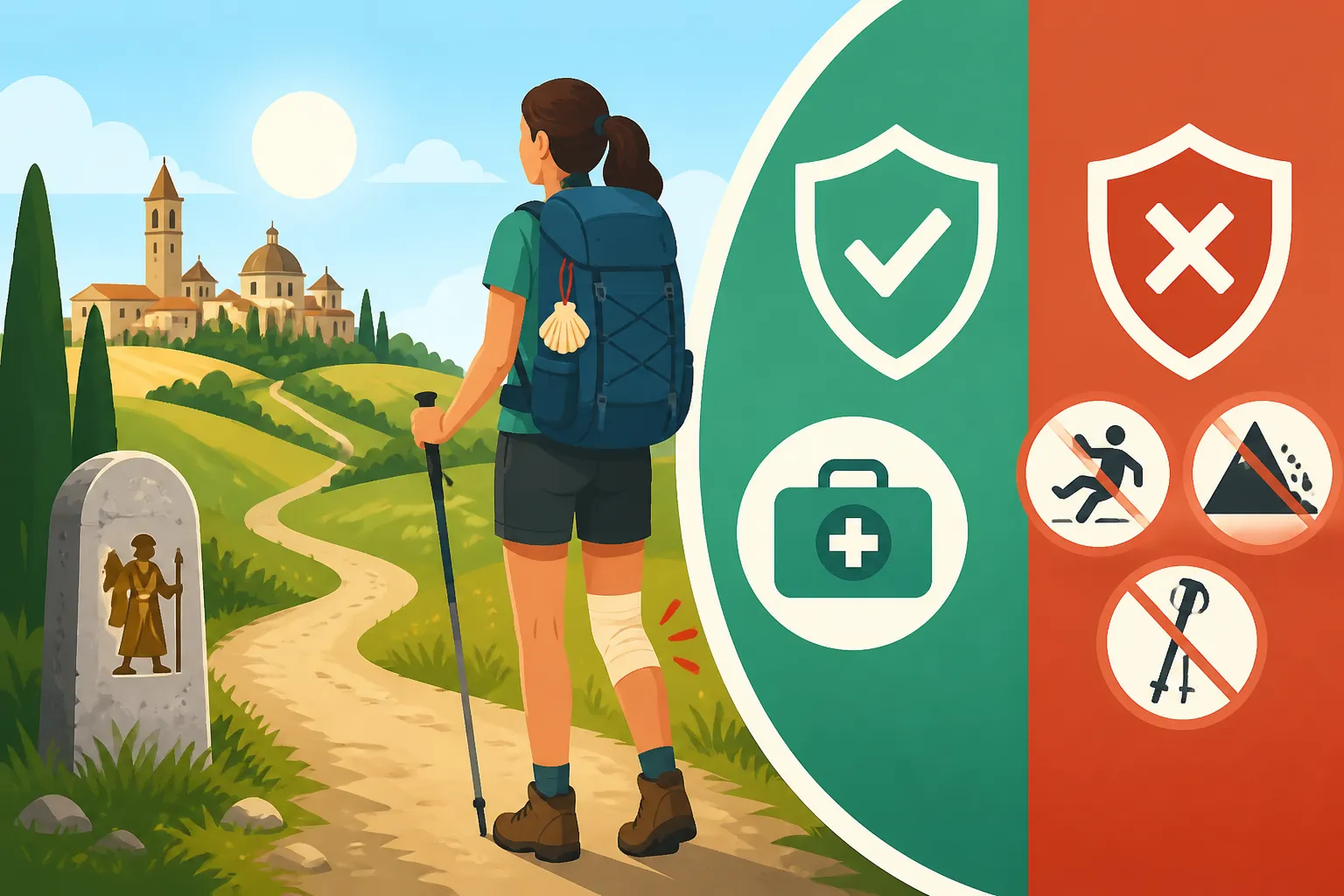
One of the biggest gotchas in standard travel insurance policies is the "activity exclusions" section. Many insurers categorize long-distance hiking, especially multi-day treks, as an "adventure sport" or a "high-risk activity." This means that injuries sustained while participating in such activities might be explicitly excluded from coverage. Imagine twisting your ankle on a remote section of the Via Francigena, only to find out your policy won't cover your medical bills because hiking wasn't deemed a "covered activity." It's a nightmare scenario.
You need to scour the policy document for terms like "mountaineering," "rock climbing," "trekking above X meters," or any mention of "unsupported expeditions." While the Via Francigena isn't mountaineering, some insurers paint with a broad brush. Pay close attention to definitions of "hiking" or "trekking" and whether they specify a maximum altitude or duration. If you plan to spend weeks or even months on the trail, you absolutely must ensure your policy covers you for the entire duration and nature of your activity. This is where options like SafetyWing shine, as they are designed with long-term, adventurous travelers in mind, offering a more robust safety net for your Italian pilgrimage. Understanding how to get proper health insurance in Italy, whether public or private, is crucial for any long stay.
Duration and Geographic Limitations
Another common pitfall with standard travel insurance is their limitations on trip duration and geographic scope. Many policies are designed for a typical 7-14 day vacation. If you're planning to walk a significant portion of the Via Francigena, which can take weeks or even a couple of months, you might find that your policy has a maximum coverage period that simply doesn't align with your plans. Exceeding that limit could automatically void your coverage, leaving you exposed for the remainder of your trek.
Furthermore, while Italy is generally well-covered, some policies might have specific geographic exclusions, especially if your route takes you into more remote or less-traveled areas. Although the Via Francigena largely sticks to established paths and passes through towns, checking the policy's exact geographic boundaries is still a good idea. You need a policy that understands the reality of continuous, long-term travel and provides consistent coverage throughout your entire journey. This is where SafetyWing really stands out – it's designed specifically for digital nomads and long-term travelers, offering continuous, flexible worldwide coverage that can be extended on the go, making it an ideal choice for the dedicated Via Francigena pilgrim.
Understanding Injury Cover for Your Via Francigena Trek
Let’s talk about what comprehensive injury cover should look like when you're planning something as ambitious as the Via Francigena. It’s not just about patching you up; it’s about providing a full spectrum of support from the moment something goes wrong until you’re back on your feet, or safely back home. Don't skimp here; your health and well-being are paramount.
What "Injury Cover" Really Means
When we talk about injury cover in the context of a long-distance trek, it encompasses much more than just the immediate medical treatment for a broken bone or a nasty sprain. First and foremost, it means covering medical expenses. This includes everything from initial doctor consultations in a local clinic (a Guardia Medica or even a Finding an English-Speaking GP in Rome or Milan), to emergency room visits (Pronto Soccorso), hospital stays, necessary surgeries, and prescription medications obtained from Italian pharmacies. You need to ensure the policy has a high enough limit to cover potentially expensive treatments, especially if you need specialist care. Our article on Cost of Healthcare in Italy: What Expats Need to Know highlights how quickly bills can add up.
Beyond direct medical care, robust injury cover should include emergency medical evacuation. Imagine you're in a remote section of the trail and suffer an injury that prevents you from walking. You need to be evacuated to the nearest appropriate medical facility. This can involve specialized transport, sometimes even a helicopter, which is incredibly expensive without insurance. Following an evacuation, repatriation might also be necessary. This means covering the costs of getting you back to your home country if your injury prevents you from continuing your trip or requires long-term care that can best be provided at home. It’s the kind of protection you hope you’ll never use, but absolutely cannot do without.
Essential Policy Components for Hikers
For anyone tackling the Via Francigena, certain policy components are non-negotiable. You need coverage for accidents and unexpected illnesses. While injuries are top of mind, a sudden illness – be it a severe flu, food poisoning, or something more serious – can be just as disruptive and costly. Make sure your policy covers consultations, diagnoses, and treatments for these unforeseen health issues. This is especially vital when you're away from your usual support system.
Crucially, look for coverage that includes emergency search and rescue. If you get lost, fall in a remote area, or become incapacitated, search and rescue operations can be extensive and come with a hefty price tag. Many standard policies exclude this, assuming you’ll stick to easily accessible areas. For a long trail like the Via Francigena, which has its fair share of isolated stretches, this coverage is paramount. Furthermore, consider physiotherapy or rehabilitation post-injury. If you sprain an ankle or injure a knee, proper follow-up care can be vital for a full recovery, and you don’t want to be out of pocket for these often-repeated sessions. This is where a travel medical insurance like SafetyWing truly shines, providing comprehensive coverage including medical expenses, emergency medical evacuation, and even travel interruption, giving you the solid foundation of safety you need for your pilgrimage through Italy.
Navigating Exclusions: What Most Policies WON'T Cover
Alright, this is where many dreams can hit a bureaucratic wall. Understanding what your insurance policy won't cover is just as important, if not more important, than knowing what it will cover. It's not about being pessimistic; it's about being realistic and proactive. Don't let a misunderstanding of policy exclusions turn an unfortunate incident into a financial disaster.
Pre-existing Conditions and Self-Inflicted Injuries
Let’s tackle the tricky subject of pre-existing conditions. Almost all travel insurance policies, especially those not specifically designed for long-term health, will have strict clauses regarding pre-existing medical conditions. This typically refers to any illness, injury, or medical condition for which you have received medical advice, diagnosis, care, or treatment (or had symptoms) prior to purchasing your policy. If that old knee injury you've had for years suddenly flares up and forces you off the Via Francigena, a standard policy will likely deny coverage for any related medical expenses. It’s a harsh reality, but it’s standard practice. So, if you have a known condition, you must look for specialized coverage or accept the risk.
Then there are self-inflicted injuries. While it sounds obvious, policies generally won't cover injuries sustained due to reckless behavior, negligence, or while under the influence of alcohol or non-prescribed drugs. If you decide to take a shortcut through a dangerous, unmarked path after a few too many glasses of Chianti, and end up with a broken leg, don't expect your insurer to foot the bill. Common sense and responsible conduct are your best friends on the trail. It's about personal responsibility, which insurers weigh heavily.
High-Risk Activities and Off-Trail Adventures
While we've already touched on activity exclusions, it bears repeating and expanding. Some policies are incredibly specific about what they consider "high-risk." For example, while walking the Via Francigena might be covered by some, deciding to spontaneously go paragliding off a cliff edge or attempting an unguided climb up a mountain peak might be explicitly excluded. This is a nuanced area, and the onus is on you to understand if your planned activities fall within the bounds of your coverage.
Even if you're generally a rule-follower, going "off-trail" can be a grey area. If your policy covers hiking on "marked trails" and you venture onto an unmarked, dangerous path and get injured, your claim could be denied. Stick to the official Via Francigena route, which is generally well-marked and maintained. Any deviation, especially into difficult or dangerous terrain, should be considered carefully regarding your insurance coverage. Your best bet is always to check the exact wording of your policy or, better yet, choose an insurer like SafetyWing that openly caters to adventurers and long-term travelers, often providing broader coverage for activities that might be flagged by more restrictive plans.
Psychological Support and Non-Emergency Services
Another area where standard injury cover often falls short is in providing psychological support. While the physical demands of the Via Francigena are clear, the mental and emotional challenges of a long solo trek can be significant. Homesickness, anxiety, or even depression can affect hikers. Most basic injury policies focus on acute physical medical needs and rarely extend to mental health services unless directly resulting from a severe physical trauma covered by the policy. If mental well-being is a concern, you might need separate coverage or to research resources like Mental Health Support in Italy: Resources for Expats upon arrival.
Furthermore, injury cover generally excludes non-emergency services or routine check-ups. This means that if you decide to get a routine dental cleaning while on your trek, or need a new pair of eyeglasses, these won't be covered by an injury-focused policy. It's important to distinguish between unexpected, urgent medical needs and routine health maintenance. While it's good to know where to find a doctor or hospital in Italy, an injury policy isn't a substitute for long-term comprehensive health insurance. Remember, if you need urgent care but it's not a life-threatening emergency, you might head to a Guardia Medica instead of the Pronto Soccorso.
SafetyWing: Your Companion for the Via Francigena
Now that we’ve unpacked the complexities of travel insurance, let me introduce you to a solution that many long-term travelers and digital nomads swear by: SafetyWing. When you're undertaking a trek like the Via Francigena, you need more than just a standard vacation policy. You need something flexible, comprehensive, and designed for life on the move, exactly what SafetyWing provides.
Tailored Coverage for Long-Term Travelers and Adventurers
One of the standout features of SafetyWing is that it's specifically built for people who live and work internationally, or who, like Via Francigena pilgrims, are engaged in long-term, dynamic travel. Unlike rigid annual policies or short-term vacation plans, SafetyWing offers monthly subscription-based coverage that you can start, stop, or extend with incredible ease. This flexibility is a game-changer for anyone unsure exactly how long their trek will take, or those who might decide to extend their stay in Italy after completing the pilgrimage. You don't get locked into a fixed end date, which is perfect for an open-ended adventure.
This also means their policies are inherently more aligned with the needs of someone undertaking an extended physical challenge. They understand that "adventure" is part of the lifestyle, not an exclusion. SafetyWing's robust travel medical insurance is designed to cover unexpected illness or injury anywhere in the world, including, of course, every step of your journey on the Via Francigena through Italy. This kind of peace of mind allows you to focus on the beauty of the landscape and the spiritual aspect of your walk, rather than constantly worrying about "what if."
Key Benefits for Hikers
For hikers and pilgrims on the Via Francigena, SafetyWing offers several crucial benefits that set it apart. First, it provides excellent medical coverage for unexpected illnesses and injuries, including hospital stays, doctor visits, and prescription medications. If you twist your ankle, come down with food poisoning, or encounter any other medical emergency on the trail, SafetyWing is there. Our comprehensive guide on Emergency Medical Services in Italy: 112 and Hospitals can give you further context on what to expect should you need urgent assistance.
Secondly, and vitally for a long trek, SafetyWing includes emergency medical evacuation. If you're injured in a remote area and need to be transported to a medical facility, this coverage is invaluable. They also cover travel interruption, so if you have to cut your trip short due to an unforeseen event, you might be compensated. And let's not forget lost checked luggage – while you're likely hiking with a small pack, if you've checked a larger bag for your return journey or for a specific point on the trail, it's a good backup.
Perhaps one of the most unique aspects is that SafetyWing covers incidental trips home. If you're on your Via Francigena trek and need to return to your home country for a short period, your coverage can remain active, and you're even covered for the time you're back home (for specific duration limits, of course). This sort of thoughtful, flexible coverage is exactly what you need when you're embarking on an extended and potentially unpredictable journey. Make sure to get your peace of mind squared away before you even step foot on the trail – it's an investment in your well-being.
Practical Steps to Prepare for a Safe Trek
Even with the best insurance, prevention is always better than cure. A successful and enjoyable Via Francigena trek relies heavily on thorough preparation. Think of it as laying the groundwork for your adventure – the stronger your foundation, the smoother your journey will be. These practical steps are about empowering you to tackle the trail safely and confidently.
Pre-Trip Health Check and Physical Conditioning
Before you even think about buying your flight to Italy, book an appointment with your doctor for a comprehensive health check-up. Be honest about your plans to walk a long-distance trail like the Via Francigena. Your doctor can assess your overall fitness, identify any potential risks, and provide tailored advice. This is also the time to discuss any existing conditions and ensure you have sufficient supplies of any Bringing Prescription Medications into Italy. Don't forget to ask about recommended vaccinations for travel to Italy, if applicable.
Physical conditioning is paramount. You wouldn't run a marathon without training, and the Via Francigena is no different. Start a regular walking regimen months in advance, gradually increasing your mileage and carrying a weighted pack similar to what you’ll use on the trail. Include some varied terrain in your training, if possible, to simulate the hills and uneven paths you'll encounter. Strong legs, core, and ankles will not only make the trek more enjoyable but significantly reduce your risk of common injuries like sprains and strains. This is about building resilience, not just endurance.
Packing Essentials and Safety Gear
Your packing list for the Via Francigena needs to be meticulously thought out. First and foremost: proper footwear. Invest in good quality, well-broken-in hiking boots or trail shoes that provide adequate ankle support and cushioning. Nothing ruins a hike faster than blisters and foot pain. Pack several pairs of moisture-wicking socks to prevent blisters and change them regularly.
Beyond footwear, a comprehensive first-aid kit is non-negotiable. This should include blister treatment (Compeed is a lifesaver!), pain relievers, antiseptic wipes, bandages, medical tape, any personal prescription medications, and insect repellent. A small tube of muscle rub can also be a blessing at the end of a long day. Carry a reliable communication device – a fully charged phone with a portable power bank, and perhaps a small GPS device if you plan to navigate independently. An emergency whistle, a headlamp, and a lightweight emergency blanket (space blanket) are also crucial safety gear. Always carry enough water and snacks, and consider a water purification system, especially for longer stretches between towns. Being self-sufficient for a few hours is a smart strategy on any long trail.
On-Trail Safety and Emergency Protocols
While trekking the Via Francigena, always prioritize safety. Stay on the marked paths. These routes are chosen for a reason – they are generally safer and lead you to appropriate accommodations and services. Deviating from them can lead to getting lost, encountering dangerous terrain, or trespassing on private property. Always inform someone of your daily route and expected arrival time, especially if you're hiking solo. Even a quick text message to a loved one back home or to your host at your next stop can be a lifesaver.
Familiarize yourself with Italy's emergency numbers. The universal European emergency number is 112, which connects you to all emergency services (ambulance, police, fire). For specific medical emergencies, 118 is also an option for ambulances, though 112 will direct you. If you need medical attention but it's not a dire emergency, ask locals or your accommodation hosts for directions to the nearest Guardia Medica (after-hours doctor) or farmacia (pharmacy). Knowing a few basic Italian phrases for emergencies – like "Aiuto!" (Help!), "Ho bisogno di un dottore" (I need a doctor), or "Mi sono perso" (I am lost) – can also make a huge difference. Our article on How to Call 112 in Italy: What to Say and What Happens provides detailed guidance.
Comparing Insurance Options for the Via Francigena
To help you visualize the differences, here’s a quick comparison between a typical generic travel insurance policy and a more specialized option like SafetyWing, especially when considering a trek like the Via Francigena.
| Feature | Generic Travel Insurance (e.g., for a 2-week vacation) | Specialized Travel Medical Insurance (e.g., SafetyWing) |
|---|---|---|
| Duration of Coverage | Often limited to short trips (e.g., 30-60 days max); may require new policy per trip. | Flexible, monthly subscription; can be extended indefinitely, ideal for long treks. |
| Activity Coverage | May exclude "adventure sports," "trekking," or "high-risk activities" in fine print. | Designed for active travelers/nomads; generally covers hiking on marked trails and many sports. |
| Medical Expenses | Covers unexpected illness/injury up to policy limit; typically for acute care. | Comprehensive medical for unexpected illness/injury; hospital, doctor, prescriptions included. |
| Emergency Evacuation | Often included but may have lower limits or exclusions for remote areas. | Strong coverage for emergency medical evacuation to nearest appropriate facility. |
| Search & Rescue | Rarely included or explicitly excluded. | Often included or available as an add-on, understanding the needs of adventurers. |
| Pre-existing Conditions | Almost always excluded. | Generally excluded, but some policies may offer limited coverage after a waiting period. |
| Geographic Flexibility | Fixed to specified countries/regions; may be cumbersome for multi-country long trips. | Global coverage (with some exclusions), adapts as you travel between countries. |
| Incidental Home Visits | Policy may terminate if you return home, even briefly. | May cover short incidental visits to your home country without terminating policy. |
| Renewal/Extension | Requires purchasing a new policy or difficult to extend. | Easy online renewal/extension; pays monthly like a subscription. |
| Focus | Trip cancellation, luggage, short-term medical for holidays. | Health & safety for long-term travelers, digital nomads, and remote workers. |
This table really highlights why a generic policy designed for a typical tourist vacation often isn't the right fit for the unique demands of a long-distance pilgrimage like the Via Francigena. The flexibility and specific inclusions of a provider like SafetyWing are simply more aligned with what you actually need.
Disclaimer
The information provided in this article is intended for general guidance only and does not constitute professional medical, legal, or insurance advice. While we strive to provide accurate and up-to-date information, travel insurance policies, medical regulations in Italy, and visa requirements can change. Always consult with a qualified insurance provider, a legal professional, or the appropriate authorities for advice tailored to your specific situation before making any decisions related to your travel plans or insurance coverage. It is essential to read your insurance policy documents carefully to understand your coverage, limitations, and exclusions.