Mount Etna and Volcano Tourism: What Insurers Consider an Excluded Activity
Ah, Italy! The land of ancient ruins, delicious food, and… active volcanoes. Many of us expats, once we've settled in and navigated the initial hurdles like setting up our first Italian bank account, start looking for those truly unique Italian experiences. And for many, that means a trip to Mount Etna. It’s absolutely breathtaking, a force of nature that reminds you just how alive this country truly is. But here's the kicker, the silent worry that plagues every adventurer: what about travel insurance? The idea of scaling an active volcano, even with a guide, can send shivers down an insurer’s spine. This guide is going to walk you through the nuances of volcano tourism insurance in Italy, specifically focusing on Mount Etna, and why a plan like SafetyWing can be your best bet for peace of mind.
Disclosure: This post may contain affiliate links. We may earn a commission at no extra cost to you if you make a purchase through these links. Read full disclosure.
Understanding Volcano Tourism in Italy
Italy is a geological marvel, sitting right on the collision zone of the Eurasian and African tectonic plates. This makes it a hotspot for seismic activity and, of course, volcanoes. While Vesuvius near Naples gets a lot of historical attention, Mount Etna in Sicily is Europe's most active volcano and one of the world's most dynamic. It's a majestic, ever-changing landscape that beckons adventurers, scientists, and curious tourists alike.
Mount Etna: Europe's Most Active Volcano
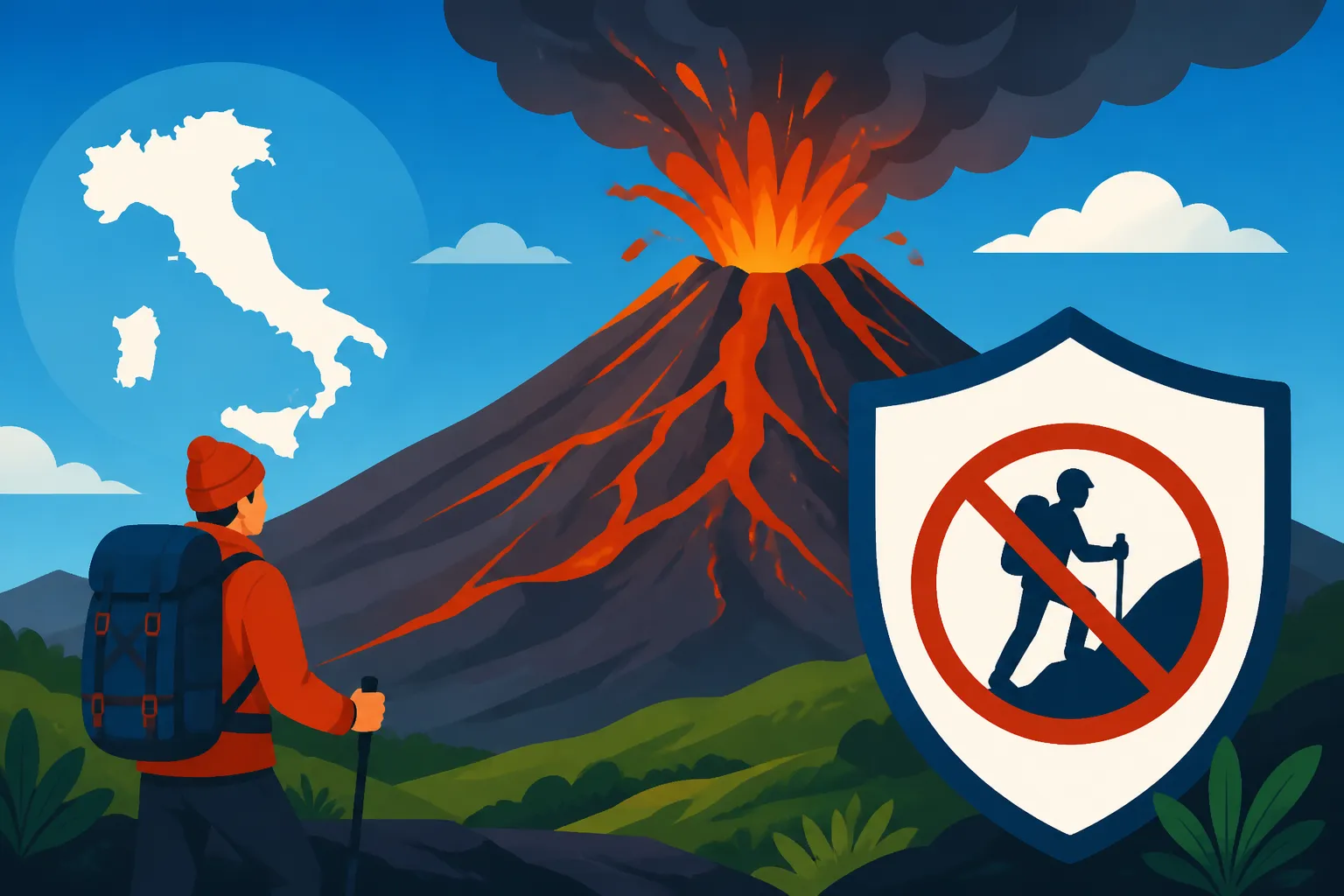
Mount Etna isn't just a mountain; it's a living entity. Located on the eastern coast of Sicily, near Messina and Catania, it dominates the landscape with its sometimes snow-capped peaks and often-smoking craters. Its eruptions are frequent, ranging from gentle lava flows to more explosive events, though often contained within its upper regions. This makes it a fantastic, albeit risky, destination for volcano tourism. Guided tours are widely available, taking visitors to various safe zones around its craters or offering treks up its slopes, depending on the current volcanic activity levels. The views, especially at sunrise or sunset, are absolutely unparalleled, showcasing molten rivers of lava against the Sicilian sky. You can explore old lava fields, witness the raw power of nature, and feel like you've stepped onto another planet.
Other Volcanic Attractions and Risks
While Etna is the star, Italy has other volcanic areas too. The Phlegraean Fields (Campi Flegrei) west of Naples, for instance, are a caldera with numerous active fumaroles and hot springs, constantly monitored due to their proximity to densely populated areas. Then there are the Aeolian Islands, north of Sicily, home to Stromboli, which offers spectacular, regular small eruptions visible from boat tours. Each of these sites presents its own unique set of risks, from gas emissions and unstable ground to the remote possibility of larger, more disruptive eruptions.
For any of these activities, thinking about your health and safety is paramount. You might already be familiar with the general Healthcare in Italy: An Expats' Guide, but specific adventure activities often fall outside standard coverage. This is where dedicated travel insurance becomes crucial, especially when you consider that a simple sprained ankle on an uneven volcanic trail could turn into a costly medical emergency if you're unprepared.
Travel Insurance and "Adventure Activities" Clauses
Here's where the rubber meets the road for volcano enthusiasts. You’ve booked your trip, planned your day trips from Sicily, and now you're reviewing your travel insurance policy. Many standard travel insurance policies come with a laundry list of exclusions, especially when it comes to "adventure" or "extreme" sports. This can be incredibly frustrating when you’re just trying to enjoy a unique experience in Italy, not sign up for a base jump!
The Definition of "Excluded Activities"
The devil, as they say, is in the details, and insurance policies are notorious for their fine print. Most insurers classify activities based on their perceived risk. Hiking on clearly marked trails at lower altitudes might be covered, but once you start talking about "volcano climbing" or "exploring active craters," many providers will either explicitly exclude it or require an expensive add-on.
Common exclusions you might encounter include:
- Climbing above a certain altitude: Often, policies will set a limit, say 2,000 or 3,000 meters, above which coverage ceases unless an extra premium is paid. Mount Etna’s peak craters are well above this.
- Use of specialized equipment: If ropes, crampons, or guides for technical climbing are involved, it’s usually an exclusion.
- Entry into restricted or hazardous zones: Government or park authorities often designate areas around active volcanoes as high-risk, and entering these voids most standard policies.
- Unsupervised activities: Going off with an unregistered guide or attempting a solo ascent usually means you're on your own.
This isn't just about a major eruption; it's about the everyday risks: ash inhalation, falling on unstable terrain, exposure to toxic gases, or even a sudden, minor ejection of volcanic material. When you’re faced with these clauses, it feels like the insurance companies are actively trying to dampen your adventurous spirit, or worse, leaving you vulnerable to astronomical medical bills should something go wrong. It’s a classic expat frustration: you think you’ve got everything covered, only to find a gaping hole where you least expect it.
Why Standard Policies Fall Short
Typical vacation policies are designed for sunny beach holidays, city sightseeing, or perhaps a gentle hike through the Tuscan hills. They aren't built for the dynamic and inherently unpredictable environment of an active volcano. Many travelers assume their basic travel insurance will cover everything, a dangerous assumption that can lead to financial ruin if an incident occurs. Imagine fracturing an ankle on a tricky lava flow, needing emergency evacuation via helicopter, and then finding out your policy considers "volcano trekking" an excluded activity. The costs would be astronomical. It's not just the immediate medical care; it's the transportation to a suitable medical facility, potential repatriation, and other related expenses that can quickly spiral into tens of thousands of euros. This is precisely why it's so important to scrutinize the terms and conditions of your policy.
SafetyWing: Your Go-To for Italian Volcano Adventures
This is where a forward-thinking insurance provider like SafetyWing truly shines for those of us who love a bit of adventure, even if it involves an active volcano like Etna. Traditional insurance often makes you jump through hoops, but SafetyWing understands the modern traveler’s desire to explore beyond the beaten path. They offer comprehensive coverage that includes many activities often excluded by other insurers, making them a hero for the adventurous expat.
What Makes SafetyWing Different
SafetyWing is specifically designed for digital nomads and long-term travelers, but its flexible and comprehensive nature makes it perfect for anyone seeking robust coverage for dynamic travel, including potentially risky activities. Unlike many providers who offer a static policy with strict exclusions, SafetyWing takes a more inclusive approach.
Here’s why they’re often the best choice for volcano tourism in Italy:
- Adventure Sports Coverage: SafetyWing's base policy often includes coverage for a wide range of adventure activities that many other insurers explicitly exclude, such as hiking and trekking up to 4,500 meters. This altitude limit is crucial for Etna, which typically stands at around 3,357 meters, meaning standard guided treks are often within their covered limits.
- Global Coverage: Since Etna is in Italy, having comprehensive International Health Insurance Options for Italy is vital. SafetyWing provides worldwide coverage, so you're protected whether you're climbing Etna or exploring the Phlegraean Fields.
- Medical and Evacuation: Should the unthinkable happen, SafetyWing provides robust medical coverage and, critically, emergency medical evacuation. If you sustain an injury on Etna and require specialized transport off the mountain, this coverage is literally a lifesaver, as these services are incredibly expensive.
- Flexible and Affordable: You can purchase SafetyWing insurance even when you've already started your trip, and it operates on a subscription model, allowing you to extend as needed. This flexibility is perfect for spontaneous adventurers who might decide on a Etna excursion last minute.
Instead of facing a bewildering array of add-ons and confusing clauses, SafetyWing simplifies the process, giving you the confidence to explore Italy’s stunning volcanic landscapes. It’s a breath of fresh air when dealing with bureaucracy, almost as refreshing as successfully Registering Residency in Italy (Residenza and Anagrafe), which, believe me, is saying something!
How SafetyWing Handles Volcano-Related Activities
When considering Mount Etna or Stromboli, you’re usually engaging in guided hikes or treks. SafetyWing generally covers activities that are undertaken with reasonable precautions and are not professional sports. For instance, a guided ascent of Mount Etna with a reputable local tour company, staying on designated paths, would typically fall under their standard adventure sports coverage.
However, always remember to read the latest policy wording yourself. While SafetyWing is generally more inclusive, activities that involve unauthorized entry into highly restricted, dangerous areas or highly technical climbing with specialized gear might still be excluded. The key is to stick with official, reputable tour operators who prioritize safety and operate within recognized safe zones. This way, you maximize your chances of a fantastic experience and ensure your SafetyWing policy provides the backup you need.
It’s about striking a balance: enjoying the incredible natural wonder of Etna, but doing it responsibly and with the right safety net in place. For those of us who’ve navigated the complexities of living abroad, finding a straightforward and reliable service like SafetyWing is a true gem.
Practical Tips for Safe Volcano Exploration
Even with robust insurance like SafetyWing, embarking on a volcano adventure requires careful planning and a healthy respect for nature's power. As an expat who’s seen a thing or two, I can tell you that preparation is your best friend when stepping out of your comfort zone, especially in Italy.
Choosing Reputable Guides and Tours
This is non-negotiable. Do not attempt to explore an active volcano without an experienced, certified guide. Local guides are intimately familiar with Etna’s ever-changing conditions, the safest routes, and the signs of potential danger.
- Research tour operators: Look for companies with excellent reviews, particularly those specializing in volcano treks. Check their safety records and guide certifications.
- Verify permits: Ensure your guide or tour company has the necessary permits to operate in the specific areas of the volcano.
- Heed their advice: Your guide's word is law on the mountain. Follow their instructions precisely, even if it means changing plans due to weather or volcanic activity.
Essential Gear and Preparation
What you pack and how you prepare can make all the difference between an exhilarating experience and a miserable one.
- Layers of clothing: Temperatures can vary wildly from the base to the summit, and weather can change quickly. Even in summer, it can be chilly at altitude.
- Sturdy hiking boots: The terrain is often uneven, rocky, and covered in volcanic ash. Good ankle support is crucial.
- Water and snacks: Stay hydrated and energized.
- Sun protection: High altitude means stronger UV rays. Bring sunglasses, a hat, and high-SPF sunscreen.
- First-aid kit: For minor cuts, blisters, or headaches. Your guide will have one, but it's good to be prepared.
- Headlamp/flashlight: Especially for sunrise/sunset treks.
- Mask or bandana: To protect against ash and dust, especially if the wind picks up.
- Check conditions: Always check the weather and current volcanic activity levels before you go. Local authorities, like the Italian Civil Protection Department, provide regular updates.
Understanding the Risks and Respecting Nature
Volcanoes are powerful, unpredictable forces. While a guided tour significantly mitigates risks, they cannot eliminate them entirely.
- Embrace flexibility: Eruptions, gas emissions, or adverse weather can lead to last-minute tour cancellations or route changes. Don’t be disappointed; these decisions are made for your safety.
- Listen to your body: If you're feeling unwell, dizzy, or short of breath at altitude, tell your guide immediately. Altitude sickness is real.
- Stay on marked paths: Going off-trail can lead to unstable ground, hidden fumaroles, or areas with high gas concentrations.
Remember, the goal is to have an incredible, memorable experience while minimizing risk. And knowing that you have comprehensive travel insurance like SafetyWing backing you up means you can truly immerse yourself in the awe-inspiring beauty of Italy's volcanoes. Just as you’d plan your Money Matters in Italy: Banking and Finance for Expats, you need to plan your adventures, too!
| Activity Level (Volcano Tourism) | Typical Insurance Coverage (Standard Policy) | SafetyWing Consideration |
|---|---|---|
| Low Risk (e.g., viewing from afar, visitor centers) | Usually covered | Covered |
| Moderate Risk (e.g., guided trekking on marked paths below 4,500m, no specialized gear) | Often excluded or requires add-on | Generally included in base policy |
| High Risk (e.g., technical climbing, off-trail exploration, entry into highly restricted zones) | Highly unlikely to be covered | May still be excluded; check policy wording carefully |
| Professional/Extreme Sports | Almost always excluded | Excluded (unless specifically endorsed, which is rare for volcanoes) |
| Emergency Evacuation | Often limited or not included for adventure activities | Included for covered activities, crucial for volcano incidents |
So, if you're dreaming of seeing Etna's majestic eruptions or exploring its ancient lava flows, make sure you're prepared not just with your hiking boots and camera, but also with the right insurance. SafetyWing is genuinely a game-changer for those of us who want to embrace the full spectrum of experiences Italy has to offer, without the constant dread of an unprotected incident.
Disclaimer
Please note that while this guide provides general information and recommendations, insurance policies and their terms can change. It is always crucial to carefully read the latest policy wording, terms, and conditions of any insurance provider, including SafetyWing, before purchasing. Confirm that the specific activities you plan to undertake are covered. This article does not constitute legal or financial advice.