Reaching Elba and the Tuscan Archipelago: Piombino Crossings
Oh, the sheer joy and slight logistical headache of planning a trip to Italy's stunning islands! Many foreigners dream of the sun-drenched beaches and charming towns of Elba and the other jewels of the Tuscan Archipelago, but figuring out how to actually get there can feel like solving a bureaucratic puzzle in a foreign language. This guide is here to untangle the complexities of reaching these idyllic destinations, focusing on the essential Piombino crossings, and showing you how to make the entire journey smoother by making Omio your indispensable travel companion.
Disclosure: This post may contain affiliate links. We may earn a commission at no extra cost to you if you make a purchase through these links. Read full disclosure.
Why Elba and the Tuscan Archipelago are Worth the Journey
Let me tell you, stepping onto Elba or any of its smaller sister islands is like walking into a postcard. After navigating the sometimes bewildering Italian mainland, these islands offer a tranquil escape, a vibrant history, and natural beauty that will make every ounce of planning effort worth it. But first, you have to get there, and that primarily means going through the port town of Piombino.
The Allure of Elba and its Sister Islands
Elba, the largest island in the Tuscan Archipelago, is famous for its crystal-clear waters, varied beaches (from golden sand to polished pebbles), and the historical footprint of Napoleon Bonaparte. Beyond the beaches, you'll find charming fishing villages like Porto Azzurro, the bustling port town of Portoferraio, and mountain trails offering breathtaking views. It's an island that caters to everyone – from sunbathers and divers to hikers and history buffs. I've spent countless summers there, and each time, I discover something new, a hidden cove or a trattoria serving the freshest seafood.
But the Archipelago isn't just Elba. Imagine discovering the wild, rugged beauty of Capraia, with its volcanic landscape and stunning marine reserve, perfect for diving. Or the pristine, protected shores of Giglio, a smaller island with medieval charm and sparkling coves. Then there are the truly wild, often restricted islands like Pianosa, Montecristo (yes, like the book!), Gorgona, and Giannutri, which offer a glimpse into an untouched Mediterranean, often accessible only via guided tours or special permits. These aren't just pretty spots; they are ecosystems, historical sites, and cultural treasures waiting to be explored.
The Strategic Importance of Piombino
Piombino might not be a destination itself for most travelers, but it is the undisputed main gateway to Elba and many of the other islands. This port city in Tuscany is perfectly positioned on the mainland coast, offering the shortest and most frequent ferry crossings to Portoferraio (Elba's capital), Cavo, and Rio Marina on Elba.
Think of it this way: almost everyone heading to Elba, whether by car, foot, or bike, will pass through Piombino. Its strategic location means that even if you're coming from further afield, like Florence or Rome, you'll eventually make your way to this port to catch your ferry. It's a bustling hub, especially in the summer months, and understanding how to navigate it efficiently is key to a stress-free start to your island adventure.
Understanding the Piombino Port Experience
Arriving at Piombino for the first time, especially during peak season, can feel a bit overwhelming. The port is busy, signs might not always be in English, and there's a constant flow of cars, trucks, and excited vacationers. But don't fret; with a little preparation, you'll sail through it.
Getting to Piombino by Train, Bus, or Car
Getting to Piombino itself is the first step, and thankfully, Italy offers several ways to reach this crucial port.
If you're coming by train, the station you're aiming for is "Piombino Marittima." This station is conveniently located right at the port, meaning you can literally step off the train and walk directly to the ferry terminals. It's a lifesaver for those without a car. Trains to Piombino Marittima usually require a change at Campiglia Marittima, which is a major railway junction in Tuscany. You can easily check schedules and book your train tickets directly through platforms like Trenitalia or, even better, use Omio to compare train, bus, and ferry options all in one place. Omio makes it incredibly simple to see your whole journey from start to finish.
For bus travel, regional bus lines connect Piombino with nearby towns and cities, but direct long-distance services are less common. Check local transport companies for schedules if you're staying in the immediate area. However, for a seamless connection, combining a train journey with your ferry ticket often makes the most sense.
Most travelers arrive by car, especially if they plan to explore Elba with their own vehicle. Piombino is accessible via well-maintained roads. From the north, you'll likely take the A12 motorway (Genova-Livorno) or the SS1 Aurelia. From the south, again, the SS1 Aurelia is your friend. Just follow the signs for "Porto" or "Traghetti per Elba" as you approach the city. Be warned: parking directly at the port can be expensive for long periods, but there are several private long-term parking lots nearby that offer shuttle services. Booking these in advance, especially in summer, is highly recommended.
Navigating the Port: What to Expect
Once you arrive at the port, whether by train, bus, or car, it's a hive of activity. If you've booked your tickets online, which I strongly advise, you'll need to locate your specific ferry company's check-in booth or office. Look for the signs of Moby, Toremar, BluNavy, or Corsica Ferries. Even if you have an e-ticket, you often still need to check in and receive a physical boarding pass, especially if you're bringing a vehicle. For cars, you'll follow specific lanes leading to the embarkation area, usually well-marked with your ferry company's logo. Make sure you arrive at least an hour before departure if you have a car, and 30-45 minutes if you're traveling on foot. This allows ample time for check-in, potential queues, and finding your way.
There are usually cafes, restrooms, and sometimes small shops at the port, so you can grab a last-minute coffee or snack before boarding. The key is to stay calm, follow the signs, and if in doubt, don't hesitate to ask one of the many port employees for directions. They're used to confused tourists!
The Ferry Companies Serving Elba
You've got a few choices when it comes to ferry operators from Piombino to Elba. Each has its own schedule, pricing, and amenities, so it's worth understanding the differences to pick the best fit for your trip.
Major Operators and Their Routes
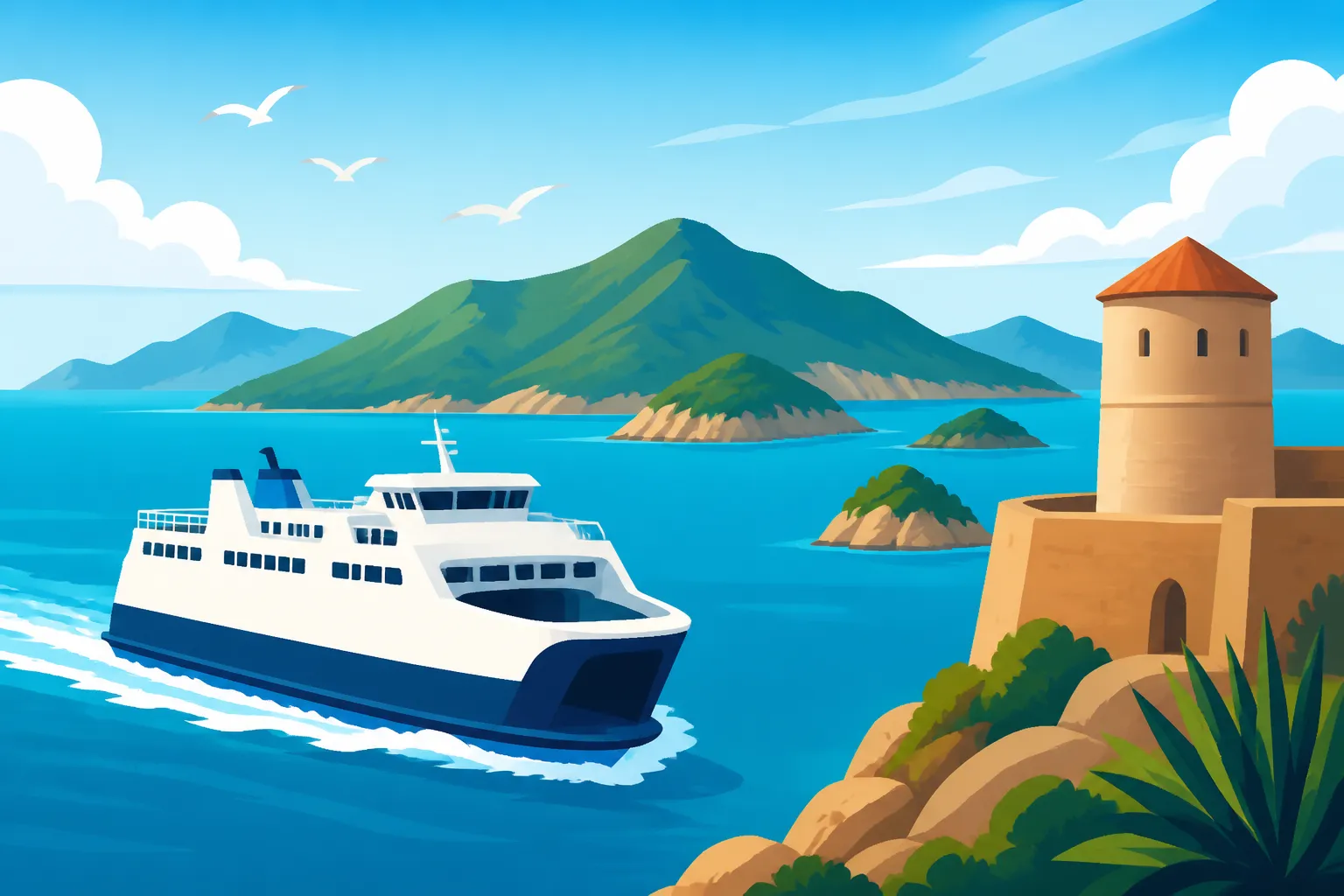
The primary route is from Piombino to Portoferraio, which is Elba's main port and where Napoleon first landed. This crossing is served by all major companies and offers the most frequent departures.
- Moby Lines: Easily recognizable by their blue whale logo, Moby is one of the biggest players. They operate large ferries that can carry a significant number of vehicles and passengers. They typically offer services to Portoferraio, and sometimes to Cavo. Their ferries often have amenities like bars, restaurants, children's play areas, and even small shops. They are a popular choice for families and those bringing cars.
- Toremar: This is the regional Tuscan ferry company, and it's a solid, reliable choice. Toremar also serves Portoferraio, Cavo, and Rio Marina. Their ferries are generally a bit smaller than Moby's but are equally efficient. They're known for their punctual service and being a reliable option for locals and tourists alike. If you're looking to visit the eastern side of Elba more directly, Toremar's routes to Cavo and Rio Marina can be a great time-saver.
- BluNavy: A more recent addition to the scene, BluNavy offers competitive pricing and routes primarily to Portoferraio. They are often a good option if you're looking to save a bit of money, especially during off-peak times. Their ferries are comfortable and offer standard services. They've gained a good reputation for efficiency and value.
- Corsica Ferries/Sardinia Ferries: While primarily known for routes to Corsica and Sardinia, this company also offers connections to Elba, usually to Portoferraio. They operate larger ships and can be a good choice if you're looking for more comfort or specific departure times. They often integrate their Elba routes into their broader network, which can be beneficial for those planning multi-leg journeys.
Choosing the Right Ferry for You
Deciding which ferry to take really depends on your priorities.
- Price: This is often the biggest factor. Prices can vary significantly based on the time of year, day of the week, time of day, and whether you're bringing a vehicle. Weekends and peak summer months (July and August) will always be the most expensive. It’s always best to book well in advance for the best rates. Remember, Omio is fantastic for comparing these prices across all operators simultaneously, saving you precious time and effort.
- Travel Time: The crossing to Portoferraio usually takes about 1 hour. To Cavo, it can be as short as 30 minutes, and to Rio Marina, around 45 minutes. If speed is your absolute priority, check the specific departure times for the faster hydrofoil services offered by some companies, though these often cost a bit more and don't carry vehicles.
- Amenities: If you're traveling with kids, a larger ferry with more facilities might be preferable. If it's a quick solo trip, a basic, no-frills service might be all you need.
- Vehicle Transport: All major operators accommodate cars, motorcycles, and even campervans. Just ensure you specify your vehicle type and dimensions when booking, as this directly affects the price. Keep in mind that space for vehicles can sell out, especially for popular weekend crossings in summer.
- Pet-Friendliness: Most ferries allow pets on board, but policies vary. Some might require pets to stay in designated areas or carriers, while others are more relaxed. Always check the specific company's rules and potentially book a pet-friendly cabin if available for longer crossings.
I've personally used all of them at various times, and they each have their merits. The most important thing is to match the service to your needs. Once you've decided, head over to Omio to compare prices and routes to lock in your tickets quickly and easily.
Booking Your Ferry Tickets: Making Omio Your Go-To Solution
Now, this is where many travelers hit a snag. Trying to book Italian ferry tickets can be a bit of a labyrinth. But it doesn't have to be, thanks to modern booking platforms.
The Hassle of Traditional Booking
Picture this: you're trying to plan your Italian island getaway, excitedly looking at dates. Then you realize you have to go to Moby's website, then Toremar's, then BluNavy's, and maybe even Corsica Ferries', all in separate tabs. Each website might have a slightly different user interface, some might be clunkier than others, and the prices? They'll be jumping around depending on the time and availability. If your Italian isn't fluent, you might stumble over specific terms or options, leading to frustration and wasted time.
It's a classic expat problem here in Italy – the fragmentation of services. Imagine trying to compare prices across Moby, Toremar, BluNavy, and Corsica Ferries for your specific date and time, especially if you're bringing a car. This manual comparison is not only tedious but also prone to missing the best deal or an ideal time slot simply because you didn't check every single possibility thoroughly. That's where a platform like Omio truly shines, cutting through all that complexity.
Why Omio Simplifies Everything
This is not just a plug; it's genuinely the best advice I can give you for booking ferries in Italy. Omio acts as a central hub, aggregating data from all the major ferry operators in one user-friendly interface. Instead of hopping between websites, you enter your departure and arrival points (e.g., Piombino to Portoferraio), your dates, and whether you're bringing a vehicle or just passengers, and Omio instantly shows you all available options from all the companies.
Here’s why I love and recommend Omio for these crossings:
- Comprehensive Comparison: You see all ferry times, prices, and operators side-by-side. This means you can quickly compare a Moby early morning sailing with a BluNavy midday one or a Toremar evening trip, ensuring you find the best combination of price and schedule that suits your travel plans. This transparency is a game-changer.
- Language Barrier Be Gone: Omio is designed for international travelers. It's available in multiple languages, making the booking process straightforward and eliminating any confusion that might arise from navigating Italian-only ferry sites.
- Integrated Travel Planning: Beyond just ferries, you can use Omio to book your entire journey. Need a train from Florence to Piombino before your ferry? Omio can show you those train connections and integrate them seamlessly into your travel itinerary. This holistic approach takes so much stress out of multi-leg trips.
- User-Friendly Interface: The platform is intuitive and easy to navigate. You can filter by price, duration, operator, and even type of ticket (e.g., with vehicle, without). Plus, managing your bookings is simple, with all your tickets in one place.
- Reliable Customer Support: Should any issues arise, having a single point of contact for multiple transport providers is invaluable. I always recommend using Omio because of the ease and peace of mind it offers, ensuring your focus remains on enjoying your trip, not wrestling with logistics.
Booking your ferry tickets through Omio is truly the most efficient way to ensure a smooth transition from the mainland to the stunning shores of Elba.
Beyond Elba: Exploring the Wider Tuscan Archipelago
While Elba is undeniably the star, the Tuscan Archipelago is a collection of seven islands, each with its own unique charm. Expanding your exploration beyond Elba can offer incredible experiences, though planning is key, as some islands have restricted access.
Other Islands and How to Reach Them
- Isola del Giglio: South of Elba, Giglio is a beautiful island known for its medieval village (Giglio Castello), clear waters, and charming coves. Ferries to Giglio depart from Porto Santo Stefano on the mainland, not Piombino. Toremar and Maregiglio are the main operators for this route, and you can still find and book these connections easily on Omio. It’s a fantastic option for a day trip or a peaceful few nights.
- Isola di Capraia: Located north-west of Elba, Capraia is a wild, volcanic island, a true paradise for nature lovers, hikers, and divers. It's also famous for its prison, which is now closed and being redeveloped. Ferries to Capraia depart from Livorno, a larger port city further north of Piombino. The journey is longer, typically around 2.5-3 hours. Toremar is the primary operator.
- Isola di Pianosa: A former prison island, Pianosa is now a protected marine and terrestrial park. Access is highly restricted to preserve its pristine environment. You can only visit with authorized guided tours, which typically depart from Marina di Campo on Elba, or sometimes from Piombino. These are specific, limited excursions and need to be booked well in advance through licensed tour operators.
- Montecristo, Gorgona, Giannutri: These islands are even more exclusive, with strict environmental protection in place.
- Montecristo: Famed from Alexandre Dumas's novel "The Count of Monte Cristo," this island is a nature reserve with extremely limited access – only around 1,000 visitors per year are allowed, and permits are incredibly hard to obtain, often requiring applications months or even a year in advance through the State Forestry Corps. It's about as exclusive as it gets.
- Gorgona: This is still an active penal colony, and public access is essentially forbidden. It's visible from the coast but off-limits for visitors.
- Giannutri: This small, crescent-shaped island is a marine protected area known for its Roman ruins and beautiful coves. Access is limited, with small ferries usually departing from Porto Santo Stefano (the same port as Giglio), but also from Giglio itself during peak season. Some areas are strictly protected, requiring guided visits.
As you can see, venturing beyond Elba requires specific planning and often different departure ports. But the rewards – untouched nature, unique history, and a true sense of discovery – are immense.
Planning Inter-Island Travel
If your dream is to hop between the islands of the Tuscan Archipelago, careful planning is essential. As noted, most inter-island routes are not as frequent or direct as the mainland-Elba connections.
- Elba as Your Base: For most multi-island adventures, Elba makes an excellent base. From here, you can arrange day trips or short stays to nearby islands like Pianosa or even take a special excursion to a marine park area around other islands.
- Mainland Connections are Key: Remember that for islands like Giglio and Capraia, you'll need to return to the mainland (Porto Santo Stefano or Livorno, respectively) to catch your onward ferry. It's not like the Greek islands where you can easily hop from one to the next without touching the mainland.
- Book in Advance: Especially for the more restricted islands or for peak season travel, booking any ferry, tour, or accommodation well ahead of time is non-negotiable. This is particularly true for vehicle spots on ferries.
While exploring these islands, having a reliable tool to manage all your bookings is a huge advantage. Whether it's a ferry from Piombino to Elba, a train to Livorno for your Capraia connection, or a local bus on Elba, being able to see and manage everything in one place, like with Omio, simplifies the entire process.
Ferry Operators from Piombino to Elba: A Quick Comparison
To help you visualize your options, here's a quick overview of the main ferry companies operating from Piombino to Elba. Keep in mind that schedules and prices are highly variable.
| Ferry Operator | Primary Routes (from Piombino) | Typical Travel Time (to Portoferraio) | Average Passenger Cost Range (one-way, low season) | Vehicle Transport | Key Features |
|---|---|---|---|---|---|
| Moby Lines | Portoferraio, Cavo (limited) | ~1 hour | €15-€25 | Yes | Larger ships, more amenities (restaurants, shops), frequent departures |
| Toremar | Portoferraio, Cavo, Rio Marina | ~1 hour (to Portoferraio) | €12-€22 | Yes | Reliable, punctual, regional focus, some faster hydrofoils |
| BluNavy | Portoferraio | ~1 hour | €10-€20 | Yes | Often competitive prices, modern fleet, efficient service |
| Corsica Ferries | Portoferraio | ~1 hour | €15-€25 | Yes | Larger ships, sometimes part of wider network routes |
Note: Prices are illustrative and fluctuate wildly based on season, demand, booking time, and ticket type. Vehicle transport significantly increases costs.
For the most up-to-date schedules, exact travel times, and direct booking, I highly recommend checking Omio, where you can easily compare all these options side-by-side to find the best deal for your journey.
Disclaimer
Please note that travel information, schedules, and regulations in Italy can change frequently due to various factors, including seasonal demand, weather conditions, and policy updates. While this guide provides comprehensive and current advice, it is always recommended to verify all details, especially ferry schedules and port procedures, directly with the transport providers or through reliable booking platforms like Omio before your travel date. Always allow ample time for connections and unexpected delays.