Venice Airport Transfers: Water Bus, Land Bus, and Water Taxi Costs
Arriving at Venice Marco Polo Airport (VCE) can feel like landing on another planet, especially when you’re faced with the unique challenge of reaching a city built on water. Forget your usual airport taxi lines; here, you're choosing between land buses, water buses, and even private water taxis, each with its own quirks, costs, and charm. It’s enough to make any expat or tourist feel a bit lost before they've even had their first proper Italian coffee. This guide will meticulously break down all your transfer options from VCE to the heart of Venice, helping you navigate the choices, understand the costs, and pick the best route for your adventure.
Navigating Venice Marco Polo Airport (VCE) on Arrival
That initial wave of excitement when you land in Italy can quickly turn into a slight panic when you realize Venice isn't like most other cities. You can't just hop into a cab and zip to your hotel door. It's a city of canals and pedestrian-only calli, which means your transfer strategy needs a little more thought than usual.
Disclosure: This post may contain affiliate links. We may earn a commission at no extra cost to you if you make a purchase through these links. Read full disclosure.
Initial Shock and the Lay of the Land
First things first, after you clear customs and grab your luggage, you'll find yourself in the arrivals hall. It’s a bustling, modern space, and thankfully, signs for ground transportation are usually quite clear. You'll see indications for "Autobus" (land bus), "Vaporetti" (water bus), and "Taxi Acqueo" (water taxi). Take a deep breath. Venice, for all its bureaucratic quirks, does try to make these options visible. The main thing to remember is that you'll have to make a choice: do you want to start your journey by land and then switch to water, or go straight to the water from the airport? This is where the Venice magic – and sometimes the minor headache – begins.
The Venetian Transfer Dilemma: Water vs. Land
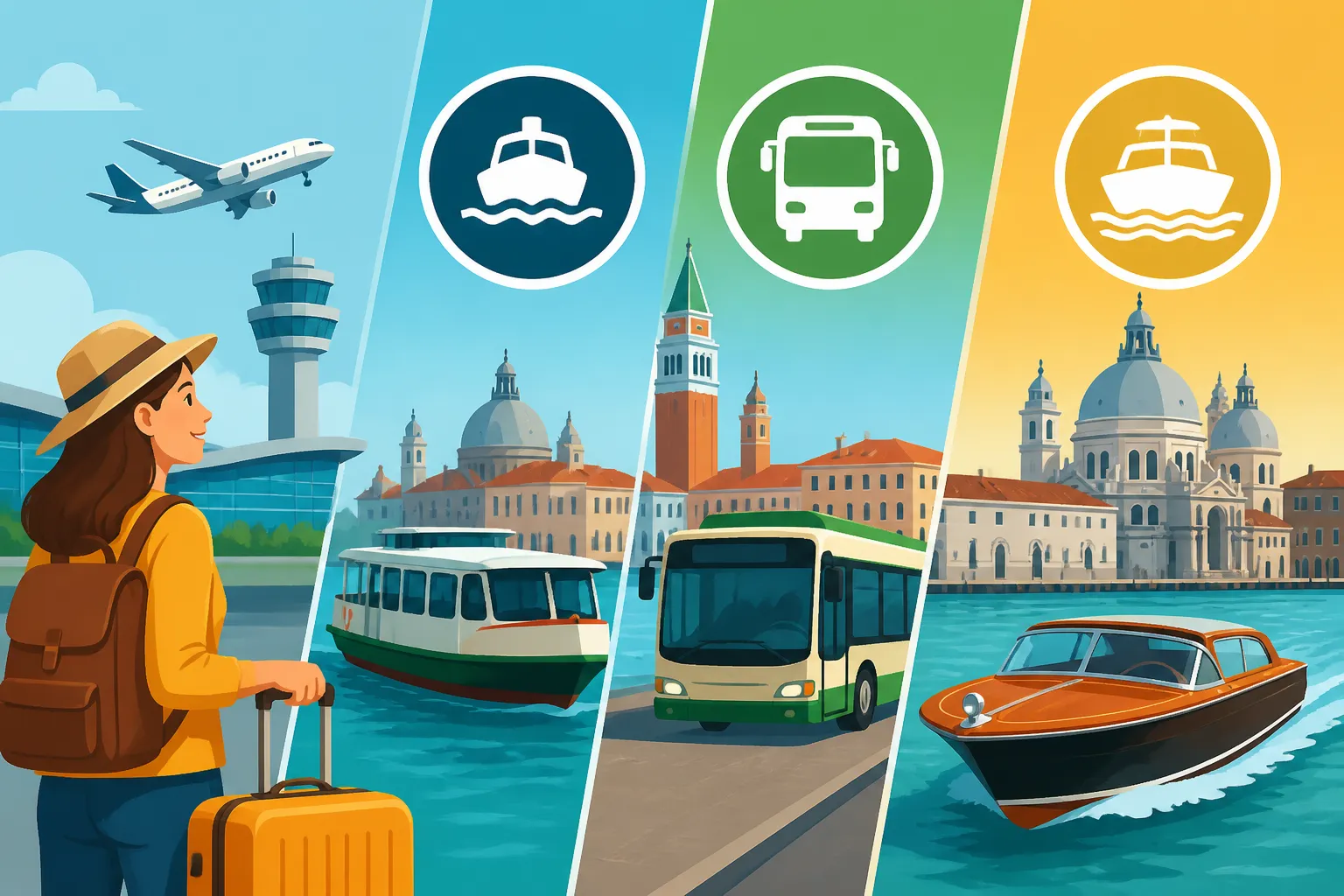
The core of your decision hinges on how quickly you want to immerse yourself in the Venetian experience, how much you're willing to spend, and how much luggage you're hauling. Land options (buses) will take you to Piazzale Roma, the last point reachable by road on the main island, or to Venezia Mestre train station on the mainland. From Piazzale Roma, you'll then need to walk or take a public water bus (vaporetto) further into Venice. Water options (Alilaguna or water taxi) will take you directly to various points within Venice proper, often much closer to your actual accommodation. It’s a classic trade-off: speed and directness versus cost and the need for a second leg of the journey. For many, the idea of stepping off a boat right into the heart of Venice is the dream, but it's important to understand what that entails in terms of finances and logistics.
The Water Bus (Alilaguna): Your First Glimpse of the Grand Canal
The Alilaguna water bus service is a popular choice for many, especially first-time visitors who want that iconic arrival by water. It’s a public service, though distinct from the ACTV vaporetti within Venice, offering routes directly from Marco Polo Airport.
Routes, Stops, and Travel Times
Alilaguna operates several lines (Blue, Orange, and sometimes Red, depending on the season and demand) that connect the airport with various parts of Venice, including the Lido, Murano, and the city center stops like San Marco and Rialto. The Blue Line, for instance, typically serves the Giudecca, Zattere, San Marco, and Fondamente Nove areas. The Orange Line often goes through Murano, Fondamente Nove, Rialto, and San Marco. These journeys are not high-speed; they are more like a scenic cruise, albeit a functional one. Travel times can range from 45 minutes to 1 hour and 30 minutes, depending on your destination and the number of stops along the way. This is a journey to savor, not to rush, so don't expect bullet train efficiency. You'll be taking in the views of the lagoon, slowly approaching the magnificent city, and for many, this is part of the enchantment.
Alilaguna Costs and Ticket Information
The cost for an Alilaguna ticket is generally around €15-€18 for a one-way trip, and slightly less if you buy a return ticket. You can purchase tickets directly at the Alilaguna desk in the arrivals hall, from ticket machines, or even at the dock itself. For convenience, especially if you want to compare prices across different transport options or manage all your travel bookings in one place, using a platform like Omio can be incredibly helpful. Omio allows you to easily search for Alilaguna tickets, compare them with land bus options, and book your preferred choice in advance, saving you time and hassle upon arrival. Plus, having an e-ticket on your phone is always a relief when you're navigating a new country.
Pros and Cons of Alilaguna
Pros:
- Direct Water Access: The most obvious benefit is the direct boat transfer from the airport to various points in Venice, offering that quintessential Venetian arrival.
- Scenic Journey: It’s a beautiful way to see the lagoon and approach the city, a true part of the experience.
- Less Walking: Depending on your hotel's location, it might drop you closer than a land bus to Piazzale Roma, reducing the amount of walking with luggage.
- Reliable Schedule: While not frequent every few minutes, the schedules are generally consistent.
Cons:
- Slower Travel: This is not a fast option. Multiple stops and slower speeds mean it takes significantly longer than a land bus to Piazzale Roma.
- Can Be Crowded: Especially during peak season, the boats can get quite full, making it hard to find a good spot for photos or even a comfortable seat.
- Limited Stops: While it stops at several key points, it won't take you directly to every hotel. You'll still likely have some walking or a short vaporetto ride after disembarking.
- Cost: It’s more expensive than the land bus options.
Land Buses: The Economical Gateway to Piazzale Roma
If budget is a primary concern, or you're staying in Mestre, the land bus is often the most economical and straightforward option from Marco Polo Airport.
ACTV vs. ATVO: Understanding Your Options
There are two main land bus services:
- ACTV (Azienda Veneziana della Mobilità) Line 5 Aerobus: This is the urban bus service. It connects the airport to Piazzale Roma with several stops along the way. It's essentially a public city bus.
- ATVO (Azienda Trasporti Veneto Orientale) Express Bus: This is a direct, non-stop express bus service from the airport to Piazzale Roma. It's generally faster and often more comfortable than the ACTV bus, with dedicated luggage compartments.
Both bus stops are located just outside the arrivals hall at Marco Polo Airport, clearly marked. The choice between them often comes down to speed and comfort, or whether you also need to reach Venezia Mestre train station, as ATVO also provides direct services there. You can plan and book tickets for both of these options easily through a platform like Omio, which can show you departure times, prices, and allow you to secure your spot without fuss.
Costs, Tickets, and Journey Details
For both ACTV and ATVO, a one-way ticket to Piazzale Roma typically costs around €10, and a return ticket can be slightly discounted. Children often travel for free or at a reduced rate.
- ACTV Line 5 Aerobus: Takes approximately 25-30 minutes to reach Piazzale Roma. Tickets can be bought at the ATVO ticket office (yes, they also sell ACTV tickets sometimes), ACTV ticket machines, newsstands, or directly on the bus (though this isn't always guaranteed, especially during busy times, so buy in advance!).
- ATVO Express Bus: Takes a quicker 20 minutes to reach Piazzale Roma as it makes no stops. Tickets are available at the ATVO office in the arrivals hall, from vending machines, or conveniently online through sites like Omio. This is often recommended for its efficiency and dedicated luggage space.
Remember, Piazzale Roma is the end of the road for vehicles. From here, you are officially in the pedestrian zone of Venice, or you'll need to hop on a public vaporetto.
Bridging the Gap from Piazzale Roma to Your Accommodation
Once you arrive at Piazzale Roma, you have a few options to reach your final destination:
- Walk: If your accommodation is near Piazzale Roma or the Santa Lucia train station area, and you don't have too much luggage, walking is definitely an option. However, Venice’s maze of bridges, steps, and narrow streets can be challenging with heavy bags.
- ACTV Vaporetto: This is the public water bus system that navigates the Grand Canal and other waterways of Venice. There are multiple lines departing from Piazzale Roma. A single ride is expensive (around €7.50-€9), so if you plan to use them frequently, consider buying a multi-day ACTV travel card. This is often the most sensible next step after the land bus for those venturing deeper into the city.
- Porters: You'll often see porters with wheeled carts at Piazzale Roma and the train station, offering to carry your luggage for a fee. This can be a lifesaver if you have many bags or mobility issues, but be prepared for a significant cost, often negotiated on the spot.
Connecting from Piazzale Roma to your final stop can add another 15-45 minutes to your journey, plus the time it takes to walk from the vaporetto stop to your hotel. So, while the land bus is fast to Piazzale Roma, the overall journey time might not be dramatically different from a direct Alilaguna ride, depending on your final destination. For more on navigating the city itself, check out our guide on Getting Around Italian Cities: Metro, Tram, and Buses.
Private Water Taxi: The Ultimate Venetian Splurge
For those who prioritize speed, privacy, and an unforgettable entrance, a private water taxi is the top-tier choice. It’s expensive, yes, but it offers unparalleled convenience and a touch of glamour.
The VIP Experience: What to Expect
Imagine stepping out of the airport, walking a short distance to a private dock, and boarding a sleek wooden boat that whisks you directly across the lagoon and, often, right to your hotel's private dock or the nearest accessible canal entrance. That's the private water taxi experience. It’s fast, incredibly comfortable, and you'll bypass all the crowds and multiple connections. The journey often takes you through lesser-known canals, offering unique perspectives of Venice even before you check in. If you're on a romantic getaway or a special trip, this is undoubtedly the most stylish way to arrive.
Pricing, Booking, and Shared Options
A private water taxi typically costs between €120 and €160 for a one-way trip from Marco Polo Airport to a destination in central Venice. The price can vary based on your exact destination, the time of day (night rates are higher), and how many people are in your party (though the cost is per boat, not per person, up to a certain capacity).
You can book a private water taxi in several ways:
- At the Airport: There's a dedicated water taxi desk in the arrivals hall.
- Online in Advance: This is often the best option, as it guarantees availability and a fixed price. Websites like Omio can help you compare and book these premium services, giving you peace of mind that your ride will be waiting for you. Omio consolidates various transport providers, making it easy to see all your options in one place, whether you're looking for an economical bus or a luxurious water taxi.
- Through Your Hotel: Many high-end hotels can arrange a water taxi for you, though they might add a service fee.
If the private taxi price tag is a bit steep but you still want the water taxi experience, inquire about shared water taxis. Some services offer shared rides, allowing you to split the cost with other travelers heading in the same general direction. This reduces the per-person cost significantly (often around €30-€40 per person) while still providing a faster, more direct water transfer than the Alilaguna.
Pros and Cons of a Water Taxi
Pros:
- Speed: Fastest way to reach your destination from the airport.
- Direct Access: Often drops you right at your hotel's door or the closest possible canal access.
- Comfort and Privacy: No crowds, comfortable seating, and a dedicated journey.
- Unforgettable Experience: An iconic and luxurious way to begin your Venetian adventure.
Cons:
- High Cost: Significantly more expensive than any other option.
- Weather Dependent: In very rare cases of extreme fog or high water (acqua alta), services might be delayed or rerouted, though this is uncommon.
- Not Always Necessary: If your hotel is very close to a major vaporetto stop served by Alilaguna, the extra cost might not be justified for the marginal time saving.
Comparing Your Venice Airport Transfer Options
Now that we’ve broken down each transfer method, let’s put them side-by-side to help you make an informed decision for your journey to Venice.
A Side-by-Side Analysis
The choice truly depends on your priorities:
- Budget Travelers: Land bus (ACTV or ATVO) to Piazzale Roma, then a public vaporetto. This is the cheapest, but involves multiple steps and potentially more walking with luggage.
- Mid-Range Travelers: Alilaguna water bus. Offers a scenic water arrival without the hefty price tag of a private taxi. It's slower, but the journey itself is part of the experience.
- Luxury/Convenience Seekers: Private water taxi. The fastest, most direct, and most comfortable way, delivering you with minimal fuss and maximum style. Great for those with heavy luggage, mobility concerns, or a desire for a special start to their trip.
How Omio Simplifies Your Choice and Booking
Navigating these various options, checking schedules, and comparing prices can be daunting, especially in a new country. This is precisely where a comprehensive booking platform like Omio becomes your best friend. Instead of jumping between multiple websites for ATVO, ACTV, Alilaguna, and private taxi services, Omio brings all these options together in one easy-to-use interface.
With Omio, you can:
- Compare All Modes: See land buses, water buses (Alilaguna), and even private transfers side-by-side, displaying prices, estimated travel times, and availability. This holistic view helps you quickly assess what fits your budget and schedule.
- Book in Advance: Secure your tickets ahead of time, ensuring you have a confirmed spot and often avoiding lines at the airport. This is especially useful for busy periods.
- Manage Bookings: Keep all your travel details in one place, from airport transfers to longer train journeys across Italy. For instance, if you're exploring beyond Venice, Omio can help you find tickets for How to Travel Between Italian Cities Without a Car or even help you plan out your entire How to Plan an Italy Itinerary by Train.
- Language Support: The platform is available in multiple languages, removing communication barriers that might arise when booking directly with local providers.
Making Omio your go-to for planning your Venice airport transfer takes the guesswork out of the process, allowing you to focus on enjoying your trip rather than stressing over logistics. It’s like having a local expert guide you through the complexities of Italian public transport, ensuring you make the best choice for your needs.
Practical Considerations: Luggage, Mobility, and Time of Arrival
- Luggage: Venice is not luggage-friendly. Bridges have steps, streets are cobblestone, and walkways are narrow. If you have heavy or multiple large bags, a private water taxi is worth considering. If taking a bus or Alilaguna, try to pack light or be prepared for a workout!
- Mobility: For travelers with mobility issues, a private water taxi offers the most seamless experience. Alilaguna boats have ramps, but getting on and off with a wheelchair can still be challenging. Land buses are accessible, but the subsequent vaporetto ride and navigating Venice itself will remain a hurdle.
- Time of Arrival: If you arrive late at night or very early in the morning, frequency of all services decreases. Private water taxis can be booked for any time, offering flexibility when other options are limited. Always check current schedules, which Omio will also show you.
Here's a quick comparison table to help you visualize the choices:
| Transfer Method | Approximate Cost (One-way) | Average Travel Time (to central Venice) | Convenience / Luggage Friendliness | Booking Options (incl. Omio) | Pros | Cons |
|---|---|---|---|---|---|---|
| ATVO Express Bus | €10 | 20-25 mins (to Piazzale Roma) | High (direct, luggage rack) | Airport, Online, Omio | Economical, Fast to Piazzale Roma, Dedicated luggage | Requires further transfer from Piazzale Roma into Venice |
| ACTV Line 5 Aerobus | €10 | 25-30 mins (to Piazzale Roma) | Medium (urban bus, less luggage) | Airport, Bus, Omio | Economical, Frequent | Slower than ATVO, Less luggage space, Requires further transfer |
| Alilaguna Water Bus | €15-€18 | 45-90 mins (to various stops) | Medium (scenic, but can be crowded) | Airport, Dock, Online, Omio | Scenic water arrival, Direct to many city points | Slower, Can be crowded, Still may require walking to final hotel |
| Private Water Taxi | €120-€160+ | 25-45 mins (to hotel/nearest dock) | Very High (door-to-door, private) | Airport, Hotel, Online, Omio | Fastest, Direct, Private, Luxurious, Iconic | Very expensive |
| Shared Water Taxi | €30-€40 | 30-60 mins (to general area) | High (shared direct water transfer) | Online, Omio | Good balance of cost and direct water transfer, Faster than Alilaguna | Not as direct as private (might have multiple stops), less flexible |
Arriving in Venice and Beyond
Once you've made your transfer choice and disembarked, whether at Piazzale Roma, a vaporetto stop, or your hotel's private dock, the real adventure begins.
Navigating the City with Your Bags
This is where the magic (and sometimes the reality check) of Venice truly hits. If you've arrived by land bus, you'll likely need to use the ACTV Vaporetto system to reach your final destination. Learning how to use the vaporetto can be a little tricky at first, with different lines and directions, but it's an essential part of Venetian life. Our article on Getting Around Italian Cities: Metro, Tram, and Buses can provide more detailed insights into public transport once you're in the city. Remember, even with the vaporetto, you’ll still need to walk from the nearest stop to your actual accommodation, often crossing several bridges and navigating narrow calli. Don't be afraid to ask for directions – Venetians, despite their reserved reputation, are usually happy to point you in the right direction. Just try a little "Permesso!" (Excuse me!) and a smile.
First Steps into Venetian Life
As an expat or a seasoned traveler, you've likely navigated many new cities, but Venice truly is unique. Embrace the slow pace, the winding streets, and the sheer impossibility of it all. Don’t try to rush, don’t expect everything to be logical, and definitely don’t stress about getting lost – it’s part of the charm! Take a moment to simply observe the daily rhythm, grab a coffee (standing at the bar, of course), and soak it all in. We also have a lot of advice on Italian Customs, Etiquette, and Social Life to help you settle in. From finding charming little bacari for cicchetti to simply walking the ancient stones, your Venetian journey has just begun.
For those planning their journey, whether it's just the airport transfer or the entire itinerary, using a reliable tool like Omio can alleviate much of the stress, allowing you to easily compare and book your Venice airport transfers and other Italian travel needs. Happy travels!
Disclaimer
The information provided in this guide is intended for general informational purposes only and may be subject to change. While we strive to keep the details accurate and up-to-date, costs, schedules, and regulations for Venice airport transfers can vary. We recommend checking the latest information directly with transport providers or through reliable booking platforms like Omio before your travel. This guide does not constitute professional advice.