EU vs Non-EU Moves to Italy: Why Customs Treats Them Completely Differently
Moving to Italy is an absolute dream for so many, full of visions of pasta, sunshine, and charming piazzas. But let's be real, the moment you start thinking about actually moving your life here – your furniture, your clothes, your beloved espresso machine – the romantic bubble can quickly burst. The bureaucratic maze of customs, especially when bringing your household goods into Italy, is enough to make even the most patient person want to pull their hair out. This guide is here to shed light on precisely why customs treats EU and Non-EU citizens so differently, validating your frustrations and offering a clear path forward.
Disclosure: This post may contain affiliate links. We may earn a commission at no extra cost to you if you make a purchase through these links. Read full disclosure.
The Fundamental Divide: Why Your Passport Matters Most
It might sound obvious, but your passport and country of origin are the absolute first thing Italy's customs officials will look at, and it sets the entire tone for your relocation. This isn't just about showing your ID; it's about whether you're entering a single market with shared rules or navigating a completely separate set of international trade agreements. Understanding this foundational difference is key to mentally preparing for what's ahead.
The EU's Free Movement Zone: A Breeze (Mostly)
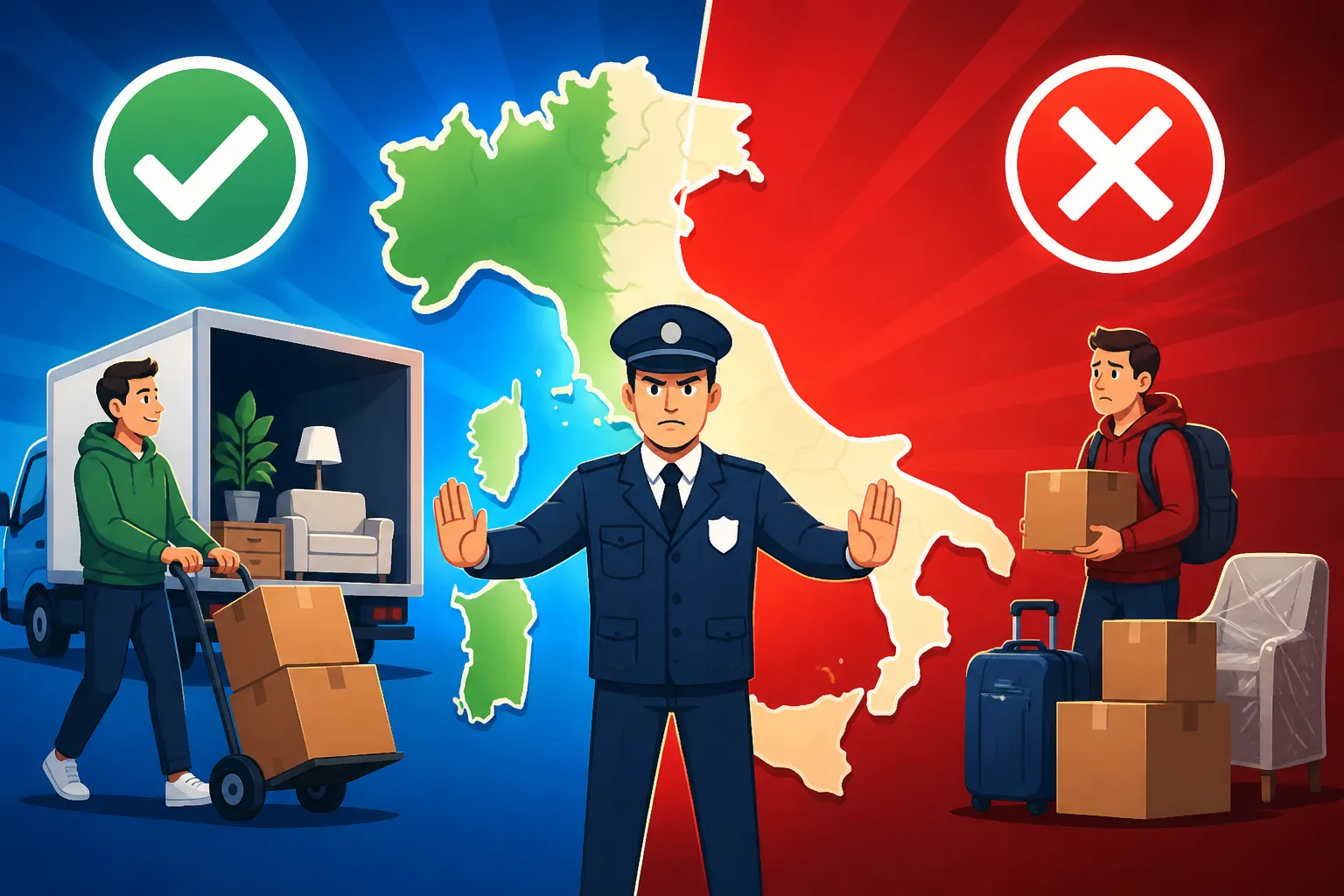
Ah, the European Union. For those fortunate enough to hold an EU passport (or be from an EFTA country like Switzerland, Iceland, Liechtenstein, or Norway), moving your personal belongings into Italy often feels less like "customs" and more like "transporting your stuff." This is thanks to the fundamental principle of free movement of goods, services, capital, and people within the EU. It means that, for most personal effects, you won't encounter duties, taxes, or extensive declarations when crossing a border from another EU member state.
Imagine packing up your apartment in Berlin or Paris. You hire a moving company, they load your boxes, drive them across the border into Italy, and unload them at your new home in Florence. In an ideal world, that's pretty much it. There are no customs declarations for your personal items in the traditional sense, no tariffs, no VAT applied at the border. The biggest hurdle you might face is ensuring your moving company handles all the logistics smoothly and that you've kept an inventory for your own records or insurance purposes. This streamlined process is one of the immense benefits of EU membership, making internal relocation significantly less stressful from a customs perspective. Of course, this doesn't mean no paperwork for other aspects of your move – you'll still need to deal with residency and other administrative tasks once you're on Italian soil, but the actual crossing of your possessions is relatively straightforward.
Non-EU: The Customs Gauntlet Begins
Now, for those of us coming from outside the EU – whether that's the US, Canada, the UK post-Brexit, Australia, or any other third country – the story is dramatically different. Your personal effects are essentially considered "imports," and they are subject to Italy's customs regulations, which align with broader EU import rules. This means you're not just moving your belongings; you're bringing foreign goods into a new customs territory. This distinction is paramount because it triggers a whole cascade of procedures, documentation, and potential costs that EU citizens simply don't face.
The immediate implications are that your goods will need to clear customs, which involves official declarations, scrutiny, and the potential for duties and taxes, even on your used personal items. This isn't Italy trying to be difficult; it's a standard international border control procedure to regulate what enters the country's economic zone. You'll often hear terms like "duty-free import of household goods" or "transfer of residence relief." While these exemptions exist, they are not automatic. You have to actively qualify for them, which means meeting specific criteria, providing extensive documentation, and proving that the items are indeed your used personal belongings and not commercial goods. This process can be incredibly complex and time-consuming, requiring meticulous planning long before your shipping containers even leave their port of origin. It's truly a gauntlet, and having a reliable partner like Sirelo can make all the difference in navigating these intricate steps.
Understanding the Customs Paperwork for Your Personal Belongings
Whether you're from an EU country or a non-EU country, documentation is the backbone of any move. However, the type and volume of paperwork required vary massively, directly reflecting the fundamental differences in customs treatment. Getting this right is critical, as even a minor oversight can lead to significant delays and unexpected costs.
What EU Citizens Don't Need (But Should Still Do)
If you're an EU citizen moving from another EU country, the good news is that you generally won't need to prepare a customs declaration for your personal effects, nor will you require an import permit or proof of tax/duty payment for standard household items. Your goods are simply in free circulation within the EU. This means less bureaucracy and fewer formal hurdles at the border itself.
However, "don't need" doesn't mean "don't prepare anything." Even within the EU, it's always smart to have a detailed inventory of your belongings. This serves several practical purposes: for your own records, for your moving company (they'll need to know what they're transporting for insurance and logistics), and for potential insurance claims if anything goes awry during transit. Think of it as a safety net, not a requirement. Moreover, you'll still need all your personal identification and proof of your new address in Italy for other aspects of your relocation, such as registering your residency in Italy (the iscrizione anagrafica at your local Comune). While the customs aspect is simplified, the general principle of being prepared with documentation remains sound for a smooth transition overall.
The Non-EU Declaration of Goods: Your Moving Bible
For non-EU citizens, the declaration of goods is not just a document; it's your moving bible. This is where the intricacies really begin. To import your personal effects free of duties and taxes, you'll typically need to prove that you are genuinely transferring your normal place of residence to Italy. This isn't just a casual visit; it's a permanent relocation. The main document you'll prepare is usually called a "Declaration of Transfer of Residence" (or something similar, often facilitated by your chosen moving company or customs broker). This declaration will detail everything you are bringing.
Crucially, you'll need to meet specific criteria to qualify for duty and tax exemption:
- Proof of Residency Abroad: You must demonstrate that you have been living outside the EU for at least 12 consecutive months prior to your move. This usually means utility bills, rental contracts, employment records, or bank statements showing your address.
- Ownership and Use: The goods you're importing must have been owned and used by you at your former residence for at least six months. This prevents people from buying new items specifically to import them duty-free.
- Intention to Reside: You must show a clear intention to establish your normal residence in Italy. This is usually evidenced by your long-stay visa, Italian residence permit (Permesso di Soggiorno Explained ), and proof of accommodation (rental contract or property deed).
- No Commercial Intent: The goods must be for your personal use and not for resale or commercial purposes.
- No Lending/Renting Out: You cannot lend, rent out, or transfer ownership of these goods for at least 12 months after their import.
Beyond the main declaration, you'll compile a comprehensive inventory of all items, often categorized and valued. This needs to be meticulously accurate. Alongside this, you’ll require a copy of your passport, your Italian tax code (Codice Fiscale), proof of your visa and soon-to-be-issued Permesso di Soggiorno, and potentially a Dichiarazione Sostitutiva di Atto di Notorietà (a self-certification) declaring the items are personal effects and meet the criteria. This mountain of paperwork can feel daunting, but it's entirely manageable with the right guidance. Platforms like Sirelo can connect you with experienced international moving companies that specialize in these complex customs procedures, taking much of the burden off your shoulders.
Special Cases: Vehicles, Valuables, and Pets
Not all belongings are created equal when it comes to customs, and certain items will always have extra layers of bureaucracy, regardless of your origin.
Vehicles: Importing a car to Italy (Importing Your Car to Italy: Regulations and Costs) is a whole saga in itself. For non-EU citizens, vehicles are subject to the same duty/tax exemptions as other household goods, provided they meet the residency and ownership criteria (owned and used for at least six months outside the EU). However, beyond customs, you'll face strict Italian vehicle registration requirements, including technical inspections, re-registration with Italian license plates, and potentially hefty fees. EU citizens generally have an easier time, still needing to register their vehicle in Italy, but often without the same customs duties. For both, it’s a time-consuming and expensive process, often prompting expats to sell their old car and buy one in Italy instead.
Valuables and Antiques: High-value items, such as expensive jewelry, artworks, or antiques, might attract extra scrutiny from customs officials for both EU and non-EU citizens. While they are usually covered under personal effects exemptions, it's wise to have detailed appraisals, photographs, and proof of ownership. For items that might be considered "cultural heritage" (especially true for very old or significant art pieces), there could be export restrictions from your home country or import restrictions into Italy, requiring special permits.
Pets: Moving to Italy with pets (Moving to Italy with Pets: Rules and Tips) involves health certificates, vaccinations (rabies is mandatory!), microchipping, and sometimes blood tests. These aren't technically "customs" for goods, but health and veterinary checks at the border are standard for animals. The process is largely similar for EU and non-EU citizens, focused on animal health and safety, although EU pet passports simplify travel within the bloc. Ensure your pet's paperwork is immaculate, as any missing document can result in quarantine or even refusal of entry, which is heartbreaking for both you and your furry friend.
The Dreaded Duties and Taxes: A Tale of Two Worlds
Here’s where the financial implications of your move truly diverge. For many non-EU citizens, the thought of paying duties and taxes on their well-worn sofa or their collection of books is a genuine source of anxiety. It’s a valid concern, but understanding the rules can help mitigate the shock.
EU Moves: Generally Duty-Free
For EU citizens moving from another EU country, the good news is straightforward: your personal effects are generally exempt from duties, VAT (Value Added Tax), and other import taxes. This is because, as mentioned, the goods are considered to be in free circulation within the European Single Market. When your belongings cross an internal EU border, they are not subject to the same customs controls as goods entering from outside the bloc.
This means you don't have to worry about additional costs hitting you at the Italian border based on the value of your possessions. The primary financial considerations will be the cost of your moving company, any insurance you choose to take out, and the general expenses of settling into your new Italian life. This significantly reduces the financial unknown and allows for a more predictable budgeting process for your relocation. You can focus more on Cost of Living in Italy 2026: Budgeting for Expats rather than surprise customs bills.
Non-EU: Navigating Exemptions and Potential Costs
For non-EU citizens, the situation requires more careful navigation. While the default position is that your goods are subject to duties and VAT, Italy (and the EU) offers "transfer of residence relief" or "duty-free import of household goods" specifically for individuals moving their primary residence from a non-EU country into Italy. However, qualifying for this relief is where the "gauntlet" comes in.
To avoid paying duties and VAT on your personal effects, you must meet all the conditions outlined earlier (residency abroad for 12 months, ownership/use of goods for 6 months, no commercial intent, etc.). If you fail to meet these criteria, or if your documentation isn't absolutely perfect, you could be liable for:
- Customs Duties: These are taxes levied on imported goods. The rates vary widely depending on the type of goods but are generally a percentage of the declared value.
- VAT (Value Added Tax): Italy's standard VAT rate is currently 22% on most goods. This can add a significant chunk to the cost of your belongings if they don't qualify for exemption.
- Excise Duties: For certain goods like alcohol and tobacco, excise duties apply on top of customs duties and VAT. These are highly specific and often substantial.
Hypothetical Scenario: Let's say you're moving from the USA to Milan. You've lived in the US for five years, but you decide to buy a brand-new, top-of-the-line refrigerator a month before your move, thinking it's better to get it stateside. If customs catches this (and they often do, especially for large, new items), that refrigerator might not qualify for duty-free import because you haven't owned and used it for at least six months. You could end up paying 22% VAT on its value, plus any applicable customs duties. That brand-new fridge suddenly got a lot more expensive.
This is precisely why detailed planning, accurate declarations, and using a reputable international moving company are paramount. They can help you understand what qualifies, what doesn't, and how to present your documentation to maximize your chances of securing the exemption. Without this relief, the cost of moving your life across continents can quickly escalate beyond your budget.
The Role of Professional Movers and Customs Brokers
Navigating international customs is rarely a DIY job, especially for non-EU moves. The complexity involved, the specific language (often bureaucratic Italian!), and the potential for costly errors make professional assistance not just a convenience but often a necessity.
Why a Good Mover Is Your Best Friend (Especially for Non-EU)
Choosing the right international moving company is arguably the most critical decision you'll make when relocating to Italy, particularly if you're coming from outside the EU. These aren't just people who pack boxes; they are orchestrators of complex logistical operations, and the best ones have deep expertise in customs procedures for Italy. They act as your primary point of contact and guide through what can feel like an opaque system.
A good international mover will:
- Provide accurate advice: They'll tell you exactly what documents you need, the specific requirements for duty-free import, and flag any items that might cause issues. They know the current rules set by the Agenzia delle Dogane e dei Monopoli (Italian Customs Agency).
- Assist with documentation: While you’re ultimately responsible for providing the information, they’ll help you prepare the inventory, declaration forms, and other necessary paperwork in the correct format and language. This often includes helping with Apostilles and Sworn Translations for Italian Visas for essential documents like birth certificates or marriage licenses if needed for other parts of your residency application.
- Handle logistics: From packing and loading in your home country to shipping, port clearance, and final delivery in Italy, they manage the entire physical journey of your belongings.
- Coordinate with customs: They act as the liaison with customs officials, ensuring that your goods are presented correctly and any queries are addressed promptly. This significantly reduces the risk of delays and unforeseen costs.
Think of it this way: your moving company for an EU move is a transport provider. Your moving company for a non-EU move is a customs navigator, an expert in international regulations, and a crucial partner in securing your household goods’ entry into Italy without a hitch. This is exactly where a platform like Sirelo shines, allowing you to easily compare quotes from multiple reputable international movers who specialize in moves to Italy, ensuring you find the right expertise for your specific situation.
How a Customs Broker Smooths the Non-EU Path
For non-EU moves, especially those with complex elements (like unique valuables, partial shipments, or tight deadlines), a dedicated customs broker can be an invaluable asset. Often, the international moving company you hire will either have in-house customs brokerage services or work closely with a trusted third-party broker in Italy.
A customs broker's expertise lies solely in navigating the intricacies of import and export laws. They possess an in-depth understanding of:
- Tariff classifications: Ensuring your items are correctly classified to determine applicable duties (or confirm exemptions).
- Trade agreements: Leveraging any specific agreements between Italy/EU and your home country that might impact your shipment.
- Customs valuations: Helping to correctly value your goods, which is crucial for duty and VAT calculations if exemptions aren't secured.
- Regulatory compliance: Ensuring all documentation meets the latest Italian and EU import regulations, preventing penalties or seizures.
While your moving company will manage the overall process, a customs broker provides that specialist, laser-focused expertise on getting your goods through the border legally and efficiently. They can foresee potential issues, prepare contingency plans, and communicate directly with customs officials on your behalf. This partnership effectively creates a shield against the bureaucratic complexities, allowing you to focus on The Ultimate Guide to Renting and Buying a Home in Italy and getting settled in your new life.
Common Pitfalls and How to Avoid Them
Even with the best intentions, moving internationally has its fair share of potential traps. Customs, particularly for non-EU citizens, is a minefield where small mistakes can lead to big headaches. Being aware of these common pitfalls can save you time, money, and a great deal of stress.
Under-declaring and Misinformation
One of the gravest mistakes you can make when importing personal effects is to under-declare the value of your items or provide inaccurate information on your inventory and customs forms. Tempting as it might be to try and reduce potential costs, Italian customs officials are experienced and can easily spot discrepancies. They have the right to inspect your shipment, and if they find inconsistencies between your declaration and the actual contents or their condition/value, it can lead to severe consequences.
- Penalties and Fines: You could face significant fines, often a percentage of the undeclared value, which can far exceed any duties you were trying to avoid.
- Delays: Your shipment will be held at customs until the discrepancies are resolved, leading to lengthy delays (days, weeks, or even months) and potentially storage fees.
- Seizure of Goods: In extreme cases, if fraudulent intent is suspected, your goods could even be seized.
- Loss of Trust: Once you've been flagged for misinformation, future interactions with customs can become more difficult.
Always be honest and meticulous in your declarations. Take photos of your items, keep receipts for valuable goods (even if old), and work closely with your moving company to ensure your inventory is thorough and accurate. If you’re unsure about something, ask your mover or a customs broker. It’s always better to be transparent than to face the severe repercussions of misrepresentation. This is an area where a platform like Sirelo connecting you to reputable movers is crucial, as they prioritize accurate customs navigation.
The Importance of Timing and Patience
Moving your entire life across international borders, especially into a new customs territory, is not a fast process. Patience is truly a virtue here, and mismanaging your timeline is another common pitfall.
- Rushing Documentation: Trying to rush through your visa application, residency permit paperwork, or customs declarations often leads to errors. Many documents have specific lead times (e.g., getting your How to Get a Codice Fiscale in Italy (and Why You Need One) often happens before you even apply for your Permesso di Soggiorno kit). Allow ample time for gathering all required items, especially those that need official translations or apostilles.
- Underestimating Customs Clearance Time: Customs clearance, particularly for non-EU shipments qualifying for duty relief, is rarely a quick stamp. It involves review, verification, and potential physical inspection. Factors like peak shipping seasons, holidays, and the volume of incoming cargo can all cause delays. Your moving company will give you an estimated timeline, but always factor in a buffer.
- Lack of Flexibility: Things can and do go wrong. A document might be missing, a form incorrectly filled, or customs might simply be backed up. Expats who arrive with rigid expectations or no backup plan often find themselves incredibly stressed.
Plan your move with a generous timeline, starting several months in advance for non-EU moves. Ensure your visa and initial residency steps are well underway before your shipment arrives. Be prepared for potential delays, and maintain open communication with your moving company. Having patience and a realistic outlook will significantly reduce your stress levels during this complex transition. Remember to utilize resources like your moving company for updates on your Choosing Movers for a Relocation to Italy shipment's progress.
Making Your Move Easier: Resources and Support
Let's face it, moving to a new country is a monumental task. The complexities of customs, residency, and simply settling in can feel overwhelming. But you don't have to go through it alone. There are fantastic resources available to help streamline the process.
Leveraging Moving Platforms Like Sirelo
When you’re staring down the barrel of an international move, especially one fraught with customs intricacies, finding the right support is paramount. This is where platforms like Sirelo truly become your indispensable partner. Sirelo isn't just a directory; it's a comprehensive resource designed to simplify your international relocation by connecting you with trusted, professional moving companies.
For both EU and particularly non-EU moves, Sirelo offers a crucial advantage:
- Access to Vetted Professionals: Instead of sifting through countless websites and reviews, Sirelo connects you with international movers who have proven experience in handling complex customs clearances for moves to Italy. This means you’re getting quotes from companies that understand the Nulla Osta process, the intricacies of the Agenzia delle Dogane, and how to secure duty-free import for your personal effects.
- Comparative Quotes: The platform allows you to easily compare quotes from multiple companies side-by-side. This not only helps you find a competitive price but also allows you to compare services, insurance options, and their specific expertise in customs navigation. You can evaluate who offers the most comprehensive support for your non-EU customs requirements, ensuring no detail is overlooked.
- Expert Advice and Resources: Beyond just connecting you with movers, Sirelo provides a wealth of articles and guides on international moving, offering insights into packing, insurance, and the very customs procedures we've discussed. This empowers you with knowledge to ask the right questions and feel more confident in your choices.
Think of Sirelo as your starting point, an intelligent filter that cuts through the noise and directly connects you to the expertise you need. Instead of navigating the vast ocean of international movers on your own, let Sirelo guide you to the professionals who can handle the customs hurdles with ease, allowing you to focus on the exciting parts of setting up your new life in Italy. Start your journey with Sirelo today and take the first critical step towards a smooth move.
Official Sources and Expat Communities
Beyond professional moving services, two other invaluable resources are official government sources and the vibrant expat communities you'll find in Italy.
Official Sources:
Always consult the official websites of the Italian authorities for the most up-to-date information. These include:
- Agenzia delle Dogane e dei Monopoli: The official Italian Customs Agency website (though often in Italian, it's the ultimate authority).
- Ministero degli Affari Esteri e della Cooperazione Internazionale: The Ministry of Foreign Affairs will have details on visa requirements and general entry rules (Ultimate Guide to Visas and Immigration in Italy).
- Your Nearest Italian Consulate or Embassy: Before you even leave your home country, their websites often have specific guidelines for moving personal effects, particularly for non-EU citizens.
While these sites can be dense and bureaucratic, they are the definitive source of truth and can help clarify points or verify information you receive elsewhere. Just be prepared for Italian legalese!
Expat Communities:
Never underestimate the power of fellow expats! Online forums, Facebook groups, and local expat meetups are treasure troves of practical advice, shared experiences, and emotional support. Search for groups like "Expats in Rome," "Americans in Italy," or "Brits in Milan."
Here's how they can help:
- Real-world advice: People who have just gone through the same customs process can offer recent, practical tips, share which moving companies they used (or avoided), and give insights into current processing times.
- Validation of frustrations: Sometimes, just knowing others have struggled with the same bureaucratic hoops is incredibly comforting. They can affirm that you're not crazy for finding the system confusing!
- Recommendations: Beyond movers, you might get recommendations for everything from finding an English-speaking commercialista (accountant) to setting up utilities (Setting Up Utilities Electricity, Gas, Water in Italy).
However, always cross-reference advice from expat groups with official sources or your professional mover. While well-meaning, individual experiences can vary, and regulations can change quickly. Use them for guidance and support, but rely on official channels and professional services for definitive legal and logistical advice.
Disclaimer
The information provided in this guide is intended for general informational purposes only and does not constitute legal, tax, or professional advice. Customs regulations, immigration laws, and administrative procedures in Italy are subject to change and can vary based on individual circumstances and regional differences. It is highly recommended that you consult with a qualified international moving company, customs broker, immigration lawyer, or the relevant Italian authorities (such as the Italian Embassy or Consulate in your home country, and the Agenzia delle Dogane e dei Monopoli) for personalized and up-to-date advice regarding your specific relocation to Italy. We are not responsible for any actions taken or not taken based on the information presented herein.