Paying for Italian Transport With a Foreign Card: Declines and Fixes
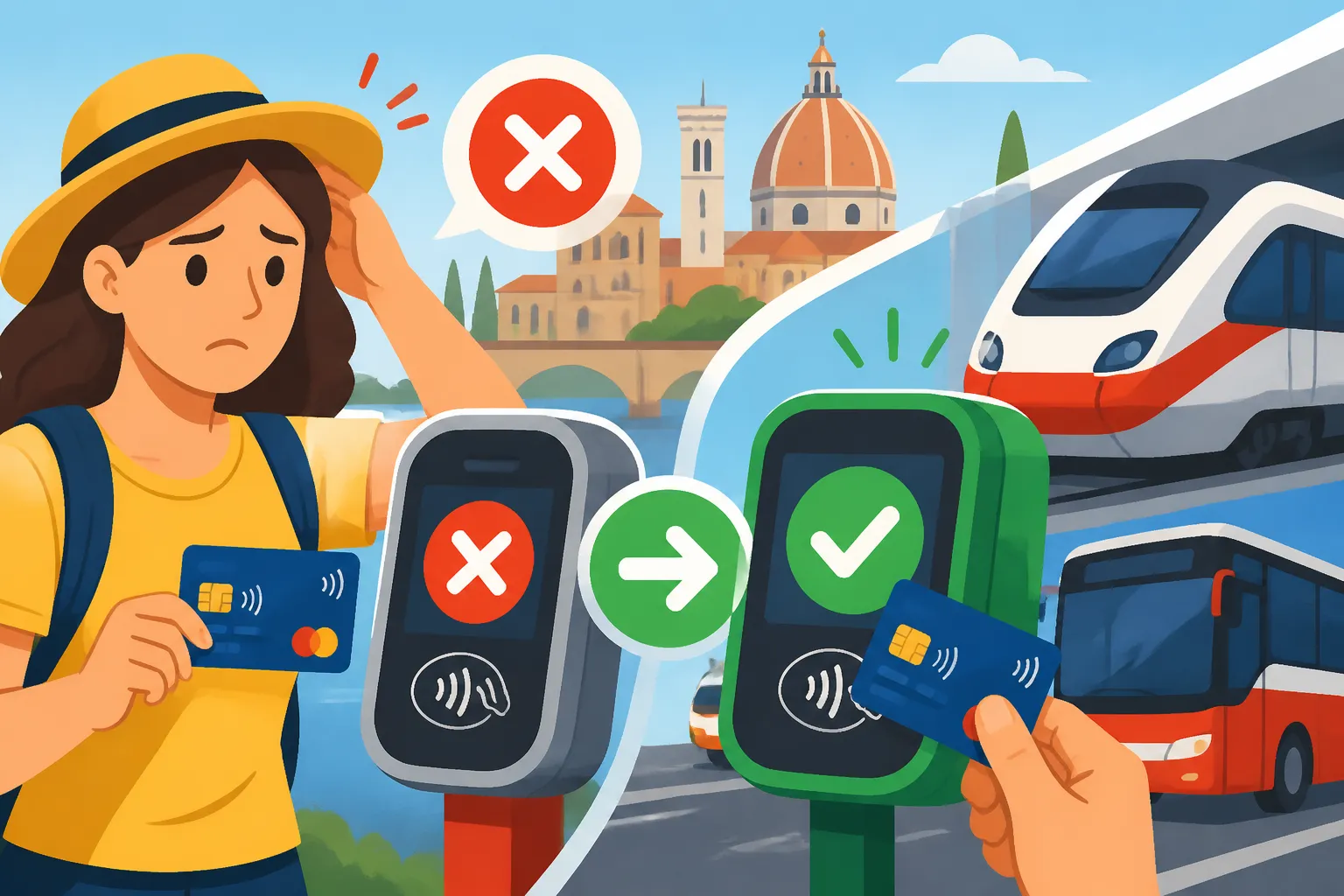
Oh, the sheer exasperation of standing at an Italian ticketing machine, foreign card in hand, only for it to be stubbornly, inexplicably rejected! It’s a rite of passage for many an expat and tourist here in Italy, a moment that perfectly encapsulates the charm and the chaos of daily life. If you've ever felt that burning frustration trying to pay for a train, bus, or metro ticket with your trusty card from back home, you're not alone. This guide is here to unravel the mystery of those pesky declines and, more importantly, to arm you with practical fixes, making travel across Italy smoother, especially with brilliant solutions like Omio.
Disclosure: This post may contain affiliate links. We may earn a commission at no extra cost to you if you make a purchase through these links. Read full disclosure.
The Frustration is Real: Why Foreign Cards Often Falter in Italy
Let's be honest, Italy is a marvel, but its technological infrastructure, especially when it comes to payment systems, can sometimes feel like it's stuck a decade or two in the past. Your perfectly valid, globally accepted credit or debit card often hits a wall here, and it’s not always obvious why.
Common Reasons for Card Declines
There are a handful of usual suspects when your foreign card refuses to cooperate with an Italian ticketing machine or even an online purchase for local transport. It's rarely a reflection on your financial standing and almost always about the intricate dance between different banking systems and security protocols.
Firstly, many Italian systems, particularly older ones, are less friendly towards international card networks. While Visa and Mastercard are generally accepted, American Express can be a bit hit or miss outside of major tourist hubs or upscale establishments. Debit cards, especially those that require a PIN, sometimes struggle if the system isn't set up for the specific type of transaction verification used by your home bank. Then there's the age-old "international transaction fee" trigger. Some foreign banks automatically flag transactions in a different currency or country as potentially fraudulent, especially if you haven't alerted them to your travel plans. This can lead to an automatic decline, even if you have ample funds.
Another major hurdle is the 3D Secure protocol, often branded as "Verified by Visa" or "Mastercard Identity Check." This extra layer of security requires you to confirm a purchase (usually via a text message code or within your bank's app) before it goes through. Many Italian online platforms and even some physical terminals have adopted this, but if your phone isn't set up for international roaming or your bank's app is finicky, you're out of luck. Imagine being at Roma Termini, trying to buy a last-minute high-speed train ticket, only for your bank to demand a code your phone refuses to receive. It's enough to make you want to throw your hands up in despair!
The Headache of Local Ticketing Machines
If you've ever tried to buy a local bus ticket at a tabaccheria (a tobacco shop, but also a ubiquitous point of sale for tickets and stamps) or an ATM ticket machine in Milan, you know the struggle. Firstly, many tabaccherie are cash-only for small purchases like bus tickets, or they have a minimum card spend that's higher than the cost of a single ticket. It's frustrating when you just need a €1.50 ticket and all you have is plastic.
Then come the machines themselves. Often, they only accept exact change or coins, or the card reader simply doesn't recognize your foreign chip. The user interface can be clunky, and if your Italian isn't up to snuff, navigating through options for different zones or types of tickets becomes an unnecessary stressor. In smaller towns, you might find only cash options, or a single machine that's perpetually out of order. This is where the romance of spontaneous travel can quickly turn into a logistical nightmare, especially if you’re trying to catch a crucial connection for your onward journey. This is why having reliable alternatives is not just a convenience, but a necessity for smooth sailing, particularly when planning your wider travel like between cities. Need to understand the full range of options? Our guide to Getting Around Italy: Trains, Buses, Flights, and Car Hire covers everything.
Your Lifeline: Embracing Digital Solutions like Omio
Alright, enough about the problems. Let's talk solutions! In this modern age, technology can come to the rescue, offering a much-needed bridge over Italy's analog payment gaps. And for international travelers and expats, Omio is often that crucial lifeline.
How Omio Simplifies Italian Transport Purchases
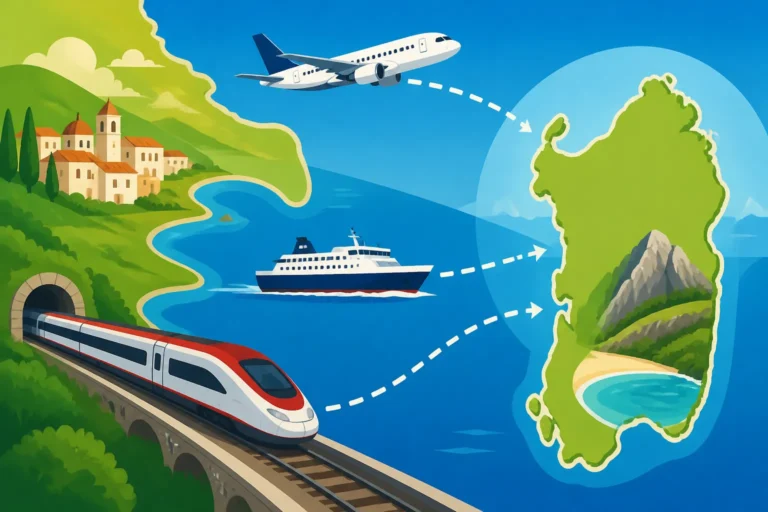
Think of Omio as your digital travel agent and ticket office rolled into one, specifically designed to make multimodal travel seamless, especially for those of us navigating foreign payment systems. What makes Omio so indispensable for Italy? It acts as an aggregator, allowing you to search, compare, and book tickets for trains (from Trenitalia to Italo), buses (like FlixBus), and even flights across Italy, all in one place.
The real magic for expats and tourists is its acceptance of a wide range of international payment methods. When local Italian sites or machines refuse your foreign card, Omio often sails through without a hitch. This means no more frantic searches for working ATMs, no more fumbling with small change, and definitely no more wrestling with confusing, Italian-only ticketing interfaces. You can purchase your tickets in your home currency, simplifying budgeting and often providing clearer exchange rates than your bank might on a direct transaction. This is particularly helpful when you're managing your overall Cost of Living in Italy 2026: Budgeting for Expats. Omio essentially takes the headache out of the payment process, letting you focus on the journey itself.
Step-by-Step: Buying Tickets with Omio
Using Omio is straightforward, even if you’re not particularly tech-savvy. Let’s walk through a typical scenario:
- Download the App or Visit the Website: First things first, get the Omio app on your smartphone or head to their website. It’s available for both iOS and Android, and the user interface is intuitive and multilingual.
- Enter Your Journey Details: Input your departure and arrival points, dates, and number of passengers. For instance, if you're planning a trip from Florence to Rome, simply type "Florence" and "Rome."
- Compare and Choose: Omio will display all available options, neatly categorized by train, bus, or flight, from various providers. You'll see prices, journey durations, and even transit times. This comparison feature is incredibly handy, allowing you to pick the best option for your budget and schedule. For specific train insights, you might also find our guide on High-Speed Trains in Italy: Trenitalia, Italo, Routes, and Savings useful.
- Select Your Ticket and Seat: Once you've chosen your preferred option, you can usually select your seat preferences (if applicable) and review all the details.
- Proceed to Payment: Here’s where Omio shines. You can pay using a variety of international credit and debit cards, PayPal, and often other regional payment methods. Because Omio processes these transactions centrally, it bypasses many of the localized issues that cause direct declines at Italian vendors. The transaction is seamless, secure, and confirms almost instantly.
- Receive Your E-Ticket: Your tickets are then delivered directly to the Omio app and your email. No need to print! Just show the QR code or barcode on your phone to the conductor or at the gate. It's truly a game-changer for stress-free travel in Italy.
This streamlined process means you can book tickets from the comfort of your couch, a café, or even on the go, without the fear of payment rejection. It truly transforms the experience of booking your Italian transport.
Other Digital Wallets and Apps
Beyond Omio, other digital payment solutions are slowly gaining traction in Italy, but often with limitations. Apple Pay and Google Pay work well in many retail stores and larger train stations, especially those with newer contactless terminals. If you're using a foreign card linked to one of these digital wallets, you might have better luck than inserting the physical card directly. However, these systems are typically for paying at a terminal, not for booking an integrated journey across different providers like Omio does.
Some local transport companies, like ATAC in Rome or ATM in Milan, have their own apps where you can buy tickets. While convenient, these apps can still be finicky with foreign cards, require registration with an Italian phone number or Codice Fiscale (tax code), and often lack English interfaces. Plus, they only cover local transport for that specific city. For broader travel, say, taking a regional train or an intercity bus, Omio remains the most comprehensive and user-friendly solution for foreigners. If you're a long-term expat, eventually getting a Codice Fiscale: Why It’s Essential for Finance in Italy will open many doors, but for immediate travel needs, Omio is the way to go.
Old-School Backups: Cash, Local Cards, and Physical Ticket Offices
While digital solutions like Omio are fantastic, it's always smart to have backup plans. Italy, charming as it is, often requires a multi-pronged approach to daily tasks, and paying for transport is no exception.
Always Carry Some Cash
This is perhaps the golden rule for navigating daily life in Italy, especially outside of major cities. Many smaller establishments, including those tabaccherie where you'd buy bus tickets, might prefer or even insist on cash, particularly for small amounts. A €5 or €10 purchase with a card might be met with a sigh or a shake of the head.
For buses, it's almost always a good idea to buy your ticket before you board. While some urban buses have machines, they are often out of order, or you're expected to have exact change. Without a valid ticket, you risk a hefty fine if a controller boards. Having a few euro coins and small bills in your pocket can save you from a lot of stress, especially if you're exploring smaller towns where card acceptance is less common. This is especially true when using Regional Trains in Italy: How to Use Them and Save where smaller stations might have limited facilities.
Local Banking and Prepaid Cards
If you’re planning a longer stay in Italy, perhaps as a student or a permanent resident, opening a local Italian bank account can alleviate many payment frustrations. Once you have an Italian debit card, payments become much smoother. These cards are designed for the local systems and rarely face the same international security flags or network incompatibilities.
Alternatively, a rechargeable prepaid card, like those offered by Poste Italiane or various Italian banks, can be a decent short-term solution. You load money onto it and use it like a debit card. This can be particularly useful for small daily expenses or if you want to avoid linking your main foreign bank account to online Italian services. While not a direct solution for initial card declines, it’s a way to integrate more smoothly into the local payment ecosystem for prolonged stays. For more on managing your money here, check out our guide to How to Open a Bank Account in Italy.
Navigating Ticket Offices and Tabaccherie
When all else fails, or if you prefer a human touch, physical ticket offices and tabaccherie are your last resort.
- Ticket Offices at Stations: Major train stations will have staffed ticket offices (biglietteria). The staff usually speak some English, especially in tourist areas. Be prepared for queues, especially during peak travel times. This is where you can use your foreign card, although sometimes with the same occasional hiccups you’d encounter with a machine. However, a human can often troubleshoot or suggest alternative payment methods.
- Tabaccherie: These are ubiquitous throughout Italy and are often the only place to buy local bus, tram, or metro tickets outside of the main stations. Look for the prominent 'T' sign. Remember the cash rule, though. Be ready with the exact name of the ticket you need (e.g., "un biglietto urbano per l'autobus, per favore" – one urban bus ticket, please). A bit of basic Italian, as covered in Survival Italian for Travelers: Key Phrases to Learn First, goes a long way here.
Pro Tips for Seamless Travel (and Payment) in Italy
Navigating Italian transport and payments doesn't have to be a constant battle. A little preparation and a few smart habits can make all the difference, turning potential headaches into smooth sailing.
Inform Your Bank Before You Travel
Seriously, do this! A quick call or an online travel notification to your bank (for both credit and debit cards) can prevent countless headaches. It tells them you’ll be making transactions in Italy, drastically reducing the chances of your card being flagged for suspicious activity and automatically declined. While it doesn't solve compatibility issues with older machines, it eliminates the "security block" problem, which is a major pain point for many expats. You should also be aware of the potential fees for these transactions, which are outlined in articles like Using Credit Cards Abroad: Fees in Italy.
Have Multiple Payment Options Ready
Variety is the spice of life, and also the key to successful payment in Italy. Don't rely solely on one card. Bring a few different credit and debit cards from different banks and networks (e.g., one Visa, one Mastercard, perhaps even an American Express if you typically use it, but know its limitations). Ensure they are not all linked to the same primary account, just in case one gets compromised or blocked.
And, as stressed before, always carry some cash. A handy combination of a primary digital solution like Omio for intercity travel, a few trusted cards for larger purchases, and a stash of small bills for everyday incidentals will make you feel like a seasoned pro in no time.
Understanding Regional Differences
Italy is a diverse country, and its public transport systems reflect that. What works seamlessly in Milan might be a puzzle in Naples, and vice-versa.
- Rome (ATAC): In Rome, local ATAC tickets (bus, tram, metro) can be bought at tabaccherie, newsstands (edicole), and metro stations. Newer metro stations often have modern machines that accept cards, but older ones might not. The ATAC app might accept foreign cards, but it's not foolproof. For getting around the capital, our guide on Getting Around Italian Cities: Metro, Tram, and Buses offers more specific advice.
- Milan (ATM): Milan's ATM network is generally more modern. Many metro stations have machines that accept cards, and contactless payment is increasingly common directly at the turnstiles. The ATM app is also quite good, though still subject to foreign card quirks.
- Other Cities: Smaller cities might rely heavily on paper tickets from tabaccherie and may not have advanced ticketing machines. Always ask locally if you're unsure, or better yet, plan your intercity travel using Omio which cuts through all these regional variations by providing a unified booking experience.
Being prepared for these local nuances, having your Omio app ready for booking, and a small stack of euros in your wallet will ensure that your Italian transport experiences are more about the beautiful journey and less about payment woes.
Disclaimer
Please note that while every effort has been made to provide accurate and up-to-date information, rules and regulations regarding payment systems and transport services in Italy can change. Always verify current practices and requirements, especially concerning specific transport providers or banking policies, before making critical travel decisions. This guide is for informational purposes only and should not be considered legal or financial advice.