Where to Stay in the Cinque Terre: Which Village and What It Costs
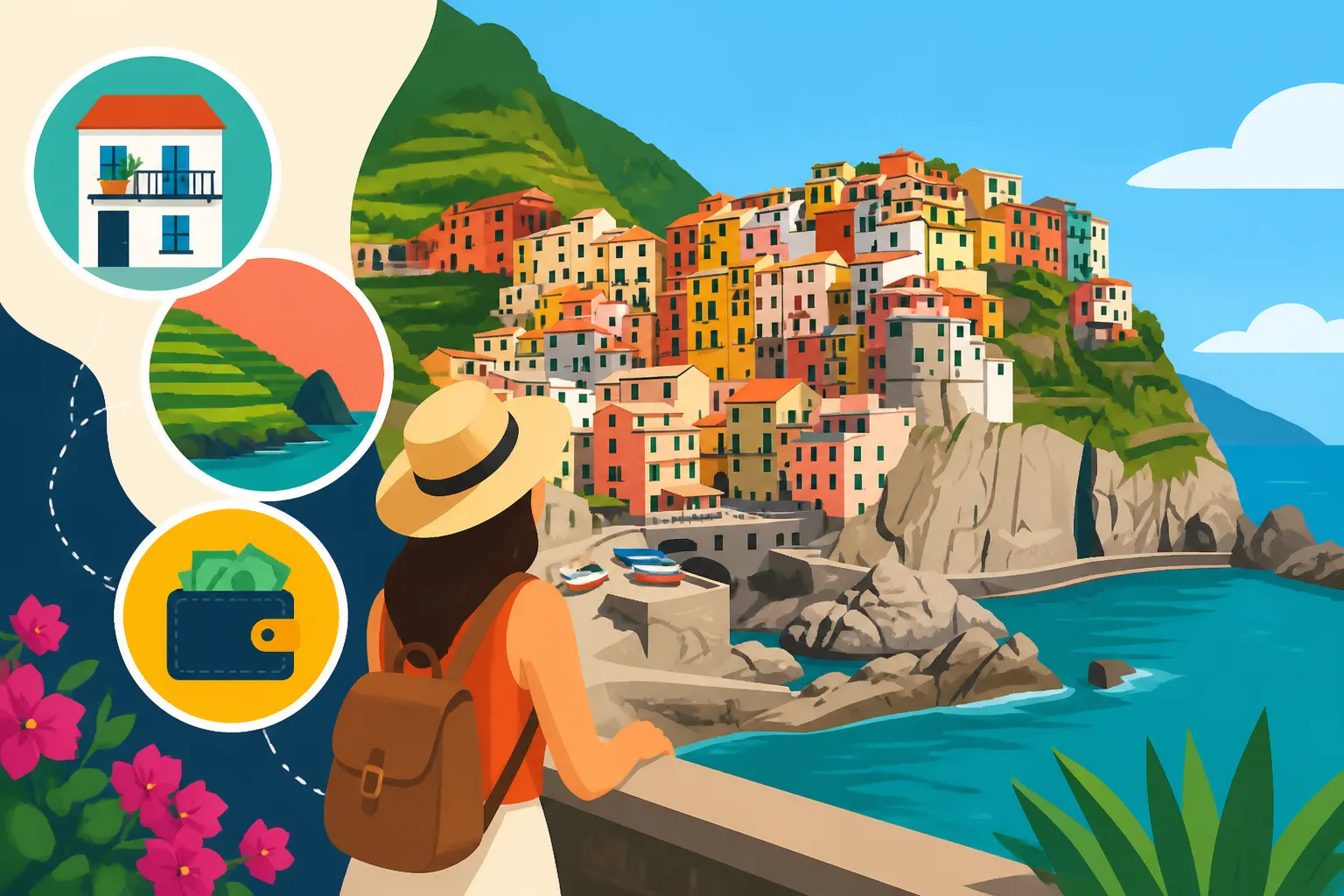
Oh, the Cinque Terre! Just the name conjures up images of those impossibly colourful houses clinging to rugged cliffs, sparkling turquoise waters, and ancient vineyards. It’s a dream destination for so many, but let me tell you, planning where to actually stay amidst those five enchanting villages can feel like navigating a Ligurian labyrinth without a map. You’ve got Monterosso, Vernazza, Corniglia, Manarola, and Riomaggiore, each with its own unique charm, vibe, and, yes, price tag. It’s enough to make your head spin before you even pack your bags! But don't you worry your beautiful expat head; this guide is going to walk you through each village, break down the costs, and help you pick the perfect home base for your unforgettable Italian adventure.
Disclosure: This post may contain affiliate links. We may earn a commission at no extra cost to you if you make a purchase through these links. Read full disclosure.
Understanding the Cinque Terre Villages: A Quick Overview
So, you’ve heard the names, but what’s the real scoop on each of these picturesque towns? From north to south, they each offer something a little different, and understanding those nuances is key to figuring out where you’ll truly feel at home. It’s not just about finding a bed; it’s about immersing yourself in the specific slice of Ligurian life that calls to you.
Monterosso al Mare: The Beach Lover's Paradise
Monterosso is the largest and most developed of the five villages, and frankly, it often feels the least "Cinque Terre" in the traditional sense, but in a good way for many travelers! It's split into two main sections – the old town and Fegina, the new town – connected by a tunnel. What sets Monterosso apart immediately is its glorious, proper sandy beach, the only one of its kind in the Cinque Terre. If lounging on a sunbed with a good book and the sound of waves is your idea of heaven after a day of exploring, this is your spot. You’ll find more hotels here, a wider array of restaurants, and generally more modern amenities than its smaller siblings. It’s also the flattest of the villages, which is a huge plus if you’re traveling with heavy luggage, small children, or have any mobility concerns. Don’t underestimate the relief of not having to haul your suitcase up 500 steps after a long train journey! The infrastructure here is simply better equipped for a more conventional tourist experience, which can be a welcome comfort after dealing with Italian bureaucracy.
Vernazza: The Iconic Postcard Village
Ah, Vernazza. This is the village you probably have plastered on your Pinterest board. Its natural harbor, a vibrant piazza filled with fishing boats, colourful buildings cascading down to the sea, and a medieval castle perched high above – it's all just chef's kiss. Vernazza is undeniably charming, bustling, and truly embodies that quintessential Cinque Terre feel. The main street, Via Roma, leads straight from the train station down to the piazza and the water, flanked by shops, trattorias, and gelato spots. It's incredibly picturesque but be warned: this beauty comes with crowds, especially during peak season. Space is at a premium, and accommodations are often in charming, historic buildings that might require a bit of stair climbing. Staying here means waking up to the sounds of the sea and the chatter of early morning fishermen, feeling completely enveloped in the magic.
Corniglia: The Quiet, Hilltop Retreat
Corniglia is the middle child of the Cinque Terre, and the most unique. Perched atop a steep promontory, about 100 meters above the sea, it’s the only village not directly on the water. To reach it from the train station, you’ll either tackle the Lardarina, a grueling brick staircase of 382 steps, or take a small shuttle bus. This geographical isolation is Corniglia's superpower for certain travelers. It tends to be much quieter, less crowded, and offers a more authentic, local vibe than its coastal counterparts. You won't find bustling beaches here, but rather breathtaking panoramic views of the other four villages and the Ligurian Sea. It feels almost like a hidden gem, where you can truly escape the hustle and bustle. The pace is slower, the atmosphere more relaxed, and the views from its tiny piazza are absolutely unparalleled, especially at sunset. If you crave tranquility and don't mind a bit of a climb (or bus ride), Corniglia offers a peaceful haven.
Manarola: The Romantic Sunset Spot
Manarola is often considered one of the oldest villages in the Cinque Terre, known for its sweet wine (Sciacchetrà) and vibrant houses stacked like Lego blocks along the cliff face. It lacks a true beach but has a deep, picturesque harbor and natural swimming holes carved into the rocks – perfect for a refreshing dip on a hot day. What Manarola excels at, however, is romance, especially around sunset. The walk along the path opposite the main village, particularly towards Punta Bonfiglio, offers that iconic view of the village lit up against the twilight sky. It's a photographer's dream and a perfect spot for couples. You'll find plenty of charming guesthouses and apartments built into the cliffs, many offering incredible sea views. It has a slightly more upscale, boutique feel than some of the other villages, and dining options lean towards fresh seafood and local delicacies. If you’re looking for charming, romantic, and Instagram-worthy, Manarola delivers in spades.
Riomaggiore: The Lively Fishing Village
The southernmost village, Riomaggiore, greets you with a steep main street leading down to a tiny, bustling harbor. It's a lively place, known for its vibrant nightlife (relative to the Cinque Terre, mind you!), excellent seafood, and charming, steep alleys called carrugi. The village is literally built on terraces, with houses painted in the traditional Ligurian colours of pink, yellow, and orange, stacked one on top of the other. It’s a fantastic starting point for exploring the Cinque Terre, especially if you plan to head south towards La Spezia or even if you're keen to hit the hiking trails early. While there's no sandy beach, there's a rocky cove popular for swimming and sunbathing. Riomaggiore has a youthful, energetic feel, drawing both backpackers and families alike. It's a practical choice, offering a good balance of amenities, accessibility, and that authentic Ligurian charm.
Deciding Which Village is Right for You
Choosing your base in the Cinque Terre is like picking your favourite flavour of gelato – they’re all good, but some just hit different depending on your mood and preferences. Your ideal village really hinges on what kind of experience you're hoping for. Are you here to hike every trail, lounge on a beach, or simply soak in the romance? Let's break it down by traveler type.
For Families with Kids
Traveling with kids in Italy is always an adventure, and the Cinque Terre is no exception. For families, the top priority usually revolves around ease of movement, access to activities that kids will enjoy, and a bit more space.
Monterosso al Mare truly shines here. Its flat terrain near the water is a godsend when you’re pushing a stroller or chasing a toddler. The sandy beach at Monterosso is undoubtedly the biggest draw for families. Kids can play in the sand, swim in relatively calm waters, and parents can relax knowing they’re not navigating precarious cliffs. There's also a wider selection of larger hotels and apartments, which often means more family-friendly amenities and sometimes even a pool – a rare luxury in these ancient villages. You’ll find more casual eateries with broader menus that cater to less adventurous palates. Plus, the ease of access to the train station makes day trips to other villages or nearby towns like Portovenere much simpler. When you’re juggling bags, snacks, and tired little ones, convenience is king, and Monterosso offers it in spades. Finding a comfortable family suite on Booking.com here will give you peace of mind.
For Couples Seeking Romance
If you’re on a romantic getaway, looking for those intimate moments, stunning views, and charming dinners, several villages vie for your attention.
Manarola is arguably the most romantic. Its picturesque harbor, dramatic cliffs, and the way the lights twinkle at dusk create an almost magical atmosphere. Imagine sharing a bottle of local Sciacchetrà wine with your beloved, watching the sunset paint the sky over the colourful houses. The lack of a large beach means fewer families and a generally more sophisticated, tranquil vibe. You'll find quaint guesthouses and small boutique hotels offering breathtaking sea views – perfect for waking up to. Evenings are spent strolling hand-in-hand through narrow carrugi, discovering hidden trattorias, or simply enjoying the quietude. Vernazza also offers a strong romantic appeal with its iconic harbor and castle views, perfect for sunset aperitivos. However, it can be busier, so if seclusion is a higher priority, Manarola might just edge it out. When searching on Booking.com, filter for properties with sea views and private balconies in Manarola for that extra special touch.
For Hikers and Nature Enthusiasts
The Cinque Terre is, for many, synonymous with hiking. The trails connecting the villages offer unparalleled views and a fantastic way to experience the rugged beauty of the Ligurian coastline.
For the dedicated hiker, Corniglia can be an excellent base, precisely because it's perched up high. You're already halfway to heaven, so to speak! From Corniglia, you have immediate access to rewarding trails both north towards Vernazza and south towards Manarola. The Lardarina staircase, while a challenge, is an experience in itself, and conquering it feels like a badge of honor. Staying here means you’re often surrounded by fewer tourists, allowing for a more immersive experience with nature. You can rise early and hit the trails before the crowds descend, enjoying the crisp morning air and the silence. Another strong contender is Riomaggiore, which offers direct access to trails heading south towards Portovenere (when open) and north towards Manarola, including the famous (but often closed) Via dell'Amore. Being in Riomaggiore also puts you at a convenient hub for catching trains to reach other starting points for hikes.
For Budget-Conscious Travelers
Let's be real, Italy can be expensive, and the Cinque Terre, as a UNESCO World Heritage site, is definitely not known for being a budget destination. However, there are ways to make your euros stretch further.
If you’re trying to save money on accommodation, your best bet might actually be to look outside the five main villages. However, if you're set on staying within the Cinque Terre, Corniglia generally offers slightly more affordable options due to its less direct access to the sea and fewer overall tourists. Its quiet nature means less demand for prime beachfront properties, which translates to slightly lower prices for rooms or apartments. You might find a charming room at a family-run guesthouse for a more reasonable rate here than in, say, Vernazza. Another strategy is to consider Riomaggiore or Monterosso if you are booking well in advance and are flexible with dates during the shoulder seasons (April/May or September/October). Prices can vary wildly depending on the season and how far out you book, so always check Booking.com religiously.
Insider Tip: No matter where you stay, cooking some of your own meals can significantly cut down costs. Look for accommodations with kitchenettes on Booking.com and hit up the local alimentari (grocery stores) for fresh bread, cheese, and cured meats.
For Nightlife and Social Butterflies
"Nightlife" in the Cinque Terre is a relative term. Don't expect Ibiza-style clubs or late-night discos. The villages generally wind down after dinner, and the charm lies in quiet strolls, post-dinner drinks, and enjoying the serene atmosphere.
However, if you're looking for the most buzz and the latest closing times, Riomaggiore and Monterosso al Mare are your best bets. Riomaggiore has a more youthful energy, with several bars in the main street and around the harbor that stay open a bit later than in the other villages. You'll find people lingering over cocktails, chatting, and enjoying the evening air. Monterosso, being the largest, naturally has more options for bars and pubs, particularly in the Fegina (new town) area near the beach. You might even find a place with live music now and then, especially during the summer. For a lively aperitivo scene that extends a bit into the evening, these two villages offer the most opportunities to mingle and enjoy a social atmosphere after the sun goes down.
The Realities of Accommodation Costs in Cinque Terre
Let’s talk money, because while the Cinque Terre is priceless in beauty, your wallet definitely feels its presence. It's no secret that staying directly within these sought-after villages can be pricier than, say, a random village in Umbria. Understanding the cost landscape is crucial for setting realistic expectations and budgeting correctly.
Seasonal Price Fluctuations
This is probably the single biggest factor influencing accommodation costs in the Cinque Terre. Italy, like many European destinations, has distinct tourist seasons, and the Cinque Terre experiences them intensely.
- Peak Season (June, July, August): This is when prices skyrocket. Demand is at an all-time high, the weather is warm and sunny, and school holidays mean families flock here. Expect to pay premium rates for even basic accommodations. Booking months in advance is not just recommended, it's essential. Rooms get snapped up quickly, and last-minute availability is rare and comes with a hefty price tag. You could easily be looking at €150-€300+ per night for a standard double room, and apartments will naturally be more.
- Shoulder Season (April, May, September, October): In my opinion, this is the sweet spot for visiting. The weather is usually pleasant, the crowds are more manageable than in summer, and accommodation prices, while still higher than off-season, are more reasonable. You might find rooms for €100-€200 per night. Booking a few months ahead is still advisable to secure your preferred spot and better rates. The atmosphere is vibrant but not overwhelmingly chaotic, and the hiking trails are generally all open.
- Off-Season (November to March): This is when you'll find the lowest prices, often significantly reduced. You could potentially snag a room for under €100 per night. However, there's a trade-off. Many restaurants, shops, and even some hotels close for the winter. Hiking trails might be closed due to weather or maintenance, and ferry services are very limited. The weather can be chilly and rainy. While it offers a truly quiet, local experience, it's not ideal if you're looking for the full, vibrant Cinque Terre experience. It’s perfect for a contemplative, peaceful escape, but be prepared for limited services. Always check what's open before you commit to an off-season trip, especially on Booking.com where properties might explicitly state seasonal closures.
Types of Accommodation and Their Costs
The Cinque Terre primarily offers a few distinct types of accommodation, each with its own price point and experience.
- Hotels: True hotels with full services (reception, breakfast room, daily cleaning) are less common in the smaller villages, especially Vernazza, Corniglia, Manarola, and Riomaggiore, where space is limited and buildings are historic. Monterosso has the most traditional hotels. These tend to be the most expensive option, offering comfort and convenience. Expect prices to range from €120 (off-season) to €350+ (peak season) per night for a double room.
- Guesthouses (Affittacamere/Case Vacanze): This is the most prevalent type of accommodation. These are often rooms or apartments within a larger building, sometimes family-run, with varying levels of service. You might get a daily cleaning service, but usually no reception desk. The charm often lies in their local feel and unique decor. Prices typically fall in the mid-range, from €80 (off-season) to €250 (peak season) per night. This is where Booking.com truly shines, as it has an extensive listing of these unique, locally-run properties.
- Apartments/Holiday Homes: Ideal for families, groups, or longer stays, these offer more space, privacy, and often a kitchen or kitchenette. They can be very cost-effective if you plan to cook some of your meals. Prices vary greatly by size, location, and amenities, but expect to pay anywhere from €100 to €400+ per night. Again, Booking.com offers a wide selection, allowing you to filter by "Apartments" to find properties that fit your group's needs.
- Hostels: True hostels are rare within the Cinque Terre villages themselves, with most budget-conscious travelers opting for hostels in nearby La Spezia or Levanto. If you find one, it's likely to be a very basic, dorm-style offering, but also the cheapest.
Here’s a rough breakdown of average nightly costs for a double room, by village and season, based on recent search data on platforms like Booking.com:
| Village | Off-Season (Nov-Mar) | Shoulder Season (Apr-May, Sep-Oct) | Peak Season (Jun-Aug) |
|---|---|---|---|
| Monterosso | €90 – €150 | €130 – €220 | €180 – €350+ |
| Vernazza | €85 – €140 | €120 – €200 | €170 – €320+ |
| Corniglia | €70 – €120 | €100 – €180 | €150 – €280+ |
| Manarola | €90 – €160 | €140 – €230 | €190 – €360+ |
| Riomaggiore | €80 – €130 | €110 – €190 | €160 – €300+ |
Note: These are average ranges and can fluctuate significantly based on specific property, amenities, and booking lead time.
Hidden Costs and How to Avoid Them
Beyond the nightly rate, there are a few extra costs you should be aware of when booking accommodation in Italy, especially in tourist hotspots.
- Tourist Tax (Tassa di Soggiorno): Almost every Italian city and popular tourist destination charges a nightly tourist tax per person. In Cinque Terre, this can range from €1 to €2.50 per person per night, typically for the first few nights of your stay. This is usually not included in the listed price on most booking sites and is paid directly to your accommodation upon check-out. Always factor this into your budget.
- Cleaning Fees: If you book an apartment or holiday home, a one-time cleaning fee is almost always added. This can range from €30 to €100, depending on the size of the property. Make sure to check this before finalising your booking, as it can significantly impact the total cost for shorter stays. Booking.com usually displays this clearly in the breakdown before you confirm.
- Late Check-in Fees: Many smaller guesthouses and apartments, especially those without a 24-hour reception, might charge a fee for late check-ins (e.g., after 8 PM or 9 PM). This is to compensate staff for staying later. If your flight or train arrives late, communicate this clearly with your host and be prepared for a potential small surcharge, typically €20-€50.
- Air Conditioning: In some older properties, especially during the sweltering summer months, air conditioning might not be standard, or it might be an extra charge. Clarify this beforehand if AC is a must-have for you.
- Cancellation Policies: Always read the cancellation policy carefully! While flexible policies are common, non-refundable rates are usually cheaper upfront but offer no recourse if your plans change. This is critical in a place where travel can be impacted by weather or train strikes. I always recommend carefully reviewing these terms on Booking.com before committing, as they offer various flexible options.
By being aware of these potential extras, you can budget more accurately and avoid any unpleasant surprises upon arrival or departure.
Booking Your Stay: Navigating the Options
Once you've zeroed in on your ideal village and type of accommodation, the next hurdle is actually booking it. In a place as popular as the Cinque Terre, this isn't always as straightforward as it seems. However, with the right approach and the right tool, you can secure your perfect Italian escape.
Why Booking.com is Your Best Bet
Look, there are many booking platforms out there, but when it comes to Italy, and especially a nuanced region like the Cinque Terre, I consistently recommend Booking.com. And I’m not just saying that; as an expat who’s lived here for years, I've seen countless tourists struggle with less comprehensive or user-friendly sites.
First off, Booking.com has an unmatched inventory in Italy. Unlike some platforms that might focus primarily on hotels, Booking.com excels in listing a vast array of accommodations, from traditional hotels in Monterosso to those charming, family-run affittacamere (guesthouses) and private apartments tucked away in the narrow alleys of Vernazza or Manarola. These smaller, more authentic options are often the true gems of the Cinque Terre, and Booking.com makes them accessible. You can genuinely find unique properties that offer a real local feel, which is paramount for an authentic Italian experience.
Secondly, their filtering system is incredibly robust. You can filter by price, guest rating, specific amenities (like air conditioning, kitchenette, or a balcony with a sea view – a must for a romantic trip!), and even proximity to the train station or beach. This is particularly useful in the Cinque Terre where accessibility can be a major factor, especially if you have mobility issues or heavy luggage. Trying to find a property that’s not up a massive hill in Corniglia? Booking.com can help you narrow it down.
Third, the transparency in pricing and policies is generally very good. As we discussed, hidden fees are a real thing. Booking.com usually shows the tourist tax and cleaning fees broken down before you confirm, so you know exactly what you're paying. Their cancellation policies are also clearly displayed, allowing you to choose between more flexible (and often slightly pricier) options or non-refundable deals. For a trip where plans might change, having that clarity is invaluable.
Finally, their customer support and review system are solid. Real traveler reviews provide honest insights into the pros and cons of each property, from the noise levels to the friendliness of the host. And if something goes wrong – a delayed train, a miscommunication with a non-English-speaking host – their support team is generally responsive and helpful, which is a huge comfort when you’re far from home. In a place like Italy where the unexpected is often part of the charm (or chaos!), having a reliable platform like Booking.com to lean on is a genuine lifesaver.
Tips for Finding the Best Deals on Booking.com
Even with a great platform, scoring the best deal requires a bit of strategy, especially in a popular destination.
- Book Early, Especially for Peak Season: This cannot be stressed enough. For summer travel (June-August), aim to book 6-12 months in advance. For shoulder seasons, 3-6 months is a good target. The earlier you book, the more choice you'll have, and generally, the better prices you'll find before demand drives them up. Plus, you’re more likely to snag those coveted rooms with stunning sea views.
- Be Flexible with Your Dates: If your travel dates are flexible, play around with them on Booking.com. Moving your trip by just a few days, especially into the shoulder season or mid-week, can sometimes result in significant savings.
- Consider Longer Stays: Some properties offer discounts for stays of 3, 5, or 7 nights. If you plan to spend several days exploring, this could save you some money per night.
- Look at "Genius" Discounts: If you're a frequent user, Booking.com's Genius loyalty program offers exclusive discounts (10-15% off) on many properties. It's free to join and automatically applied when you search.
- Utilize the Map View: Once you've searched for your village, use the map view on Booking.com to visually compare locations. This is particularly useful for assessing how close a property is to the train station, the main square, or the harbor – crucial information for minimizing those uphill treks!
- Read Reviews Carefully: Don't just look at the overall score. Read specific comments about noise, bed comfort, host communication, and cleanliness. Pay attention to how the host responds to issues. This can give you a much clearer picture of what to expect, helping you avoid a disappointing stay.
Essential Questions to Ask Before You Book
Even with all the information at your fingertips, a quick message to the property owner can clear up any lingering doubts, especially if you're booking one of the many affittacamere or apartments.
- "How far is your property from the train station, and what is the best way to get there with luggage?" This is probably the most important question. "Just a 5-minute walk" can mean 5 minutes downhill and 20 minutes uphill with 100 steps in Italy! Get specifics.
- "Is there air conditioning, and is it included in the price?" Especially vital for summer travel.
- "What are your check-in and check-out times, and is there a late check-in fee?" Avoid surprises by confirming your arrival window.
- "Do you offer luggage storage before check-in or after check-out?" This is a game-changer if you arrive early or have a late departure and want to maximize your time exploring without being burdened by bags.
- "Is breakfast included, or are there nearby options?" If you're a morning person who needs immediate coffee, this is good to know.
- "Are there any stairs to reach the property or within the property?" Again, critical for mobility, families with strollers, or anyone with heavy suitcases. Many of these beautiful, old buildings are not equipped with lifts.
Don't hesitate to use the messaging system available on Booking.com to ask these questions directly. A good host will be happy to provide clear answers, which is also a good indicator of the level of service you can expect.
Practical Tips for a Smooth Cinque Terre Stay
You’ve picked your village, booked your dream accommodation on Booking.com, and now you’re almost ready to go! But there are a few practicalities that, as an expat who’s seen it all, I can tell you will make your trip infinitely smoother and more enjoyable.
Getting Around the Villages
Forget driving, seriously. The Cinque Terre is best experienced on foot, by train, or by ferry.
- By Train: The regional train line is the lifeline of the Cinque Terre. It connects all five villages, plus La Spezia and Levanto, frequently and efficiently. A single journey between villages is incredibly short, often just a few minutes. If you plan to travel between villages multiple times in a day, consider purchasing the Cinque Terre Card. This card covers unlimited train travel on the La Spezia – Levanto line and access to the hiking trails (which sometimes require a fee). You can buy it at any train station or at the visitor centers. Check the Trenitalia website or app for the latest schedules, as things can change. This is by far the most convenient and common way to hop between the towns.
- By Ferry: Weather permitting, a ferry service runs between Monterosso, Vernazza, Manarola, Riomaggiore, and Portovenere. Corniglia, being high up, does not have a ferry stop. The ferry offers absolutely stunning views of the coastline from the water, allowing you to appreciate the dramatic cliffs and colourful villages in a different light. It's a fantastic experience, though generally slower and more expensive than the train. You can buy tickets at the small kiosks near the ferry docks in each village.
- By Foot (Hiking): The famous coastal trails connect all five villages, though sections are frequently closed for maintenance due to landslides. Always check the official Cinque Terre National Park website for the latest trail status before you set out. The trails are the heart of the Cinque Terre experience for many, offering breathtaking vistas, but they can be steep and challenging. Wear appropriate footwear – no flip-flops!
- Driving: Don't even think about it. The villages are mostly car-free zones (ZTLs – limited traffic zones), parking is virtually non-existent, expensive, and a nightmare. Park in La Spezia or Levanto and take the train in. Trust me on this one; driving here is more stress than it's worth. For more information on navigating ZTLs and driving in Italy, you might want to check out our guide on Renting a Car in Italy: ZTLs, Insurance, and Driving Tips.
Packing Essentials for Your Trip
Packing smart is crucial for the Cinque Terre's unique terrain and climate.
- Comfortable Walking Shoes/Hiking Boots: Non-negotiable! You'll be doing a lot of walking, often on uneven cobblestones and steep paths. If you plan to hike, proper hiking shoes are a must.
- Light Layers: Even in summer, evenings can be cooler, and if you’re visiting churches, you’ll need to cover shoulders and knees.
- Swimsuit: For beach days in Monterosso or rocky dips in Manarola and Riomaggiore.
- Sunscreen, Hat, and Sunglasses: The Ligurian sun is strong!
- Reusable Water Bottle: Stay hydrated, especially if hiking. You'll find public fountains in the villages.
- Small Backpack: Much easier for day trips and hiking than a shoulder bag.
- Portable Charger: Your phone battery will drain quickly with all those photos and navigation.
- Travel Adapter: Essential for charging all your devices in Italy.
- Cash (Euros): While credit cards are widely accepted, it's always good to have some cash for smaller purchases, local markets, or in case a small trattoria only takes cash.
Eating Like a Local and Saving Money on Food
Italian food is one of the biggest reasons to visit, and the Cinque Terre is no exception. Eating well doesn't have to break the bank.
- Embrace the Panino and Focaccia: For a quick, delicious, and cheap lunch, grab a freshly made panino (sandwich) or a slice of Ligurian focaccia (often topped with pesto, olives, or fresh tomatoes) from a local bakery (panificio) or alimentari. Eat it by the sea!
- Happy Hour (Aperitivo): Many bars offer aperitivo where you buy a drink (often a Spritz) and get a complimentary spread of snacks – olives, chips, small pizzas, sometimes even pasta. This can be a great way to have a light and affordable early dinner. Our guide to Aperitivo in Italy: The Pre-Dinner Ritual Explained has all the details.
- Fresh Seafood: The Cinque Terre is a fishing region, so fresh seafood is a must-try. Look for fritto misto (fried mixed seafood) from a street vendor for a delicious and relatively inexpensive treat.
- Cook Your Own Meals: As mentioned, if you've booked an apartment with a kitchen through Booking.com, utilize it! Visit the local grocery stores for fresh produce, cheese, pasta, and wine. It’s a fun way to experience local ingredients and save money.
- Avoid Tourist Trap Restaurants: Restaurants right in the main piazzas or with aggressive touts tend to be more expensive and offer lower quality. Wander off the main drag a bit, look for places with locals eating, or check reviews on your preferred app for hidden gems. Don't forget to understand the coperto (cover charge) and service charges – our guide on Restaurant Etiquette in Italy: Coperto, Courses, and the Bill can help!
- Gelato! This isn't necessarily a money-saving tip, but it's essential. Treat yourself to authentic Italian gelato daily. Look for shops selling gelato artigianale (artisan gelato), which typically means it's made fresh with natural ingredients.
Alternative Accommodation: Staying Outside the Five Villages
While the allure of staying within the Cinque Terre villages is strong, it's not the only option, especially if you're on a tighter budget, seeking more conventional amenities, or want a quieter base with easy access to other areas. Many savvy travelers choose to stay just outside the National Park boundaries.
La Spezia: The Convenient Hub
La Spezia is the closest major city to the Cinque Terre and serves as its primary transportation hub. This is where most cruise ships dock and where many tour buses originate.
- Pros:
- Cost-Effective: Accommodation here is significantly cheaper than within the Cinque Terre, often by 30-50%. You can find a decent hotel room for a fraction of the price.
- Variety of Options: From budget hostels to upscale hotels, La Spezia offers a much wider range of accommodation types and price points. You'll find more traditional hotels with amenities like lifts, larger rooms, and even parking (though that's still a challenge in any Italian city!).
- Excellent Connectivity: La Spezia Centrale train station is a major hub, offering frequent and fast connections to all five Cinque Terre villages (just a 7-10 minute ride to Riomaggiore). It also provides easy access to other Ligurian towns and major Italian cities.
- More Amenities: Being a larger city, La Spezia has more extensive supermarkets, pharmacies, shopping options, and a broader selection of restaurants that cater to locals, meaning more authentic and affordable dining. You’ll also find more medical services and other conveniences of a city.
- Cons:
- Lacks Cinque Terre Charm: La Spezia is a working port city, not a picturesque village. While it has its own beauty (especially around the harbor), it doesn't offer that postcard-perfect, cliff-side ambiance.
- Commuting: You'll spend about 7-10 minutes each way commuting by train to the closest village. While not a huge amount, it adds up over several days and can impact spontaneity.
- Industrial Feel: Parts of La Spezia can feel industrial, which might detract from the idyllic Italian vacation vibe some people seek.
If you decide on La Spezia, look for hotels within walking distance of the train station on Booking.com for maximum convenience.
Levanto and Bonassola: Nearby Coastal Gems
Just north of Monterosso al Mare, Levanto and Bonassola are two charming coastal towns that offer a fantastic alternative base. They are part of the same train line as the Cinque Terre villages but fall just outside the National Park.
- Pros:
- More Affordable (than CT villages): While not as cheap as La Spezia, accommodation in Levanto and Bonassola is generally more affordable than in the Cinque Terre villages, especially during peak season.
- Authentic Coastal Vibe: Both towns have a lovely, relaxed Ligurian charm, with beaches, lovely town centers, and a less touristy feel than the Cinque Terre itself. Levanto, in particular, has a beautiful wide beach popular with surfers.
- Good Accessibility: They are both on the regional train line, offering easy and quick access to Monterosso (Levanto is just one stop, Bonassola two stops away).
- Hiking and Cycling: Levanto is a fantastic base for hikers, with trails leading north and south, and it’s connected to Bonassola and Framura by a beautiful coastal cycling path built on a former railway line – perfect for families or a leisurely ride.
- More Space and Amenities: Levanto is larger than the Cinque Terre villages, offering more hotel options, restaurants, and shops, including larger supermarkets.
- Cons:
- Commuting: Like La Spezia, you'll still have a short train ride into the Cinque Terre, which means a bit less spontaneity.
- Not the "Cinque Terre Experience": While charming, they are distinct towns and don't offer the unique, dense, cliff-hugging village experience of the five famous towns.
Pros and Cons of Staying Outside Cinque Terre
Let's summarize the overall trade-offs:
Pros of Staying Outside (La Spezia, Levanto, Bonassola):
- Cost Savings: Significantly cheaper accommodation, often with more availability.
- More Choice: Wider selection of hotels, apartments, and amenities.
- Easier Logistics: Better parking options (especially in La Spezia), larger supermarkets, more varied dining.
- Quieter Evenings: Escape the peak-season tourist crowds at night.
- Different Experiences: Access to different beaches, hiking trails (e.g., in Levanto), and the feeling of a more "local" town.
Cons of Staying Outside:
- Commute Time: Daily train (or ferry) travel adds time and a small cost to your day.
- Less Immersion: You won't wake up to the sounds and sights of a Cinque Terre village right outside your window.
- Limited Evening Options: While Levanto has a nice evening buzz, La Spezia is a city, and it might feel less "vacation-y" in the evenings compared to a charming village square.
- Miss the "Magic": For many, part of the Cinque Terre allure is truly living within those vibrant, iconic villages.
Ultimately, the choice comes down to your budget, your priorities, and what kind of travel experience you value most. Whether you opt for the bustling charm of Riomaggiore, the tranquil heights of Corniglia, or the convenient hub of La Spezia, booking your ideal stay through a reliable platform like Booking.com will ensure you get the most out of your incredible Cinque Terre adventure.
Disclaimer
The information provided in this guide is for general informational purposes only and is subject to change. While every effort has been made to ensure accuracy, prices, regulations, and availability can vary seasonally and by individual circumstances. It is always recommended to verify specific details, such as train schedules, trail statuses, and accommodation policies, directly with the relevant authorities or providers before making any travel plans. As an expat living in Italy, I've done my best to provide current and realistic advice, but local conditions can evolve rapidly.