Managing Diabetes and Hypertension in Italy
Relocating to Italy with chronic conditions requires careful planning. This comprehensive guide explains how expatriates can successfully manage diabetes and hypertension by navigating the Italian healthcare system, securing medical exemptions, finding specialists, and maintaining a healthy Mediterranean lifestyle.
Disclosure: This post may contain affiliate links. We may earn a commission at no extra cost to you if you make a purchase through these links. Read full disclosure.
Introduction
If you are moving to the Italian peninsula with diabetes or hypertension, you can breathe a sigh of relief. Italy is home to the Servizio Sanitario Nazionale (SSN), a globally top-ranked public healthcare system that excels in chronic disease management and preventative medicine. The Italian medical philosophy places a massive emphasis on managing long-term health conditions to prevent severe acute crises later in life. Consequently, the infrastructure supporting diabetic and hypertensive patients is incredibly robust, highly subsidized, and deeply integrated into local communities.
However, the way you access your doctors, renew your prescriptions, and pick up your medical supplies will likely differ drastically from the protocols in your home country. Italy operates on a highly regionalized healthcare model, meaning the bureaucratic steps can vary slightly whether you live in Lombardy, Tuscany, or Sicily. Furthermore, you will need to familiarize yourself with Italian medical terminology, the hierarchy of public clinics, and the unique role of the Italian pharmacist.
This extensive guide is designed to demystify the entire process of managing diabetes and hypertension in Italy. We will explore the critical steps to register for state-sponsored healthcare, explain how to apply for vital medical exemptions that cover the cost of your treatments, and detail the specific pathways for securing insulin, blood pressure medications, and specialist consultations. Additionally, we will discuss how to leverage the private healthcare sector for faster service and how adapting to the local diet can profoundly impact your chronic health management. By mastering this information, you can ensure your health remains stable and protected, allowing you to fully embrace the magnificent Italian lifestyle.
Navigating the Public Healthcare System for Chronic Care
The foundation of managing any long-term illness in Italy lies within the public healthcare network. While the private sector offers excellent supplemental services, the SSN is designed to carry the heavy logistical and financial burden of chronic diseases.
Registering with the SSN
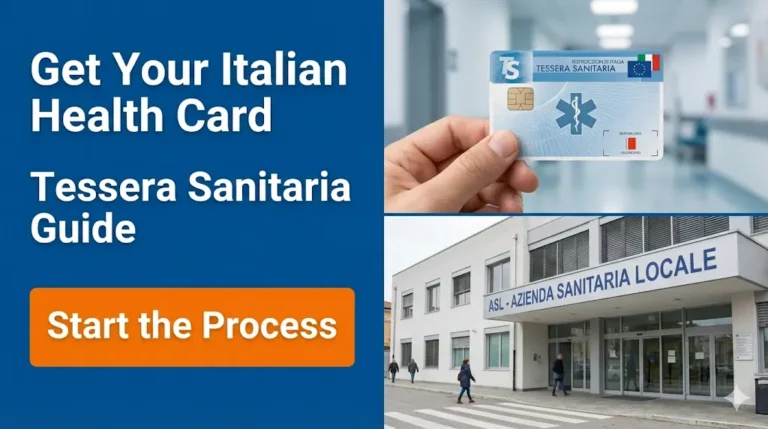
To access subsidized care for diabetes and hypertension, you must first become a registered resident of your local municipality (Comune) and enroll in the public health system. Once enrolled, you will be issued a Tessera Sanitaria (Health Card), which acts as your passport to the medical system.
The most critical step in this enrollment process is selecting your primary care physician. You can learn exactly how to navigate this bureaucratic milestone by reviewing our dedicated guide on Registering with an Italian Family Doctor (Medico di Base). Your Medico di Base will serve as your primary health advocate, the gatekeeper to specialized public clinics, and the central authority for issuing your routine electronic prescriptions (ricetta elettronica).
The Medical Exemption System
One of the most profound benefits of the Italian healthcare system is the Esenzione per Patologia (Exemption for Chronic Disease). The Italian state recognizes that patients with chronic illnesses should not face financial hardship due to the lifelong need for medications and diagnostic tests.
If you have diabetes or hypertension, you are legally entitled to a specific medical exemption code. To obtain this, your Italian doctor or a recognized public specialist must issue a formal medical certificate confirming your diagnosis. You take this certificate to your local health authority office (Azienda Sanitaria Locale or ASL).
The ASL will register your status and link an exemption code to your Tessera Sanitaria. For diabetes, the national code is typically 013. For hypertension, the code is typically 031. Once this code is active, any medication, blood test, electrocardiogram (ECG), or specialist visit directly related to managing that specific condition is provided completely free of charge. You can find a more in-depth explanation of this remarkable system in our guide on Coverage for Chronic Illnesses in Italy’s SSN.
Managing Diabetes in Italy
Diabetes management in Italy is highly specialized and heavily supported by the state. Whether you live with Type 1, Type 2, or Gestational Diabetes, the pathway to care involves a specific network of clinics designed exclusively for diabetic patients.
The Centro Antidiabetico
Unlike in some countries where a general endocrinologist manages all hormonal issues, Italy features dedicated diabetic care centers known as Centri Antidiabetici (CAD). These clinics are usually attached to major public hospitals or operate as standalone community health hubs.
Once you have your SSN registration, your Medico di Base will refer you to your local CAD. The CAD employs a multidisciplinary team comprising diabetologists, specialized diabetes nurses, dietitians, and sometimes podiatrists and psychologists. This team will conduct a comprehensive initial assessment, review your foreign medical records, and officially transition your care to the Italian protocol.
The Piano Terapeutico
If you require insulin, oral hypoglycemic agents (like Metformin), or advanced medical devices such as Continuous Glucose Monitors (CGMs) and insulin pumps, the specialist at the CAD must draft a Piano Terapeutico (Therapeutic Plan).
This is a highly detailed, official document that outlines your exact medical needs for the next six to twelve months. It specifies the brand and dosage of your insulin, the number of test strips or lancets you are allotted per month, and authorization for advanced sensors like the FreeStyle Libre or Dexcom.
Your Medico di Base cannot initiate this plan; it must be created by the CAD specialist. However, once the Piano Terapeutico is in the computer system, your family doctor can seamlessly issue the monthly electronic prescriptions required to pick up your supplies.
Picking Up Diabetic Supplies
In Italy, where you pick up your diabetic supplies depends on the region and the specific item.
- Standard Medications and Insulin: With your electronic prescription and active 013 exemption code, you can pick up your insulin pens, vials, and oral medications at any standard street pharmacy completely free of charge.
- Consumables and Devices: Test strips, needles, lancets, and CGM sensors are often distributed differently. In some regions, you pick them up at the regular pharmacy. In other regions, you must visit a specialized distribution point at your local ASL office or the hospital pharmacy (Farmacia Ospedaliera) once a month to collect your state-allotted boxes.
Managing Hypertension in Italy
Hypertension (high blood pressure) is one of the most common chronic conditions managed within the Italian healthcare system. Because it is so prevalent, the management pathway is highly streamlined, primarily handled between your family doctor and your local pharmacist.
The Role of the Cardiologist
When you first arrive in Italy, it is highly advisable to ask your Medico di Base for a referral to a public cardiologist (cardiologo). The cardiologist will perform a baseline assessment, which typically includes an electrocardiogram (ECG/EKG), an echocardiogram, and sometimes a 24-hour Holter monitor test to track your blood pressure over a full day.
Once the cardiologist confirms your diagnosis and establishes your medication protocol, they will issue the certificate required for your 031 exemption code. From that point onward, unless you experience complications or require a medication adjustment, your routine care and prescription refills will be managed entirely by your family doctor.
Blood Pressure Medications in Italy
It is crucial to understand that pharmaceutical brand names vary significantly across borders. The specific brand of Lisinopril, Amlodipine, or Losartan you take in your home country may not exist in Italy.
When you visit your Italian doctor, you must provide the generic chemical name (the active pharmaceutical ingredient) of your medication, not the commercial brand name. The Italian doctor will prescribe the local equivalent. With your 031 exemption code, your standard daily blood pressure medications will be dispensed free of charge at the pharmacy.
Monitoring Blood Pressure at the Pharmacy
In Italy, the pharmacy (farmacia) serves as a frontline health clinic. Italian pharmacists are highly respected medical professionals who provide a wide range of diagnostic services. For expats managing hypertension, the local pharmacy is an invaluable resource.
Almost all Italian pharmacies offer blood pressure monitoring (misurazione della pressione). For a tiny fee (usually between €1 and €3), or sometimes completely free for regular customers, you can walk into the pharmacy at any time and have your blood pressure checked using clinical-grade equipment. The pharmacist will print out a small receipt with your systolic, diastolic, and heart rate readings, which you can save in a logbook for your next doctor’s appointment. To understand the expansive role of these vital institutions, explore our guide on Finding and Using Pharmacies in Italy.
Comparison of Chronic Care Pathways
To help you visualize the administrative differences between managing diabetes and hypertension in the Italian public system, review the comparative table below.
| Feature | Diabetes Management | Hypertension Management |
| SSN Exemption Code | 013 | 031 |
| Primary Specialist | Diabetologist at a Centro Antidiabetico (CAD) | Cardiologist (for initial assessment/complications) |
| Routine Management | Shared between CAD and Medico di Base | Primarily managed by Medico di Base |
| Therapeutic Plan Required? | Yes, strict Piano Terapeutico for insulin and devices. | No, standard electronic prescriptions suffice. |
| Supply Distribution | Pharmacies or specialized ASL distribution centers. | Standard street pharmacies. |
| Key Routine Tests | HbA1c, comprehensive metabolic panels, eye exams. | ECG, echocardiogram, routine blood pressure checks. |
The Private Healthcare Alternative
While the public SSN is comprehensive and cost-effective, it is not without its flaws. The most significant drawback of the Italian public system is the notoriously long waiting lists for non-urgent specialist appointments. If you need to see a public diabetologist or cardiologist for a routine check-up, you may have to wait several months. Furthermore, finding an English-speaking doctor in the public sector is purely a matter of luck.
For these reasons, many expatriates choose to utilize the private healthcare sector to manage their chronic conditions.
Advantages of Private Care
By booking a private specialist, you can usually secure an appointment within a few days. More importantly, you can intentionally seek out a specialist who speaks fluent English, ensuring that complex medical discussions regarding your dosage, diet, and symptoms are perfectly understood.
Private consultations for a cardiologist or an endocrinologist typically range from €100 to €250 per visit, depending on the city and the doctor’s prestige. Private doctors will issue a “White Prescription” (Ricetta Bianca). It is vital to note that you cannot use your public SSN exemption code with a private white prescription. If you use a private doctor, you must pay the full retail out-of-pocket cost for your medications at the pharmacy.
Many successful expats adopt a hybrid approach. They see a private, English-speaking specialist once or twice a year for an in-depth, comfortable consultation, but they take those private medical reports back to their public Medico di Base. The public doctor then transcribes the recommendations into the public system, allowing the expat to receive their daily medications and supplies for free using their exemption codes.
Lifestyle Management and the Mediterranean Diet
Managing diabetes and hypertension is not solely about medications and doctor visits; lifestyle and diet play a monumental role. Moving to Italy offers a unique opportunity to embrace a lifestyle that is inherently supportive of cardiovascular and metabolic health.
Dietary Adjustments
The traditional Italian diet is celebrated globally for its health benefits. It is rich in heart-healthy monounsaturated fats (extra virgin olive oil), fresh vegetables, legumes, and lean proteins like fish and poultry. This dietary profile is exceptionally beneficial for managing high blood pressure and improving insulin sensitivity. For a deeper understanding of how to leverage local culinary traditions for your health, read our article on Mediterranean Diet Benefits and Nutrition in Italy.
However, expats with diabetes must navigate the Italian diet with strategic caution. Italy is famous for its carbohydrates—pasta, pizza, risotto, and crusty bread are daily staples. For a diabetic patient, consuming these carbohydrate-heavy meals requires careful insulin calculation and portion control.
The key to surviving the Italian culinary landscape as a diabetic is adopting the local dining structure. Italians rarely eat a massive plate of pasta as a standalone meal. A traditional meal consists of a smaller portion of pasta (primo), followed by a protein-rich meat or fish course (secondo), and a large serving of vegetables (contorno). Balancing the carbohydrates with heavy vegetable fiber and protein slows the absorption of glucose, helping to prevent sharp blood sugar spikes.
The Walking Culture
Another significant lifestyle benefit of moving to Italy is the pervasive walking culture. Unlike in heavily car-dependent countries, daily life in Italian cities and towns involves significant incidental exercise. Walking to the local market, strolling through the piazza during the evening passeggiata, and navigating flights of stairs in historic apartment buildings all contribute to improved cardiovascular health. This natural increase in daily physical activity is incredibly effective for naturally lowering blood pressure and improving glycemic control.
Navigating the Italian Summer Heat
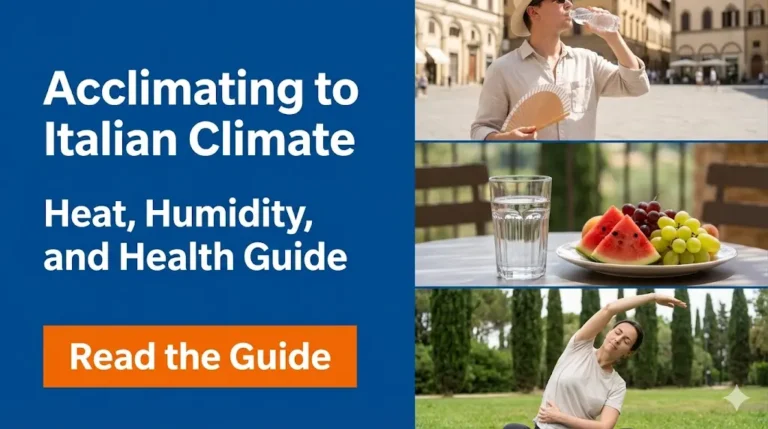
Expatriates moving from cooler climates must be acutely aware of how the intense Italian summer affects chronic conditions. From June through August, temperatures in Italy frequently exceed 35°C (95°F), accompanied by high humidity in regions like the Po Valley or intense dry heat in the south.
- For Diabetics: Extreme heat can cause your blood vessels to dilate, which can speed up insulin absorption and lead to unexpected hypoglycemia (low blood sugar). Furthermore, insulin degrades quickly when exposed to high temperatures. You must invest in specialized cooling wallets (like Frio bags) to transport your insulin when traveling, going to the beach, or walking around the city during the summer months. Heat and sweat can also cause the adhesive on continuous glucose monitors and insulin pump infusion sets to loosen prematurely, requiring medical-grade over-patches to keep them secure.
- For Hypertensives: Heat causes the body to sweat and lose fluids and essential electrolytes. This natural cooling process can cause blood pressure to drop significantly. If you are taking prescription diuretics (water pills) or powerful antihypertensive medications, the combination of the summer heat and your medication can lead to dizziness, fainting, or severe dehydration. You must discuss your summer protocol with your Italian cardiologist, as they may recommend temporarily lowering your dosage during the hottest months of the year.
Handling Medical Emergencies
Despite meticulous management, medical emergencies can happen. Whether you experience a severe hypoglycemic episode or a hypertensive crisis, knowing how to trigger the emergency response system is vital.
The universal emergency number in Italy (and across the European Union) is 112. Operators can usually connect you with an English-speaking translator. If you require an ambulance, they will dispatch one immediately.
If you are able to travel safely, you can go directly to the Pronto Soccorso (Emergency Room) of the nearest public hospital. Emergency care in Italy is heavily triaged based on clinical urgency, not on a first-come, first-served basis. Life-threatening crises (Red or Orange codes) are treated instantly and completely free of charge, regardless of your residency or insurance status.
It is highly recommended that you learn a few key Italian phrases to communicate your condition during a crisis:
- “I have diabetes” – Sono diabetico (male) / Sono diabetica (female).
- “I have high blood pressure” – Soffro di ipertensione or Ho la pressione alta.
- “I need sugar” – Ho bisogno di zucchero.
- “Call an ambulance” – Chiami un’ambulanza.
Additionally, wearing a medical alert bracelet translated into Italian or keeping a translated medical summary card in your wallet alongside your ID can speak for you if you become incapacitated.
Conclusion
Managing diabetes and hypertension while living abroad requires adaptability, organization, and a willingness to understand a new healthcare paradigm. Fortunately, Italy provides one of the safest and most supportive environments in the world for individuals living with these chronic conditions.
By proactively registering with the SSN, securing your vital Esenzione per Patologia, and building a collaborative relationship with your local Centro Antidiabetico or cardiologist, you can transition your medical care seamlessly. The combination of state-subsidized medications, highly trained medical professionals, and the natural health benefits of the Mediterranean lifestyle ensures that your chronic conditions remain a manageable aspect of your life, rather than a defining limitation. With your health securely protected by the Italian medical infrastructure, you are free to explore, savor, and fall deeply in love with your new life in Italy.
References
Primary sources (official)
- Ministero della Salute: The central governmental portal outlining the national public health strategies for chronic disease management, the Piano Nazionale della Cronicità, and the legal frameworks for medical exemptions. https://www.salute.gov.it/
- Agenzia Italiana del Farmaco (AIFA): The Italian Medicines Agency providing official databases on drug availability, generic active ingredients, and the categorization of subsidized pharmaceuticals. https://www.aifa.gov.it/
Other helpful sources
- Società Italiana di Diabetologia (SID): The Italian Society of Diabetology offers extensive resources, national clinical guidelines, and educational materials regarding diabetes care and research in Italy. https://www.siditalia.it/
- Società Italiana dell’Ipertensione Arteriosa (SIIA): The Italian Society of Arterial Hypertension provides public health information, dietary recommendations, and cardiovascular prevention guidelines. https://siia.it/
Disclaimer
The information provided in this article is intended for general educational and informational purposes only and does not constitute official medical, legal, or administrative advice. Healthcare regulations, pharmaceutical availability, and the specific bureaucratic requirements for obtaining medical exemptions (Esenzioni) in Italy are subject to frequent legislative updates by national and regional health authorities. Always consult directly with a licensed Italian medical professional (Medico di Base or specialist) for personalized medical advice, diagnosis, and prescription management. In the event of a severe, life-threatening medical emergency, please dial the universal European emergency number 112 or proceed immediately to the nearest public hospital emergency room (Pronto Soccorso).