Finding Part-Time Jobs for International Students in Italy
International students in Italy can significantly offset their living expenses by securing part-time employment. This comprehensive guide details legal hour limits, popular job sectors, and strategic search tips to help you balance work and study effectively in the Mediterranean.
Disclosure: This post may contain affiliate links. We may earn a commission at no extra cost to you if you make a purchase through these links. Read full disclosure.
Navigating the Italian Student Job Market
Studying in Italy is a dream for many, offering access to some of the world’s oldest universities and a vibrant cultural lifestyle. However, managing finances in cities like Milan, Rome, or Bologna can be challenging. For many, finding part-time work is not just a way to earn extra pocket money, but a necessity to cover the Cost of Living in Italy 2026: Budgeting for Expats.
The Italian job market for students is diverse, ranging from traditional hospitality roles to modern digital freelancing. While the prospect of working while studying is exciting, it requires a clear understanding of the legal landscape and the specific requirements tied to your residency status. Italy has specific regulations that protect both the student’s academic progress and their rights as a worker, ensuring that employment remains a secondary activity to their education.
Legal Requirements and Work Hours for Students
Before you start handing out resumes, it is vital to understand the legal constraints imposed on international students. These rules vary significantly depending on whether you are an EU citizen or a non-EU citizen.
Regulations for Non-EU Students
If you are a non-EU citizen, your right to work is tied directly to your student visa and subsequent residency permit. According to Italian law, students on a valid Permesso di Soggiorno for study purposes are allowed to work for a maximum of 20 hours per week. This limit is strictly enforced to ensure that your primary focus remains on your university degree.
Furthermore, there is an annual limit of 1,040 hours of work. During semester breaks—such as the summer holidays in August or the winter break—you are generally permitted to work full-time (up to 40 hours per week), provided the cumulative annual total does not exceed the legal threshold. Exceeding these hours can lead to complications when Renewing Your Italian Residence Permit: Process and Tips, potentially jeopardizing your legal stay in the country.
Regulations for EU Students
Students from EU member states enjoy the principle of free movement of labor. This means you do not face the 20-hour weekly restriction and do not need a specific work permit. However, you should still be mindful of how many hours you work to ensure you maintain the academic performance required by your university.
The Essential Codice Fiscale
Regardless of your nationality, you cannot legally work in Italy without a Codice Fiscale (Tax Code). This unique alphanumeric identifier is used by the Italian tax authorities to track your income and social security contributions. Employers will ask for this document immediately upon hiring. If you have just arrived, understanding Why Codice Fiscale Is Essential for Foreigners in Italy should be your first priority before beginning your job search.
Popular Sectors for Student Employment in Italy
Italy’s economy offers several sectors that are particularly welcoming to student workers. Depending on your language skills and location, you can find opportunities in various industries.
Hospitality and Food Service
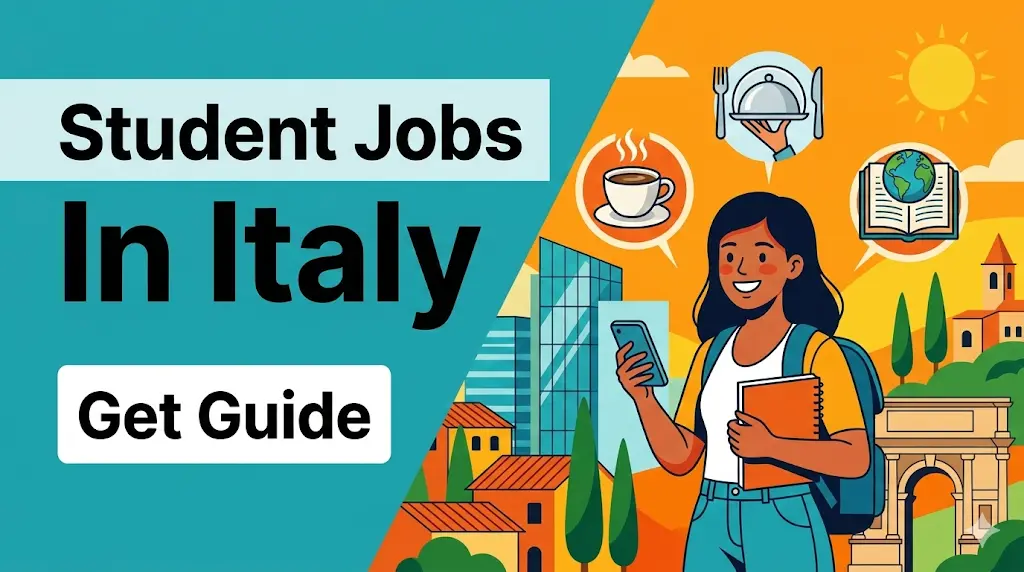
The most common sector for students is undoubtedly hospitality. Bars, cafes, and restaurants are always in need of waitstaff, bartenders, and kitchen help, especially in tourist-heavy cities.
- Pros: Flexible evening and weekend shifts; often includes tips.
- Cons: Physically demanding; may require a basic level of Italian.
Language Tutoring
If you are a native speaker of English, Spanish, French, or Mandarin, you possess a highly marketable skill. Many Italian families seek private tutors for their children, and language schools often hire students for conversation classes. This is a great way to gain experience if you are considering Teaching English in Italy: Qualifications and Opportunities as a long-term career path.
Retail and Tourism
International clothing brands and tourist agencies often hire multilingual students. Working as a sales assistant or a tour guide assistant allows you to use your language skills in a professional setting.
University-Based Jobs (Collaborazioni Studentesche)
Many Italian universities offer internal part-time roles known as “150 ore” (150 hours). These roles include working in university libraries, computer labs, or administrative offices.
- Pros: Located on campus; very flexible; no commute.
- Cons: Highly competitive; limited to a set number of hours per year.
Essential Documentation for Working in Italy
To transition from a “student” to a “student worker,” you need to ensure your paperwork is in order. Italian bureaucracy is notoriously detailed, and missing one document can stall your hiring process.
| Document | Purpose | Who Needs It? |
| Valid Passport/ID | Proof of identity and age. | Everyone |
| Student Visa | Initial entry and proof of study purpose. | Non-EU Citizens |
| Permesso di Soggiorno | Legal residence and right to work (up to 20hrs). | Non-EU Citizens |
| Codice Fiscale | Mandatory for tax and social security. | Everyone |
| Italian Bank Account | For receiving salary payments. | Everyone (Highly recommended) |
| Health Insurance | Proof of coverage (SSN or private). | Everyone |
Effective Strategies for Finding a Job
Finding a job in Italy often requires a proactive approach. While digital platforms are growing, traditional networking—or “passaparola”—remains a powerful tool.
Online Job Portals
Websites like Indeed Italy, LinkedIn, and InfoJobs are excellent starting points. Use keywords such as “part-time,” “studenti,” or “madrelingua” (native speaker) to filter relevant results. For more specialized roles, you can explore Job Hunting in Italy: Best Sites and Recruiters to see which agencies focus on international talent.
University Career Services
Most major universities, such as the University of Bologna or the Politecnico di Milano, have a dedicated “Ufficio Carriere.” These offices often maintain a database of local businesses looking specifically for student workers. They can also help you tailor your CV to meet Italian standards.
Local Networking and Physical Resumes
In the hospitality sector, it is still very common to walk into a bar or restaurant during non-peak hours and ask if they are hiring. Bring a printed copy of your CV in Italian. Even if your Italian isn’t perfect, showing the initiative to speak the language is highly valued by local employers.
Balancing Work and Academic Life
While earning money is important, your primary goal in Italy is your education. Italian universities often have a very different structure than those in the US or UK, with a heavy emphasis on oral exams and independent study.
- Exam Sessions: Italy has specific “sessioni d’esame” (exam periods), usually in January/February and June/July. During these months, you may need to reduce your work hours significantly.
- Attendance Requirements: Some courses have “frequenza obbligatoria” (mandatory attendance). Ensure your work shifts do not clash with your lecture schedule.
- Mental Health: Moving to a new country is stressful. Don’t overextend yourself. If you find the balance difficult, consult our guide on Mental Health Support in Italy: Resources for Expats to find professional help in English.
Tax and Social Security for Students
Working in Italy means you will be part of the national tax and social security system (INPS). Even as a part-time student worker, a portion of your salary will be deducted for social security.
- Income Tax (IRPEF): If your annual income stays below a certain threshold (usually around €8,500), you may fall into the “no-tax area,” meaning you won’t owe income tax, but you still need to file a return if you have multiple employers.
- Thirteenth Month (Tredicesima): Many Italian contracts include a 13th-month bonus paid in December.
- Severance Pay (TFR): When you leave a job, you are entitled to Trattamento di Fine Rapporto, a sum of money accumulated during your employment.
Conclusion
Finding a part-time job as an international student in Italy is an excellent way to integrate into the local culture while easing financial pressure. By staying within the legal limit of 20 hours per week, ensuring your Codice Fiscale is ready, and leveraging both digital portals and local networking, you can secure a role that complements your studies.
Italy offers a dynamic landscape for students who are willing to be proactive and adaptable. Remember that your job is a tool to support your journey, but your degree is the destination.
References
Primary sources (official)
- Ministero dell’Interno – Visto per Studio: Official government portal for student visa regulations and work limits. https://vistoperitalia.esteri.it/
- INPS (Istituto Nazionale Previdenza Sociale): Information on social security contributions for part-time and student workers. https://www.inps.it/
Other helpful sources
- Universitaly: The official gateway for international students in Italy, providing resources on living and working while studying. https://www.universitaly.it/
Disclaimer
The information provided in this article is for general informational purposes only and does not constitute professional legal, financial, or career advice. Italian labor laws and immigration requirements (including work hour limits for students) are subject to change. Every student’s situation is unique; therefore, it is highly recommended to consult with your university’s international office or a qualified legal expert before signing an employment contract in Italy.