Local Saint’s Day Festivals (Sagre and Feste Patronali)
Ah, Italy. Just when you think you've got a handle on the administrative labyrinth, the language quirks, and the eternal quest for good coffee, you stumble upon a local festival. And suddenly, all your carefully laid plans for a quiet evening or a touristy afternoon vanish into a whirlwind of loud music, delicious smells, and utterly bewildering traditions. But trust me, as an expat who’s navigated countless sagre and feste patronali, these local celebrations are where the true heart of Italy beats. This guide will walk you through everything you need to know to not just witness, but truly embrace, these vibrant, often chaotic, and always unforgettable slices of Italian life.
Disclosure: This post may contain affiliate links. We may earn a commission at no extra cost to you if you make a purchase through these links. Read full disclosure.
What Are Sagre and Feste Patronali?
When you first arrive in Italy, you might hear whispers of "sagre" and "feste." Are they the same thing? Are they just another excuse for Italians to eat, drink, and be merry (which, let's be honest, they excel at)? While both are indeed joyful celebrations, they have distinct roots and flavors, each offering a unique window into local culture. Understanding the difference is key to knowing what kind of delightful chaos you're stepping into.
The Heart of Italian Tradition
At their core, both sagre and feste patronali are deeply ingrained in Italy's rich tapestry of history, community, and devotion. They’re not designed for tourists, though tourists are warmly welcomed; they are for the locals, by the locals. They are tangible links to generations past, moments when a town pauses its daily rhythm to celebrate its identity, its bounty, or its divine protector. You won't find generic gift shops or manufactured entertainment here; instead, you'll find genuine passion, tireless volunteer work, and an authentic expression of local pride. These events are the living embodiment of tradition, passed down through families, preserved through generations, and celebrated with an enthusiasm that is truly infectious. They connect the present to the past in a way that modern life often forgets.
Sagre: A Celebration of Local Delicacies
Ah, the sagra! This is often where many expats first dip their toes into the waters of local Italian festivals, and what a delicious plunge it is. A sagra is, quite simply, a food festival. But it's so much more than that. It’s a profound ode to a specific local product, often something agricultural that has sustained the community for centuries. Think about it: a town dedicating an entire weekend, or even a week, to a single ingredient? That's Italy for you.
You’ll find sagre dedicated to everything imaginable: the Sagra del Tartufo (truffle festival) in Piedmont, the Sagra della Castagna (chestnut festival) in Lazio, the Sagra del Pesce (fish festival) along the coastlines, or even the Sagra della Polenta (polenta festival) in many northern villages. The range is astounding, and it's a fantastic way to taste regional specialties that you might never encounter in a typical restaurant.
When you walk into a sagra, prepare for sensory overload. The air will be thick with the aroma of whatever delicacy is being celebrated – perhaps sizzling sausages, sweet roasted chestnuts, or fresh seafood frying. There will be rows of makeshift kitchens, often run by local volunteers from the pro loco (local tourism board) or various associations, churning out vast quantities of food. You typically buy tickets for individual dishes or drinks at a central cashier, then take your tickets to the various food stalls. Don't expect haute cuisine; this is hearty, rustic, and incredibly flavorful home cooking, prepared with love and often secret family recipes. The atmosphere is boisterous and communal, with long tables where everyone sits together, sharing food and laughter. It’s a beautiful mess of families, friends, and curious visitors, all united by a shared appreciation for good food and good company. You might even find yourself chatting with the nonna who made the pasta just minutes before.
Feste Patronali: Honoring the Patron Saint
While a sagra tickles your taste buds, a festa patronale touches the soul. This is a celebration dedicated to the patron saint of a specific town or city, and it is inherently religious, even if secular festivities often accompany it. Every Italian town, no matter how small, has a patron saint, and their feast day is a major event in the local calendar.
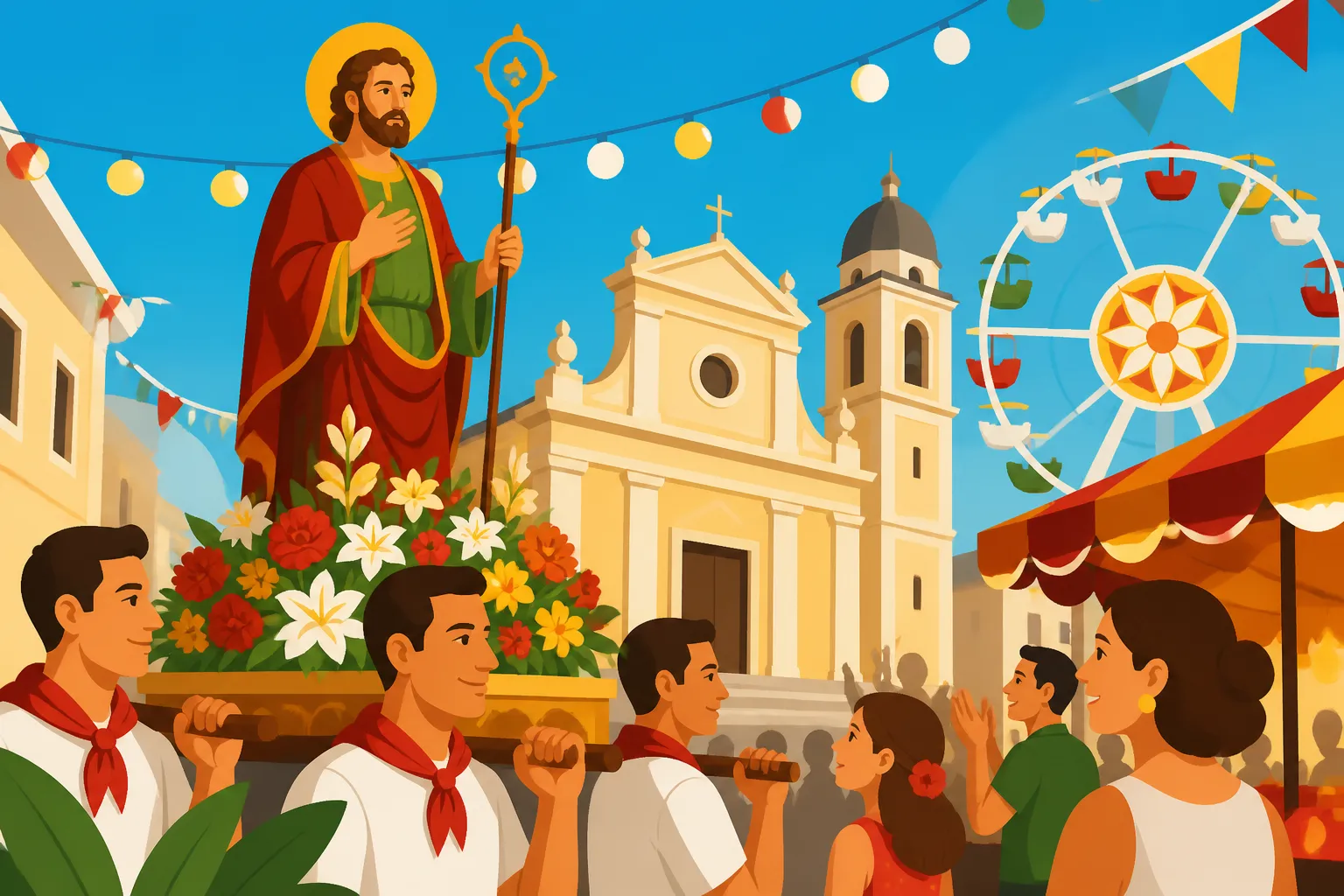
These feste typically involve a solemn procession, where a statue of the patron saint, often elaborately adorned, is carried through the streets. The procession might be accompanied by a local band, clergy, local dignitaries, and devout residents, all walking slowly and reverently. It’s a powerful visual, showcasing the deep faith that still underpins much of Italian life. The air is often filled with the scent of incense, the mournful yet uplifting sound of church bells, and the hushed murmurs of prayers.
But a festa patronale isn't just about solemnity. It's also a massive community party. After the religious ceremonies, the town explodes into celebration. Expect live music, sometimes a full concert, and often spectacular fireworks displays that light up the night sky. There might be street vendors selling sweets, toys, and other trinkets, and perhaps even a small carnival with rides for children. It’s a coming-together, a moment of collective identity and pride. People dress in their finest clothes, visit relatives, and enjoy the rare opportunity to see their town transformed into a vibrant stage for tradition. This is truly where you see the enduring spirit of local Italian culture.
Why You Should Experience a Local Italian Festival
Okay, so you might be thinking, "Another festival? I've seen a few parades, eaten some street food." But trust me, local Italian sagre and feste patronali are on a different level. They offer something far more profound than your typical tourist attraction. For expats and even seasoned travelers, these events are not just fun; they are essential for truly understanding your adopted home.
A Glimpse into Authentic Italian Life
This is the big one. While Florence and Rome offer unparalleled historical grandeur, it's in the small towns and at these local festivals that you truly witness authentic Italian life. When you attend a sagra or festa patronale, you’re not just observing; you're stepping into the rhythm of a community that has celebrated these events for centuries. You'll see families gathered, children running wild, old friends embracing, and generations sharing stories and laughter. It’s a living, breathing snapshot of Italian culture, unvarnished and genuine. You might hear dialects you didn't even know existed, observe social customs up close, and feel a sense of belonging that's often elusive in big cities. These moments help you to truly grasp the meaning of concepts like campanilismo – the fierce loyalty Italians feel for their hometown. It’s a cultural immersion far deeper than any museum visit, allowing you to witness the enduring spirit that binds these communities together. If you're looking to understand the real Italy beyond the postcards, this is where you'll find it.
Culinary Delights Beyond the Tourist Trail
Forget the generic "Italian restaurant" menus you might find in tourist hotspots. At a sagra, you're in for a genuine treat. This is your chance to sample hyper-local dishes, often made with ingredients harvested directly from the surrounding land or sea. Imagine a Sagra del Fico (fig festival) where you can taste figs in every form imaginable – fresh, dried, in jams, in savory dishes, even in liqueurs. Or a Sagra del Cinghiale (wild boar festival) where rich, slow-cooked wild boar ragù blankets fresh pasta.
These dishes are often prepared by local grandmas and grandpas, or by passionate volunteers, using techniques passed down through generations. The food is typically incredibly fresh, seasonal, and ridiculously affordable. You'll likely eat better and more authentically here than you would in many high-end restaurants, and for a fraction of the price. Plus, the communal seating means you’re often sharing a table with locals, who might just offer you a taste of their dish or share stories about the food. It's not just a meal; it's a culinary journey directly into the heart of regional Italian cooking. This is where you taste the true flavors that define Italy, region by region, village by village. To fully appreciate the diverse culinary landscape, understanding Italian Regional Cuisine: How Food Changes Across Italy is incredibly helpful.
The Joy of Community and Celebration
One of the most heartwarming aspects of these festivals is the sheer joy and sense of community they exude. Italians, known for their lively spirit, truly let loose during these events. Music fills the air, from traditional folk tunes to modern pop played by local bands. People dance in the streets, children chase balloons, and the conversations are loud and enthusiastic. There's a palpable sense of shared happiness and collective pride.
At a festa patronale, you’ll witness powerful displays of devotion, but also the universal human need to celebrate and come together. After the religious procession, the evening often culminates in a spectacular fireworks display, a tradition that never fails to unite crowds in awe. It’s a reminder that amidst the daily grind, there are still moments of pure, unadulterated festivity. These festivals foster a sense of belonging, not just for the locals but also for visitors who choose to participate. You might arrive as a stranger, but you'll leave feeling a little bit more connected, a little bit more Italian.
How to Find and Plan Your Festival Adventure
The beauty of Italy is that there's almost always a sagra or festa patronale happening somewhere. The challenge, however, is finding them. Unlike major tourist events, these local gems aren't always widely advertised in English or on international platforms. It requires a bit of detective work, a dash of local knowledge, and an adventurous spirit.
Unearthing Local Gems
Finding these hyper-local events can feel like an archaeological dig, especially if your Italian isn't quite fluent yet. But don't despair! The best places to start are the local sources. The ufficio turistico (tourism office) in any town, no matter how small, is usually an excellent resource. They often have pamphlets, posters, or even a whiteboard listing upcoming events. Don't be shy; ask them directly, "Ci sono sagre o feste patronali in programma?" (Are there any sagre or patron saint festivals scheduled?).
Another fantastic resource is the local comune (town hall) website. Look for sections like "Eventi," "Manifestazioni," or "Calendario." Many small towns might not have highly sophisticated websites, but they'll often list these important dates. Facebook groups for expats in Italy, or specific regional groups, can also be invaluable, as members often share information about upcoming events. Keep an eye out for posters plastered on walls, in cafes, or outside churches – these are the traditional ways locals spread the word. Sometimes, simply asking a local shopkeeper or bar owner can yield the best results; they'll likely know what's happening and when.
Timing Your Visit
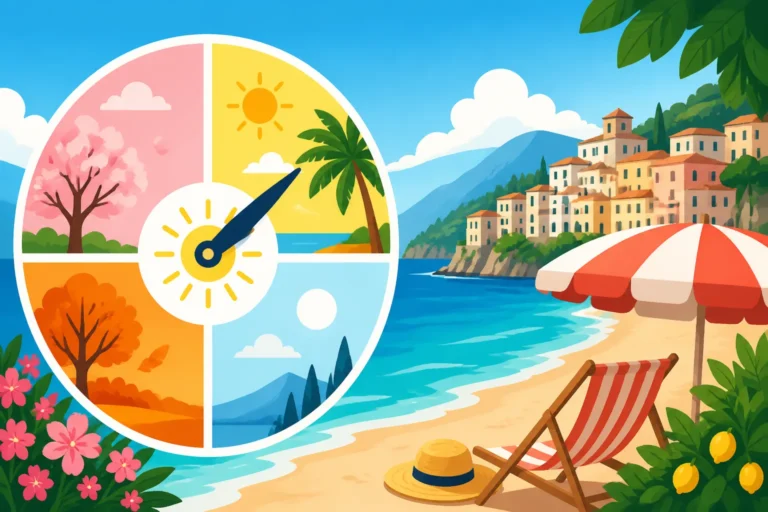
While sagre and feste patronali happen year-round, certain seasons are particularly rich with these celebrations. Summer (June to September) is prime time, especially for sagre, as it coincides with harvest seasons and the warmer weather makes outdoor gatherings more enjoyable. You'll find countless food festivals celebrating summer fruits, vegetables, and seafood. August, in particular, with the Ferragosto holiday, sees a huge surge in local festivals as Italians take their vacations and return to their hometowns. This also means more crowds and potentially higher prices for accommodation, so keep that in mind.
Spring and autumn are also wonderful, often celebrating seasonal produce like asparagus, artichokes, mushrooms, and of course, truffles and chestnuts. The Festa Patronale dates are tied to the specific saint's day, so these can occur at any time of the year, but many major ones fall outside of the deep winter months. It's always a good idea to check specific dates, as they can sometimes shift slightly year to year. Knowing the typical weather for the season will also help you plan your wardrobe, as you'll likely be spending a lot of time outdoors.
Logistics: Accommodation and Transport
Once you've zeroed in on a festival, don't underestimate the logistics, especially for smaller towns. If you're planning to attend a popular sagra or a significant festa patronale in a smaller village, booking accommodation well in advance is crucial. These towns often have limited options, and they fill up quickly with visiting relatives and festival-goers. Websites like Booking.com are generally reliable for finding everything from quaint B&Bs to agriturismi. Remember to check cancellation policies, just in case.
For transport, while larger cities are well-connected by trains, getting to smaller towns might require a car. Renting a car gives you the most flexibility, allowing you to explore the surrounding area and reach villages that aren't on main public transport routes. However, if you prefer public transport, high-speed trains in Italy connect major cities, and then you might need to rely on regional trains or local buses for the final leg. Websites like Omio can be incredibly helpful for planning and booking train and bus tickets across Italy, making it easier to see if a festival town is accessible by public transport. Be mindful of schedules, especially on weekends and holidays, as services might be reduced. If driving, research parking options in advance, as town centers can become quite congested during festivals.
Navigating the Festival Experience Like a Pro
Stepping into an Italian local festival for the first time can feel a bit like diving into the deep end of a beautiful, bustling pool. But with a few insider tips, you'll be swirling in the current, ordering polenta like a seasoned local, and maybe even attempting a tarantella in no time.
What to Expect at a Sagra
A sagra is a feast for the senses, but it’s also a unique logistical experience. When you arrive, look for a central ticket booth, often clearly marked "Cassa" or "Biglietteria." Here, you’ll purchase tickets or tokens for the food and drink items. The menu might be written on a chalkboard or a printed sheet, sometimes only in Italian. Don't be afraid to point or ask for help with translations – most people are happy to assist.
Once you have your tickets, head to the various food stalls. Each stall will typically specialize in one or two dishes. Hand over your tickets, and often your plate of piping hot, freshly prepared food will be handed right back to you. Seating is usually communal, with long tables and benches set up under tents or in the open air. Find an empty spot, even if it means squeezing in next to strangers. This is part of the charm! Don't expect fancy cutlery; plastic forks and paper plates are the norm. The focus is on the food and the company. Bring cash, as not all sagre will accept card payments, especially in smaller villages. The prices are usually very reasonable, making it an excellent way to eat well on a budget.
Participating in a Festa Patronale
A festa patronale blends religious devotion with jubilant celebration, and understanding this balance will help you participate respectfully and fully. If there’s a religious procession, observe from the sidelines, and if you wish to join, do so respectfully. It's often a quiet, reverent affair, so save your boisterous conversations for later. Dress modestly if you plan to enter a church or stand near the procession.
After the religious elements, the atmosphere shifts dramatically. This is when the party truly begins. Wander through the streets, which might be adorned with colorful lights and banners. Enjoy the live music – often a cover band playing popular Italian hits, or traditional folk music that encourages dancing. If there’s a central piazza, that's usually where the main stage and most of the activity will be. Fireworks are a common and spectacular finale, so try to find a good vantage point. Engage with the street vendors, try some torrone (nougat) or other local sweets, and simply soak in the joyous energy. It's a fantastic opportunity to witness generations of a community celebrating together.
Language and Cultural Nuances
While many Italians in tourist areas speak English, in smaller towns and at local festivals, you'll find that English is much less common. This is part of the adventure! A few basic Italian phrases will go a long way: "Grazie" (thank you), "Per favore" (please), "Quanto costa?" (how much does it cost?), and "Vorrei questo" (I would like this). Don't be afraid to try out your Italian; locals often appreciate the effort. Body language, pointing, and a friendly smile are universal translators.
Culturally, Italians are generally warm and welcoming. Don't be surprised if you strike up a conversation with a stranger at a communal table. Offer a "Buon appetito!" before eating and a "Salute!" if raising a glass. Be prepared for things to run on "Italian time" – schedules might be fluid, and things might start a bit later than announced. This is not a cause for frustration but an invitation to slow down and enjoy the moment. Embrace the unhurried pace and the spontaneous interactions, as these are truly what make these festivals so special. For deeper insights, learn about Italian Social Customs: Greetings, Gestures, and Personal Space.
Regional Highlights: A Taste of Italy's Festival Diversity
Italy is a country of incredible regional diversity, and its festivals are no exception. From the Alpine north to the sun-drenched south, each region offers a unique flavor of celebration, deeply rooted in its landscape, history, and culinary traditions. Exploring these regional differences is like embarking on a cultural treasure hunt.
Northern Italy's Harvest and Historical Festivals
In Northern Italy, with its fertile plains, dramatic mountains, and rich industrial history, festivals often revolve around agricultural bounty and medieval traditions. Piedmont, for example, is famous for its Sagra del Tartufo Bianco d'Alba (International Alba White Truffle Fair) in autumn, a high-end celebration of the prized white truffle. It's an exquisite event, though certainly pricier than your average sagra. Nearby, you might find sagre dedicated to local cheeses, wines, or hazelnuts.
Moving east into Veneto, beyond the canals of Venice, you’ll find sagre celebrating rice (especially risotto!), asparagus, and cherries. Historical reenactments are also popular, like the Palio di Siena in Tuscany (though Siena is technically Central Italy, its historical festivals share a spirit with those in the North), or the Giostra del Saracino in Arezzo. These events bring medieval history to life with parades in period costumes, flag-throwing displays, and thrilling jousting competitions. Emilia-Romagna, often called Italy's food valley, has countless sagre celebrating its famous products: Parmigiano Reggiano, prosciutto di Parma, balsamic vinegar, and specific types of pasta. These are often more informal and delicious.
Central Italy's Medieval and Religious Spectacles
Central Italy, with its rolling hills, ancient cities, and deep spiritual heritage, hosts festivals that often blend medieval pomp with profound religious devotion. Tuscany and Umbria are perhaps best known for their historical pageants, often tied to ancient rivalries or patron saints. Besides the famed Palio di Siena, there's the Calcio Storico Fiorentino in Florence, a brutal and fascinating medieval football match, or the Ceri di Gubbio in Umbria, a breathtaking race where three massive wooden "candles" (actually heavy pedestals topped with statues of saints) are carried through the streets.
Religious feste patronali here are often elaborate and moving. In Lazio, Rome's own patron saints, Saints Peter and Paul, are celebrated in late June. Many towns feature impressive processions, often with ornate floats and beautifully decorated streets. The Infiorata festivals, particularly in towns like Genzano di Roma or Noto (Sicily, but sharing the tradition), are stunning, where streets are carpeted with intricate designs made from flower petals, often for the feast of Corpus Domini. These festivals offer a mix of solemnity and breathtaking beauty, deeply rooted in history and faith.
Southern Italy's Vibrant Celebrations
Southern Italy is known for its passionate, colorful, and often dramatic festivals. Here, the line between religious devotion and exuberant folk celebration is often beautifully blurred. Campania, the home of Naples, boasts the incredible Festa di San Gennaro, honoring the city's patron saint with elaborate processions and the miraculous liquefaction of his blood. Seafood sagre are abundant along the coast, celebrating the fresh catches of the Mediterranean.
Puglia, with its unique architectural heritage and stunning coastline, has countless sagre celebrating everything from orecchiette pasta to olives, wine, and local cheeses. These often feature traditional folk music like the pizzica, encouraging spontaneous dancing. Sicily, the largest island, is a world unto itself. The Festa di Sant'Agata in Catania is one of Italy's largest and most fervent religious festivals, with thousands pulling massive candle-laden floats through the city. The Infiorata di Noto, though a flower festival, has strong ties to religious spring celebrations. Southern Italian festivals are often characterized by their intensity, vibrant colors, lively music, and a palpable sense of shared emotion, making them truly unforgettable experiences.
To make it a bit easier to visualize, here's a table with some common festival types, their typical season, and what you might find:
| Festival Type | Typical Season | Main Focus | What to Expect | Regional Examples (Common) |
|---|---|---|---|---|
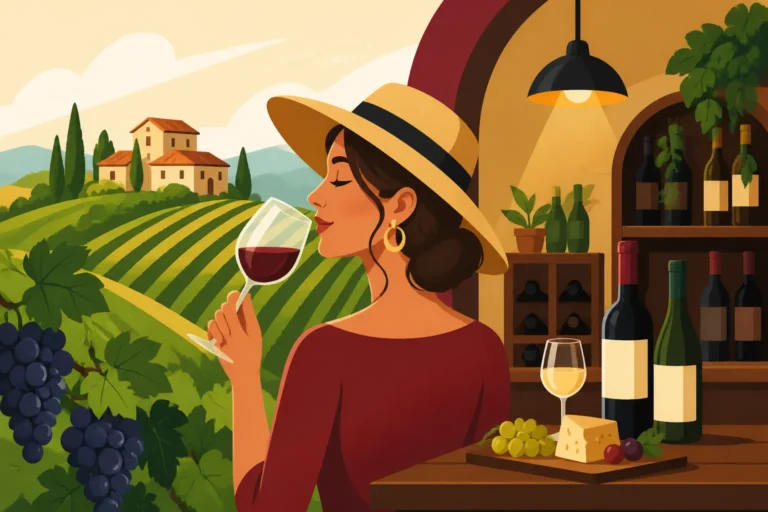
| Sagra del Vino | Autumn | Local wine production | Wine tasting, traditional food pairings, grape stomping (sometimes) | Piedmont, Tuscany, Veneto, Puglia |
| Sagra del Tartufo | Autumn | Truffles (white or black) | Truffle markets, truffle-infused dishes, cooking demonstrations | Piedmont (Alba), Umbria, Marche |
| Sagra del Mare/Pesce | Summer | Fresh seafood | Fried fish, grilled seafood, pasta with seafood sauces, beach atmosphere | Coastal towns throughout Italy (e.g., Puglia, Sicily, Campania) |
| Sagra della Castagna | Autumn | Chestnuts | Roasted chestnuts, chestnut cakes, jams, polenta | Lazio, Tuscany, Umbria, Piedmont (mountainous areas) |
| Festa Patronale | Varies (saint's day) | Honor local patron saint | Religious processions, church services, fireworks, live music, street markets | All over Italy (e.g., San Gennaro in Naples, Sant'Agata in Catania) |
| Sagra della Polenta | Autumn/Winter | Polenta (cornmeal porridge) | Polenta with various sauces (meat, mushroom, cheese) | Northern Italy (Lombardy, Veneto, Piedmont) |
| Rievocazione Storica | Spring/Summer/Autumn | Historical reenactment | Parades in period costumes, flag throwers, jousting, archery, medieval markets | Tuscany (Siena, Arezzo), Umbria (Gubbio), Veneto, Emilia-Romagna |
| Infiorata | Late Spring (Corpus Domini) | Floral art for religious procession | Streets carpeted with intricate flower petal designs | Noto (Sicily), Genzano di Roma (Lazio) |
Remember, these are just a few examples. The beauty is in the endless variety! Don't hesitate to use resources like GetYourGuide if you're looking for organized tours that might include festival experiences, though for true local immersion, independent exploration is often best. Always check specific dates and locations well in advance, as these local events are constantly evolving and are deeply tied to the rhythms of the Italian calendar. For general travel tips, consider our guide on Getting Around Italy: Trains, Buses, Flights, and Car Hire.
Disclaimer
Please remember that information regarding dates, times, and specific events for sagre and feste patronali can change frequently due to local planning, weather, or other unforeseen circumstances. While we strive to provide the most accurate and up-to-date information, it is always advisable to verify details with local tourism offices, official town websites, or reliable local sources before making travel plans. This guide is for informational purposes only and does not constitute official travel advice.