Christmas and Epiphany (Befana) in Italy
Navigating the Italian holiday season can feel a bit like trying to solve a Rubik's Cube blindfolded, especially when you're used to traditions from back home. It's not just Christmas Day and New Year's; Italy extends the festive cheer (and the closures!) right through to Epiphany, known here as La Befana. This guide is designed to help you, fellow expat, understand and truly embrace the magic of Christmas and Epiphany in Italy, so you can enjoy every panettone-filled moment.
Disclosure: This post may contain affiliate links. We may earn a commission at no extra cost to you if you make a purchase through these links. Read full disclosure.
The Heart of Italian Christmas: More Than Just a Day
When you first arrive in Italy, you might notice that Christmas isn't just a single event; it's a whole season, often stretching from early December well into January. It’s deeply rooted in family, faith, and, of course, incredible food. Forget the quick dash through December; here, it's a slow, deliberate build-up to something truly special.
Preparations and Decorations: L'Avvento
The build-up to Christmas, or L'Avvento, really kicks off the festive atmosphere. Unlike some countries where decorations appear right after Halloween, Italy tends to ease into it, often starting around December 8th, the Feast of the Immaculate Conception (L'Immacolata Concezione). This is when towns and cities truly light up, from the grand luminarie of Salerno to the more understated, elegant lights in Florence or the Christmas tree often found in Piazza Duomo in Milan.
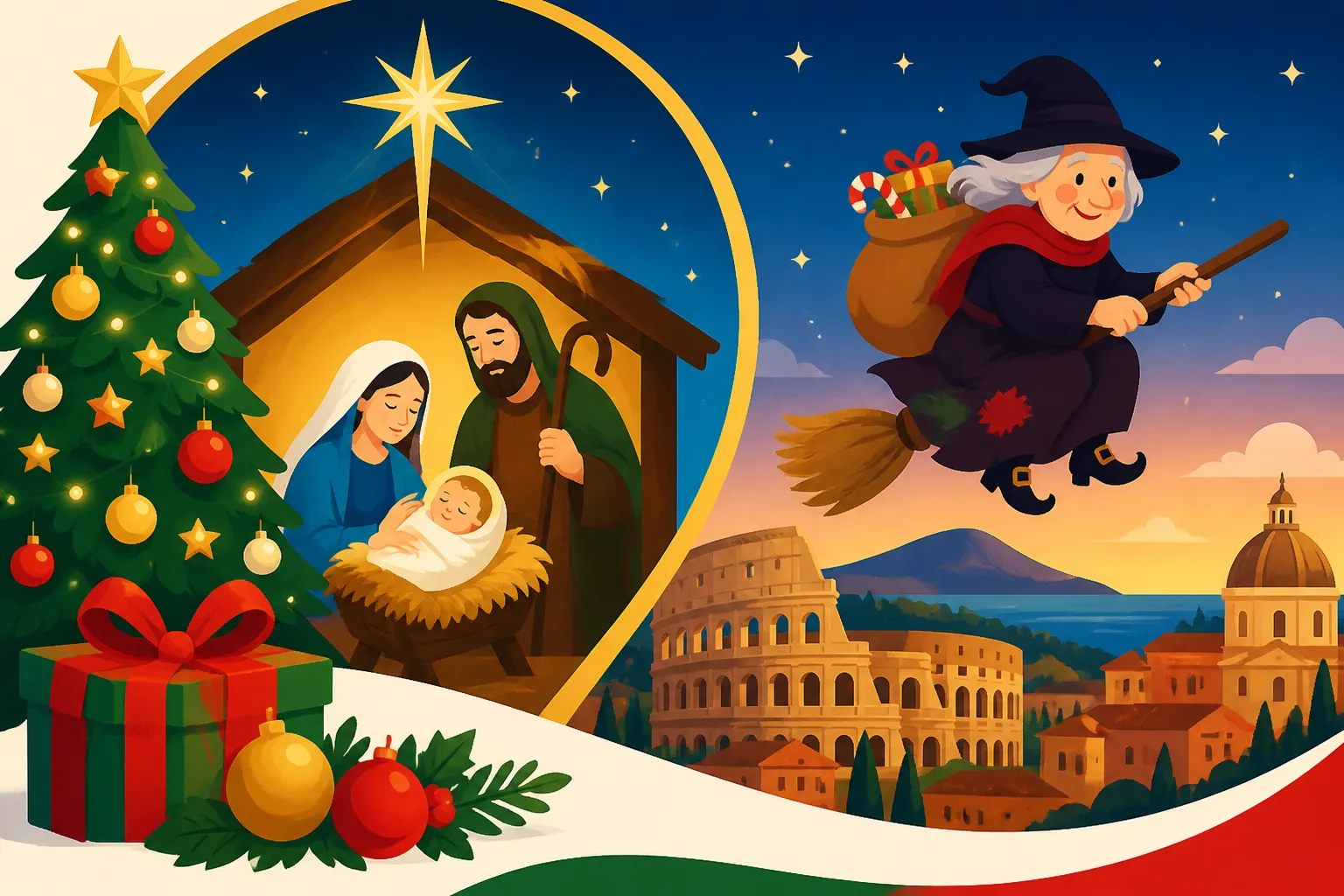
But the real star of Italian Christmas decorations isn't the tree, it's the presepe, or nativity scene. You’ll find these everywhere: elaborate, miniature villages with flowing rivers and bustling markets in churches, simple setups in homes, and often life-sized versions in town squares. In Naples, the art of presepe crafting is a centuries-old tradition, with entire streets like Via San Gregorio Armeno dedicated to artisanal workshops selling figurines and elaborate scenes. It's a truly fascinating sight, a blend of sacred art and vibrant folk culture that brings the story of Christmas to life in a way that feels uniquely Italian. Walking through these markets, you’ll see not just traditional figures, but also contemporary ones, from famous footballers to politicians, adding a quirky, local twist.
Christmas Eve and Day Traditions
Christmas Eve, or La Vigilia, is a significant event here. Many families gather for the Cenone della Vigilia, the "Great Supper of Christmas Eve." Traditionally, this is a meatless meal, a custom rooted in Catholic tradition, featuring a magnificent array of fish and seafood dishes. Think baccalà (salt cod), fried eels (capitone), pasta with clams (spaghetti alle vongole), and plenty of fresh, seasonal vegetables. It's a lavish affair, often lasting for hours, punctuated by lively conversation and a palpable sense of anticipation. After the feast, many families will head to Midnight Mass (Messa di Mezzanotte) at their local church, a deeply spiritual and communal experience that really brings home the meaning of the holiday. Even if you're not religious, attending a Midnight Mass, perhaps at one of Italy's grand cathedrals like St. Peter's Basilica in Rome, can be an incredibly moving experience.
Christmas Day, Natale, is reserved for the Pranzo di Natale, the "Christmas Lunch," which is often even grander than the Eve's dinner. This is typically a meat-heavy feast, varying wildly by region but often featuring tortellini in brodo (small pasta dumplings in broth), roasted meats like lamb or capon, and an abundance of festive desserts. This is also when gifts are exchanged, usually after lunch. Children here, much like anywhere else, are thrilled to see what Babbo Natale (Father Christmas) has left for them. The afternoon is usually spent playing games, catching up with relatives, and grazing on leftover treats. Understanding the nuances of these gatherings can really help you feel more at home. If you're struggling to grasp all the culinary delights, take a look at our guide on Italian Food Culture: Eating Well as a Visitor.
La Befana: Italy's Magical Old Woman of Epiphany
Just when you think the holiday season might be winding down, Italy introduces you to La Befana! This charming, slightly gruff old witch-like figure is perhaps one of Italy's most endearing and unique holiday traditions, and it often catches new expats by surprise.
The Legend of La Befana
The legend of La Befana dates back centuries, rooted in folklore and Christian tradition. The story goes that the Three Wise Men, on their way to find the infant Jesus, stopped at her humble home to ask for directions. They invited her to join them, but she declined, saying she had too much housework to do. Later, regretting her decision, she set off with a broom and a bag full of sweets, hoping to catch up to them and offer a gift to the Christ child. She never found them, and to this day, she flies on her broomstick on the night of January 5th to 6th, leaving treats for good children and a lump of "coal" (actually carbone dolce, a black sugar candy) for the naughty ones.
It’s a beautiful, slightly melancholic tale, and it means that for Italian children, the excitement of gift-giving stretches out beyond Christmas Day. This tradition highlights how Festivals, Holidays, and Traditions in Italy often blend ancient beliefs with religious observance, creating something truly magical. The charm of La Befana is that she's not the plump, jolly Santa figure; she's a bit more disheveled, a bit more human, which makes her all the more relatable and beloved.
Epiphany Celebrations and Sweets
On the morning of January 6th, children eagerly wake up to find their stockings filled with candies, chocolates, and small toys, compliments of La Befana. And yes, if they've been a bit mischievous, they might indeed find that symbolic lump of carbone dolce. It's a harmless, fun tradition that adds another layer of joy to the holiday season.
In many towns, especially Rome, the Epiphany holiday is celebrated with special markets. The most famous is undoubtedly the Mercato della Befana in Piazza Navona, which transforms the baroque square into a bustling wonderland of stalls selling toys, sweets, and presepe figures. It's a lively atmosphere, perfect for a stroll, soaking up the festive energy, and maybe grabbing a last-minute Befana gift. While you might not see La Befana herself, her spirit is certainly present. Family gatherings continue on Epiphany, often with another special meal, and it marks the official end of the Christmas season, with decorations typically taken down soon after.
Regional Variations: Christmas and Epiphany Across Italy
One of the most wonderful things about Italy is its incredible regional diversity, and this holds true for holiday traditions too. What you experience in the snowy Alps will be quite different from the sun-drenched shores of Sicily.
Northern Italy's Festive Flair
Up in the northern regions, particularly in places like Trentino-Alto Adige, you'll find strong Germanic and Austrian influences woven into the Christmas celebrations. Think charming, alpine-style Christmas markets that wouldn't feel out of place in Bavaria. Bolzano, in particular, hosts one of Italy's most renowned Christmas markets, with wooden chalets selling handcrafted goods, mulled wine (vin brulè), and traditional pastries. The focus here often shifts a bit more towards Christmas trees and classic European decorations, alongside the omnipresent presepi.
Food-wise, the north often leans into heartier fare. Expect richer broths, polenta dishes, and a wider variety of spiced cakes and biscuits. For Christmas Day lunch in Emilia-Romagna, cappelletti in brodo (a smaller, richer tortellini) is often the star. In Piedmont, you might find agnolotti del plin and bollito misto (a selection of boiled meats). The chilly weather also makes for cozy evenings by the fire, often with traditional carols and stories. If you're planning on visiting the north, especially for the markets, consider booking your train tickets well in advance through services like Omio, as they can get incredibly busy.
Southern Italy's Warmth and Superstitions
Travel south, and the celebrations take on a warmer, perhaps even more boisterous character. Naples, as mentioned, is the undisputed capital of presepe art, and its streets truly come alive with festive cheer. In Sicily, Christmas is often a grand affair, with an emphasis on sweets like buccellati (fig-filled cookies) and a strong tradition of attending several masses during the season.
The Cenone della Vigilia in the south can be an even more extravagant seafood feast, reflecting the coastal culinary heritage. Superstitions and folk beliefs often intertwine more visibly with religious practices. For example, some Southern Italian families maintain traditions like placing a single olive leaf in the fireplace on Christmas Eve, believing its crackle and burn predict good fortune for the coming year. The general atmosphere is one of immense family warmth, loud conversations, and tables groaning under the weight of delicious food. If you’re visiting specific regions, looking into local tours on GetYourGuide might help you discover these unique traditions, from cooking classes to guided market visits.
Navigating the Holidays as an Expat: Practical Tips
Living through the Italian holidays as an expat can be a bit of a learning curve, but with a little preparation, you can glide through it with ease and really make the most of the festive period.
Travel During the Festive Season
Firstly, if you're planning to travel within Italy during the Christmas and Epiphany period, be prepared for crowds and higher prices. This is peak travel season for Italians, many of whom return to their hometowns to be with family. Train travel, while generally excellent, will see increased demand. I always recommend booking your tickets way in advance, especially for high-speed routes, using platforms like Omio. Trust me, trying to snag a last-minute ticket from Rome to Milan on December 23rd is a recipe for stress! Similarly, if you're planning a holiday getaway, accommodations can fill up quickly. Websites like Booking.com are your best bet for finding a good selection, but again, plan ahead. Consider also that public transport might run on reduced schedules on national holidays (December 25th, 26th, and January 1st, 6th), so always double-check local timetables. Read our guide on Getting Around Italy: Trains, Buses, Flights, and Car Hire for more detailed information.
Shopping and Opening Hours
Shopping hours can be a real head-scratcher. While many shops will have extended hours in the run-up to Christmas, they will almost certainly be closed on December 25th and 26th (Santo Stefano), January 1st (Capodanno), and January 6th (Epifania). Even on Christmas Eve and New Year's Eve, many smaller shops might close early. Supermarkets often have reduced hours on these days too, so stock up on essentials a day or two before. Pharmacies usually operate on a rotation system (farmacia di turno) for holidays and nights, so you'll always be able to find one if needed. Big shopping malls might open on selected holidays, but don't count on it for an urgent purchase. Embrace the closures; it’s Italy’s way of saying, "Slow down, enjoy family, and eat!" If you're interested in specialty foods or unique gifts, seek out local markets, but be mindful of their schedules.
Connecting with Local Culture
One of the best ways to enjoy the holidays is to simply immerse yourself. Don't be afraid to try some basic Italian phrases like "Buon Natale" (Merry Christmas) and "Buona Epifania." If you're invited to a family gathering, absolutely go! It's an incredible opportunity to experience authentic Italian hospitality and cuisine. If you're alone, look for expat groups or community events in your city – many organize potlucks or dinners for those away from home. Attend a local presepe exhibition, or a festive concert. Embrace the passeggiata (evening stroll) to see the lights. It's all part of the Italian way of life, and the holidays amplify that communal spirit. Learning some Italian Language and Everyday Communication for Visitors will undoubtedly enhance your experience.
Key Dates and Customs for the Holiday Season
To help you keep track, here’s a quick overview of the most important dates during the Italian festive period:
| Date | Italian Name | Significance | Typical Activities |
|---|---|---|---|
| December 8th | Immacolata Concezione | Feast of the Immaculate Conception. Marks the unofficial start of the Christmas season. | Public holiday, Christmas decorations go up, many shops open. |
| December 13th | Santa Lucia (especially North) | Feast of Saint Lucy. In some northern regions (like Verona, Brescia), Santa Lucia brings gifts to children instead of Babbo Natale. | Children leave out milk and cookies; gift-giving in specific areas. |
| December 24th | Vigilia di Natale | Christmas Eve. | Cenone della Vigilia (fish dinner), Midnight Mass. |
| December 25th | Natale | Christmas Day. | Pranzo di Natale (Christmas lunch), family gatherings, gift exchange, shops closed. |
| December 26th | Santo Stefano | Saint Stephen's Day. | Public holiday, often spent with extended family, shops closed. |
| December 31st | San Silvestro | New Year's Eve. | Cenone di San Silvestro (New Year's Eve dinner), fireworks, parties, lentils for good luck, often throwing old things out. |
| January 1st | Capodanno | New Year's Day. | Public holiday, rest, sometimes a light lunch, shops closed. |
| January 6th | Epifania | Epiphany. Commemorates the visit of the Three Wise Men. | La Befana brings gifts to children, family gatherings, Mercato della Befana, shops closed. |
Unique Italian Traditions You'll Love
Beyond the big dates, you'll encounter charming smaller customs. One I particularly love is the tradition of eating lentils on New Year's Eve. These tiny legumes are said to symbolize money and good fortune for the coming year, so you'll find them on almost every Cenone di San Silvestro menu. Another fun custom, especially in the south, involves throwing old or unused items out the window on New Year's Eve – literally "out with the old, in with the new!" While less common in modern city apartments, the spirit of renewal is still very much alive.
You might also notice the zampognari, traditional pipers from the mountains, dressed in sheepskin vests and playing bagpipes, especially in southern Italy and Rome. They appear in the weeks leading up to Christmas, playing carols and adding a wonderfully rustic, traditional soundtrack to the season. It’s a truly evocative sound that transports you to a different era. These small, unique elements are what make the Italian holiday season so rich and memorable. You might even want to try finding a local concerto di Natale (Christmas concert) for a dose of traditional Italian carols.
Disclaimer
Please remember that while this guide offers comprehensive advice based on general Italian traditions and current information, local customs, opening hours, and specific regulations can vary. Always check local sources for the most up-to-date details, especially regarding public transport schedules and event timings during the holiday season. Enjoy your Italian Christmas and Epiphany!