After-Hours Care in Italy: Guardia Medica Explained
Midnight fever in a drafty Roman apartment can feel like a crisis when your local pharmacy is shuttered and you do not know who to call. I remember my first winter here, panicking over a simple ear infection because I did not want to clog the emergency room but needed relief immediately. This guide explains how to navigate Italy’s Guardia Medica system with ease.
Disclosure: This post may contain affiliate links. We may earn a commission at no extra cost to you if you make a purchase through these links. Read full disclosure.
What Exactly is the Guardia Medica
The Guardia Medica, officially known as Continuità Assistenziale, is a vital branch of the Italian national health service designed to provide medical assistance when your primary care physician is off duty. In Italy, your family doctor typically works Monday through Friday during standard business hours. When the sun goes down or the weekend begins, the responsibility for non-emergency medical issues shifts to this dedicated after-hours service. It is essentially a bridge that ensures no resident or visitor is left without medical consultation for a full 48 or 72 hours during holiday periods.
Understanding this service is the first step toward avoiding the chaotic waiting rooms of a hospital. Many expats make the mistake of heading straight to the emergency room for issues like a persistent cough or a minor skin rash, only to wait for eight hours because they are classified as a low-priority code. The Guardia Medica is there to handle these mid-level concerns. They are qualified doctors who can perform examinations, provide advice, and even issue prescriptions that are valid at any pharmacy.
For those of us living here long-term, the service is a safety net. It operates from 8:00 PM to 8:00 AM on weeknights and is available 24 hours a day on Saturdays, Sundays, and public holidays. This continuous coverage is a legal requirement in Italy, ensuring that the right to health is protected at all times. Whether you are in a bustling city like Milan or a quiet village in Tuscany, there is a Guardia Medica office responsible for your zone.
Bridging the Gap Between GPs and the Emergency Room
The primary function of after-hours care is to manage health issues that cannot wait until the next business day but are not life-threatening. Think of it as an urgent care clinic that only opens when everyone else is closed. If you wake up on a Saturday morning with a suspected urinary tract infection, you do not need a surgeon, but you certainly need an antibiotic. This is the exact scenario where the Guardia Medica shines. By visiting their clinic or calling their number, you receive a consultation that mirrors what you would get from Registering with an Italian Family Doctor (Medico di Base).
Without this service, the Italian hospital system would buckle under the weight of minor ailments. The doctors working here are often younger practitioners or seasoned GPs taking extra shifts, and they have the authority to refer you to a specialist or a hospital if they believe your condition is more serious than initially thought. They act as the gatekeepers of the system, filtering out the cases that do not belong in the Pronto Soccorso.
The Legal Obligation of Continuity of Care
In the eyes of the Italian government, healthcare must be "continuous." This means the state is obligated to provide you with a doctor every minute of every day. This philosophy is why the service exists and why it is funded through the National Health System (SSN). For residents, this is part of the package that comes with Obtaining the Italian Health Card (Tessera Sanitaria). It is not a luxury; it is a foundational right of living in the country.
This legal framework also means that the doctors are held to specific standards of care. They must maintain records and, in some cases, communicate with your primary GP to ensure follow-up care is consistent. If you are an expat who has just moved and is still figuring out the paperwork, knowing that this service exists can significantly lower your relocation stress. Even if you are still waiting for your final residency papers, you are generally not denied care in an urgent after-hours situation.
Who Can Use the Service
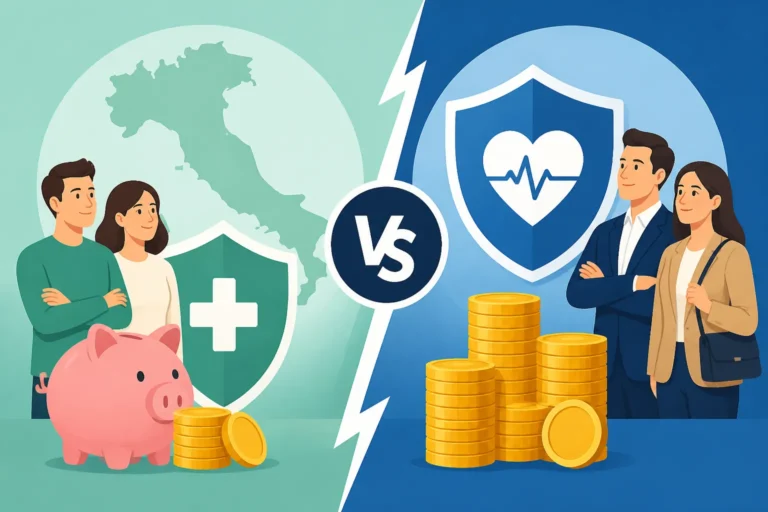
The Guardia Medica is open to everyone currently on Italian soil, though the financial terms vary. If you are an Italian citizen or a registered foreign resident with a valid health card, the service is typically free of charge. You simply show up or call, provide your tax code, and receive care. This is a massive benefit for those who have navigated the hurdles of Healthcare in Italy: An Expats' Guide and are fully integrated into the system.
For tourists or expats who are still in their first few months without formal residency, the service is still accessible but requires a small fee, usually between 20 and 35 Euros depending on the region. This is where having a reliable plan from SafetyWing can be incredibly helpful. If you are traveling or working remotely before your residency is finalized, SafetyWing can help cover unexpected medical costs that arise during your stay. Even though the out-of-pocket cost for the Guardia Medica is low compared to other countries, having that extra layer of protection is always a smart move.
When to Call the Guardia Medica vs 112
One of the most confusing aspects of the Italian medical system for newcomers is deciding which number to dial when things go wrong. In many English-speaking countries, the line between "urgent" and "emergency" is blurred, but in Italy, it is quite distinct. If you call 112 for a sore throat, you are taking resources away from life-threatening situations. Conversely, waiting for a Guardia Medica callback when you have chest pain is a dangerous mistake.
The general rule of thumb is functionality. If you can walk, talk clearly, and are not in immediate danger of losing life or limb, the Guardia Medica is your first point of contact. They deal with "non-deferrable" issues. These are problems that are not emergencies but would likely worsen significantly if ignored for 24 to 48 hours. For those who are concerned about the costs of major interventions, reading up on the Cost of Healthcare in Italy: What Expats Need to Know can provide some perspective on why using the right channel matters for your wallet and the system.
Defining Non-Emergency Urgency
Urgency without emergency covers a wide spectrum of ailments. Common reasons to contact after-hours care include high fevers that do not respond to over-the-counter medication, severe flu symptoms, minor allergic reactions, or sudden back pain that prevents movement. It also includes administrative needs that have a medical impact, such as needing a prescription refill for a chronic condition that you accidentally ran out of on a Friday night.
I was not dying, but I was severely dehydrated and could not wait until Monday. The doctor was able to see me within twenty minutes, provide an anti-nausea injection, and write a prescription for rehydration salts. This is the perfect example of "urgent but not an emergency." For those in similar spots, knowing What Over-the-Counter Medicines Can You Buy in Italy can also help you manage minor symptoms until the doctor is available.
Recognizing Red Flags for the Pronto Soccorso
There are specific symptoms that should bypass the Guardia Medica entirely. If you or someone you are with experiences difficulty breathing, signs of a stroke (facial drooping, arm weakness, speech difficulty), heavy bleeding that won't stop, or loss of consciousness, you must call 112 immediately. You can learn more about these procedures in our guide on Emergency Medical Numbers in Italy (112, 118, 1500).
The emergency room, or Pronto Soccorso, uses a color-coded triage system. Red and orange codes are seen immediately, while blue and green codes (the ones that should have gone to the Guardia Medica) can wait for many hours. If you are a visitor or a digital nomad, companies like SafetyWing are excellent for providing coverage for these more serious hospital visits, ensuring you aren't stuck with a complex bill after an emergency intervention.
Situations That Can Wait for Your Medico di Base
Not every ache requires a midnight call. If you need a routine check-up, a referral for a non-urgent blood test, or a certificate for a gym membership, you should wait for your regular family doctor. The Guardia Medica doctors are there for acute issues, not for long-term health management or bureaucracy. Using the after-hours service for routine matters is considered poor etiquette and can sometimes result in a refusal to treat if the clinic is busy with actual sick patients.
If you are a long-term expat, your relationship with your primary doctor is the cornerstone of your health. You should always try to handle chronic issues during their regular hours. For those who prefer a more comprehensive, private approach to their long-term health, Cigna Global offers plans that allow for much more flexibility and often include access to private clinics where you can skip the public wait times altogether. Cigna Global is particularly popular among high-net-worth expats who want the highest standard of "continuity" without relying solely on the public system.
How the Process Works Step by Step
Actually accessing the Guardia Medica can feel like a test of your Italian skills and patience. Usually, there are two ways to use the service: over the phone or by visiting a physical "ambulatorio." The specific process can vary by province, as healthcare in Italy is managed regionally. However, the core steps remain largely the same whether you are in the mountains of Piedmont or the coast of Sicily.
In many provinces, you call a specific local number. A doctor or a trained operator will answer and perform a "triage" over the phone. They will ask for your symptoms, your age, and your location. Based on this, they might give you medical advice, tell you to come to the clinic, or, in very specific cases involving mobility issues, send a doctor to your home. It is a system built on efficiency, though it can feel a bit brusque if you aren't used to the directness of Italian medical professionals.
Finding the Right Phone Number for Your Province
There is no single national number for the Guardia Medica, which is a common point of frustration. Each ASL (Azienda Sanitaria Locale) has its own dedicated line. To find yours, you should search for "Guardia Medica" followed by the name of your city or province. Most local government websites will have this number clearly displayed. It is a good idea to save this number in your phone the moment you move into a new apartment.
If you are staying in a hotel, the front desk will always have this number ready. For those living in more international hubs, you might find that some operators speak a bit of English, but it is not guaranteed. If you are struggling to find a local contact, our resources on Where to Find English-Speaking Doctors and Clinics might offer alternative private options that are easier to navigate in your native language.
| Service Type | Hours of Operation | Best For | Cost for Residents |
|---|---|---|---|
| Medico di Base | Mon-Fri (Business Hours) | Chronic issues, referrals, routine care | Free |
| Guardia Medica | Nights, Weekends, Holidays | Acute non-emergencies, urgent prescriptions | Free |
| Pronto Soccorso | 24/7 | Life-threatening emergencies, trauma | Free (Red/Orange) / Ticket (Green) |
| Private Clinics | Varies | Fast access, English-speaking, specialists | Full Price / Insurance |
What Happens During the Phone Consultation
When you call, be prepared to provide your Codice Fiscale. The doctor will ask "Che cosa succede?" (What is happening?). You should be ready to describe your symptoms clearly. Use simple words if your Italian is limited. Focus on the facts: "Ho la febbre alta" (I have a high fever), "Mi fa male l'orecchio" (My ear hurts), or "Ho bisogno di una ricetta" (I need a prescription).
The doctor will decide the "level" of care you need. Often, they can resolve the issue with a simple suggestion or by telling you which pharmacy is currently "di turno" (on duty). If the symptoms sound serious enough to require a physical exam but not an ambulance, they will direct you to the nearest outpatient clinic. This phone-first approach is essential for Finding Doctors and Hospitals in Italy that are actually available to see you at that moment.
Home Visits vs Outpatient Clinics
In the past, the Guardia Medica was famous for making house calls. While this still happens, particularly for the elderly or those who truly cannot leave their beds, the trend is moving toward patients visiting the clinic. This allows the doctor to see more people and have access to basic diagnostic tools. If you are asked to come to the clinic, make sure you have your ID and health card with you.
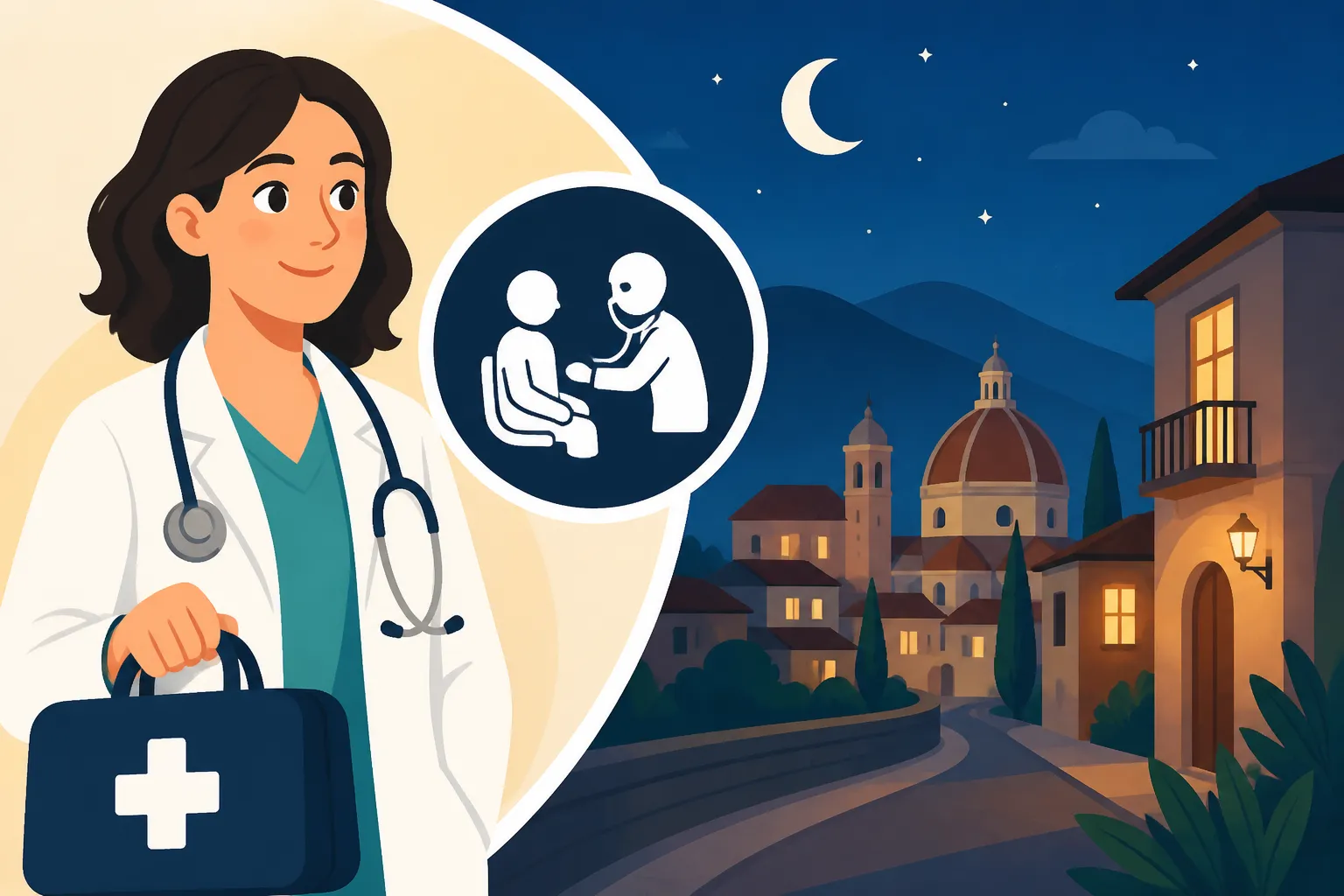
If a home visit is deemed necessary, the doctor will arrive in a marked vehicle. They carry a basic medical bag and can administer emergency medications or injections. It is important to note that these visits are for medical necessity, not convenience. If you have a car or can take a taxi, you will almost always be expected to go to the clinic yourself. For those who want the convenience of home care without the strict public requirements, private insurance through Cigna Global often includes provisions for private doctor house calls, which can be a lifesaver when you are too ill to navigate the streets of an Italian city.
Practical Logistics: Fees, Language, and Paperwork
Navigating the bureaucracy of Italian healthcare is part of the expat initiation ritual. Even in the middle of the night, there is paperwork involved. If you are a resident, the system tracks you via your health card. If you are a visitor, you are essentially a private patient within a public building. Understanding these logistics beforehand can prevent a lot of stress when you are feeling under the weather.
The language barrier is perhaps the most significant hurdle. While many younger doctors speak English, the administrative staff or the doctors on night duty may not. Having a translation app ready or a list of your symptoms written down in Italian can make the process much smoother. It also helps to understand how Italian Pharmacies: Prescription, Over-the-Counter, and Supplies work, as the doctor will likely send you to one immediately after your visit.
Costs for Residents vs Non-Residents
As mentioned, for those with a Tessera Sanitaria, the Guardia Medica is generally free. However, Italy has a system called the "ticket," which is a small co-payment for certain services. While the Guardia Medica visit itself is usually exempt for residents, any follow-up tests or specialized visits they refer you to might require a payment. You can find more details on this in our guide on Understanding the Italian Health Ticket (Co-Payment) System.
For non-residents, the fee is a flat rate. You will be given a receipt, which you should keep safely. If you have travel insurance like SafetyWing, you can often submit this receipt for reimbursement. SafetyWing is designed for this kind of "gap" coverage, making it an essential tool for those who aren't yet fully "in" the Italian system but need to use its services.
Dealing with the Language Barrier
If you do not speak Italian, the Guardia Medica can be intimidating. It is wise to have a "medical cheat sheet" on your phone. This should include your allergies, current medications, and a few key phrases. In major cities like Rome, Milan, or Florence, the chances of finding an English speaker are higher, but in rural areas, you might need to rely on Google Translate.
In some cases, you might prefer to use a private telemedicine service or a dedicated expat clinic. These are more expensive but offer guaranteed English communication. If you have a premium plan through Cigna Global, you often have access to a 24/7 multilingual helpline that can help coordinate your care or even provide a digital consultation, bypassing the need to struggle with local dialects in a public clinic at 3 AM.
Prescriptions and Sick Notes
One of the most important things the Guardia Medica can do is issue a "ricetta" (prescription). In Italy, many medications that are over-the-counter in other countries require a prescription here. The doctor will provide you with a paper or electronic prescription that you can take to the nearest open pharmacy. If you are a worker, they can also issue a How to Get a Sick Note in Italy (Certificato di Malattia).
This sick note is crucial. In Italy, if you miss work due to illness, you must provide an official medical certificate to your employer and the social security office (INPS) within a specific timeframe. The Guardia Medica is authorized to issue these for the days they are on duty (weekends and nights). Without this, your absence might not be paid or could even be contested.
Tips for Expats: Navigating the System Like a Local
After a few years in Italy, you start to learn the "hacks" that make the system work for you rather than against you. The Guardia Medica is no different. The first tip is always to be polite but firm. Italian healthcare workers are often under a lot of pressure, and a friendly "Buongiorno" or "Buonasera" goes a long way. Also, never go empty-handed; always have your documents ready before you even pick up the phone.
Another pro tip is to check the "Farmacia di Turno" list before you call the doctor. Every town has a rotating schedule of pharmacies that stay open late. If you know where the nearest open pharmacy is, you can tell the doctor, and they can ensure your prescription is sent to the right place or give you advice on how to get there. This level of preparation shows you understand how the local community functions.
Having Your Codice Fiscale Ready
Your Codice Fiscale is your identity in Italy. Whether you are buying a SIM card or seeing a doctor, you need this alphanumeric code. For the Guardia Medica, it allows them to enter you into the national database. Even if you don't have your physical plastic card yet, having the code written down or a PDF of the assignment sheet on your phone is usually enough.
If you are a student or a temporary worker, you might not have a health card yet, but you should still have a Codice Fiscale. For more information on how these documents interact, check out The Italian Health Card (Tessera Sanitaria): Uses and How to Get One. Having this ready prevents the doctor from having to manually enter your data, which speeds up the process for everyone.
Documenting Your Medical History
The Guardia Medica doctor does not know you. They don't have access to your full medical file from your home country or even necessarily from your Italian GP if the regional computer systems aren't perfectly synced. If you have a chronic condition, carry a brief summary of it. This is especially important if you are managing something like diabetes or a heart condition.
For those with complex health needs, Public vs Private Health Insurance in Italy is a debate worth having. While the public system is excellent for emergencies, a private plan like Cigna Global ensures that all your records are managed in one place and that you have a consistent point of contact who knows your history, which can be much more comforting than seeing a different night-shift doctor every time you have an issue.
The Importance of Supplementary Insurance
While the Guardia Medica is a fantastic public service, it is a "basic" one. The clinics can sometimes be rudimentary, and the wait times, even at night, can be long if there is a local flu outbreak. This is why many veteran expats choose to supplement their SSN coverage with private insurance. Companies like Cigna Global provide a level of comfort and speed that the public system simply cannot match.
For those who are in Italy on a shorter-term basis or are transitioning between visas, SafetyWing offers a flexible, subscription-based model that covers the "what ifs." Whether it is a small fee for an after-hours visit or a major hospital stay, having that financial cushion means you can focus on getting better rather than worrying about the bureaucratic cost of your care. It is about peace of mind in a system that, while high-quality, can be notoriously difficult to navigate.
Regional Differences in After-Hours Care
It is a common saying that Italy is not one country, but twenty small ones joined together. This is very true for healthcare. The quality and organization of the Guardia Medica can vary significantly between the North and the South. In wealthy regions like Lombardy or Emilia-Romagna, the facilities are often modern, and the phone systems are highly integrated. In some Southern regions, you might find that you need to go in person because the phone lines are perpetually busy.
This regionalism also affects how Healthcare for International Students in Italy: SSN vs Private is handled. In university towns like Bologna or Padova, the services are very accustomed to dealing with foreigners. In more remote areas, you might be the first non-Italian the doctor has seen all week. Being aware of these local nuances will help you set realistic expectations for your care.
The North South Healthcare Divide
Generally speaking, the Northern regions have more funding and better digital infrastructure. In Milan, for example, you can often find the Guardia Medica locations through a dedicated app. In Sicily or Calabria, the system relies more on traditional methods. This doesn't mean the medical care is worse—Italian doctors are highly trained nationwide—but the "user experience" of the bureaucracy might feel different.
If you are traveling through the South and need medical help, don't be discouraged if the clinic looks a bit dated. The doctors are still capable of helping you. However, if you are planning to live in the South long-term, having a private backup like Cigna Global can be even more important to ensure you have access to the best possible facilities, regardless of local government funding levels.
Telemedicine Options in Lombardy and Tuscany
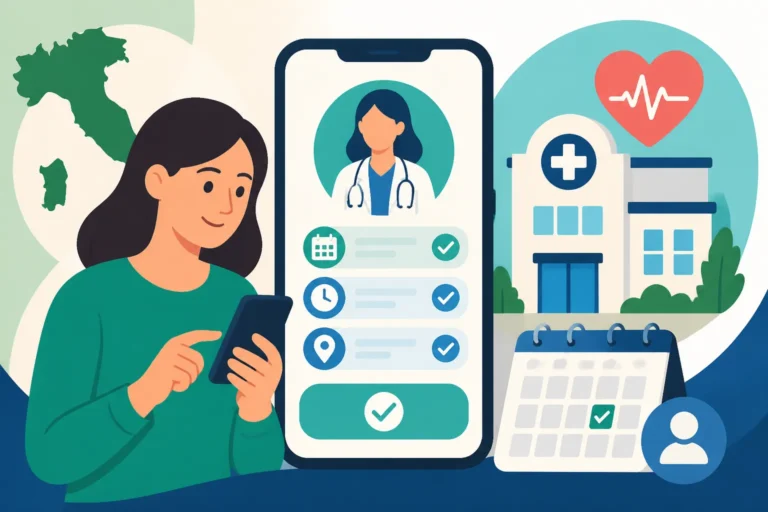
Post-pandemic, many regions have started experimenting with telemedicine for after-hours care. This is a game-changer for expats. In some areas, you can now have a video call with a Guardia Medica doctor who can then issue an electronic prescription directly to your smartphone. This saves you a trip to the clinic in the middle of the night.
Check if your local ASL offers "Telemedicina." This is becoming more common in places like Tuscany and Veneto. If your region doesn't offer it yet, your private insurance through Cigna Global almost certainly does. They often provide a dedicated app where you can speak to a doctor in English within minutes. This modern approach to healthcare is one of the best ways to bridge the gap between the traditional Italian system and the expectations of a global citizen.
Disclaimer
The information provided in this guide is for informational purposes only and does not constitute professional medical or legal advice. While every effort has been made to ensure accuracy, healthcare regulations in Italy are subject to frequent changes at both national and regional levels. Always consult with a qualified medical professional or the official website of your local Azienda Sanitaria Locale (ASL) for the most current information regarding medical services and emergency procedures. Neither the author nor the publisher assumes any liability for actions taken based on the content of this article.