How to Register a Newborn With the Italian SSN
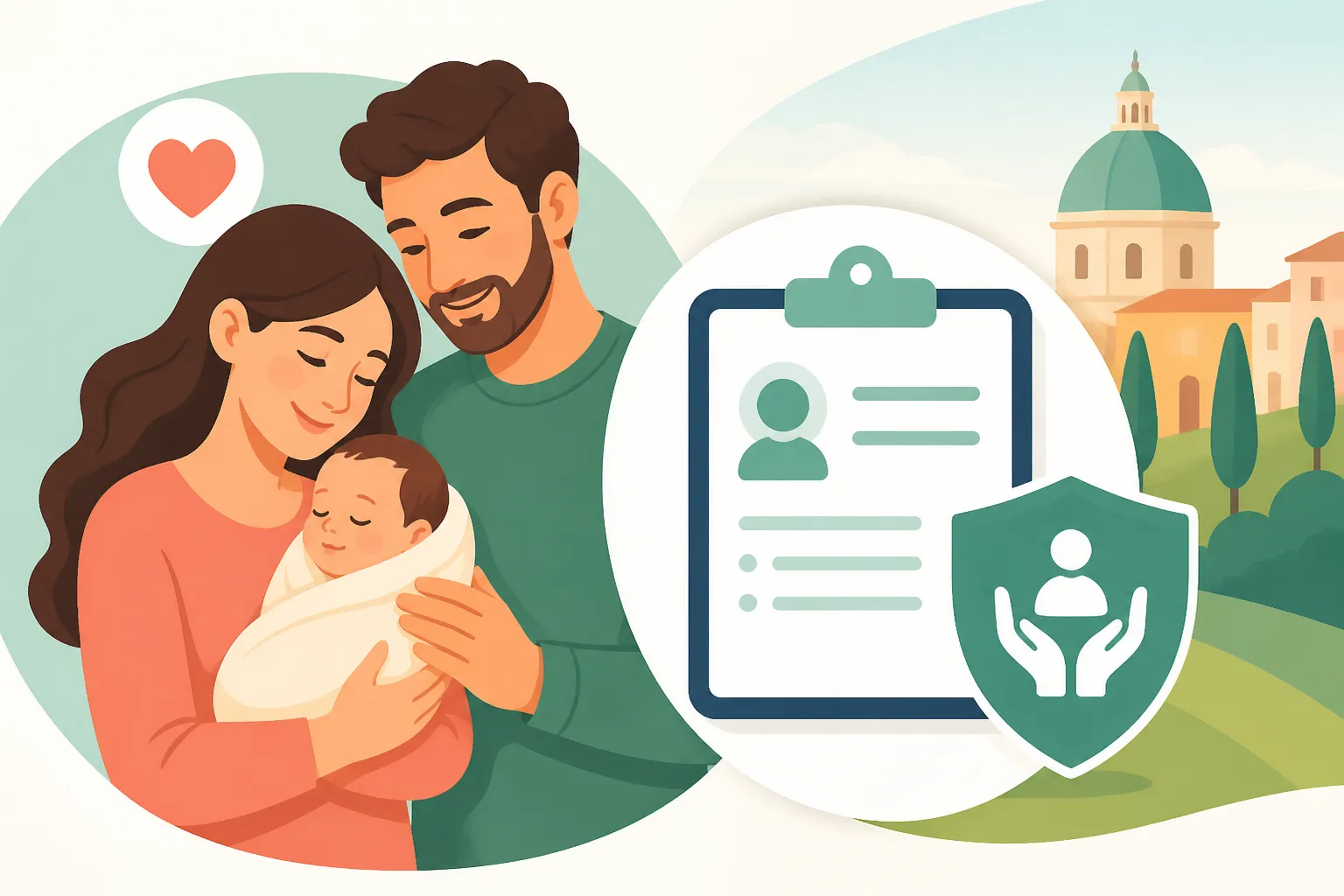
Welcoming a newborn into your family while living in Italy is an incredible, life-changing milestone, but the sudden mountain of Italian paperwork can feel overwhelming when you are functioning on two hours of sleep. I remember standing in a drafty government hallway just days after my own son was born, clutching a stack of folders and wondering if I had missed a crucial stamp. This guide walks you through every detail of how to register your newborn with the Italian SSN so you can secure their healthcare without the stress.
Disclosure: This post may contain affiliate links. We may earn a commission at no extra cost to you if you make a purchase through these links. Read full disclosure.
Understanding the Birth Declaration (Denuncia di Nascita)
Before you can even think about the healthcare system, you must legally establish your child's existence in the eyes of the Italian state. This is known as the denuncia di nascita. It is the foundation for everything that follows, including the tax code and the health card. You generally have two choices for where to do this, and the timeline for each is strict. If you are still in the hospital, you can perform the declaration right there within three days of the birth. Most large hospitals have a dedicated office for this. If you miss that window or prefer to wait until you are discharged, you have ten days from the birth to visit the Ufficio dello Stato Civile at your local Comune (City Hall).
When you go to the Comune, you must bring the attestazione di nascita, which is the document provided by the midwife or doctor who attended the birth. As an expat, you must also bring your passports and your permesso di soggiorno if you are a non-EU citizen. One thing I learned the hard way: if you and your partner are not married, both of you generally need to be present to recognize the child. If you are married, usually just one parent can go, provided they have the marriage certificate (often translated and apostilled if it happened abroad). This step is vital because it triggers the creation of the birth certificate, or estratto di nascita, which you will need for the health office.
Obtaining the Codice Fiscale for Your Newborn
The Codice Fiscale (Tax Code) is the golden key to life in Italy. You cannot register for the health system without it. In many modern Italian municipalities, the process is now linked; when you register the birth at the Comune, the system automatically generates a Codice Fiscale for the baby. They might even hand you a paper printout of the code right then and there. However, things do not always run smoothly in every province.
If your Comune does not provide the code, you will need to head to the Agenzia delle Entrate. You do not usually need an appointment for a newborn request, though it is always safer to check their website first. You will fill out a simple form (Model AA4/8) and provide the birth certificate and your ID. This code is what allows the baby to be entered into the Healthcare in Italy: An Expats' Guide database. Without this alphanumeric string, the baby essentially doesn't exist to the medical billing systems, so ensure you have this paper in your hand before moving to the next step.
Navigating the ASL: Enrollment in the SSN
Once you have the birth certificate and the Codice Fiscale, your next stop is the ASL (Azienda Sanitaria Locale). This is the local health authority office that manages registrations and doctor assignments. Finding your local ASL branch is usually a matter of checking your city’s official health website. Be prepared for a bit of a wait; I always recommend arriving twenty minutes before they open to get a good spot in the queue.
To enroll your child in the Servizio Sanitario Nazionale (SSN), you will need several documents. The clerks are usually quite strict, so over-preparing is your best defense against having to return a second time. You will need:
- The baby's Codice Fiscale.
- The birth certificate (or a self-declaration of birth, autocertificazione).
- The parent’s permesso di soggiorno (for non-EU expats).
- Proof of residency (certificato di residenza or a self-declaration).
- The parent's own tessera sanitaria.
The clerk will process the registration and give you a paper document that serves as a temporary health card. The actual plastic Obtaining the Italian Health Card (Tessera Sanitaria) will be mailed to your registered home address within a few weeks. This temporary paper is valid for all medical needs in the meantime. While the SSN provides comprehensive coverage, many expats also choose to maintain private plans like Cigna Global during these transitional periods to ensure they have access to private clinics or international specialists without any waiting times.
Choosing a Pediatrician (Pediatra di Libera Scelta)
The most important part of the ASL visit is choosing your child’s doctor. In Italy, children up to age 14 are covered by a Pediatra di Libera Scelta (Free Choice Pediatrician). This doctor is your primary point of contact for everything: wellness checks, vaccinations, and prescriptions. At the ASL office, the clerk will show you a list of available pediatricians in your neighborhood.
This is where things get personal. I highly recommend doing your homework before you reach the front of the line. Ask other expat parents in local Facebook groups or at your playground who they recommend. Some pediatricians are very traditional, while others might be more accustomed to international families. If your Italian is still a work in progress, you might specifically look for Where to Find English-Speaking Doctors and Clinics in your area. Once you pick a name from the list, the clerk will assign your child to that doctor, and you will receive a document with the doctor's clinic hours and contact information. This step is a core part of Choosing a Pediatrician in Italy (Pediatra di Libera Scelta) correctly.
The First Pediatric Visit and the Health Book
After you have registered at the ASL, you should call your new pediatrician immediately to schedule the first "bilancio di salute" (wellness check). During this visit, the doctor will examine the baby and, most importantly, give you the libretto sanitario pediatrico. This is a small booklet or folder that will become the diary of your child’s health in Italy. It records growth charts, specialist visits, and the results of various screenings.
Your pediatrician will also explain the Childhood Vaccination Schedule in Italy. Vaccinations are mandatory for enrollment in Italian nurseries (asili nido) and preschools (scuola materna). The doctor will tell you how to book these appointments, which are usually handled at a separate ASL vaccination center rather than at the pediatrician's private office. Having your SSN registration completed early ensures that these initial appointments, which often happen at the two-month mark, are fully covered and integrated into the national system.
| Document / Step | Location | Timeline | Key Requirement |
|---|---|---|---|
| Birth Declaration | Hospital or Comune | 3 to 10 days | Attestazione di Nascita |
| Codice Fiscale | Comune or Agenzia Entrate | Within 1 week | Birth Certificate |
| SSN Registration | Local ASL Office | As soon as possible | Codice Fiscale & Parent ID |
| Pediatrician Choice | Local ASL Office | During SSN Registration | Available list in your zone |
| Health Card (Physical) | Mailed to Home | 2 to 4 weeks | Valid Residency Address |
Managing the Gap: Private Insurance Considerations
While Italy’s public system is excellent for maternal and infant care, the transition period can occasionally hit a snag, particularly regarding residency requirements or permit renewals. If you find yourself in a situation where your residency is not yet finalized, you may face hurdles registering for the SSN immediately. In these cases, having a policy with SafetyWing can be a lifesaver, providing a safety net for medical emergencies while you navigate the local bureaucracy.
Furthermore, if you are a non-EU expat waiting for your first permesso di soggiorno, the ASL might only grant you a temporary registration. This is common and shouldn't cause panic. You will simply need to return to the ASL to update the file once your physical permit card arrives. During these months, some families prefer the peace of mind offered by Cigna Global, which allows for faster access to private pediatric specialists who may have more flexible hours than the public doctors. Using private options alongside the SSN is a strategy many of us use to balance the high quality of public emergency care with the convenience of private elective visits.
Registering the Birth with Your Home Country
While this guide focuses on the Italian SSN, don't forget that you also need to register the birth with your own embassy or consulate. Italy does not automatically grant citizenship by birth (Jus Soli) to children of foreign parents. Your child will likely need a passport from your home country to travel and to eventually be linked to your permesso di soggiorno.
Most embassies require an "Estratto di Nascita su Modello Plurilingue." This is a special version of the birth certificate that the Comune can issue in multiple languages, saving you the cost and hassle of a professional translation. When you are at the Comune for the initial declaration, ask for several copies of the "plurilingue" version. You will need them for the embassy, for your employers (to claim family bonuses), and potentially for your private insurance providers like Cigna Global if you are adding the newborn to a family policy.
Practical Tips for the ASL Visit
To make your experience at the ASL as smooth as possible, keep a dedicated "Baby Bureaucracy" folder. Italian officials love original documents and often require photocopies of everything. Bring two copies of every ID, every permit, and every certificate. If you show up with the copies already made, you often find the clerks much more helpful.
Also, be aware of the orari di apertura (opening hours). Many ASL offices have very specific windows for "Scelta e Revoca" (choosing a doctor). They might be open until 4:00 PM but stop giving out queue numbers at 12:00 PM. Check the specific office hours for the "Ufficio Scelta e Revoca" rather than the general hospital hours. If you are struggling with the language, bring a friend who speaks Italian or have a translation app ready. Most clerks at the health office see many expats and are used to the process, but a little patience and a friendly "Buongiorno" go a long way.
Common Challenges for Expat Parents
One frequent issue involves the order of surnames. Italy has recently changed its laws to allow children to take both parents' surnames, but for foreign citizens, the Comune usually follows the law of the parents' home country. If your country has specific rules about middle names or hyphenated surnames, make sure to clarify this during the denuncia di nascita. Changing a name on a birth certificate later is a nightmare involving the Italian court system, so double-check the spelling on every document they hand you before you sign.
Another hurdle is the Residency Requirements for Health Coverage in Italy. If you are in the middle of a move and your residency is "in lavorazione" (in progress), the ASL might be hesitant to register the baby. In this case, show them the receipt (ricevuta) from the Comune stating you have applied for residency. Most offices will accept this to provide a temporary 6-month registration. Keeping your Registering With Your Local ASL in Italy: A Practical Guide handy will help you understand your rights if a clerk seems unsure.
Final Steps: The Health Card Arrival
Once the paperwork is submitted, the baby is officially in the system. Your pediatrician will be able to see the child’s name in their digital database almost immediately. Even if the physical The Italian Health Card (Tessera Sanitaria): Uses and How to Get One takes a month to arrive in your mailbox, the child is covered. You can take them to the emergency room (Pronto Soccorso) or the pediatrician using the paper receipt.
If the card does not arrive after six weeks, it usually means there is an issue with the name on your mailbox (a very Italian problem!) or a mistake in the address database. You can go back to the ASL or check with the Agenzia delle Entrate to ensure the mailing address is correct. Once that card arrives, keep it in your diaper bag; you will need it for every doctor visit and every trip to the pharmacy when you need to fill a prescription.
Disclaimer
This guide is intended for informational purposes only and does not constitute legal or professional medical advice. Italian bureaucratic procedures and healthcare regulations can change frequently at the national or regional level. Always verify current requirements with your local Comune and ASL office. While I strive for accuracy, the information provided may not reflect the most recent legislative updates in 2026. For specific legal issues regarding citizenship or complex residency cases, please consult with a qualified professional or the relevant diplomatic authorities.