Italy’s Most Beautiful Borghi (Small Villages) to Visit
Ah, Italy. It's easy to fall in love with the grand dames like Rome, Florence, and Venice, isn't it? You arrive, breathless, ready to soak it all in, only to find yourself elbow-to-elbow with thousands of other eager tourists, queuing for hours, and often feeling a bit like you're on a conveyor belt. It's a common expat frustration, that feeling of missing the 'real' Italy amidst the crowds. But what if I told you that the true heart of this incredible country often beats strongest in its quiet corners, its hidden gems? This guide is for all of you longing for that authentic Italian experience, away from the throngs, a chance to step back in time and truly connect with the soul of Italy in its most beautiful borghi.
Disclosure: This post may contain affiliate links. We may earn a commission at no extra cost to you if you make a purchase through these links. Read full disclosure.
What Exactly is a Borgo, Anyway?
When you first hear the word borgo, you might picture a quaint little village, and you wouldn't be wrong. But in Italy, a borgo is more than just a small town; it carries a weight of history, a sense of place that's deeply rooted and often remarkably preserved. These aren't just any villages; they're typically ancient settlements, often walled or perched defensively on hilltops, that have maintained their original medieval or Renaissance charm and architectural integrity. They are living museums, quiet witnesses to centuries of Italian life, tucked away from the bustling modern world.
Beyond the Postcard: The True Spirit of a Borgo
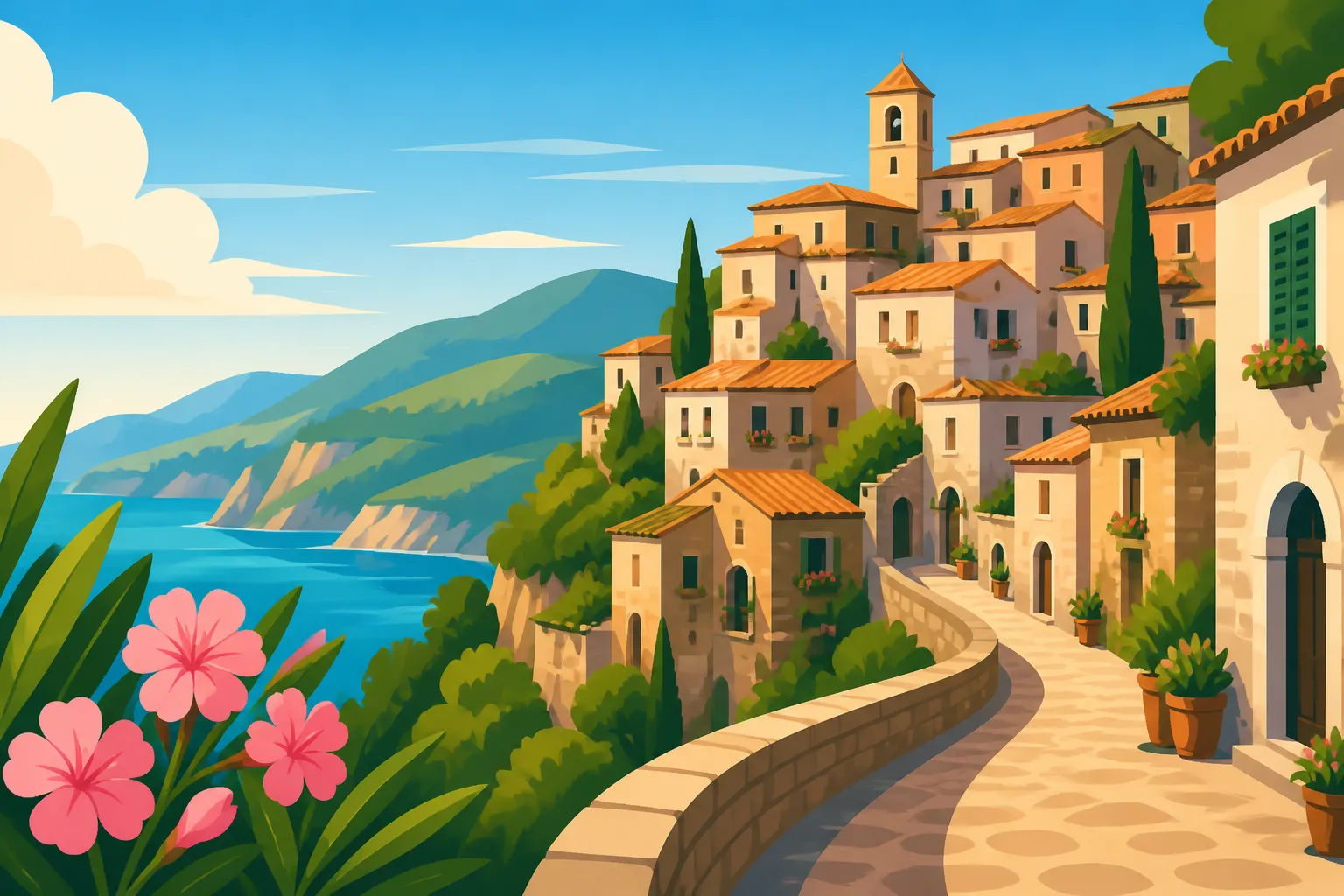
The spirit of a borgo is one of enduring heritage and community. Imagine narrow, winding cobblestone streets that haven't changed in hundreds of years, opening unexpectedly onto tiny piazzas where locals gather for an evening passeggiata (stroll). Stone houses, often adorned with colorful flowers, lean into each other as if sharing secrets. The pace of life slows dramatically; mornings are marked by the ringing of church bells and the aroma of freshly baked bread, afternoons by a hushed quiet broken only by the chirping of birds, and evenings by the gentle hum of conversation from a local trattoria. It's a place where time seems to stand still, inviting you to simply be, rather than constantly rush from one sight to the next. This slower rhythm is precisely what makes a borgo so captivating, offering a stark contrast to the hectic energy of larger Italian cities. You’re not just observing history here; you’re walking through it, touching it, tasting it.
How Borghi Differ from Larger Towns and Cities
The distinction between a borgo and a larger town (paese) or city (città) goes beyond mere population size. While a city buzzes with commerce, industry, and diverse cultural institutions, and a town might serve as a regional hub, a borgo retains a more intimate, cohesive identity. Many borghi owe their preservation to their historical isolation, which protected them from the extensive modernization and urban sprawl that transformed many larger areas. Think of Civita di Bagnoregio, dramatically perched atop a crumbling volcanic rock and accessible only by a long pedestrian bridge; its survival depends on its unique, untouched nature. Or consider Alberobello in Puglia, famous for its cone-roofed trulli houses, a unique architectural heritage that has been carefully maintained. In these places, every stone tells a story, and the community often acts as a guardian of its unique past. There's usually a strong emphasis on local crafts, traditional cuisine, and age-old festivals, elements that might be diluted or commercialized in bigger tourist centers. The interactions you have are often more personal, the food more authentically regional, and the discoveries more profound.
Why Seek Out Italy's Hidden Gems?
The allure of Italy's famous cities is undeniable, but once you've navigated the crowds and ticked off the major sights, a different kind of longing often sets in for expats and seasoned travelers alike. It's a desire for depth, for connection, for that intangible "Italian-ness" that can sometimes feel elusive in the well-trodden paths. This is where the borghi truly shine, offering an antidote to the over-tourism and a gateway to a more genuine experience.
Escaping the Crowds and Embracing Authenticity
One of the most immediate benefits of venturing into Italy's borghi is the blissful escape from the incessant crowds. Imagine sipping an espresso in a quiet piazza, undisturbed except for the gentle murmur of local voices, rather than jostling for a spot at a crowded bar near a major monument. This isn't just about peace and quiet; it's about reclaiming your travel experience. In a borgo, you're not just a face in the crowd; you become a temporary part of the community. You might exchange a friendly " buongiorno " with the local baker, share a laugh with the bar owner, or get recommendations for dinner from the hotelier. These are the moments where true cultural immersion happens. The restaurants serve dishes passed down through generations, often using ingredients sourced from the surrounding fields, offering a taste of Italy that's truly authentic and locally inspired. It's a chance to see daily life unfold as it has for centuries, a stark contrast to the curated, often commercialized, experiences of major tourist hubs. This authenticity provides a refreshing perspective on Italy, reminding you that there’s so much more to discover beyond the glossy brochures.
A Dive into Untouched History and Culture
Italy’s borghi are living museums, each with its own unique history etched into its ancient stones. Unlike grand cities that have seen waves of destruction and rebuilding, many borghi have remained remarkably preserved, their medieval walls, Renaissance palaces, and Romanesque churches still standing much as they did centuries ago. Exploring these villages is like opening a history book where every street, every archway, every fresco tells a story. Take, for instance, the intricate frescoes in a tiny church you stumble upon, or the remains of an ancient castle that once guarded the valley. These historical layers are often presented without fanfare, allowing you to discover them organically, feeling a direct connection to the past. The local traditions, folklores, and dialects are often more pronounced here, offering a deeper insight into regional Italian culture. You might witness an ancient festival that has been celebrated for hundreds of years, hear a local dialect that's almost a language unto itself, or see artisans practicing crafts that are slowly fading in other parts of the world. This untouched cultural fabric provides an incredibly rich and rewarding experience for anyone eager to understand the deeper currents of Italian heritage.
Supporting Local Communities
When you choose to visit and spend your money in Italy's borghi, you're not just enjoying a lovely holiday; you're directly contributing to the sustainability and revitalization of these often fragile communities. Many small Italian villages face challenges like depopulation and a lack of economic opportunities, as younger generations move to larger cities for work. Tourism, when done thoughtfully and respectfully, can be a lifeline. By staying in a family-run B&B found through platforms like Booking.com, eating at local trattorie, purchasing handmade crafts from local artisans, or hiring a local guide for a walking tour via platforms like GetYourGuide, you're injecting much-needed revenue directly into the local economy. This helps to preserve local traditions, maintain historical buildings, and create jobs, allowing these beautiful places to thrive and retain their unique character. It’s a virtuous cycle: your desire for an authentic experience helps ensure that authenticity endures for future generations. Moreover, many borghi have initiatives to promote sustainable tourism, ensuring that your visit has a positive, lasting impact.
The Northern Charms: Alpine Views and Lake Shores
Northern Italy is often celebrated for its sophisticated cities, dramatic Alpine landscapes, and glamorous lakes. But tucked away amidst these well-known attractions are countless borghi that offer a different, more intimate side of the North, combining natural beauty with deep-rooted traditions.
Piedmont and Valle d'Aosta: Mountain Majesty
In the mountainous regions of Piedmont and Valle d'Aosta, the borghi are defined by their rugged beauty and a strong sense of alpine heritage. These villages often cling to hillsides, with stone and wood architecture perfectly suited to the harsh mountain climate. They are havens for outdoor enthusiasts, offering access to hiking, skiing, and breathtaking vistas.
Consider Bard in Valle d'Aosta, a tiny village dominated by an imposing medieval fortress that guards the entrance to the Aosta Valley. The fortress itself is a marvel, housing museums and cultural events, while the village below, with its stone houses and narrow alleys, feels like a journey back in time. It's a place where history is palpable, and the surrounding mountains provide a spectacular backdrop. Getting to Aosta by train, then a short local bus or taxi, is often the best approach; you might even check Omio for train connections from major cities like Turin or Milan.
In Piedmont, Neive is often cited as one of Italy’s most beautiful villages, nestled in the Langhe wine region. Its medieval center, with cobblestone streets and elegant brick buildings, exudes an aristocratic charm. It's surrounded by vineyards, making it a perfect base for wine tasting and gastronomic explorations. Life here revolves around the seasons of the vine, and the local cuisine is exceptional. The view from its hilltop over the rolling hills of the Langhe is simply stunning. Visitors can often find small, family-run accommodations on Booking.com that offer an authentic stay, sometimes even within a historic palazzo.
Lombardy and Veneto: Lakeside Serenity and Venetian History
Moving east, Lombardy and Veneto present borghi that boast lakeside serenity or echo the grandeur of the Venetian Republic. These villages offer a blend of natural beauty and rich artistic heritage.
On Lake Garda, Castellaro Lagusello is a charming hamlet often lauded for its beauty. Encircled by medieval walls that form a distinctive heart shape around a small, picturesque lake, it feels like a fairy tale. Its well-preserved castle, lush greenery, and the tranquil lake make it an idyllic spot for a peaceful escape. The pace here is wonderfully slow, perfect for quiet strolls and enjoying the surrounding nature.
In Veneto, stepping away from the bustling canals of Venice, Arquà Petrarca is a delightful borgo in the Euganean Hills, famous as the final resting place of the great poet Petrarch. The village is beautifully preserved, with stone houses, narrow lanes, and stunning views of the surrounding countryside. Petrarch's house is open to visitors, offering a glimpse into his life and times. The village itself is like an open-air museum, and its tranquil atmosphere makes it a perfect retreat.
Liguria: Coastal Jewels Beyond Cinque Terre
Liguria, with its dramatic coastline, is perhaps best known for the Cinque Terre. While undeniably beautiful, the crowds can be overwhelming. However, Liguria is dotted with other, equally charming borghi that offer the same breathtaking sea views and colorful architecture without the intense tourist crush.
Tellaro, for instance, is a hidden gem just south of La Spezia. This pastel-hued fishing village clings to a rocky promontory, with houses tumbling down to the sea. Its tiny harbor, ancient church perched on the rocks, and narrow alleyways create an incredibly picturesque scene. Legend has it that the village was saved from pirate attacks by an octopus ringing the church bells. It's a place where you can still experience the authentic rhythms of Ligurian fishing life. While public transport can be a bit tricky, the reward is a truly unspoiled coastal experience.
Another beautiful Ligurian borgo is Bussana Vecchia, a ghost village reborn as an artists' colony. Destroyed by an earthquake in 1887, it was slowly repopulated by artists in the 1960s who restored the ruined stone houses. Today, it's a unique, bohemian place filled with studios, galleries, and a vibrant, alternative atmosphere. It offers stunning views of the Ligurian coast and a compelling story of resilience and creativity.
Central Italy's Timeless Treasures: Hills and History
Central Italy is the postcard image many people have of the country: rolling hills, cypress-lined avenues, and medieval hill towns. While Tuscany and Umbria often take center stage, other regions like Lazio, Marche, and Abruzzo also hide incredible borghi that offer a truly immersive experience into Italy's rich past and stunning landscapes.
Tuscany and Umbria: Rolling Hills and Medieval Wonders
Tuscany and Umbria are perhaps the quintessential regions for borghi, famous for their perfectly preserved medieval hilltop towns. These villages offer spectacular views, rich artistic heritage, and world-renowned food and wine.
Montepulciano in Tuscany is a prime example, a magnificent hilltop town renowned for its Vino Nobile di Montepulciano. The town is an architectural jewel, featuring Renaissance palaces, beautiful churches, and a grand central piazza. Strolling through its steep streets, you’ll encounter artisans, wine cellars carved into ancient rock, and panoramic views that stretch for miles across the Val d'Orcia. It's vibrant, elegant, and deeply rooted in its history. If you're planning a trip to the region, remember that Renting a Car in Italy: ZTLs, Insurance, and Driving Tips is crucial for exploring these areas freely, as public transport can be sporadic.
Just across the border in Umbria, Orvieto stands dramatically atop a volcanic tufa rock, its magnificent Duomo visible for miles. The town's medieval streets hide an entire underground city, with Etruscan caves and tunnels revealing layers of history. It offers incredible views, delicious white wine, and a tangible sense of ancient past. While it can draw day-trippers, especially with easy train access, the evenings reveal a quieter, more authentic borgo feel. You might want to consider Best Day Trips From Rome by Train for a visit, but an overnight stay truly allows you to soak in its magic.
Lazio and Marche: Roman Echoes and Adriatic Breezes
Lazio, the region around Rome, and Marche on the Adriatic coast, also boast stunning borghi that offer a different flavor of central Italy, from ancient cliffside settlements to charming coastal havens.
In Lazio, Civita di Bagnoregio truly lives up to its nickname, "The Dying City." Perched precariously on a crumbling plateau accessible only by a long pedestrian bridge, this ancient Etruscan village is a testament to resilience. Its isolation has preserved its medieval architecture beautifully, offering a unique, almost ethereal experience. The journey across the bridge, with dramatic views of the surrounding badlands, is an adventure in itself. Once inside, you'll find a handful of residents, artisans, and breathtaking views, a true escape from modernity.
Over on the Adriatic side, in Marche, Offagna is a charming medieval borgo dominated by its imposing Rocca, a well-preserved fortress. The village maintains its historical character with stone houses, narrow streets, and traditional festivals. It offers panoramic views of the Marche countryside, stretching to the Adriatic Sea. It's a fantastic spot to experience genuine Marche hospitality and explore the region's culinary delights. For deeper insights into planning your meals, "Italian Food Culture: Eating Well as a Visitor" offers excellent advice.
Abruzzo: Wild Beauty and Ancient Traditions
Abruzzo, a region often overlooked by international tourists, holds some of Italy's most wild and beautiful borghi, set against the dramatic backdrop of the Apennine mountains and national parks. Here, ancient traditions are still very much alive.
Santo Stefano di Sessanio is a beautifully restored medieval village nestled within the Gran Sasso and Monti della Laga National Park. Its stone architecture and winding streets are impeccably maintained, and it has gained fame for its "scattered hotel" concept, where rooms are housed in different historic buildings throughout the borgo. This allows visitors to truly immerse themselves in village life. It’s a perfect base for hiking and exploring the stunning natural surroundings. The remote beauty here is truly unparalleled.
Another gem in Abruzzo is Scanno, known as the "town of photographers" due to its picturesque setting and the traditional attire still worn by some of its older women. Nestled in a valley with its unique heart-shaped lake, Scanno's ancient houses, narrow alleys, and traditional artisan workshops offer a fascinating glimpse into an older Italy. It’s a place where time seems to have gracefully slowed, inviting reflection and appreciation for its preserved heritage.
Southern Soul: Sun-Drenched Borghi and Island Escapes
Southern Italy, with its vibrant colors, dramatic coastlines, and ancient history, offers a different kind of borgo experience. Here, the villages are often infused with a powerful sense of community, ancient traditions, and an undeniable passion for life, all under the warm Mediterranean sun.
Campania and Basilicata: Dramatic Landscapes and Ancient Caves
Campania, the region of Naples and the Amalfi Coast, and Basilicata, with its rugged interior, showcase borghi that are deeply intertwined with their dramatic natural surroundings and millennia of history.
In Basilicata, Matera is an absolute must-see, although it's arguably more of a city than a traditional borgo. Nevertheless, its ancient Sassi districts, a UNESCO World Heritage site, represent one of the most unique and ancient settlements in the world. Cave dwellings carved into the rock face have been continuously inhabited for thousands of years. Exploring the Sassi, with their winding paths, cave churches, and breathtaking views, is an unforgettable experience. It's a powerful example of human adaptation and resilience. If you're keen on finding unique stays, Booking.com features some truly incredible cave hotels in Matera.
On the border between Campania and Basilicata, in the Cilento National Park, lies Castellabate. This medieval hilltop borgo offers spectacular views of the Tyrrhenian Sea and the Cilento coastline. Its well-preserved historic center, with a castle and labyrinthine streets, perfectly encapsulates the charm of southern Italy. It's close enough to the coast to enjoy the beaches but elevated enough to provide a sense of peace and stunning panoramas.
Puglia: Trulli, Beaches, and Whitewashed Towns
Puglia, the heel of Italy's boot, is famous for its whitewashed villages, olive groves, and unique trulli houses. Its borghi are vibrant, sun-drenched, and full of character.
Alberobello, with its iconic trulli houses, is Puglia's most famous borgo and a UNESCO World Heritage site. While it draws many visitors, its unique conical-roofed homes are a sight to behold, offering a fascinating glimpse into an ancient architectural style. Wandering through the rioni (districts) of Monti and Aia Piccola feels like stepping into a fairy tale. Despite its popularity, the sheer uniqueness makes it worth the visit, especially if you explore the quieter corners or stay overnight.
Another stunning Puglian borgo is Locorotondo, a perfectly circular whitewashed town perched on a hill in the Itria Valley. Its name literally means "round place," and its circular layout of narrow streets and houses adorned with flowers is incredibly charming. It offers panoramic views of the surrounding countryside, dotted with vineyards and trulli. It's a great place to enjoy local wine, particularly the dry white wine for which it's known, and savor the slow pace of Puglian life.
Sicily and Sardinia: Island Gems with Unique Flavors
The large islands of Sicily and Sardinia offer borghi that are infused with their own distinct cultures, histories, and natural beauty, often reflecting influences from various civilizations over millennia.
In Sicily, Erice is a captivating medieval borgo perched dramatically atop Mount Erice, overlooking the city of Trapani and the Tyrrhenian Sea. Its mist-shrouded streets, ancient castle ruins, and breathtaking views create an almost mystical atmosphere. The town is famous for its almond pastries and artisan ceramics. On a clear day, you can see all the way to Tunisia! The journey up by cable car adds to the experience, offering spectacular vistas.
Sardinia's Castelsardo is a colorful medieval town that rises steeply from the sea, crowned by an imposing Doria Castle. Its pastel houses, narrow alleys, and artisanal shops create a vibrant, authentic atmosphere. The views from the castle and various viewpoints are stunning, encompassing the Gulf of Asinara and Corsica on a clear day. The town is known for its intricate basket weaving and delicious seafood. Discovering how to Getting Around Italy: Trains, Buses, Flights, and Car Hire on an island like Sardinia, where distances are greater, can really enhance your exploration of these coastal villages.
Planning Your Borgo Adventure: Tips for Travelers
Venturing into Italy's borghi requires a slightly different approach than planning a trip to the major cities. It's about embracing the journey, understanding the nuances of rural travel, and being open to a slower, more immersive experience. Here are some seasoned tips to help you make the most of your borgo adventure.
Getting There: The Joys (and Challenges) of Rural Travel
One of the beautiful ironies of Italy's borghi is that their preserved charm often comes hand-in-hand with less robust public transportation. While you can typically reach a regional hub by train or bus, getting to the actual borgo might require a bit more planning.
Major train operators like Trenitalia and Italo connect Italy's big cities. You can easily book tickets and check schedules using platforms like Omio, which is fantastic for comparing routes and prices for both trains and buses across Italy. Once you arrive at a larger town nearby, however, you might find that local bus services are infrequent, especially on weekends or holidays. This is where the beauty (and sometimes necessity) of a rental car comes in. Having your own vehicle gives you unparalleled flexibility to explore at your own pace, stop at scenic viewpoints, and access truly off-the-beaten-path locations. Just be mindful of those infamous ZTLs (Zone a Traffico Limitato) in many Italian towns, including some borghi, which restrict car access in historic centers. Learning about Renting a Car in Italy: ZTLs, Insurance, and Driving Tips beforehand is absolutely essential. Alternatively, for some more remote borghi, you might need to budget for a taxi from the nearest train station. Embrace the journey; sometimes the travel itself becomes part of the adventure, offering glimpses of stunning landscapes you'd otherwise miss.
Where to Stay: Authentic Accommodations
Accommodation in borghi is typically a world away from the chain hotels of big cities. Here, you'll find charming, often family-run, options that reflect the local character. Think agriturismi (farm stays) nestled in the countryside surrounding the borgo, offering homemade meals and a chance to experience rural life; quaint bed & breakfasts housed in historic buildings within the village walls; or small, independent hotels. These types of accommodations often provide a much more personal and immersive experience. The owners are usually locals, eager to share their knowledge of the area, recommend hidden gems, and often cook incredible regional dishes. Platforms like Booking.com are excellent for finding these unique stays, as they often list a wide variety of smaller, independent properties that cater to travelers seeking authenticity. Look for places with high reviews from other travelers who valued local experiences. Staying within the borgo itself allows you to experience its magical atmosphere in the quiet evenings and early mornings, long after day-trippers have left. Consider reading Accommodation in Italy: Hotels, B&Bs, and Agriturismi for more in-depth advice on what to expect.
Embracing Slow Travel: What to Expect
The most important tip for a borgo adventure is to embrace slow travel. These aren't places to rush through. The joy lies in meandering through the streets without a specific destination, stopping for an impromptu coffee, lingering over a long lunch, or simply sitting in a piazza and watching the world go by. Don't expect a frantic pace of sightseeing or a plethora of 'attractions' in the traditional sense. Instead, prepare for an experience rich in atmosphere, local interactions, and sensory delights. Engage with the locals (even a few basic Italian phrases will go a long way), savor the regional cuisine, and let the historical ambiance wash over you. If you're looking for curated local experiences, GetYourGuide might offer walking tours with local guides or culinary classes that can deepen your appreciation for the borgo's culture. Remember, in a borgo, the entire village is the attraction, and its rhythm is its greatest charm. It’s about quality over quantity, connection over checklist, and truly soaking in the Italian way of life.
| Region | Borgo | Key Feature | Vibe & Experience |
|---|---|---|---|
| Valle d'Aosta | Bard | Imposing medieval fortress | Historical, rugged, alpine views |
| Piedmont | Neive | Medieval brick architecture, Langhe wine region | Elegant, gastronomic, panoramic vineyard views |
| Lombardy | Castellaro Lagusello | Heart-shaped lake, medieval walls | Idyllic, tranquil, fairy-tale like |
| Veneto | Arquà Petrarca | Poet Petrarch's home, Euganean Hills | Cultured, peaceful, historical, scenic |
| Liguria | Tellaro | Pastel fishing village, rocky promontory | Authentic, coastal, picturesque, maritime history |
| Tuscany | Montepulciano | Renaissance palaces, Vino Nobile wine | Grand, artistic, gastronomic, rolling hills |
| Umbria | Orvieto | Dramatic tufa cliff, magnificent Duomo | Ancient, spiritual, underground history, panoramic |
| Lazio | Civita di Bagnoregio | "Dying City," dramatic isolation | Ethereal, ancient, unique, breathtaking views |
| Abruzzo | Santo Stefano di Sessanio | Restored medieval village, national park | Rustic, wild beauty, immersive, slow living |
| Basilicata | Matera | Ancient Sassi cave dwellings (UNESCO) | Unique, historical, spiritual, dramatic |
| Puglia | Alberobello | Iconic Trulli houses (UNESCO) | Whimsical, unique architecture, charming |
| Sicily | Erice | Medieval hilltop town, panoramic views | Mystical, historical, atmospheric, artisan crafts |
| Sardinia | Castelsardo | Colorful cliffside town, Doria Castle | Vibrant, coastal, artisan crafts, scenic overlooks |
Disclaimer
The information provided in this guide is intended for general informational purposes only and may not be exhaustive or entirely up-to-date. Travel regulations, entry requirements, and local conditions can change rapidly. Always verify the latest information with official sources such as government travel advisories, local authorities, and service providers before making travel plans. While we strive to provide accurate and helpful advice, we cannot be held responsible for any inconvenience or loss incurred as a result of relying on this information.