Day Trips From Venice: Islands and Mainland
Oh, Venice! La Serenissima truly is a dream, isn't it? But let's be honest, even the most enchanting city can feel a little… much after a few days. The endless crowds, the ever-present scent of canal water, and the constant hum of tourist activity can sometimes leave you yearning for a brief escape, a change of scenery. This guide is your lifeline, your go-to resource for discovering incredible day trips from Venice, whether you crave the tranquility of forgotten islands or the historical richness of nearby mainland cities.
Disclosure: This post may contain affiliate links. We may earn a commission at no extra cost to you if you make a purchase through these links. Read full disclosure.
The Allure of Escaping La Serenissima for a Day
You've walked countless bridges, marveled at the Rialto, perhaps even ridden a gondola. The magic of Venice is undeniable, but sometimes, a change of pace is exactly what you need to fully appreciate its unique charm when you return. Stepping away for a day allows you to see a different facet of the Veneto region, rich in history, art, and natural beauty.
Why Take a Day Trip from Venice?
After a few days of navigating Venice's labyrinthine calli and campi, the sensory input can be overwhelming. Don't get me wrong, it's a beautiful overload, but it's an overload nonetheless. Taking a day trip offers a delightful reset. Imagine exchanging the bustling tourist thoroughfares for the quiet, colorful lanes of a fishing village, or trading the Byzantine mosaics of St. Mark's for a Roman arena on the mainland. It’s not about escaping Venice because you don’t like it, but rather enhancing your overall Italian experience by exploring its diverse surroundings. It reminds you that the Venetian Republic, for centuries, wasn't just a city on water, but a powerful entity whose influence stretched far across the Veneto and beyond, leaving a legacy of art, architecture, and culture in its wake. Plus, a little break makes returning to Venice feel like falling in love all over again, seeing it with fresh eyes and renewed appreciation for its singular beauty.
Planning Your Venetian Escape
Planning is key to a successful day trip, especially when you're dealing with Italian logistics. The "spur of the moment" can work sometimes, but for maximum enjoyment and minimum stress, a little foresight goes a long way. First, consider the season. Summer day trips to coastal areas like the Lido are fantastic, but inland cities might be sweltering. Conversely, winter can offer atmospheric, crowd-free visits to art cities, but some seasonal attractions might be closed. Next, transportation. Italy boasts an excellent rail network, making many mainland cities easily accessible. For the lagoon islands, the ubiquitous vaporetto (water bus) is your best friend. Booking tickets in advance, especially for trains during peak season or for specific tours, can save you precious time and ensure you get a seat. Websites like Omio can be incredibly helpful for comparing train and bus options and securing tickets ahead of time, ensuring a smooth start to your adventure. Don't forget to factor in travel time – you want more exploring and less commuting! Think about what kind of experience you're looking for: a tranquil wander, a deep dive into history, or perhaps some serious retail therapy. This will help you choose the perfect destination.
Island Hopping in the Venetian Lagoon: Beyond San Marco
The Venetian Lagoon is far more than just the main island of Venice itself. It’s a delicate ecosystem dotted with smaller islands, each with its own distinct character, history, and charm. Exploring them offers a fascinating insight into the region's diverse past and present.
Murano: The Island of Glass
Just a short vaporetto ride from Venice, Murano is world-renowned for its exquisite glassmaking. The tradition dates back to the 13th century when glass furnaces were moved from Venice to Murano to reduce the risk of fire in the densely packed city. This move also allowed the Republic to better control the secrets of its lucrative craft. When you arrive, you'll immediately notice the glass shops and studios everywhere. It's a fantastic opportunity to see master artisans at work, often demonstrating their skills in live glass-blowing shows. These demonstrations are captivating, transforming molten blobs into delicate vases, intricate chandeliers, or whimsical sculptures right before your eyes. You can visit the Murano Glass Museum (Museo del Vetro) to learn about the history and evolution of Murano glass, showcasing pieces from antiquity to modern times.
While strolling through Murano, be mindful of where you purchase glass. The island has become a bit of a magnet for less-than-authentic wares. Look for "Vero Vetro Artistico Murano" (True Artistic Murano Glass) seals or certificates of authenticity to ensure you're buying a genuine piece of local craftsmanship and not an imported imitation. Taking your time, perhaps enjoying a coffee in a quieter piazza, and really observing the artistry will make your visit truly special. To get there, simply hop on a vaporetto from Fondamente Nove (lines 4.1, 4.2, 12) or from other major stops like San Zaccaria.
Burano: A Kaleidoscope of Color
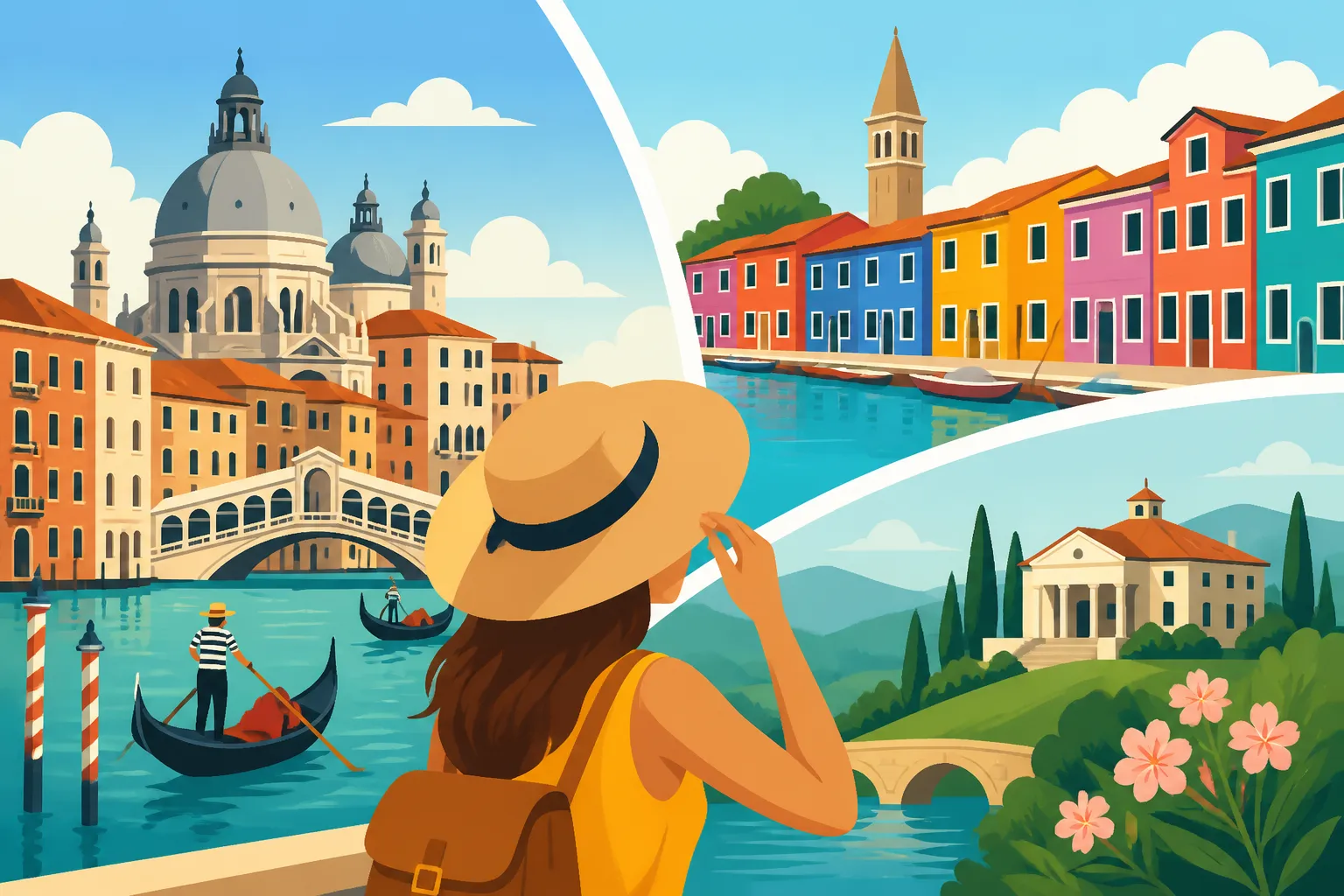
Prepare for a feast for your eyes when you step onto Burano. This tiny fishing village is famous for its brilliantly painted houses, reflecting in the canals like a vibrant watercolor painting. Legend has it that the houses were painted in such bright, distinct colors so that fishermen could spot their homes through the dense fog of the lagoon. Whether true or not, it makes for an incredibly picturesque destination. Every corner offers a new photo opportunity, from laundry strung across narrow alleys to colorful doors and window boxes bursting with flowers.
Burano is also historically known for its intricate lace-making. While the art of traditional Burano lace is now incredibly rare and expensive, you can still find examples and demonstrations in the Lace Museum (Museo del Merletto). Much like Murano glass, be discerning when buying lace, as many pieces are mass-produced elsewhere. Take your time to wander the streets, enjoy the serene atmosphere, and perhaps indulge in a plate of fresh seafood at a local trattoria. Getting to Burano usually involves taking the Line 12 vaporetto from Fondamente Nove, often passing through Murano on the way. It’s a bit further out, but absolutely worth the journey for its unique charm.
Torcello: A Glimpse into Venice's Ancient Past
If Murano offers craftsmanship and Burano offers color, Torcello offers profound tranquility and a journey back in time. Once a thriving settlement with a population far exceeding Venice in the early medieval period, it is now largely uninhabited, serving as a poignant reminder of the lagoon's ebb and flow of fortune. What remains is an atmosphere of serene, almost melancholic beauty. The main draw is the Basilica di Santa Maria Assunta, one of the oldest churches in the Veneto, dating back to 639 AD. Its interior boasts stunning Byzantine mosaics, particularly the Last Judgment mosaic, which is truly awe-inspiring. Next to the basilica is the Church of Santa Fosca and the Museo di Torcello, which houses archaeological finds.
Reaching the basilica involves a pleasant, albeit somewhat muddy, walk along a path from the vaporetto stop, crossing the Ponte del Diavolo (Devil's Bridge), a charming, arch-less stone bridge. The quiet, pastoral landscape of Torcello is a stark contrast to the bustle of Venice and offers a unique opportunity for reflection. It's an essential visit for anyone interested in the very beginnings of Venetian history. You can reach Torcello via the Line 12 vaporetto from Fondamente Nove, usually as a continuation from Burano, making it an ideal stop on a multi-island tour.
Lido di Venezia: Beaches and Belle Époque Charm
For a completely different island experience, head to the Lido di Venezia. This long, narrow barrier island separates the Venetian Lagoon from the Adriatic Sea and is Venice's answer to a beach resort. During the summer months, it transforms into a bustling hub for sunbathers, swimmers, and cyclists. It's a delightful place to escape the heat and dive into the cool Adriatic waters. The Lido is also famous as the home of the Venice Film Festival, held annually in late August/early September, bringing a touch of Hollywood glamour to the Italian coast. Beyond the beaches, the Lido boasts beautiful Belle Époque architecture, particularly along its main street, Gran Viale Santa Maria Elisabetta, and around the Casino.
You can rent bicycles to explore the island, from its sandy shores to its quieter residential areas. There are both public beaches and private stabilimenti where you can rent umbrellas and sun loungers for a more comfortable experience. For those looking for a bit of relaxation and a break from intense sightseeing, the Lido offers a perfect escape. While it might not have the historical gravitas of Torcello or the artistic flair of Murano, its laid-back atmosphere and refreshing sea air are a welcome change. The Lido is easily accessible by various vaporetto lines (e.g., 1, 5.1, 5.2, 6) from Venice's major stops.
Mainland Marvels: History, Art, and Culture within Easy Reach
While the lagoon islands offer a distinct Venetian flavor, the mainland cities of the Veneto region provide a rich tapestry of Italian history, art, and culture that are just a short train ride away. These cities, once rivals or allies of the mighty Venetian Republic, each boast their own unique identity and treasures.
Padua: Saint Anthony and Ancient Universities
Padua (Padova in Italian), a mere 25-30 minute train ride from Venice, is often overlooked by tourists, and that's a mistake. This vibrant university city is packed with history, stunning art, and a lively atmosphere. Its most famous landmark is the Basilica di Sant'Antonio, a massive and awe-inspiring pilgrimage site dedicated to Saint Anthony of Padua. Inside, you'll find incredible frescoes, sculptures, and the saint's tomb, drawing visitors from around the globe. The basilica is a truly spiritual and artistically rich experience.
But Padua is much more than its basilica. It’s home to one of the world's oldest universities, the University of Padua, founded in 1222. You can visit its historic Palazzo del Bo, which includes the world's first anatomical theatre. Art lovers absolutely must visit the Scrovegni Chapel (Cappella degli Scrovegni), adorned with a breathtaking fresco cycle by Giotto, considered one of the masterpieces of Western art. However, remember to book your visit to the Scrovegni Chapel well in advance, as entry is strictly controlled to preserve the frescoes. The city's squares, such as Prato della Valle (one of Europe's largest public squares) and Piazza delle Erbe, are bustling with markets, cafes, and locals enjoying the passeggiata. Padua offers a deep dive into Italian intellectual and religious history. Trains to Padua are frequent and efficient, making it an incredibly convenient day trip. You can easily book your train tickets through platforms like Omio or directly from Trenitalia or Italo.
Verona: Romeo, Juliet, and Roman Grandeur
Ah, Verona! The city of love, immortalized by Shakespeare, is a captivating blend of Roman ruins, medieval streets, and Renaissance palaces, all nestled along the gentle curve of the Adige River. It’s about an hour to an hour and a half by high-speed train from Venice, making it a very manageable day trip. The star attraction is undoubtedly the Arena di Verona, a remarkably well-preserved Roman amphitheater that still hosts opera performances in the summer. Walking into this ancient structure feels like stepping back in time, imagining gladiatorial contests or grand theatrical spectacles.
Of course, no visit to Verona is complete without at least a nod to the star-crossed lovers. While "Juliet's House" (Casa di Giulietta) is more legend than fact, complete with a balcony and a statue of Juliet (rubbing her breast for luck is a popular, if slightly bizarre, tradition), it's a fun, albeit touristy, stop. Beyond the romantic allure, explore Piazza delle Erbe, the vibrant heart of the city, and the grand Piazza dei Signori with its historical buildings. Don't miss climbing the Torre dei Lamberti for panoramic views of the city. Verona's charm lies in its ability to transport you through different eras of history, all within a compact and walkable city center. For transportation, you’ll find that regional trains are quite frequent and offer a scenic journey, allowing you to relax and enjoy the Italian countryside. Considering the train is a much better option than Renting a Car in Italy: ZTLs, Insurance, and Driving Tips for most day trips from Venice, as city centers are often restricted.
Treviso: A Hidden Gem with Canals and Frescoes
If you're looking for a quieter, more authentic Italian experience away from the major tourist crowds, then Treviso is an absolute delight. Just a 30-40 minute regional train ride from Venice, this charming walled city often gets overlooked, which is precisely its appeal. Treviso is crisscrossed by tranquil canals and the gentle flow of the Sile and Cagnan rivers, giving it a miniature, less frantic, Venetian feel. You’ll find beautiful frescoed houses (many are painted on the exterior walls!), medieval gates, and cobbled streets perfect for leisurely wandering.
Highlights include the Piazza dei Signori, the city's main square, dominated by the Palazzo dei Trecento. Explore the Pescheria, an island in the Cagnan River that hosts the daily fish market, a lively and authentic slice of local life. Treviso is also believed to be the birthplace of Tiramisu, so indulging in a slice (or two!) is practically mandatory. It's a wonderful place to simply be, to soak in the atmosphere, enjoy an unhurried lunch, and experience Italian daily life without the constant crush of tourists. It’s an ideal choice if you want to experience the real rhythms of the Veneto.
Vicenza: Palladian Architecture and Renaissance Beauty
For lovers of architecture and classical design, Vicenza is a must-see. Located about an hour by train from Venice, this elegant city is a UNESCO World Heritage site, largely thanks to the enduring legacy of Andrea Palladio, the 16th-century architect whose work profoundly influenced Western architecture. His distinctive style, characterized by classical proportions and harmonious forms, can be seen throughout the city. The most iconic example is the Basilica Palladiana, a magnificent building dominating Piazza dei Signori, which now serves as a convention center and exhibition space.
Other Palladian masterpieces include the Palazzo Chiericati (which houses the city's civic art museum) and the exquisite Teatro Olimpico, an indoor Renaissance theater with a breathtakingly realistic trompe l'oeil stage set, designed by Palladio and completed by his student Vincenzo Scamozzi. It feels like stepping onto an ancient Roman stage set for eternity. Beyond Palladio's work, Vicenza offers a lovely historic center, charming cafes, and a more relaxed pace than Venice or Verona. It’s a city that rewards those who appreciate refined beauty and architectural innovation. For travel, utilize the regional train services, which are quite frequent and provide a comfortable journey.
Practicalities for Your Day Trip Adventures
Embarking on a day trip from Venice, while exciting, does require a bit of practical know-how to ensure everything runs smoothly. Navigating public transport, knowing what to pack, and understanding local customs can make all the difference between a good trip and a great one.
Navigating Public Transport from Venice
Getting around the Veneto region from Venice is generally quite straightforward, thanks to Italy's efficient public transport system.
- Vaporetti for the Islands: For all lagoon islands (Murano, Burano, Torcello, Lido), the vaporetto is your only option. Operated by ACTV, these water buses run frequently, though routes can be confusing at first glance. Purchase your tickets before boarding from ticket booths at vaporetto stops, tobacconists (tabaccherie), or ACTV ticket machines. Single tickets are expensive, so if you plan multiple rides, a 24, 48, or 72-hour tourist travel card might be more cost-effective. Remember to validate your ticket by tapping it on the electronic reader before you get on board, otherwise, you risk a hefty fine. You can find detailed schedules and maps at most vaporetto stops or on the ACTV website.
- Trains for the Mainland: For cities like Padua, Verona, Treviso, and Vicenza, trains are undoubtedly the best way to go. Italy has two main train operators: Trenitalia and Italo. Trenitalia offers a range of services from high-speed Frecciarossa/Frecciargento trains to regional (Regionale) services. Regional trains are slower but cheaper, and often perfectly sufficient for short distances. High-speed trains connect major cities rapidly. You can buy tickets online via their respective websites, at station ticket counters, or from self-service machines. Platforms like GetYourGuide or Omio also offer convenient booking options. Remember to validate regional train tickets at the green and white machines on the platform before boarding, or you might face a fine. High-speed train tickets with assigned seats do not need validation. For more details on how to use trains, you can check out resources like High-Speed Trains in Italy: Trenitalia, Italo, Routes, and Savings or Regional Trains in Italy: How to Use Them and Save.
- Buses: While less common for day trips from Venice given the excellent train network, buses can sometimes be useful for specific routes or if trains are on strike. ACTV also operates urban and extra-urban bus lines from Piazzale Roma. Again, tickets should be purchased beforehand from tabaccherie or ticket machines and validated upon boarding.
Essential Packing and Preparation
A little preparation goes a long way to ensure comfort and maximize enjoyment during your day trip.
- Comfortable Shoes: This cannot be stressed enough. Whether you're navigating cobbled streets, walking through vast museum complexes, or exploring a quiet island, you'll be on your feet for hours. Leave the fashionable heels for dinner in Venice!
- Weather Appropriate Gear: Italy's weather can be fickle. Even on a sunny morning, an afternoon shower can surprise you, especially in spring and autumn. Pack light layers, a compact umbrella or rain jacket. In summer, prioritize light, breathable fabrics and sun protection (hat, sunglasses, sunscreen).
- Water and Snacks: While you'll find cafes and shops everywhere, having a reusable water bottle is always a good idea, and a small snack can be a lifesaver if you're stuck between meals or tours.
- Small Backpack/Day Bag: Something comfortable to carry your essentials, leaving your hands free.
- Camera and Power Bank: You'll be taking lots of photos, so ensure your phone or camera battery lasts the day!
- Cash and Cards: Most places accept cards, but it's always wise to have some smaller euro notes and coins for market purchases, small cafes, or public restrooms.
- Reservations/Tickets: Have any pre-booked train tickets, museum entries (like the Scrovegni Chapel!), or tour confirmations easily accessible, either printed or on your phone. GetYourGuide is a great resource for finding and booking tours for popular destinations, helping you secure entry to those must-see spots.
- Phrasebook/Translation App: While many tourist-facing staff speak English, a little Italian goes a long way and is always appreciated by locals. Even simple phrases like "Buongiorno" (Good day) and "Grazie" (Thank you) can make a difference. For some guidance on this, check out Italian Language and Everyday Communication for Visitors.
Avoiding Tourist Traps and Maximizing Authenticity
Italy is a hugely popular tourist destination, and with popularity comes the unfortunate reality of tourist traps. But with a bit of savvy, you can easily sidestep them.
- Food: Avoid restaurants with laminated menus in multiple languages, especially those with photos of the food. These are usually catering to tourists and often offer mediocre quality at inflated prices. Instead, look for places bustling with locals, perhaps with a handwritten menu or a fixed-price menu del giorno. Ask your hotel or host for recommendations. For insight into dining, you might find Italian Food Culture: Eating Well as a Visitor helpful.
- Shopping: On Murano and Burano, be wary of shops selling "genuine" glass or lace at suspiciously low prices. As mentioned, look for certification. Often, the best souvenirs are edible or practical: local wine, olive oil, cheeses, or beautifully crafted leather goods (though not specific to Venice, good quality leather is found throughout Italy).
- Crowds: If a place is notoriously crowded (e.g., St. Mark's Square, Juliet's House), try to visit early in the morning or later in the afternoon. For island trips, consider going on a weekday rather than a weekend. Planning your Venice trip with articles like How to Avoid Crowds in Venice can give you an edge.
- Local Interactions: Be polite, try a few Italian phrases, and remember Italian customs and etiquette. Locals appreciate the effort. Don't be afraid to wander off the main drag; often, the most authentic experiences are found down a quiet side street.
Curated Itineraries for Different Tastes
To help you decide, here are a few ideas for day trip itineraries from Venice, catering to different interests and paces.
The Classic Lagoon Loop: Murano, Burano, Torcello
This is probably the most popular and quintessential Venice day trip, and for good reason. It offers a wonderful blend of art, charm, and history right within the lagoon.
- Morning (9:00 AM – 12:00 PM): Murano. Start early from Fondamente Nove (or your nearest vaporetto stop) on a Line 12 or 4.1/4.2 vaporetto to Murano. Head straight for a glass-blowing demonstration and visit the Museo del Vetro. Explore the shops, but remember to be discerning.
- Lunch (12:00 PM – 1:30 PM): Burano. Hop back on the Line 12 vaporetto to Burano. Find a charming trattoria for lunch, perhaps sampling some fresh seafood. Afterwards, take your time wandering through the incredibly colorful streets, snapping photos, and perhaps peeking into the Lace Museum.
- Afternoon (1:30 PM – 3:00 PM): Torcello. From Burano, take the Line 12 vaporetto one stop further to Torcello. Enjoy the peaceful walk to the Basilica di Santa Maria Assunta, marvel at the mosaics, and soak in the ancient atmosphere.
- Return (3:00 PM onwards): Head back on the vaporetto (Line 12) from Torcello directly to Fondamente Nove or your preferred Venice stop. You’ll be back in Venice in time for a well-deserved aperitivo!
This loop can be done independently, or you could opt for a guided tour offered by companies found on platforms like GetYourGuide, which often combine these islands into a half-day or full-day excursion, sometimes including a glass factory visit.
A Taste of History: Padua or Verona
If you're more inclined towards grand history, magnificent art, and vibrant city life beyond the Venetian canals, then a mainland city is calling.
-
Option A: Padua (Full Day)
- Morning (8:30 AM – 12:30 PM): Travel and Scrovegni Chapel. Take an early train from Venezia Santa Lucia to Padua (25-30 mins). From the station, it's a pleasant walk or short tram ride to the Scrovegni Chapel. Remember to book your ticket well in advance, ideally months, as slots are limited. Afterwards, head to the Basilica di Sant'Antonio, spending ample time admiring its grandeur and religious significance.
- Lunch (12:30 PM – 2:00 PM): Local Eats. Enjoy lunch near the basilica or in one of Padua's bustling piazzas, such as Piazza delle Erbe. Look for traditional Paduan dishes.
- Afternoon (2:00 PM – 5:00 PM): University and Squares. Explore the historic University of Padua, including the Anatomical Theatre. Wander through Prato della Valle and Piazza dei Signori, enjoying the vibrant local life.
- Return (5:00 PM onwards): Catch a train back to Venice.
-
Option B: Verona (Full Day)
- Morning (8:00 AM – 12:00 PM): Travel and Arena. Take a high-speed train from Venezia Santa Lucia to Verona Porta Nuova (approx. 1 hour 15 minutes). From the station, it's a brisk walk or short bus ride to the Arena di Verona. Explore the impressive Roman amphitheater, imagining its ancient spectacles.
- Lunch (12:00 PM – 1:30 PM): Piazza dei Signori. Find a charming restaurant around Piazza dei Signori for lunch.
- Afternoon (1:30 PM – 5:30 PM): Juliet, Views, and Roman Theatre. Head to Juliet's House (be prepared for crowds), then climb the Torre dei Lamberti for panoramic views. If time permits, cross the river to see the Roman Theatre and the Archaeological Museum.
- Return (5:30 PM onwards): Take your train back to Venice, reflecting on Verona's timeless beauty. Booking train tickets in advance via Omio or the Trenitalia/Italo apps is highly recommended, especially for faster services.
Off the Beaten Path: Treviso or Vicenza
For those seeking a more tranquil experience, perhaps to feel less like a tourist and more like a local, these hidden gems offer a delightful escape.
-
Option A: Treviso (Half to Full Day)
- Morning (9:30 AM – 1:00 PM): Arrival and Exploration. Take a regional train from Venezia Santa Lucia to Treviso Centrale (30-40 minutes). From the station, the historic center is a short walk. Spend the morning wandering through the serene canals, admiring the frescoed buildings, and visiting Piazza dei Signori.
- Lunch (1:00 PM – 2:30 PM): Tiramisu Time! Enjoy a leisurely lunch at a local trattoria. Afterwards, find a pasticceria and treat yourself to authentic Tiramisu!
- Afternoon (2:30 PM – 4:00 PM): Fish Market and Relax. Visit the Pescheria island and explore the quieter backstreets. Treviso is a city best enjoyed at a relaxed pace, so feel free to simply sit at a cafe and watch the world go by.
- Return: Whenever you feel ready, hop back on a regional train to Venice.
-
Option B: Vicenza (Full Day)
- Morning (9:00 AM – 1:00 PM): Travel and Palladian Wonders. Take a regional train from Venezia Santa Lucia to Vicenza (approx. 1 hour). Head straight for Piazza dei Signori to marvel at the Basilica Palladiana. Then, make your way to the Palazzo Chiericati and the extraordinary Teatro Olimpico.
- Lunch (1:00 PM – 2:30 PM): Historic Center Fare. Enjoy lunch in the historic center, perhaps a traditional Vicentine dish like baccalà alla vicentina.
- Afternoon (2:30 PM – 5:00 PM): Villa Capra "La Rotonda" or Local Exploration. If you're an architecture enthusiast and have time, consider a taxi or bus ride outside the city center to see Palladio's iconic Villa Capra "La Rotonda" (check opening hours, as they can be limited). Otherwise, spend the afternoon exploring Vicenza's charming streets and other Palladian palaces.
- Return (5:00 PM onwards): Catch a train back to Venice, having savored the architectural genius of Palladio.
No matter which day trip you choose, remember that a little planning and an open mind will lead to unforgettable experiences beyond the enchanting canals of Venice.
Here’s a quick overview to help you compare:
| Destination | Main Attraction(s) | Travel Time (from Venice) | Recommended Transport | Cost Estimate (Transport) | Pace |
|---|---|---|---|---|---|
| Murano | Glass blowing, Museo del Vetro | 10-20 mins | Vaporetto | €8-10 (single ride) | Moderate |
| Burano | Colorful houses, Lace Museum | 40-50 mins | Vaporetto | €8-10 (single ride) | Relaxed |
| Torcello | Basilica di Santa Maria Assunta, mosaics | 50-60 mins | Vaporetto | €8-10 (single ride) | Very Relaxed |
| Lido | Beaches, Film Festival architecture | 10-15 mins | Vaporetto | €8-10 (single ride) | Relaxed |
| Padua | Basilica di Sant'Antonio, Scrovegni Chapel, University | 25-30 mins | Train (Regional) | €4-8 (one-way) | Moderate to Fast |
| Verona | Arena, Juliet's House, Roman Theatre | 1 hr 15 mins (High-speed) | Train (High-speed/Regional) | €10-25+ (one-way) | Moderate to Fast |
| Treviso | Canals, Frescoes, Tiramisu | 30-40 mins | Train (Regional) | €4-8 (one-way) | Relaxed |
| Vicenza | Palladian architecture, Teatro Olimpico | 50-60 mins | Train (Regional) | €6-12 (one-way) | Moderate |
Note: Vaporetto single ride tickets are expensive. Consider a 24/48/72-hour pass if you plan multiple island visits. Train prices vary greatly based on type of train and how far in advance you book.
Disclaimer
Please remember that travel information, prices, and opening hours can change. Always check official websites for the most current details before you travel. While this guide offers comprehensive advice, it's always a good idea to cross-reference with local sources.