Assisi and Italy’s Sacred Towns
Oh, my dears, if you're anything like I was when I first arrived in Italy, you'll quickly realize this country isn't just about ancient ruins, incredible food, and breathtaking landscapes. No, Italy has a soul, a deep, resonant spiritual heart that beats strongest in its sacred towns. Trying to navigate how to experience this profound side of Italy can feel daunting, with so much history, so many saints, and a sea of logistical questions. But don't you worry, because this guide is going to peel back the layers and show you exactly how to embark on a truly meaningful journey through Italy’s most hallowed grounds, especially Assisi.
Disclosure: This post may contain affiliate links. We may earn a commission at no extra cost to you if you make a purchase through these links. Read full disclosure.
The Soulful Pull of Italy's Sacred Towns
There’s a unique magic to stepping into a place where centuries of devotion have imbued the very stones with a palpable sense of peace and history. For many of us expats, life in Italy, while wonderful, can sometimes be a whirlwind of bureaucracy and cultural adjustments. Taking time to visit these sacred towns offers a profound respite, a chance to reconnect with something larger than ourselves, regardless of your personal faith. It's an opportunity to understand a fundamental aspect of Italian identity that has shaped its art, its history, and its people for millennia.
More Than Just Stones and Saints: A Deep Dive into History and Art
When you visit a sacred town in Italy, you're not just observing religious relics; you're stepping into a living museum where faith and human genius have converged over generations. These sites are often testaments to incredible architectural feats and artistic masterpieces, commissioned by devout patrons or created by artists deeply moved by their subjects. Think about the incredible frescoes adorning ancient basilicas – they weren't just decorative; they were visual sermons, teaching biblical stories to a largely illiterate populace. Each chisel mark, each brushstroke, tells a story not only of the saint it honors but also of the era, the cultural values, and the fervent belief that inspired its creation. You’ll find layers of history, from Roman foundations to medieval renovations and Renaissance additions, all speaking to the enduring human need for meaning and connection.
What often strikes me most is how seamlessly the sacred is integrated with the profane. You might see a modern nonna lighting a candle next to a priceless Giotto fresco, or a group of schoolchildren on an outing giggling in a courtyard that has hosted popes and emperors. This isn't just a relic to be admired from afar; it's a vibrant, active part of daily Italian life. Understanding this blend, this continuous dialogue between past and present, is key to appreciating the depth of these places. They tell tales of human struggle, triumph, and devotion, making the history feel incredibly personal and immediate.
Why the Journey: Personal Reflections on Seeking the Sacred
For many, myself included, the draw to these sacred towns goes beyond mere tourism. It's a pilgrimage of sorts, a quest for inner peace or a deeper understanding of the human spirit. Perhaps you're feeling overwhelmed by the fast pace of modern life, or maybe you're simply curious to explore the spiritual traditions that have shaped Western civilization. Whatever your motivation, these towns offer a sanctuary. They invite contemplation, reflection, and a slowing down that is often missing from our day-to-day lives. There's something incredibly humbling about walking the same paths as saints and pilgrims who lived centuries ago, carrying their own hopes and burdens.
Even if you don't identify with a particular religion, the sheer beauty, tranquility, and historical weight of these places can be profoundly moving. I’ve heard countless stories from friends and fellow expats who, after a visit to Assisi or one of the other holy sites, felt a profound shift, a renewed sense of perspective, or simply a deep sense of calm. It’s a chance to step outside yourself, to experience the continuity of human faith and hope, and to connect with the timeless aspects of our shared humanity. Sometimes, just sitting quietly in an ancient church, listening to the echoes of prayer, can be the most profound part of the entire Italian experience.
Assisi: A Pilgrimage to the Heart of Umbria
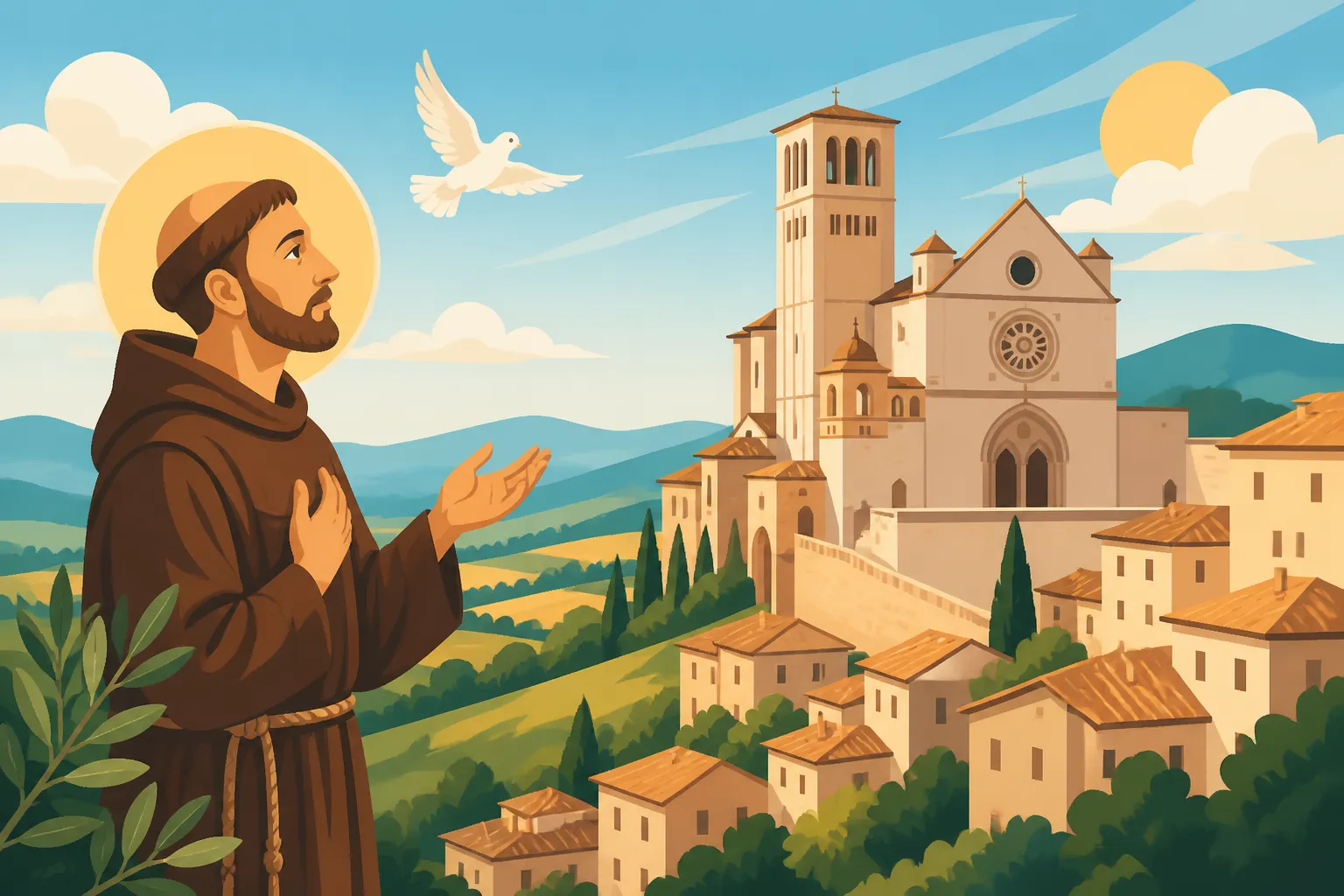
If there's one sacred town that truly encapsulates the spiritual essence of Italy, it's Assisi. Perched gracefully on the slopes of Mount Subasio in Umbria, this medieval hill town is synonymous with St. Francis and St. Clare, two of the most revered figures in Christian history. The moment you arrive, you feel it—a sense of peaceful grandeur that gently settles over you. It's not as bustling as Rome, nor as art-focused as Florence, but it holds a unique, almost ethereal charm that draws millions of pilgrims and tourists each year. The honey-colored stone buildings, narrow cobblestone streets, and panoramic views of the Umbrian valley below create a backdrop that feels straight out of a Renaissance painting.
Following in the Footsteps: St. Francis, St. Clare, and Their Legacy
To understand Assisi, you must understand St. Francis and St. Clare. Born Giovanni di Pietro di Bernardone in 1181 or 1182, St. Francis was the son of a wealthy merchant. He famously renounced his privileged life to embrace poverty, chastity, and obedience, founding the Franciscan Order. His radical message of love for all creation, compassion for the poor, and living simply resonated deeply, not just in his time but through the centuries. He taught by example, and his gentle spirit continues to inspire millions worldwide. You'll see his influence everywhere in Assisi, from the humble chapels he repaired with his own hands to the grand basilica built in his honor.
St. Clare, born Chiara Offreduccio in 1194, was a noblewoman from Assisi who was inspired by St. Francis. She defied her family to dedicate her life to God, founding the Order of Poor Ladies, now known as the Poor Clares. Living a life of extreme austerity within the Convent of San Damiano, she shared Francis's commitment to poverty and prayer. Her steadfast devotion and unwavering faith, even when faced with hardships, have made her an enduring symbol of spiritual strength. Walking through Assisi, you can literally trace their journeys, visiting the places where they lived, prayed, and ministered, and feeling the profound impact they had on the world.
The Basilica of San Francesco: An Artistic and Spiritual Marvel
No visit to Assisi is complete without spending a considerable amount of time at the Basilica di San Francesco. This isn't just a church; it's a UNESCO World Heritage site and a breathtaking monument to faith and art. It's actually two churches built one on top of the other, forming a lower and an upper basilica, with a crypt housing St. Francis's tomb at its very heart. The Lower Basilica is dark and contemplative, with stunning frescoes by Cimabue and Pietro Lorenzetti, depicting scenes from Christ's Passion and the life of St. Francis. It’s a place for quiet reflection, where the weight of history and devotion feels almost tangible.
As you ascend to the Upper Basilica, you're greeted by a flood of light and a different artistic style. Here, the legendary Giotto's frescoes come to life, illustrating 28 scenes from the life of St. Francis. These vibrant, narrative works are considered a turning point in Western art, introducing a new realism and humanism that prefigured the Renaissance. Standing amidst these masterpieces, you can truly appreciate the genius that transformed simple walls into a visual sermon, telling Francis’s story with unparalleled grace and emotion. Take your time, really absorb the details, and remember that these works have inspired countless generations. For more about visiting religious sites respectfully, you might find our guide on Visiting Italian Churches Respectfully as a Traveler helpful.
Beyond the Basilica: Exploring Assisi's Other Holy Sites
While the Basilica of San Francesco is undoubtedly the main draw, Assisi offers a wealth of other sacred sites that are equally moving and historically significant.
First, the Basilica di Santa Chiara is dedicated to St. Clare, St. Francis's spiritual sister and the founder of the Poor Clares. Here, you can see the original cross that spoke to St. Francis in San Damiano, prompting his spiritual conversion. The church also houses St. Clare's remains and her simple habit, offering a poignant glimpse into her austere life. The beautiful pink and white façade, typical of Umbrian Gothic architecture, is also a sight to behold.
For a true sense of Francis's original monastic life, a visit to the Eremo delle Carceri is a must. Nestled in a dense forest on Mount Subasio, about 4 kilometers outside Assisi, this hermitage was a quiet retreat where St. Francis and his early followers would pray and meditate in small caves. The serene atmosphere, the ancient woods, and the simple stone structures transport you back to the 13th century. It’s a powerful reminder of Francis’s love for nature and solitude. Getting there can be a bit tricky without a car, but local taxis or even a strenuous, reflective walk are options.
Another pivotal site is the Convento di San Damiano, a humble church that St. Francis personally rebuilt. It was here that the crucifix famously spoke to him, saying, "Francis, go and repair my church, which, as you see, is falling into ruin." Later, St. Clare established her order here, and it remained her home until her death. The convent exudes a peaceful, rustic charm, feeling much closer to its original state than the grand basilicas. It's a wonderful place to sit and meditate, imagining the lives of these two saints within its simple walls.
Finally, don't miss the Basilica di Santa Maria degli Angeli, located on the plain below Assisi. This massive basilica was built to enclose the Portiuncula, a tiny, humble chapel that was dear to St. Francis and served as the cradle of the Franciscan Order. It was here that Francis lived, welcomed new brothers, and eventually died. The contrast between the grand basilica and the small, rustic chapel inside is striking, emphasizing Francis's humility. This site also contains the Transito Chapel, where St. Francis breathed his last, and the Rose Garden, said to be where he rolled in thorns to overcome temptation.
From Rome's Grandeur to Puglia's Piety: Other Sacred Destinations
Italy's spiritual landscape extends far beyond the hills of Umbria. From the colossal basilicas of the capital to the intimate sanctuaries in lesser-known regions, the country is dotted with sites of immense religious significance. Each offers a distinct experience, shaped by local history, specific saints, and architectural styles.
Rome: The Epicenter of Catholicism
Of course, no discussion of Italy's sacred towns would be complete without highlighting Rome. The Eternal City is the heart of the Roman Catholic Church, home to the Vatican City, the smallest independent state in the world, and the seat of the Pope. A visit here is an absolute pilgrimage for millions. St. Peter's Basilica, a monumental masterpiece of Renaissance architecture, is simply awe-inspiring. Stepping inside, you're enveloped by its sheer scale, the intricate details, and the profound sense of holiness. You'll see Michelangelo's Pietà and Bernini's baldachin, among countless other treasures. To fully appreciate its grandeur and history, consider booking a guided tour through platforms like GetYourGuide, which can help you navigate the crowds and provide invaluable context.
Beyond St. Peter's, Rome boasts three other papal basilicas: St. John Lateran (the cathedral of Rome and the Mother Church of all churches), St. Paul Outside the Walls (housing the tomb of St. Paul), and St. Mary Major (the largest Marian church in Rome). Each of these basilicas is a treasure trove of art, history, and spiritual significance. Moreover, Rome's ancient catacombs, subterranean burial sites where early Christians practiced their faith in secret, offer a chilling yet profoundly moving glimpse into the origins of Christianity. Exploring these dark, labyrinthine tunnels provides a stark contrast to the grandeur of the basilicas, showcasing the humble beginnings of a global faith. If you're planning a trip specifically to the Vatican, our guide on Visiting the Vatican: St. Peter's and the Museums will be invaluable.
San Giovanni Rotondo and Pietrelcina: The Enduring Miracles of Padre Pio
Moving south, Puglia holds two significant modern pilgrimage sites dedicated to Saint Padre Pio of Pietrelcina, one of the most venerated saints of the 20th century. Born Francesco Forgione, Padre Pio was a Capuchin friar renowned for his stigmata (the wounds of Christ), his spiritual counsel, and his alleged miracles.
San Giovanni Rotondo, in the Gargano region of Puglia, is where Padre Pio lived, ministered, and died. The main draw is the Sanctuary of Santa Maria delle Grazie, which includes the old church where he celebrated Mass and the newer, much larger Padre Pio Pilgrimage Church, designed by Renzo Piano. This modern architectural marvel is built to accommodate the vast numbers of pilgrims who visit each year. You can visit Padre Pio’s crypt, see relics associated with him, and experience the powerful devotion that still permeates the town. It’s a truly unique experience, blending contemporary architecture with fervent, traditional piety.
A shorter journey away is Pietrelcina, Padre Pio's birthplace. This charming, small village offers a more intimate look at the saint's early life. You can visit his childhood home, the church where he was baptized, and the spots where he reportedly experienced his first mystical visions. Pietrelcina provides a grounding perspective on the humble origins of a man who would become one of Italy's most beloved spiritual figures. It's a poignant experience to walk the same narrow streets and see the simple surroundings that shaped his early spirituality.
Loreto and Siena: Devotion and Artistic Splendor
Loreto, in the Marche region, is another major Marian pilgrimage site in Italy, drawing pilgrims from around the world. Its centerpiece is the Basilica della Santa Casa (Basilica of the Holy House). According to tradition, the Holy House is the very house in Nazareth where the Virgin Mary was born, conceived Jesus, and lived. Legend holds that in the 13th century, angels miraculously transported the house from Nazareth to Loreto to save it from destruction. Regardless of one's belief in the legend, the house, encased within a magnificent marble screen by Bramante, is a profoundly sacred space. The basilica itself is a stunning example of Renaissance architecture, adorned with works by famous artists like Melozzo da Forlì and Luca Signorelli. The town of Loreto offers a contemplative atmosphere, perfect for quiet prayer and reflection.
Further inland in Tuscany, Siena is renowned not only for its stunning medieval architecture and the Palio horse race but also as the home of St. Catherine of Siena. St. Catherine was a formidable Dominican tertiary, mystic, and reformer who played a significant role in papal politics in the 14th century and was declared a Doctor of the Church. Her birthplace, the Casa di Santa Caterina, is a complex of sanctuaries and chapels built around her original home. You can visit her cell, the kitchen, and other spaces that shed light on her life and profound spiritual experiences. The city’s magnificent Duomo di Siena, while not solely dedicated to her, is a testament to the fervent faith and artistic prowess of the Sienese people during her era, its intricate details and art inspiring awe. Siena offers a blend of rich history, world-class art, and deep spiritual significance.
Navigating Your Spiritual Journey: Practicalities and Planning
Embarking on a journey through Italy's sacred towns requires a bit of planning, especially if you want to make the most of your time and minimize stress. While the spiritual rewards are immense, the practicalities—from transportation to accommodation—can sometimes present challenges, particularly for those new to Italy. But fear not, with a few insider tips, you’ll be navigating these sacred paths with ease.
Seamless Travel: Getting to Italy's Sacred Sites
Getting to these revered destinations can often be the trickiest part, as many are nestled in historical centers or remote hilltops. Italy's excellent train system is usually your best friend for larger cities like Rome and Florence, and even for reaching towns with smaller stations, like Assisi (though its station is a short bus ride from the town center). For planning your rail journeys, I always recommend checking platforms like Omio. It’s a lifesaver for comparing train, bus, and even flight options across Italy and Europe, showing you the fastest and cheapest routes in one go. You can easily book tickets for Trenitalia or Italo, Italy’s two main train operators.
For more isolated spots like San Giovanni Rotondo or Pietrelcina, a combination of train and local bus is often necessary, or renting a car might give you more flexibility. Remember that driving in Italy, especially through historic town centers with ZTLs (limited traffic zones), can be an adventure! Always check local transportation schedules in advance, as they can be infrequent, particularly on Sundays or holidays. Our comprehensive guide on Getting Around Italy: Trains, Buses, Flights, and Car Hire is full of practical advice for all your travel needs within the country.
Finding Your Sanctuary: Accommodation Options
Finding the right place to stay can significantly enhance your spiritual journey. Italy's sacred towns offer a wide range of accommodation, from simple monastic guesthouses (often a wonderfully authentic experience!) to charming boutique hotels and agriturismi (farm stays) in the surrounding countryside. If you're looking for peace and quiet, especially after a day of exploring, an agriturismo slightly outside the main town can be a serene choice. For convenient access to all the sites, staying within the historic center is ideal, though it might mean slightly higher prices and more pedestrian traffic.
I always recommend using reputable booking platforms like Booking.com. They offer a vast selection, from budget-friendly options to luxurious retreats, and you can filter by location, amenities, and guest reviews. Reading reviews from fellow travelers, especially those who mention the atmosphere or proximity to sacred sites, can be incredibly helpful. Consider whether you prefer a hotel with all the amenities, or a more minimalist, reflective environment provided by a guesthouse associated with a religious order. Regardless of your choice, securing your accommodation in advance, especially during peak pilgrimage seasons like Easter or the feast days of specific saints, is always a wise move. For general advice on where to lay your head, our article on Accommodation in Italy: Hotels, B&Bs, and Agriturismi offers many great tips.
Enriching Your Visit: Tours and Cultural Immersion
While wandering through these sacred towns on your own can be deeply rewarding, joining a guided tour can often unlock layers of history and meaning you might otherwise miss. Local guides, especially those specializing in religious history or art, can bring the stories of saints, the symbolism of frescoes, and the historical context of the sites to life. This is particularly true for complex sites like the Vatican or the Basilica of San Francesco in Assisi.
Platforms like GetYourGuide offer a wide array of tours, from walking tours of Assisi to skip-the-line entries and comprehensive historical explorations of Rome's basilicas. These tours can save you valuable time, provide expert insights, and even help you connect with other like-minded travelers. Beyond formal tours, look for opportunities for cultural immersion. Many towns offer cooking classes focused on local Umbrian or Puglian cuisine, or chances to attend local religious services, which can provide a deeper understanding of contemporary Italian faith and traditions. Learning a few basic Italian phrases will also go a long way in connecting with locals and enhancing your experience; our guide on Italian Language and Everyday Communication for Visitors is a great starting point.
Embracing the Spirit: Etiquette, Expectations, and the Essence of Pilgrimage
Visiting Italy's sacred towns is a privilege, and approaching these experiences with an open heart and a respectful attitude will greatly enhance your journey, not just for yourself but for those around you. These are not just tourist attractions; they are active places of worship, historical monuments, and sites of profound personal meaning for countless individuals.
Respectful Engagement: Cultural Customs and Church Etiquette
When you step into a church or a sanctuary in Italy, you're entering a sacred space. This means adhering to a certain code of conduct, which, while sometimes feeling a bit rigid to us foreigners, is rooted in deep cultural and religious respect. The dress code is probably the most important: shoulders and knees must be covered. This applies to both men and women. So, no short shorts, bare midriffs, or tank tops. Always carry a light scarf or shawl with you—it’s perfect for quickly covering up before entering a church. You'll see locals doing it, so you'll blend right in.
Beyond attire, remember to keep your voice low. These are places of prayer and contemplation, not lively chat. Turn off your phone or put it on silent, and refrain from eating or drinking inside. Photography is often permitted, but always check for signs, and be mindful of not disturbing worshippers, especially during Mass or other services. Flash photography is almost universally forbidden, not just out of respect but also to protect delicate frescoes and artworks. Understanding these nuances is part of embracing Italian Customs, Etiquette, and Social Life and ensuring your visit is harmonious.
Managing Your Journey: Crowds, Comfort, and Contemplation
One of the realities of visiting Italy's most popular sacred sites, particularly Assisi and the Vatican, is the crowds. Millions flock to these places annually, and during peak seasons or major feast days, it can feel overwhelming. To manage this, try to visit popular sites early in the morning or later in the afternoon. Mid-day often sees the largest crowds, especially with tour buses arriving. Planning your trip outside of peak tourist season (July and August) or major religious holidays like Easter can also make a huge difference in the density of visitors. You might want to consult a guide on How to Plan Travel Around Italian Public Holidays to avoid unexpected closures or crowds.
Despite the crowds, it's still possible to find moments of quiet contemplation. Seek out smaller chapels, side altars, or coursed cloisters within larger complexes. The Eremo delle Carceri near Assisi, for example, often offers a much more peaceful experience than the main basilica. Be prepared for a lot of walking on uneven surfaces, especially in hill towns, so comfortable shoes are non-negotiable. Factor in breaks, stay hydrated, and allow yourself time to simply sit, observe, and absorb the atmosphere without rushing.
Preparing for the Path: What to Bring and What to Know
Packing wisely can make a world of difference for your sacred journey. Beyond comfortable walking shoes and modest clothing, consider bringing a small notebook and pen for journaling reflections or notes. A portable battery pack for your phone is always a good idea, especially if you're using it for navigation or photography. Don't forget a refillable water bottle, as staying hydrated is key, particularly during warmer months.
It's also worth noting that many of these sites, especially those managed by religious orders, have small gift shops where you can purchase religious articles, books, or souvenirs. These often support the community or restoration efforts. While credit cards are widely accepted in Italy, having some small euro bills for minor purchases, donations, or local bus tickets is always handy. Be open to serendipitous encounters – a friendly local offering directions, a shared moment of prayer with a stranger, or simply the unexpected beauty of a quiet corner. These are often the most memorable parts of any spiritual journey.
Here's a quick overview of some of Italy's key sacred towns and what makes them special:
| Sacred Town | Key Sacred Sites | Primary Focus | Best Way to Access |
|---|---|---|---|
| Assisi | Basilica di San Francesco, Basilica di Santa Chiara, Eremo delle Carceri, Convento di San Damiano, Basilica di Santa Maria degli Angeli | St. Francis & St. Clare, Franciscan Spirituality, Medieval Art | Train (to Assisi station, then local bus), Car |
| Rome | St. Peter's Basilica, Vatican Museums, Catacombs, St. John Lateran, St. Paul Outside the Walls, St. Mary Major | Papal Seat, Early Christian History, Grand Basilicas | Train, Flight (to FCO/CIA), Excellent local transport |
| San Giovanni Rotondo | Padre Pio Pilgrimage Church, Sanctuary of Santa Maria delle Grazie, Padre Pio's Crypt | Padre Pio, Modern Pilgrimage, Stigmata | Train (to Foggia, then bus/taxi), Car |
| Pietrelcina | Padre Pio's Childhood Home, Church of Sant'Anna | Padre Pio's Early Life & Visions | Bus/Taxi from Benevento or Foggia, Car |
| Loreto | Basilica della Santa Casa (Holy House of Loreto) | Marian Devotion, Miraculous Transported House | Train (to Loreto station), Car |
| Siena | Casa di Santa Caterina, Duomo di Siena | St. Catherine of Siena, Medieval Art, Mysticism | Train (to Siena station, then bus), Bus from Florence, Car |
Disclaimer
The information provided in this guide is for general informational purposes only and does not constitute professional advice. While we strive to provide accurate and up-to-date information, circumstances can change. Please verify current travel restrictions, opening hours, and local regulations with official sources before making any travel plans. Travel involves inherent risks, and visitors are advised to exercise caution and obtain appropriate travel insurance.