Slow Travel in Italy: Staying Longer in One Place
Many of us expats and seasoned travelers have felt the rush of trying to cram too much into a short Italian trip, ending up exhausted rather than enriched. You zip from Rome to Florence to Venice, snapping photos but barely scratching the surface of true Italian life. This guide is all about embracing slow travel in Italy, showing you how to truly immerse yourself in one place, live like a local, and savor the authentic Italian experience, far from the hurried tourist trail.
Disclosure: This post may contain affiliate links. We may earn a commission at no extra cost to you if you make a purchase through these links. Read full disclosure.
The Philosophy of Slow Travel: Unpacking What It Truly Means in Italy
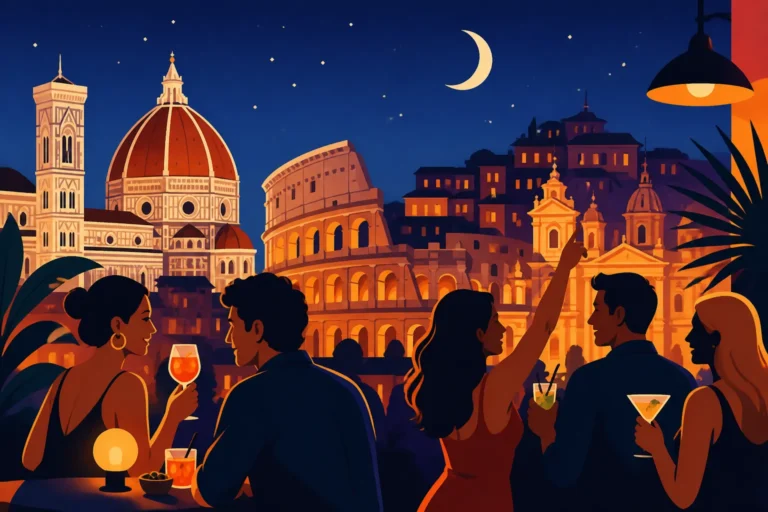
When you first dream of Italy, it's often a whirlwind of iconic images: the Colosseum, the Duomo, a gondola ride. These are all magnificent, no doubt, but chasing them one after another can leave you feeling like you've seen a postcard come to life, rather than lived a chapter of Italian reality. That's where slow travel steps in – it's less about ticking boxes and more about truly experiencing the rhythm of a place.
Beyond the Checklist: Why Speed Kills the Italian Experience
Think back to those frantic trips where every moment is scheduled, every sight a "must-see." You wake up, rush to breakfast, then it's off to the monument, a quick photo, a dash to the museum, a hurried lunch, and then on to the next major attraction. By evening, you're collapsing into bed, perhaps with a vague sense of accomplishment, but without any real connection to the daily life humming around you. You might have walked past a bustling local market without noticing the vibrant chatter, missed the old men playing bocce in the piazza, or skipped the chance to have a genuine conversation with a shopkeeper.
This kind of travel, while visually stimulating, often leaves you feeling drained and disconnected. It prioritizes quantity over quality, turning what should be an enriching journey into a race against the clock. The very essence of Italy – its spontaneous charm, its dedication to good food and company, its unhurried pace – gets lost in the blur. Instead of letting the country wash over you, you're constantly fighting against its natural flow, trying to fit its organic beauty into a rigid itinerary.
Italy: A Natural Fit for the Slower Pace
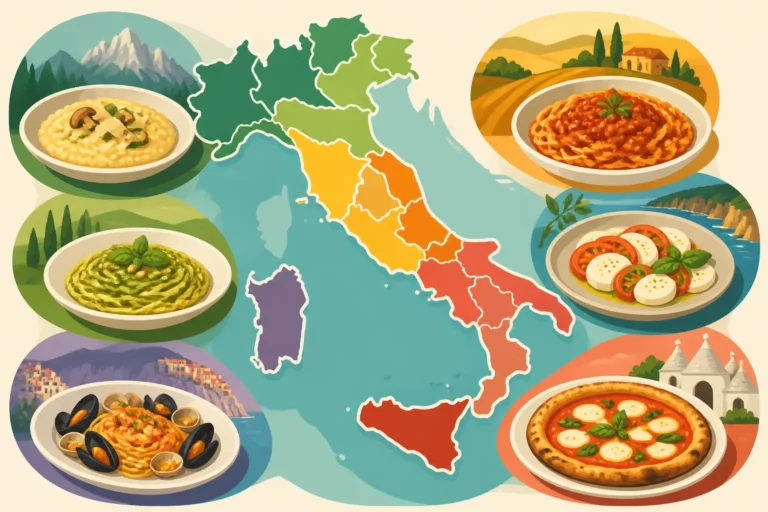
Italy, with its rich tapestry of regions, each with a distinct culture, cuisine, and dialect, is practically designed for slow travel. This isn't a homogenous country; it's a collection of unique worlds, often just a short train ride apart. Trying to "do" Italy in two weeks is like trying to read an entire library in a day – you'll see a lot of covers, but you won't absorb any stories. By committing to staying longer in one spot, you allow yourself to peel back the layers of a single region, discovering its nuances, its hidden corners, and its true character.
Imagine settling into a small town in Tuscany, Umbria, or Puglia. You'd quickly realize that life here isn't about efficiency; it's about enjoyment. The morning cappuccino isn't a grab-and-go affair; it's a moment to linger, chat with the barista, and watch the world wake up. Lunch is a sacred pause, often long and leisurely, shared with family or friends. Even administrative tasks, famously slow in Italy, inadvertently encourage a slower pace. This unhurried existence means you're not just visiting Italy; you're becoming a part of its daily rhythm, allowing its gentle ebb and flow to reset your own internal clock. It’s a chance to truly understand what la dolce vita means.
Choosing Your Italian Home Base for an Extended Stay
Deciding where to drop anchor for your slow travel adventure is perhaps the most exciting part. Forget the temptation to land squarely in the biggest tourist hubs for your entire stay. While Venice, Florence, and Rome are undeniably magnificent, their sheer popularity often works against the slow traveler's desire for immersion.
Beyond Rome, Florence, and Venice: Discovering Untapped Gems
For a truly immersive, slower experience, consider venturing slightly off the beaten path. This doesn't mean you need to isolate yourself in a village of fifty people with no internet; it means choosing a place that offers authentic local life alongside enough amenities to be comfortable. Regions like Umbria, often called Italy's green heart, boast charming hill towns like Orvieto or Spoleto, offering stunning landscapes, incredible food, and a more tranquil pace. You could spend weeks exploring their medieval streets, hiking nearby trails, and participating in local sagre (food festivals) without ever feeling bored.
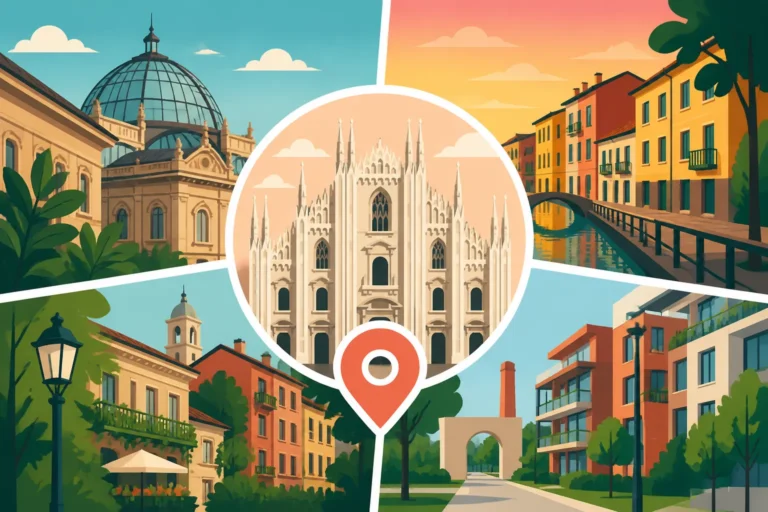
Puglia, in the heel of Italy, is another fantastic option. Cities like Lecce, known as the "Florence of the South" for its Baroque architecture, or Ostuni, the "White City," provide a vibrant atmosphere with a strong regional identity and breathtaking coastal access. In the North, Turin, while a large city, often feels more authentically Italian than Milan, providing an excellent base for exploring the incredible food and wine regions of Piedmont, such as the Langhe. Emilia-Romagna, with its culinary giants like Bologna and Parma, allows for deep dives into Italy's food culture, where every meal is an event. These places have robust local infrastructure, fewer overwhelming tourist crowds, and offer a genuine slice of Italian life waiting to be discovered.
Factors to Consider for Your Long-Term Landing Spot
When you're planning to stay for weeks or even months, your choice of location becomes much more critical than for a weekend getaway. You need to consider practicalities that go beyond just proximity to famous sights. First, think about connectivity. Even if you want to avoid a car, you'll want good public transport options – regional trains or buses – to explore the surrounding area easily. Is it near a regional hub, allowing for occasional bigger city excursions if you crave them? Second, consider the community. Are there any expat groups, if that's something you desire for social support, or more importantly, opportunities to genuinely integrate with locals?
Third, what about amenities? Access to vibrant local markets for fresh produce, reliable internet (a must for many remote workers!), and even healthcare facilities become important. While Italy's public healthcare system, the SSN, is generally excellent, knowing where your local doctor (medico di base) or hospital is located is crucial for peace of mind during a longer stay. Finally, the cost of living varies significantly across Italy. While the North tends to be more expensive, especially in major cities, a smaller town in Tuscany might still carry a higher price tag than a similar-sized town in Basilicata or Calabria. Budgeting for your extended stay, covering everything from daily groceries to utilities, is essential to ensure a stress-free experience. A good reference point for understanding the financial landscape is our guide on the Cost of Living in Italy 2026: Budgeting for Expats.
Finding Your Perfect Long-Term Rental
Once you've zeroed in on a region or town, the next step is finding a suitable place to live. Forget tiny hotel rooms; for slow travel, you're looking for a home away from home. Apartments are the most common choice, giving you a kitchen to cook your market finds and space to unwind. For a more rural, immersive experience, consider an agriturismo, which is typically a farm stay offering accommodations, often with meals prepared from their own produce. These can be incredibly charming and offer a deep connection to the land and local traditions. Villas, especially for families or larger groups, offer space and privacy, though they can be pricier.
When it comes to platforms, Booking.com often has excellent options for longer stays, and you can filter by monthly rates. For truly long-term options (several months to a year), local real estate agencies are often the best bet, though you might need some Italian language skills or a local contact to navigate them. There are also specialized long-term rental websites, though their inventory might be more concentrated in larger cities. When reviewing potential rentals, pay close attention to the type of rental contract being offered. Understanding Italian Rental Contracts 101: 4+4, 3+2, and Transitorio is crucial, as the terms and protections differ significantly. Always clarify what's included in the rent (utilities, internet) to avoid surprises.
Settling In: Practicalities of Living Like a Local
Moving beyond the initial excitement of arrival, the true test of slow travel comes in embracing the mundane. This is where you genuinely integrate, by navigating the same daily routines as the locals.
Navigating Daily Life: From Groceries to Bureaucracy
One of the greatest pleasures of slow travel in Italy is the food. Forgetting eating out every night, embrace the art of grocery shopping. Seek out the vibrant mercati (local markets) in your town, usually held once or twice a week, for fresh, seasonal produce, cheeses, and cured meats directly from local producers. Supplement this with visits to small alimentari (delicatessens) for specialized items and larger supermarkets for your staples. Cooking at home with these incredible ingredients not only saves money but also deepens your connection to the regional cuisine. Our article on Grocery Shopping in Italy: Supermarkets vs Markets can give you a deeper dive into this delightful routine.
Next up, the less glamorous but equally essential task of utilities. If you're renting long-term, you might be responsible for setting these up or transferring them into your name. This can involve dealing with various providers for electricity, gas, and water, which, let's be honest, can be a bureaucratic dance. It's a good idea to consult our guide on Setting Up Utilities (Electricity, Gas, Water) in Italy to prepare yourself for the process. And then there’s the inevitable Italian bureaucracy. For any stay longer than a few months, you'll need to think about formalizing your presence. This means getting your Permesso di Soggiorno (Italian Residence Permit) Explained and eventually, for true long-term residents, going through the process of Registering Residency in Italy (Residenza and Anagrafe) at your local Comune. This can feel daunting, but it's a rite of passage for every expat and is crucial for accessing services like healthcare.
Getting Around: Embracing the Local Way
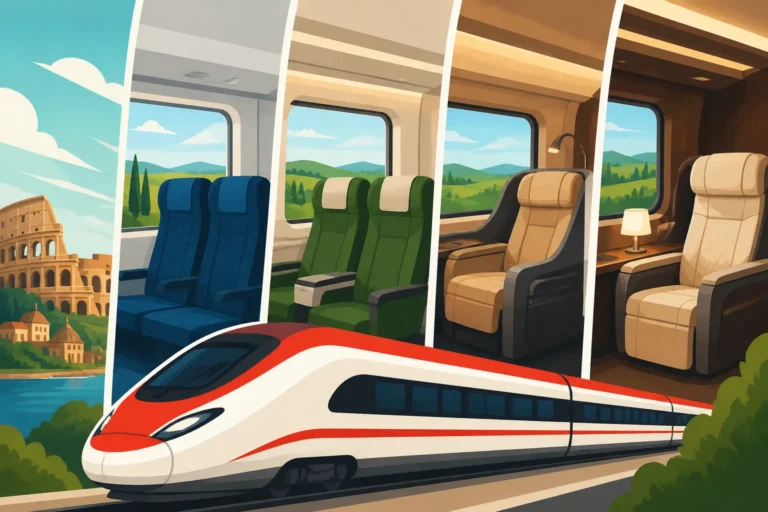
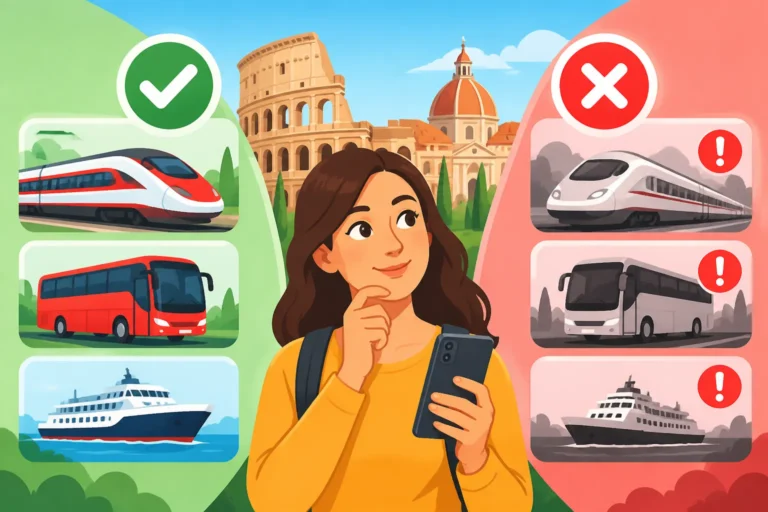
One of the biggest shifts in slow travel is rethinking transportation. Gone are the days of hopping on quick flights or expensive taxis for every journey. Embrace public transport as the locals do. Italy has an extensive network of regional trains and intercity buses that are surprisingly efficient for connecting smaller towns and cities. Apps and websites like Omio can be incredibly useful for planning these longer journeys, allowing you to compare options and book tickets with ease.
For shorter distances within your chosen town or nearby villages, walking and cycling become your primary modes of transport. This allows you to truly appreciate the landscape, stumble upon hidden trattorias, and discover breathtaking viewpoints that you'd zoom past in a car. If a car is occasionally necessary for more remote explorations, consider a short-term rental rather than committing to a long-term lease. Be mindful of Italy's infamous ZTLs (Limited Traffic Zones) in city centers; our guide on Driving in Italy: Obtaining an Italian Driver’s License offers crucial advice on navigating these and other driving quirks. Learning to embrace Italy's public transport system is a key part of living more authentically and reducing your environmental footprint while here. You'll find many useful tips in Public Transportation in Italian Cities: A Guide.
Deeper Immersion: Connecting with Italian Culture
Slow travel isn't just about spending more time in Italy; it's about spending that time differently. It’s about seeking out opportunities to genuinely connect with the culture, rather than simply observing it from a distance.
The Heart of Italy: Food and Culinary Exploration
Food in Italy is more than sustenance; it's history, family, and passion. When you're traveling slowly, you have the incredible opportunity to truly delve into the local culinary scene. Instead of just eating at restaurants, consider enrolling in a cooking class. Many towns, both large and small, offer classes focusing on regional specialties, whether it’s making fresh pasta in Bologna, perfecting pesto in Liguria, or mastering Roman artichoke dishes. This isn’t just about learning recipes; it's about understanding the philosophy behind Italian cooking, the importance of fresh, seasonal ingredients, and the role of food in social life.
Another wonderful way to connect is by visiting local producers: a cheese maker, an olive oil mill, a vineyard. Many welcome visitors for tastings and tours, offering insights into their craft. You'll also learn to understand the rhythm of Italian meals: the importance of pranzo (lunch) as the main meal, the leisurely cena (dinner), and the ritual of aperitivo. This pre-dinner drink with snacks is a quintessential Italian experience, a time for socializing and unwinding before the evening meal truly begins. And, of course, the coffee culture is an art form unto itself – learn to order an espresso at the bar, not for takeout, but as a quick, potent ritual.
Language, Community, and Local Events
True immersion often begins with language. While you don't need to be fluent, making an effort to learn even a few basic phrases of Italian will open countless doors. Locals appreciate the effort, and it immediately transforms interactions from transactional to genuinely communicative. Our guide on Italian Language and Everyday Communication for Visitors is a fantastic starting point, offering practical phrases and cultural insights.
Beyond language, actively seeking out community engagement is key. Look for local clubs, volunteer opportunities, or language exchange groups. Many towns have community centers or cultural associations that organize events. The best way to make Italian friends isn't to look for them, but to join in activities you enjoy. Another fantastic way to connect is by participating in local events and traditions. Italy is renowned for its vibrant calendar of Festivals, Holidays, and Traditions in Italy, from patron saint days to harvest festivals. These are often deeply rooted in local history and offer an authentic glimpse into the heart of a community. Websites and apps like GetYourGuide sometimes offer unique, small-group experiences led by locals that can help you tap into these cultural currents, allowing you to participate rather than just observe.
The Art of Doing Nothing: Embracing Dolce Far Niente
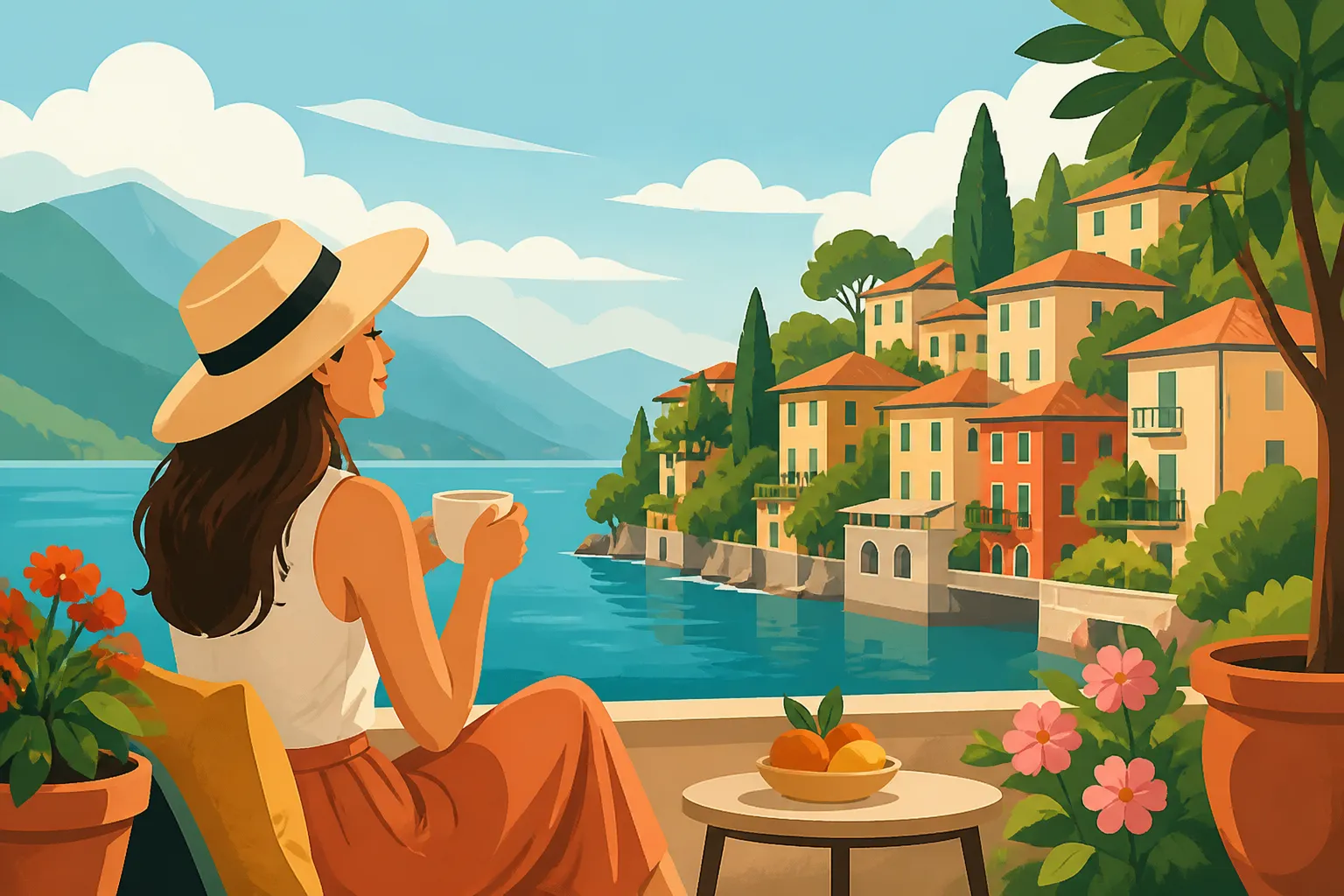
Perhaps the most profound lesson slow travel in Italy teaches is the art of dolce far niente – the sweetness of doing nothing. This isn't about laziness; it's about deliberately carving out time for relaxation, observation, and simply being present. It means lingering over a coffee in the piazza, people-watching as the day unfolds. It means taking an extra-long lunch, savoring each bite and the company. It means finding a quiet bench with a view and letting your thoughts wander.
When you remove the pressure to constantly be "doing" something, you create space for unexpected discoveries. You might strike up a conversation with an elderly local, stumble upon a charming hidden alleyway, or simply notice the intricate details of a building that you would have otherwise rushed past. This deliberate slowing down allows you to absorb the atmosphere, to feel the pulse of the town, and to truly let Italy seep into your soul. It fosters a sense of contentment and appreciation for the simple, beautiful moments that truly define daily life here.
The Rewards and Realities of Extended Italian Stays
Deciding to embrace slow travel in Italy is a commitment, one that comes with its own unique set of profound rewards and, let's be honest, a few challenges. It's not always a postcard-perfect experience, but it's always real, and that's its greatest strength.
The Profound Joys: What You Gain from Slow Travel
The benefits of staying longer in one place in Italy are truly transformative. You move beyond being a mere tourist and begin to feel like a temporary local. This brings a deep sense of authentic experience – you're seeing Italy through the eyes of its residents, not just through the lens of a guided tour. You'll develop a routine, learn your local butcher's name, find your favorite gelateria, and discover the best spot for an aperitivo. This sense of familiarity and belonging is incredibly rewarding, fostering genuine connections that are impossible on a fleeting visit.
Personal growth is another huge takeaway. Navigating daily life in a foreign country, even with some linguistic challenges, builds resilience and cultural understanding. You'll learn to adapt, to be patient, and to appreciate different ways of doing things. The constant learning, from figuring out the bus schedule to deciphering a local menu, keeps your mind engaged. Ultimately, slow travel often leads to a reduced stress load. Without the pressure to see everything, you have more time to relax, recharge, and truly enjoy the simple pleasures that Italy offers – a long walk, a good book, a glass of regional wine. It’s an investment not just in a trip, but in your own well-being and appreciation for life.
Overcoming the Hurdles: Patience, Flexibility, and a Sense of Humor
While the joys are many, it's important to approach slow travel with a realistic perspective. Italy, for all its charm, can sometimes test your patience. Bureaucracy is a well-known hurdle for expats. Things move slowly, often requiring multiple visits to various offices, and paper documents are still king. Renewing your residence permit, dealing with postal services, or even just setting up a bank account can be a lengthy process. Having a sense of humor and a large dose of patience is essential. Our guide on How to Open a Bank Account in Italy can help prepare you for one of these necessary steps.
Cultural misunderstandings are also part of the experience. What might be considered efficient or polite in your home country might not be the norm here. Embracing these differences with an open mind, rather than frustration, is key. Things like store hours, meal timings, or even communication styles might require adjustment. Finding and retaining a social life can also be a challenge, especially if you're not fluent in Italian. While expat groups exist in larger cities, in smaller towns, you might need to actively seek out opportunities to connect with locals. Finally, managing your budget for an extended stay requires careful planning. While daily costs might be lower than a fast-paced tourist trip, the cumulative expense over weeks or months can add up. Our article on Cost of Living vs Salary: Budget Tips for Italy Expats offers invaluable insights to help you plan wisely.
| Aspect | Fast Travel (Typical Tourist) | Slow Travel (Extended Stay) |
|---|---|---|
| Pace | Rushed, checklist-driven | Relaxed, experience-driven |
| Focus | Major landmarks, popular sights | Local life, hidden gems, daily routines |
| Accommodation | Hotels, B&Bs (short stays) | Apartments, agriturismi (weeks/months) |
| Food | Tourist restaurants, quick meals | Local markets, home cooking, family trattorias |
| Transportation | High-speed trains, tours, taxis | Public transport, walking, cycling |
| Interaction | Limited to service staff | Engaging with locals, building connections |
| Experience | Surface-level, photo ops | Deep immersion, genuine understanding |
| Budget Impact | Often higher daily cost | Lower daily cost, but longer duration |
Disclaimer
The information provided in this guide is intended for general informational purposes only and does not constitute legal, financial, or professional advice. While we strive to ensure accuracy, regulations and conditions in Italy can change. Always consult with official sources or qualified professionals for specific advice tailored to your situation.